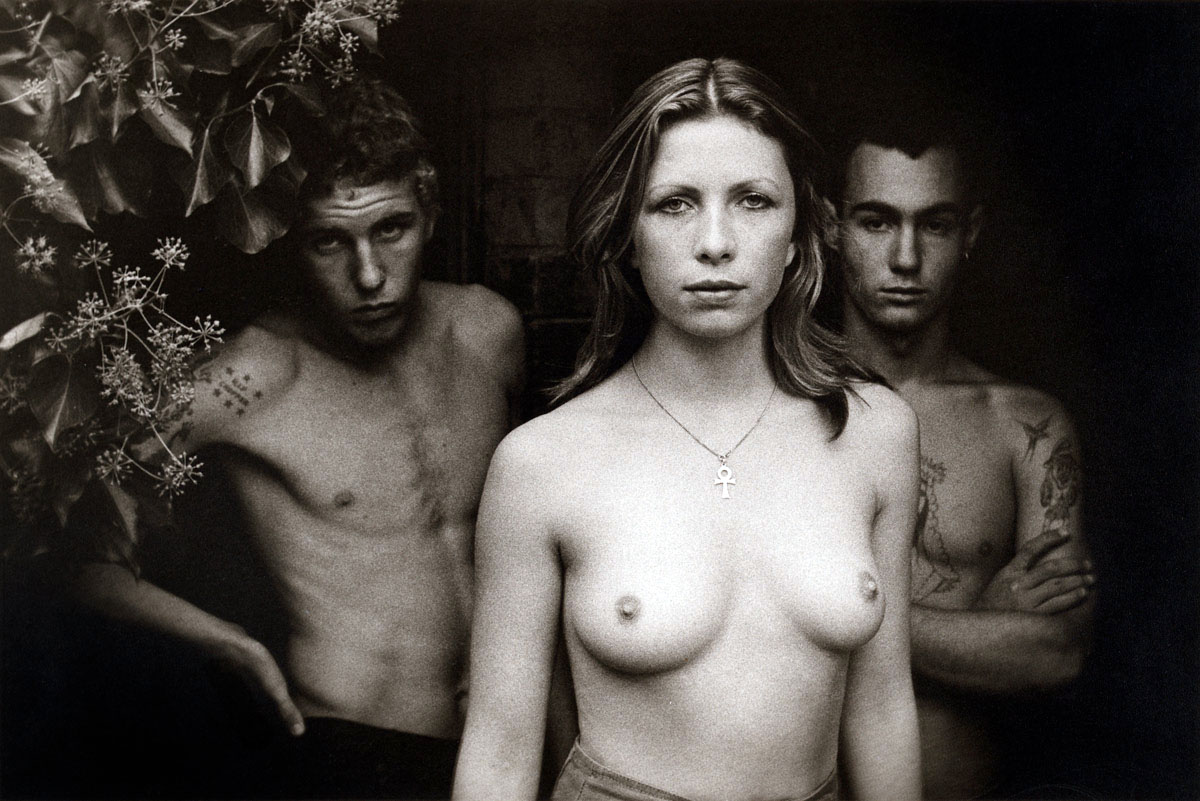
Carol Jerrems (14 March 1949 – 21 February 1980) was a pioneering Australian photographer and filmmaker. Her artistic career unfolded during a critical period when photography was regaining acceptance as a legitimate art form. Jerrems skillfully blended collaborative, documentary, and autobiographical elements in her work, notably showcased in her iconic piece, Vale Street.
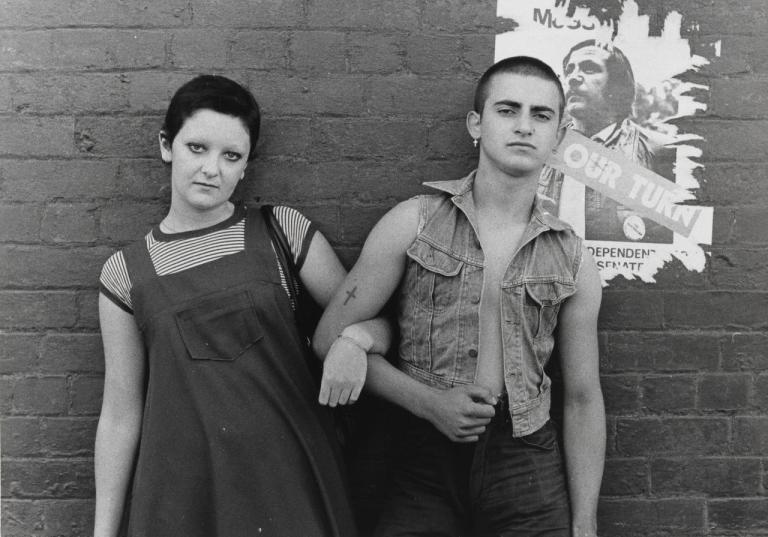
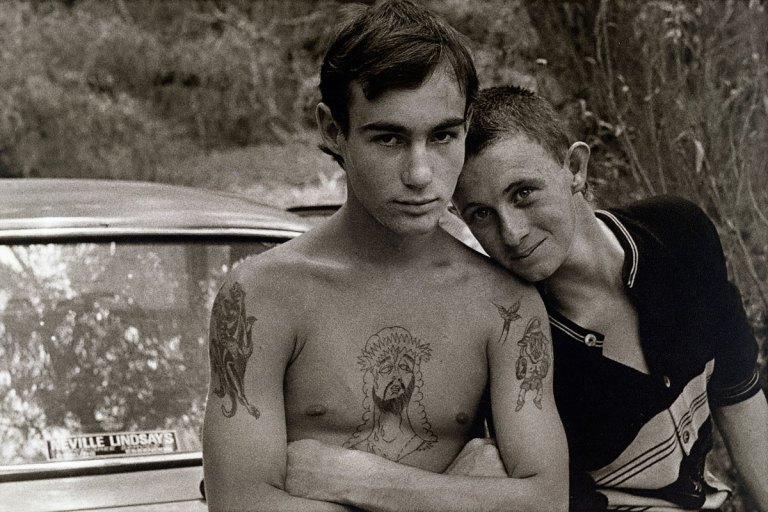
Renowned for capturing the revolutionary essence of various subcultures, including indigenous Australians, disenchanted youth, and the burgeoning feminist movement in 1970s Melbourne, Jerrems drew comparisons to internationally acclaimed figures like Larry Clark, Nan Goldin, and fellow Australian William Yang.
Born in Ivanhoe, Melbourne, on 14 March 1949, Jerrems was the third child of Eric Alfred Jerrems and Joyce Mary (Joy) Jacobs. At the newly established photography course at Prahran Technical School, she excelled, earning accolades and scholarships. Following her graduation, she pursued a Diploma of Education at Hawthorn State College in Melbourne.
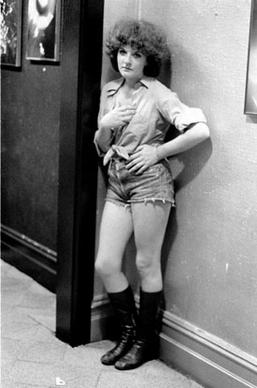
In 1971, Jerrems caught the attention of National Gallery of Victoria curator Jennie Boddington, marking a significant milestone in her career. Her connection with the artistic community deepened through collaborations with notable figures like Paul Cox, Ian Macrae, and Robert Ashton. She forged enduring friendships and artistic partnerships, including a successful collaboration with Henry Talbot, resulting in a groundbreaking exhibition at Brummels.
Hastily published in time for International Women’s Year and the beginning of the United Nations Decade for Women (1976 to 1985), A Book About Australian Women for which both author and photographer of were women.
The text by Virginia Fraser was from interviews with women from all walks of life, many famous or soon to be, and Carol Jerrems photographed 131 of them.

The emphasis is on women making their own way in careers and in the arts, and though many were mothers, none are depicted as ‘home-makers’, or as living in support of men.

The publishers though were men, and sadly they hired a Cheltenham firm that printed local newspapers to produce the book amongst around 100 that Outback Press released in the ’70s; it is now rare to find a copy intact as most have disintegrated and their pulp pages have yellowed. It is, as much for its faults as its virtues, a landmark in the decade, and of the work of an important Prahran College photography graduate.
It was Carol who painstakingly sequenced her own photographs; that she was trained in an art school rather than as a cadet on a newspaper is evident in the cinematic cross-fade of the reflections in each of the side-by-side portraits of fellow student Jacqui Mitelman and Grace Cossington-Smith, and in Jerrems consciousness of the veteran Australian painter’s Interior in Yellow as she sits for Carol in the same house as that in the prismatic painting.


…and in the fleeting expressions crossing actress Syvanna Doolan’s face in this sequential portrait.


Relocating to Sydney in 1975, Jerrems continued her creative journey and engaged with the city’s vibrant artistic scene. Her exhibitions at various galleries, including the Australian Centre for Photography, showcased her evolving style and thematic exploration. Concurrently, she ventured into filmmaking, producing the impactful work “Hanging About” in 1978, addressing the societal issue of rape.
In 1979, Jerrems moved to Tasmania to teach at the School of Art in the Tasmanian College of Advanced Education. However, her career was cut short when she was diagnosed with Budd–Chiari syndrome. Despite her health challenges, she continued to contribute to the arts community until her passing on 21 February 1980 at The Alfred Hospital in Melbourne.
Jerrems’ photographic technique was characterized by a subjective approach, emphasizing collaboration with her subjects. She utilized a 35mm Pentax Spotmatic camera and predominantly worked with black and white film, particularly Kodak Tri-X. Her preference for available light and a commitment to technical excellence underscored her dedication to the craft. Jerrems left a lasting legacy, and her life and work have been celebrated through exhibitions, film screenings, and retrospectives, solidifying her place in Australian art history. Her photographs and negatives are archived at the National Gallery of Australia, ensuring the preservation of her contribution to the medium.
[NOTE: These biographies are a work-in-progress for which primary research is preferred, but since not all the subjects are living or contactable, they may rely on a range of secondary or tertiary references. If you are, or if you know the subject, please get in touch. We welcome corrections, suggestions, or additional pertinent information in the comment box below or by contacting us at links here]
 Prahran Photography
23 thoughts on “The Alumni: Carol Jerrems”