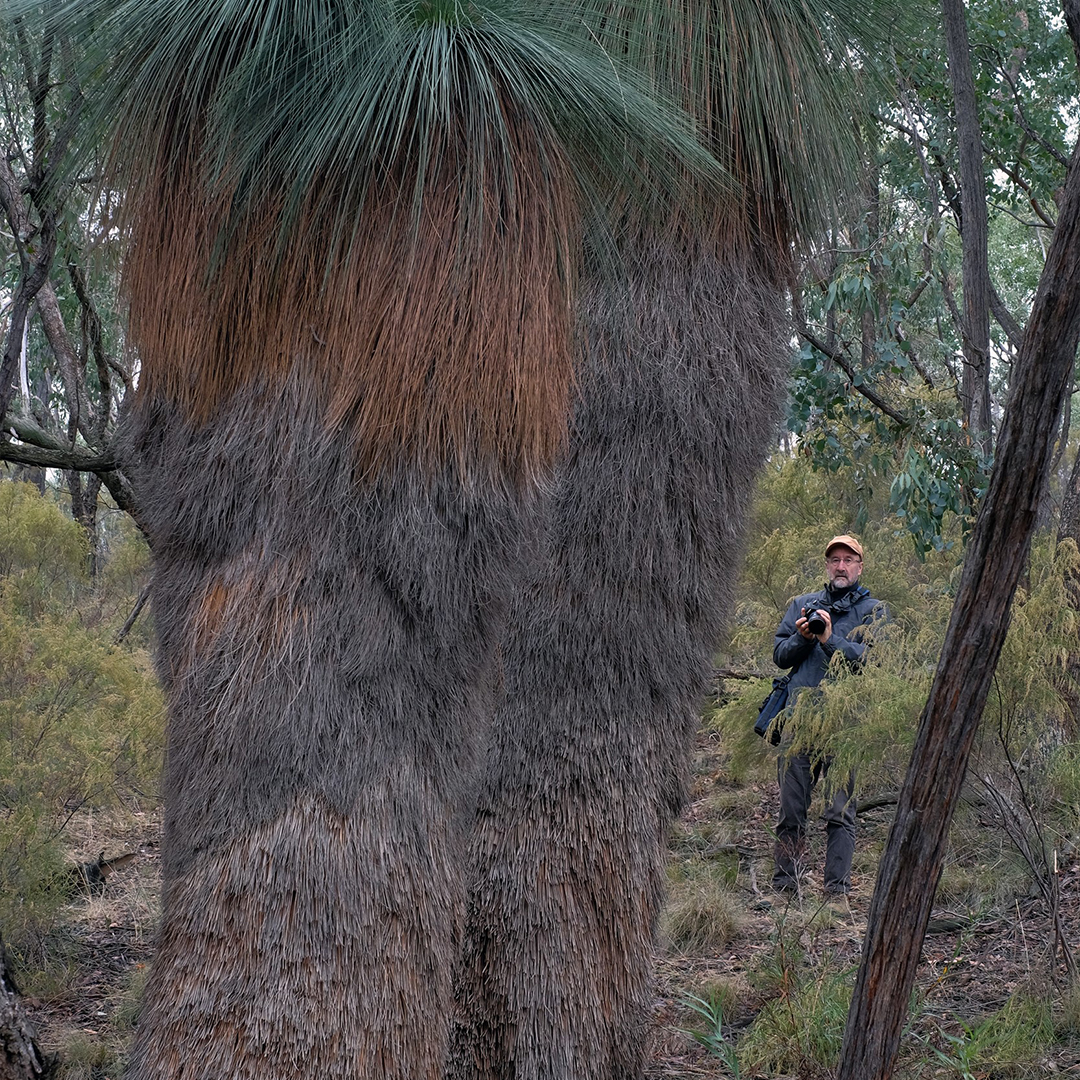
Philip Clark Ingamells (18 April 1947 – 25 August 2023) was an Australian conservationist, photographer, writer, and advocate for the preservation of parks and wilderness areas. Born into a family with ties to historian Manning Clark, from whom he took his middle name, Ingamells’ first job was as a tram conductor, and later a driver on the number eight tram on Toorak Road. He studied architecture at Melbourne University, and though he did not finish the course, he contributed drawings for a lecture hall at Port Fairy, and later designed a holiday home for Dymphna and Manning Clark at their property on Wapengo Lake, near Bermagui.
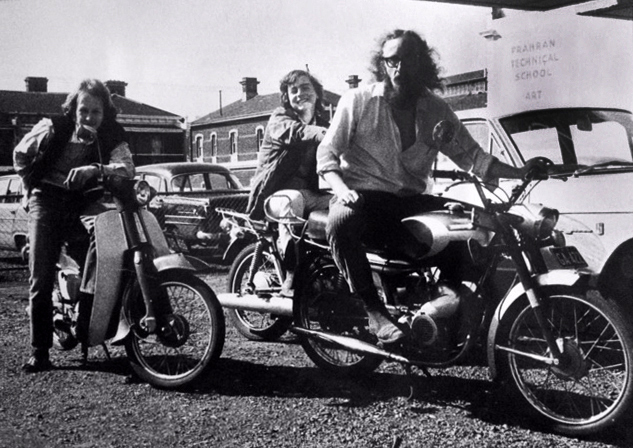
In 1970, Ingamells enrolled in Photography at Prahran College under Paul Cox, specialising in landscape photography. His passion for photography and skill in the medium became a powerful force for conservation.
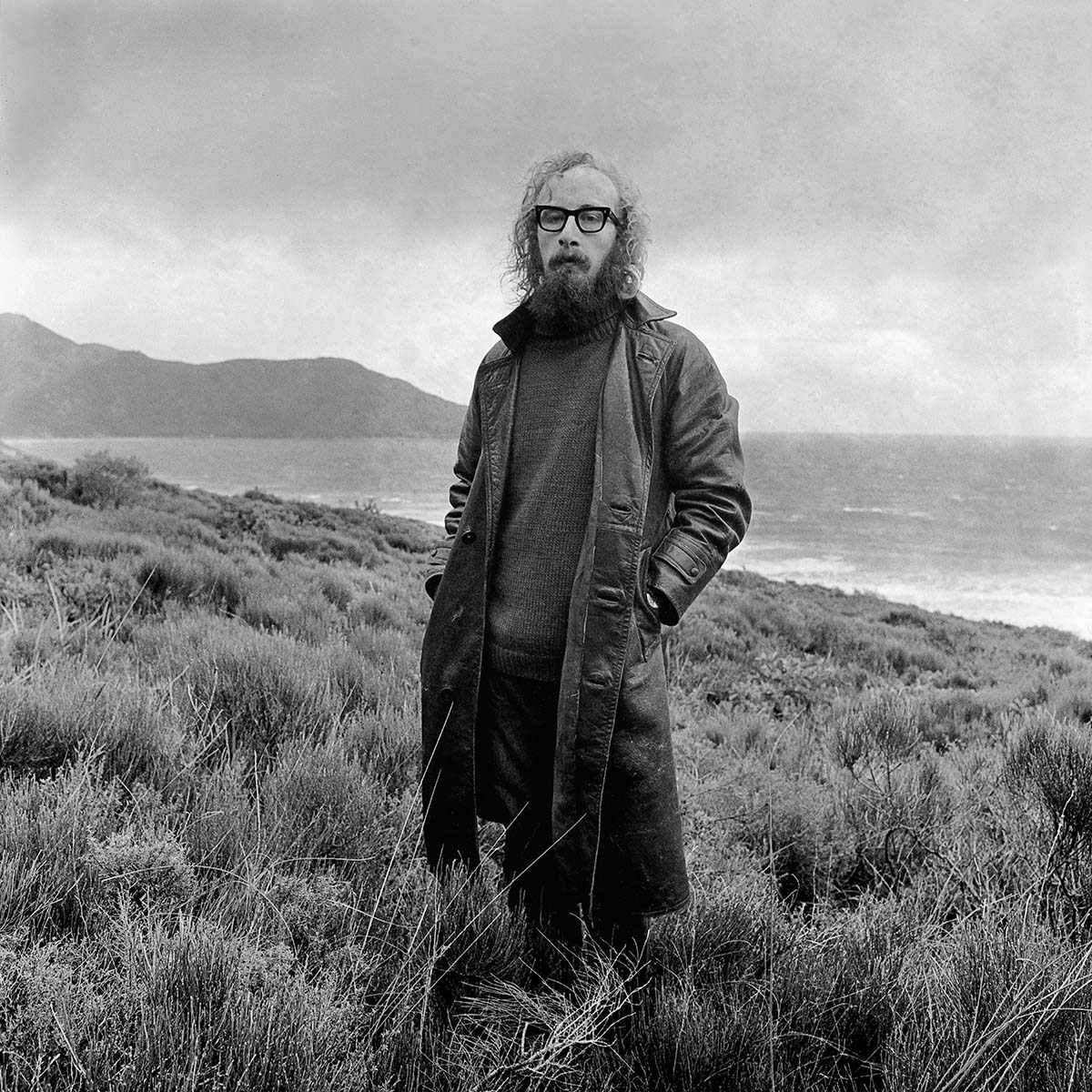
For five years after leaving Prahran he made trips to India and South-East Asia where he studied meditation, and to the NSW far south coast. A devotee of Indian yoga guru Baba Muktananda he baked bread at the Muktananda Siddha Yoga Ashram in Fitzroy.
By the 1980s, Ingamells was heavily involved in the conservation movement. He joined the Victorian Department of Conservation, Forests and Lands and created audiovisuals for showing in theatrettes at Wilsons Promontory, the Grampians and Point Nepean National parks and the Orbost Rainforest Centre.
Ingamells designed posters celebrating Victoria’s National Parks, including one featuring threatened species like brolga, the Eltham copper butterfly, spotted tree frog, little penguin, common bent-wing bat and leadbeater’s possum.
His striking photographs not only graced the pages of publications like Park Watch and Wild but became instrumental in advocacy and research efforts. Thanks to Peter Leiss‘ videography, we have Philip’s own tribute to Prahran.
Ingamells exhibited his work A Different Time and Place, with Brian Lunt in August 1997 in the City of Melbourne’s Temporary Exhibition Program at Platform, Spencer St. (now Southern Cross) Station pedestrian subway, but his photographic contributions extended beyond aesthetics.
Philip became a prolific figure in conservation literature, providing both images and written content for various publications. Notable works include his role as the photographer for The Eltham Copper Butterfly in 1987 and Australian Alps: Kosciuszko, Alpine and Namadgi National Parks in 2015. Ingamells designed posters, guide books and visitor centre displays celebrating Victoria’s National Parks, including a poster series featuring threatened species like brolga, the Eltham copper butterfly, spotted tree frog, little penguin, common bent-wing bat and leadbeater’s possum, as well as writing and/or revising handbooks on Wilsons Promontory, Mount Buffalo and the Mount Alexander diggings.

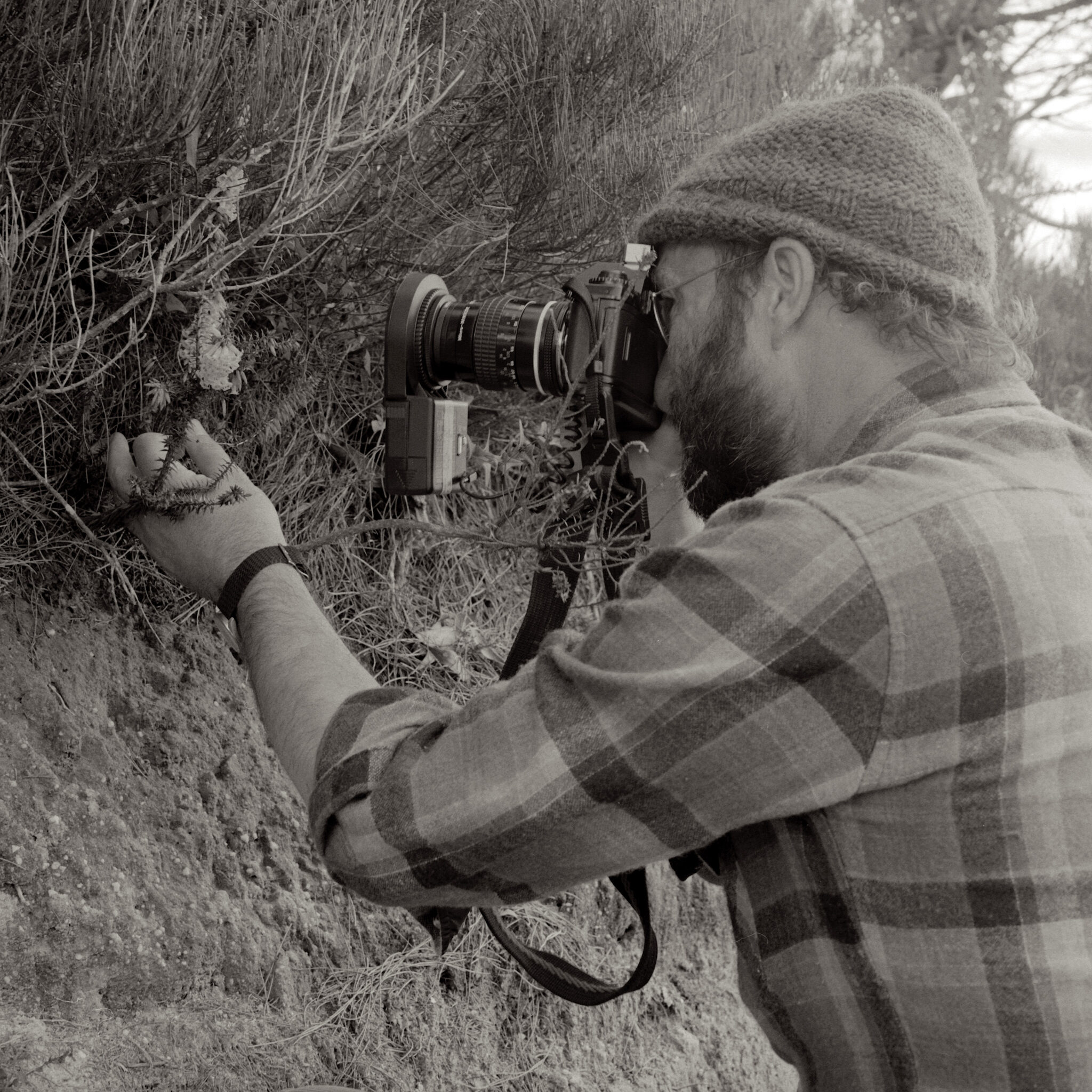
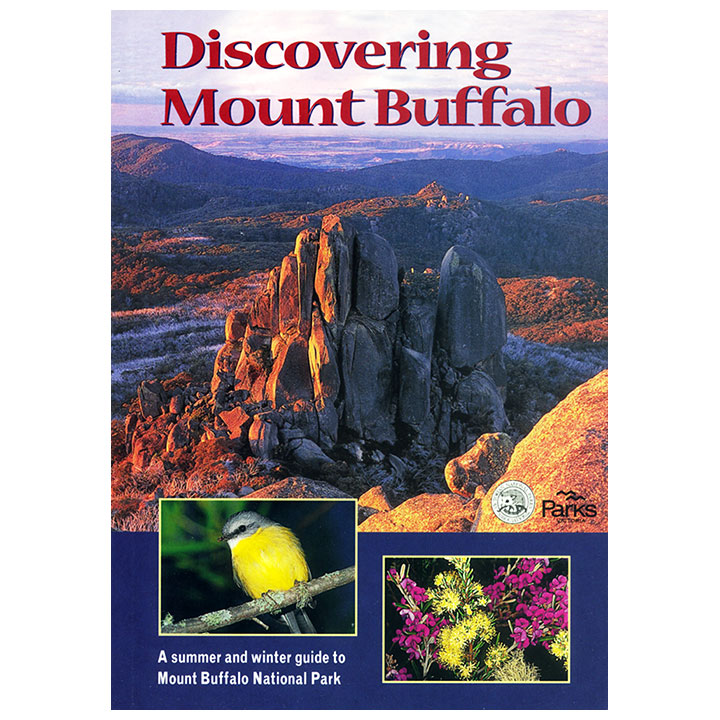
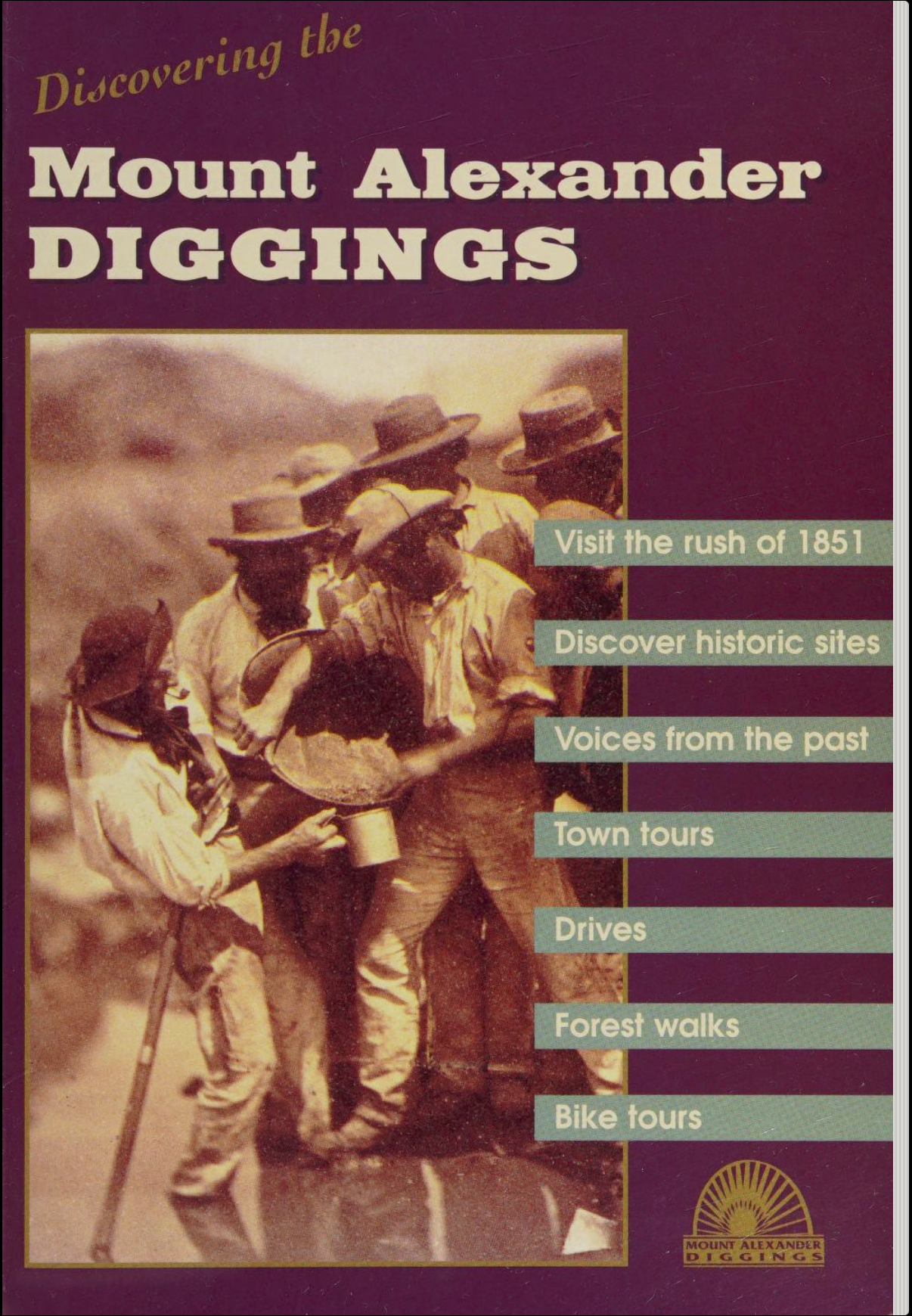
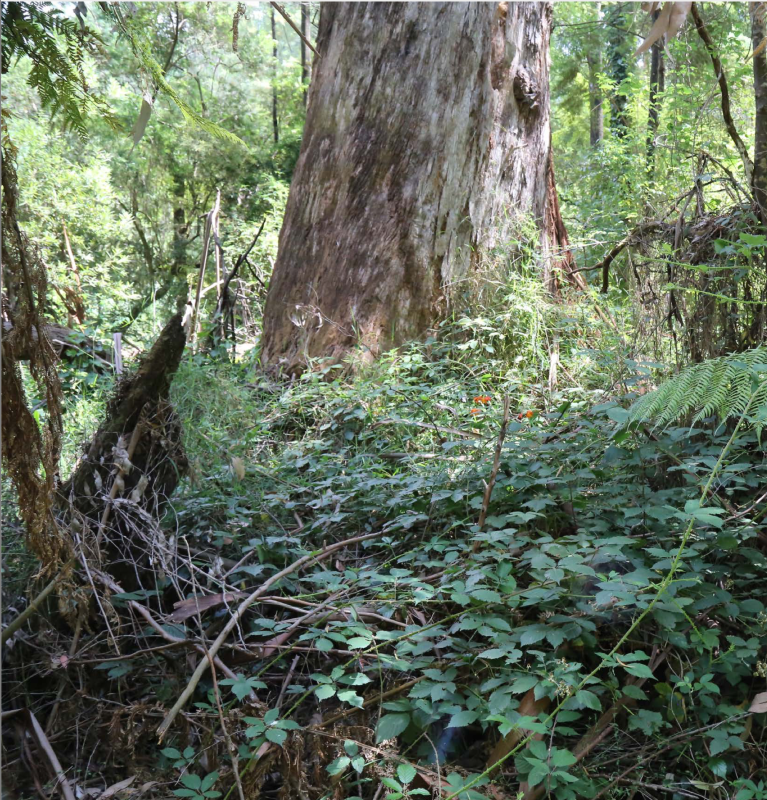
As a member of the Victorian National Parks Association (VNPA), he actively engaged with the media, utilising his images to underscore the urgency of preserving natural habitats. His dedication to conservation was not limited to capturing picturesque scenes; it extended to campaigns to remove cattle grazing from the Alpine National Park and opposing development proposals within national parks.
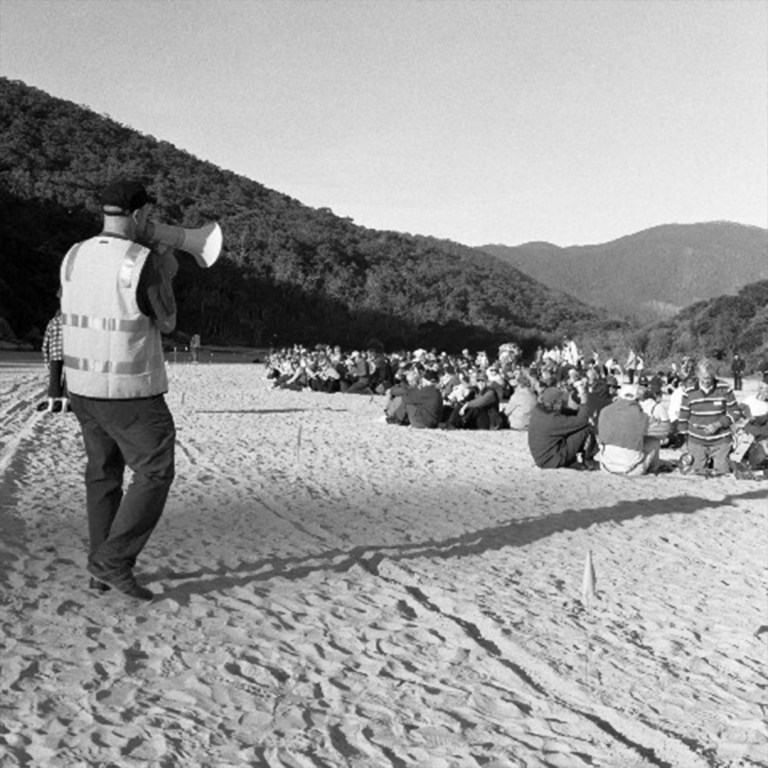
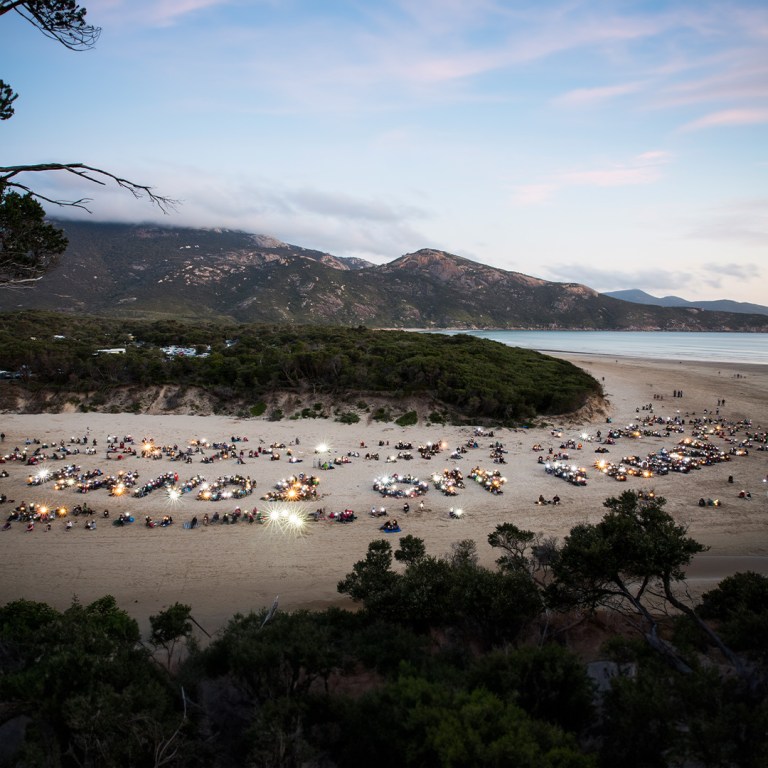
Ingamells’s photography played a crucial role in research initiatives, contributing to reports and workshops. His images were more than artistic expressions; they became tools to convey the importance of balanced fire management policies.
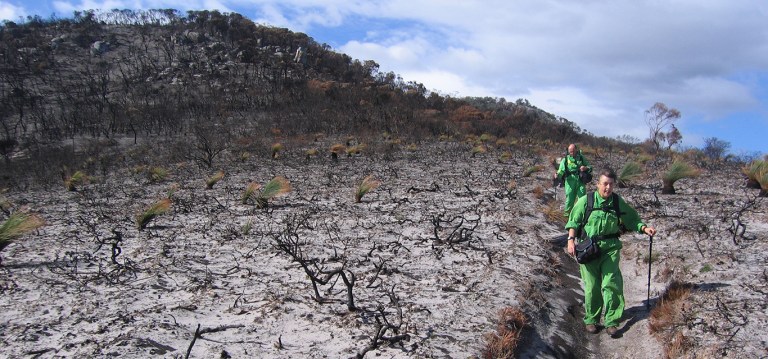
His work, including a workshop submission to the 2009 Victorian Bushfires Royal Commission and a paper presented to the Royal Society of Victoria in 2012, demonstrated the intersection of art and science in addressing environmental challenges.
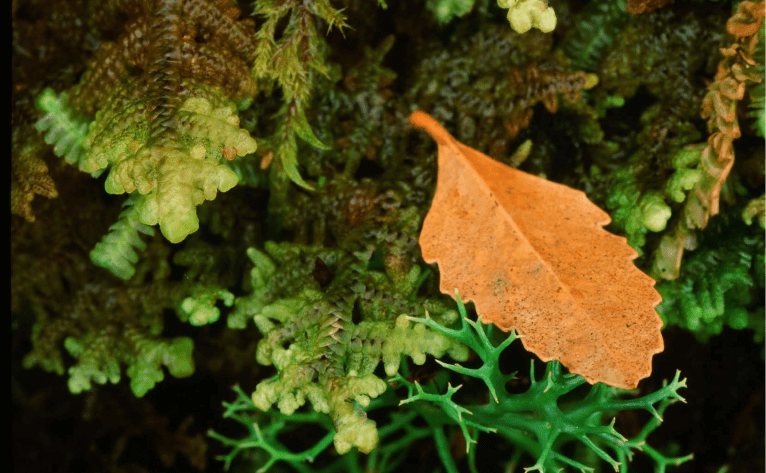
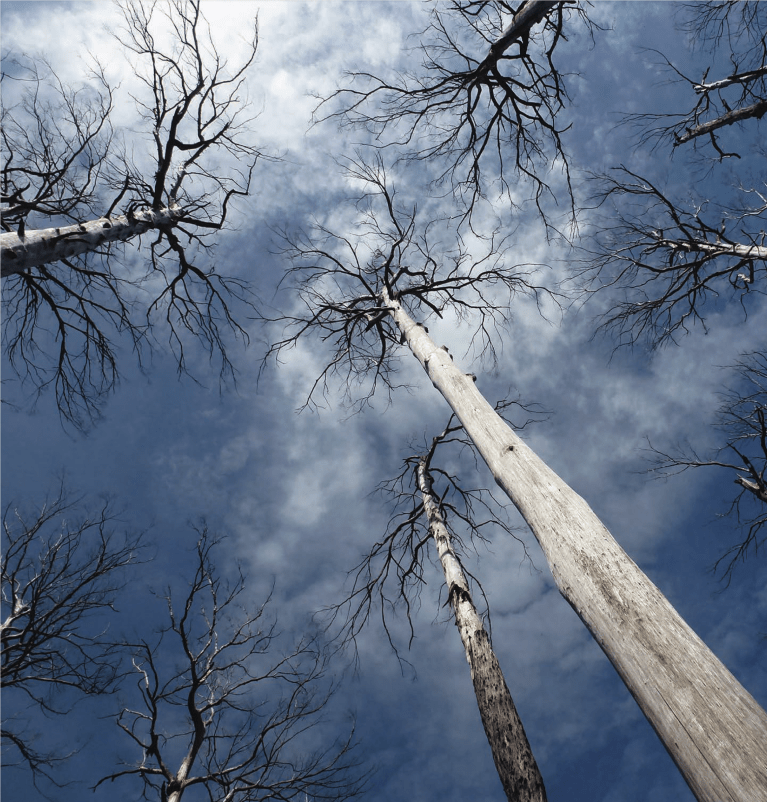
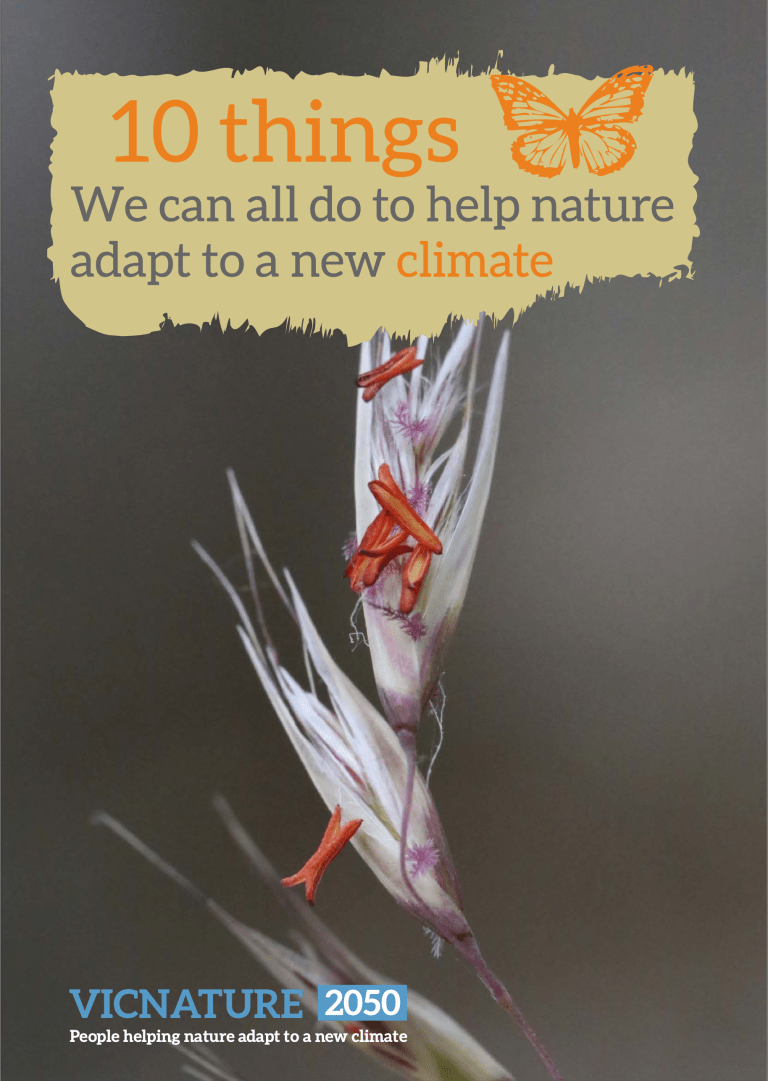
In his later years, Ingamells continued to leverage his photographic expertise as a member of the VicNature2050 Advisory Group. His images not only adorned publications on climate change and biodiversity but served as a visual legacy of his commitment to safeguarding the environment. After over twenty years with VNPA, Phil retired as a paid staff member in late 2021, having lived the last 25 years of his life in Barkers Creek near Castlemaine. Ingamells remained an active contributor to conservation efforts until he died suddenly following an aneurysm at home on 29 August 2023 at the age of 76. A public memorial in Eltham on September 14 celebrated his enduring legacy in the realms of conservation advocacy, research, and the art of photography.
[Creative Commons text is derived largely from the Wikipedia article contributed by James McArdle]
[NOTE: These biographies are a work-in-progress for which primary research is preferred, but since not all the subjects are living or contactable, they may rely on a range of secondary or tertiary references. If you are, or if you know the subject, please get in touch. We welcome corrections, suggestions, or additional pertinent information in the comment box below or by contacting us at links here]
 Prahran Photography
One thought on “The Alumni: Philip Ingamells”