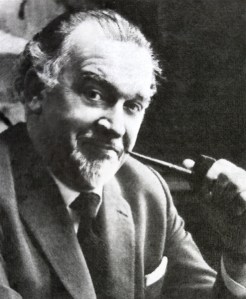
Paul Curtis, writing of Ian Bruce McKenzie OAM in his 2013 A History of Professional Photography in Australia identifies him as:
“Tall, slim, athletic, articulate and highly intelligent, the perpetually all in black and casually dressed McKenzie cut a dynamic figure across the Australian photography stage for four decades. Indeed, his influence is still felt strongly to this day. Born in Melbourne in 1939 Ian spent two years in chartered accountancy before becoming a professional photographer in 1958. Basing his business in Melbourne, he specialised in architectural and industrial photography and also shot aerial and illustrative pictures for company reports.”
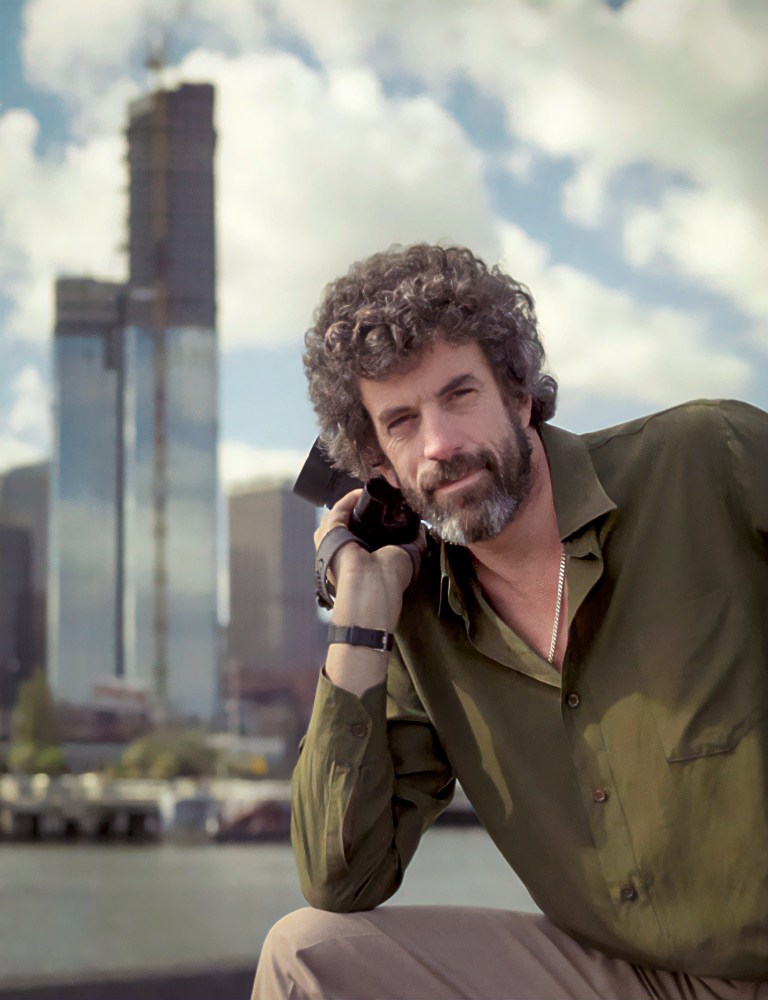
The timing of Curtis’ acclaim was fateful; McKenzie died in the following year, and was remembered in obituaries in Working Pro the official journal of the Australian Institute of Photography, an oganisation of which he was a member since its inception in 1967 and in which he held leadership positions including: State President of Victoria, National President, National Honours & Ethics Committee Chairman and Chairman of the AIPP Commercial Group and established the National Mentoring program. For these efforts he was awarded a Fellow, AIPP; Hon, Fellow AIPP; and a Master of Photography.
Another tribute came from Photography Studies College for which he served as a member of its Course Advisory Committee. In its eulogy The Victorian Foundation for Survivors of Torture, Foundation House honoured him as a member of its board and for his provision of an annual grant; another came from the Ocean Racing Club of Victoria in which he competed in his yacht Supertramp and served as Commodore from 2002 to 2004 and which initiated the Ian McKenzie Perpetual Trophy in his memory. He was a brigade captain in the Country Fire Authority and, earlier that year of his death, had been awarded an Order of Australia Medal in the Queen’s Birthday Honours List for service to the visual arts as a photographer and to the community.
Born in Melbourne in 1939 Ian left his initial career in chartered accountancy in 1958 to start working with photographers Arthur Dickinson, then Mark Strizic, and he soon specialised in architectural and industrial photography. In 1959, Ian joined the Institute of Victorian Photographers, thus becoming a founding member of the Institute when it became a national body.
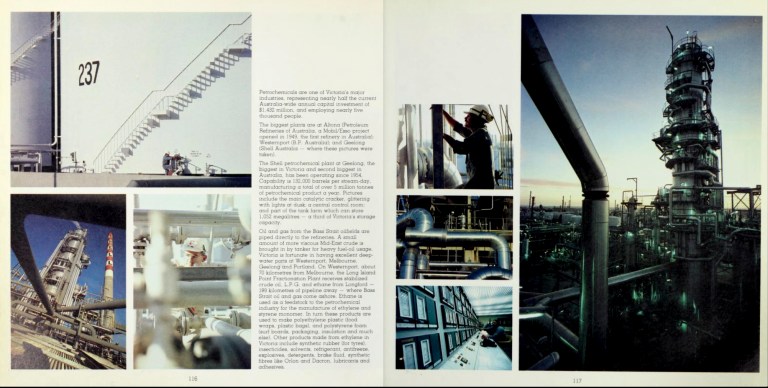
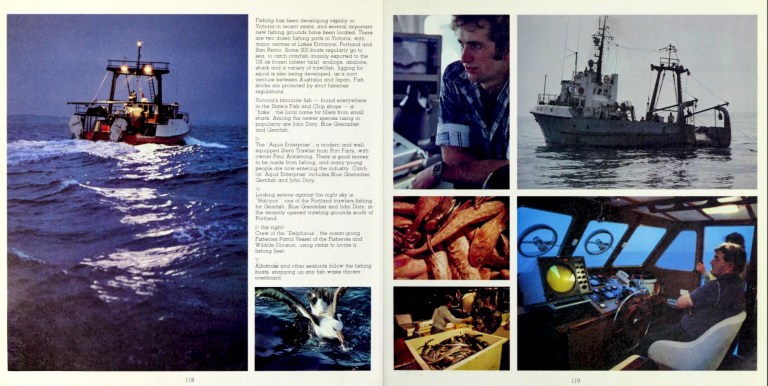
In Gina O’Donoghue’s 1981 Victoria with Love: Some Personal Views of Life in Victoria, for which he provided a chapter of photography on ‘Science and the Economy’, he remembered:
“There was little formal training available in Victoria when I started in photography, now there’s a good deal.”
The prelude to one institution that was to provide such training came in 1947 when the notion of building a multi-storeyed building for Diploma studies at Prahran Technical School, which had delivered art education since 1856, was discussed during planning for the Prahran Girls’ School building in Hornby Street.
Since the 1930s Prahran Tech was criticised for its ‘slum-like’ conditions, including a leaking roof and calls for repairs and renovations were made by various stakeholders. A public meeting at Prahran Town Hall on 12 May 1966 was organised by the Prahran and District Parent-Teachers’ Council and the metropolitan branches of the Victorian Teachers’ Union, to protest against such conditions in local schools. J.S. Loxton, MLA Prahran, and Cr Martin Smith, President of the Prahran Technical School Council, attended the meeting at which he showcased plans for a new Arts and Commerce Block for Prahran Technical School.
Later that year official approval was given for the planning and erection of the new multi-storeyed building to house Diploma studies at Prahran Technical School, as presented during the public meeting.
After serving as art critic for the Sun News Pictorial for two decades, in 1961 Alan Edwin Warren (previously head, RMIT School of Art, focusing on graphic design) had been appointed Principal of the Prahran school. A formalist and dedicated modernist who required students to study Roger Fry’s 1928 Vision and Design, Warren was an early member of George Bell’s Contemporary Art Society in Melbourne opposing Robert Menzies’ anti-modernist ‘Australian Academy of Art’.
His vision for art education was reflected in his 1967 bid for Prahran Technical School to affiliate with the Victorian Institute of Colleges. The application stressed how the school’s unique heritage as a Technical Art School over fifty years made it well placed to contribute to tertiary education and highlighted the significance of the new building as a catalyst for pioneering a novel approach to art education—in accord with the UK’s Coldstream Report—one that seamlessly merged arts and technology. This innovative policy was asserted to be unattainable in previous school settings due to inadequate facilities.
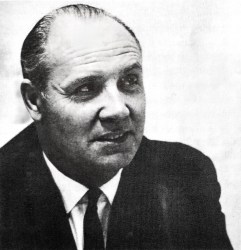
Lenton Parr, previously Head of Sculpture at RMIT (1964–66), became Head of Prahran College of Technology in the $1.5 million building being completed as he arrived. He appointed staff who became influential in Australian art and was held in high esteem by staff, but his fine art philosophy clashed with the vocationally-oriented aims of the College Principal Alan Warren He acted unsuccessfully to have Parr removed by advertising his job. The backlash of protest from students and staff prompted an inquiry by the Minister.
Though his appointment at Prahran was upheld, Parr left, effective 31 January 1969, to take up the role of Principal at the National Gallery School (1969-1974), leading to his appointment as director (1974–84) of the Victorian College of the Arts when it replaced the Gallery School, and into which Prahran College visual arts departments were merged in 1992.
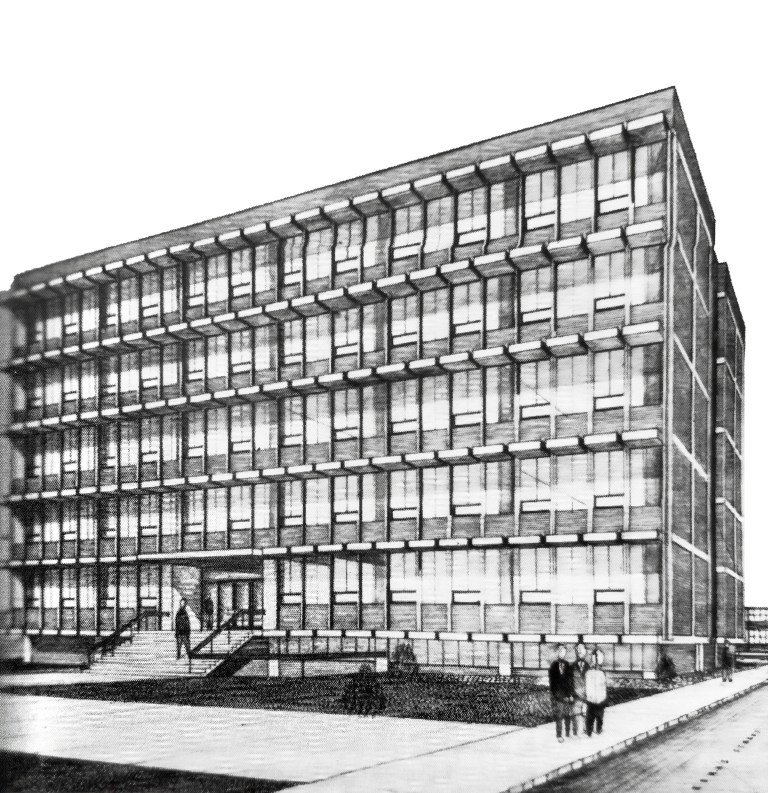
According to the College administration records held by the Education Department, McKenzie was hired by Parr 7 February 1967, before the new High Street building was occupied, as an Instructor in Photography for a new photography department, to be headed by McKenzie. He provided this photographs of the new building under construction.
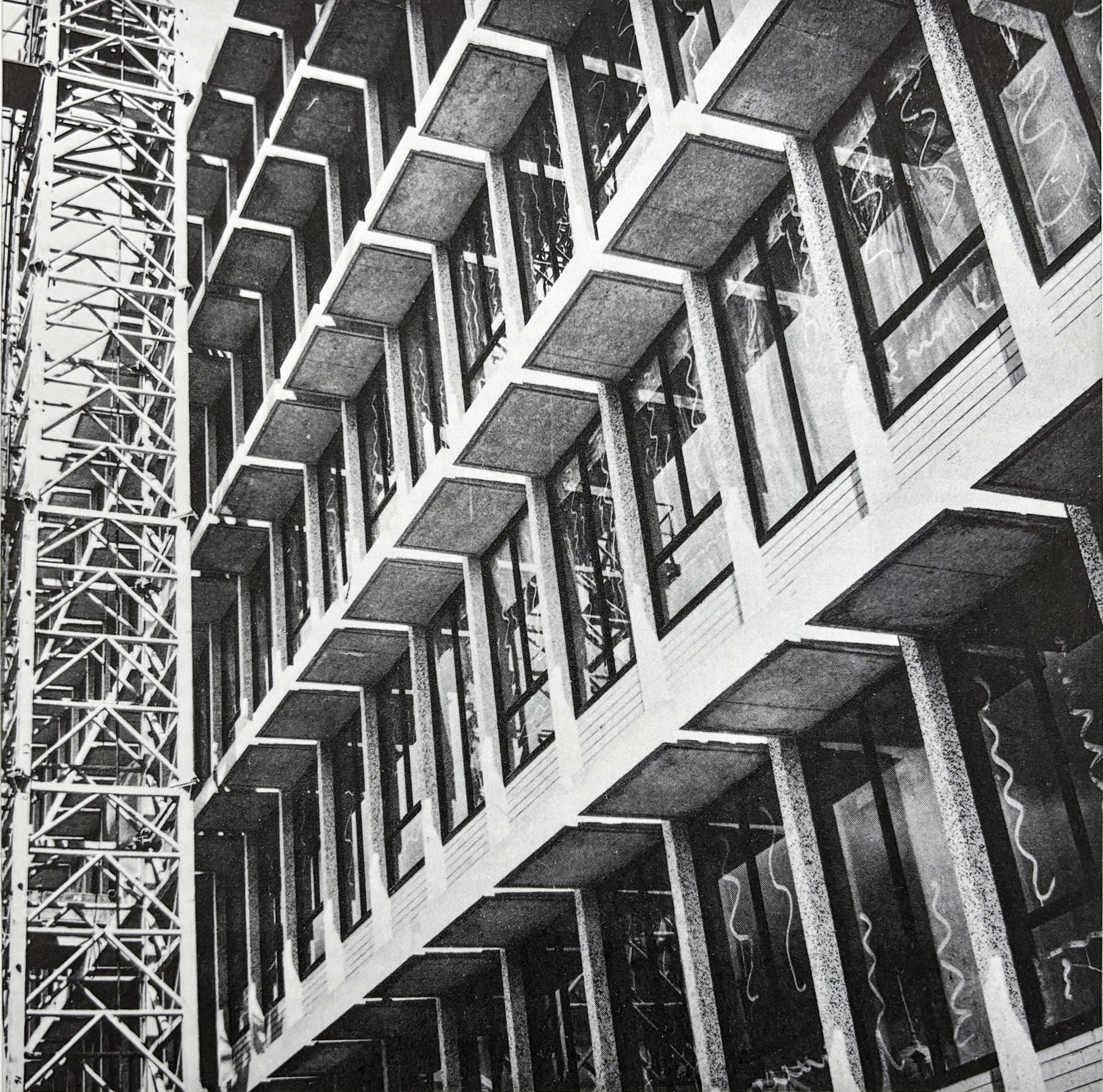
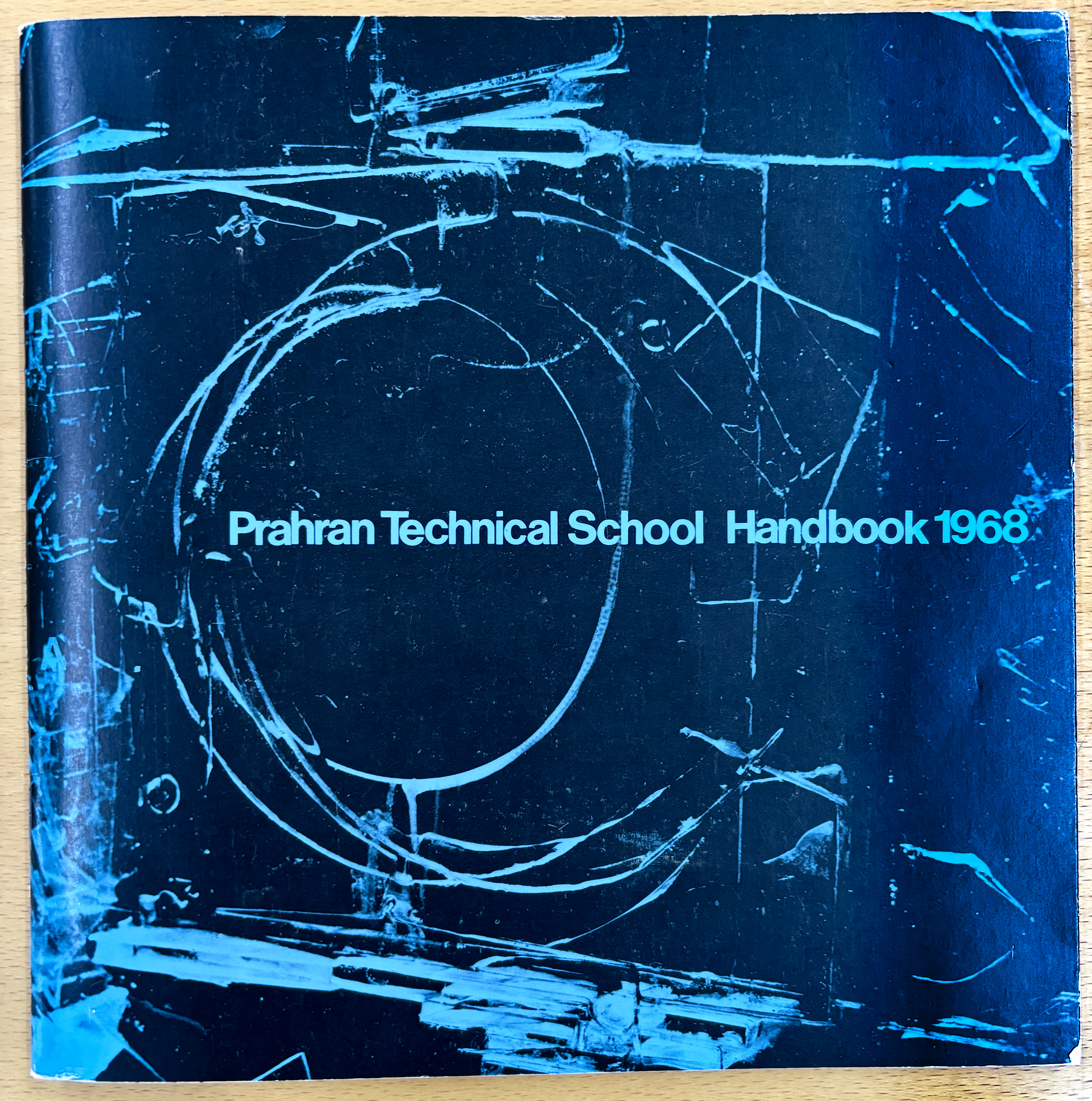
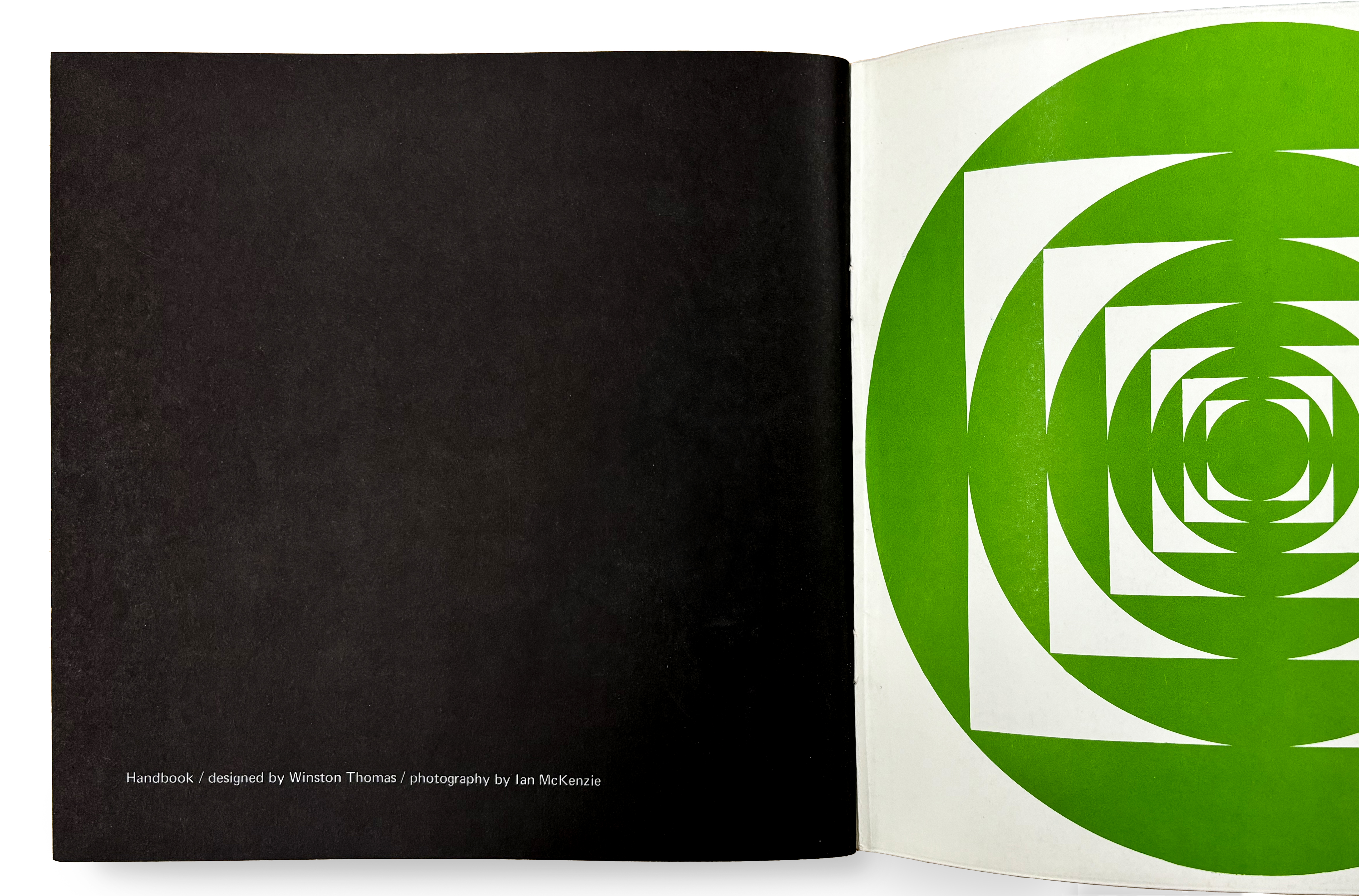
It was an illustration for the College Handbook of 1968, for which Ian provided all the photography for the stylish design by fellow lecturer Winston Thomas.
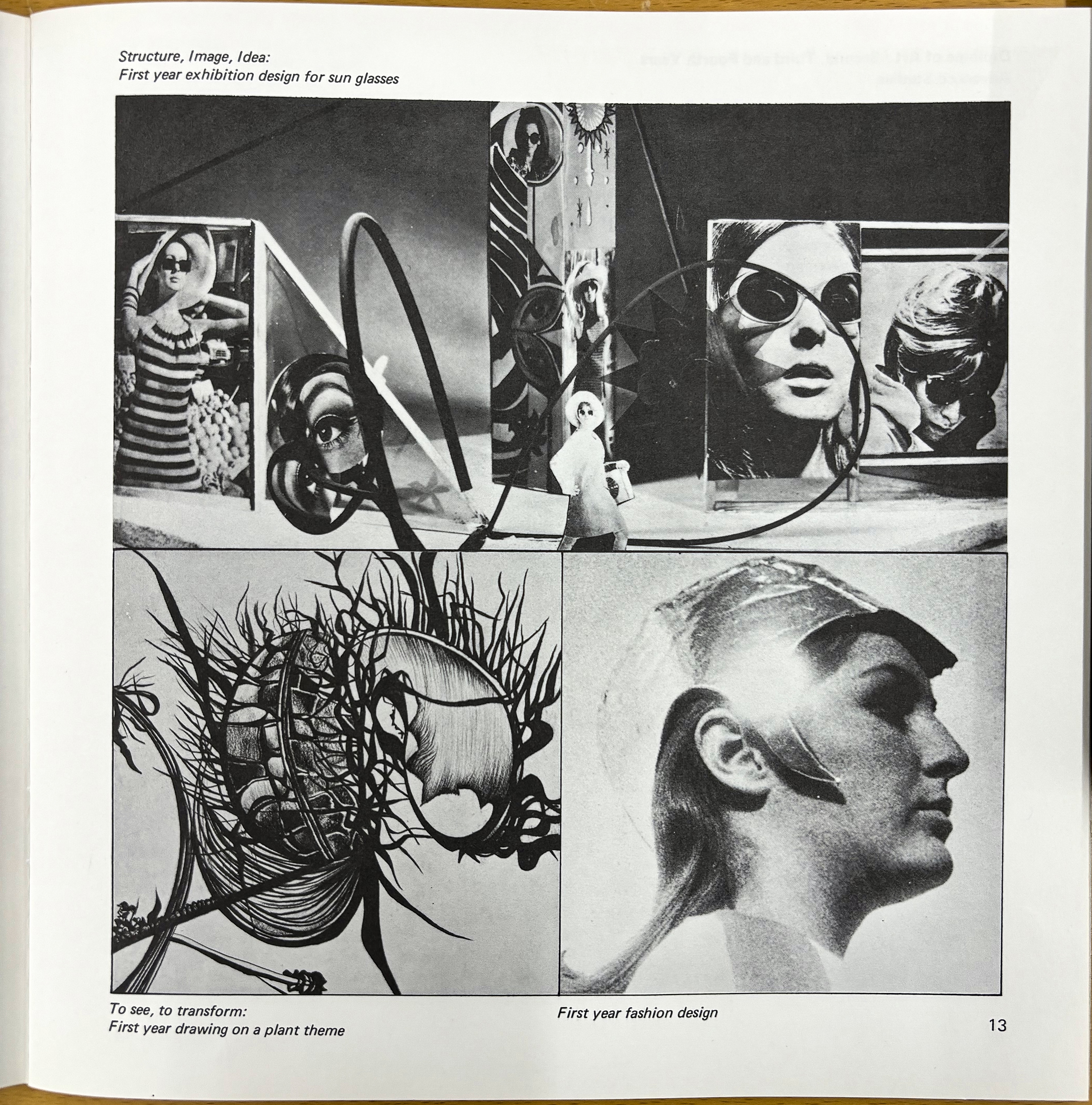
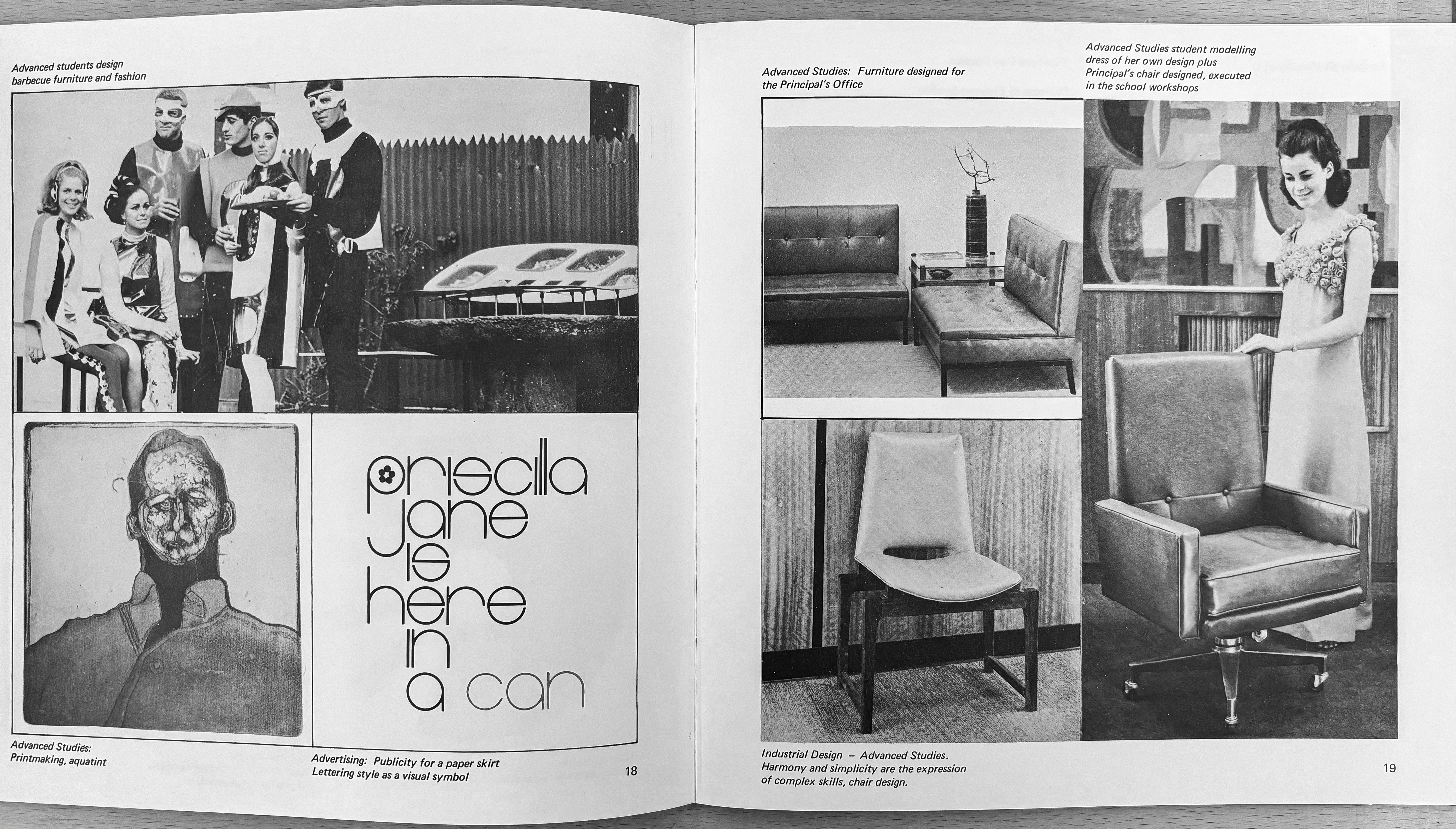
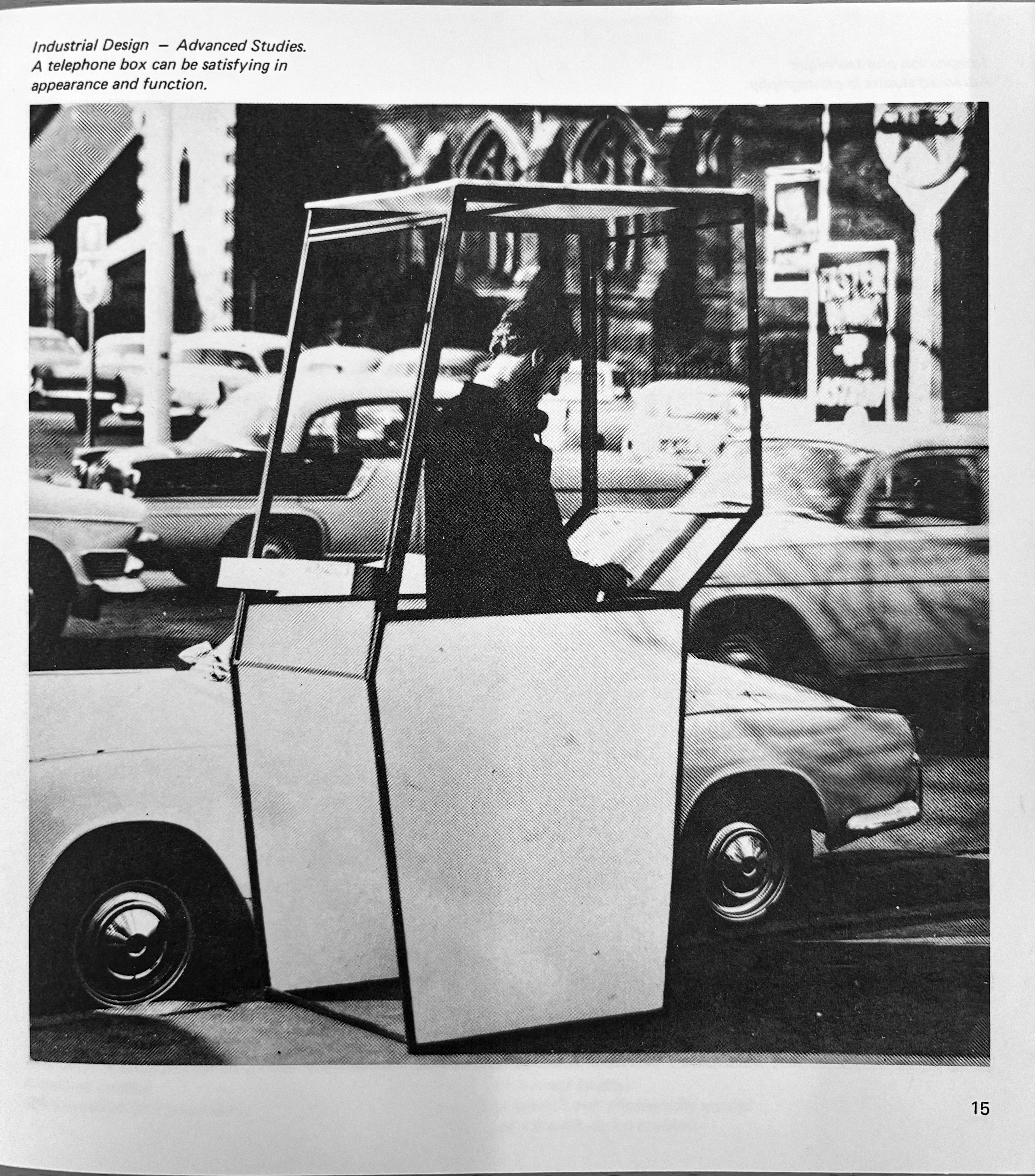
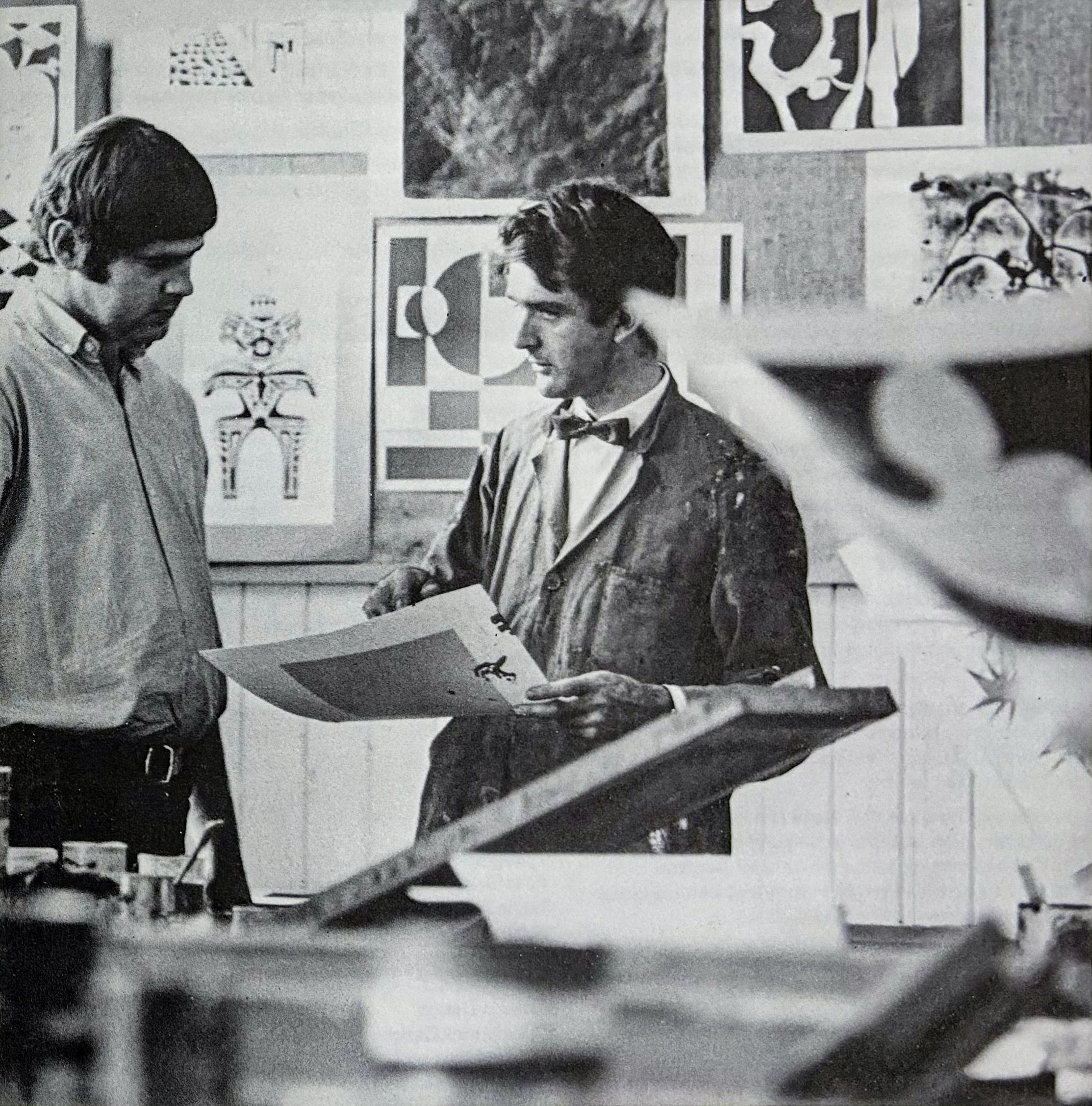
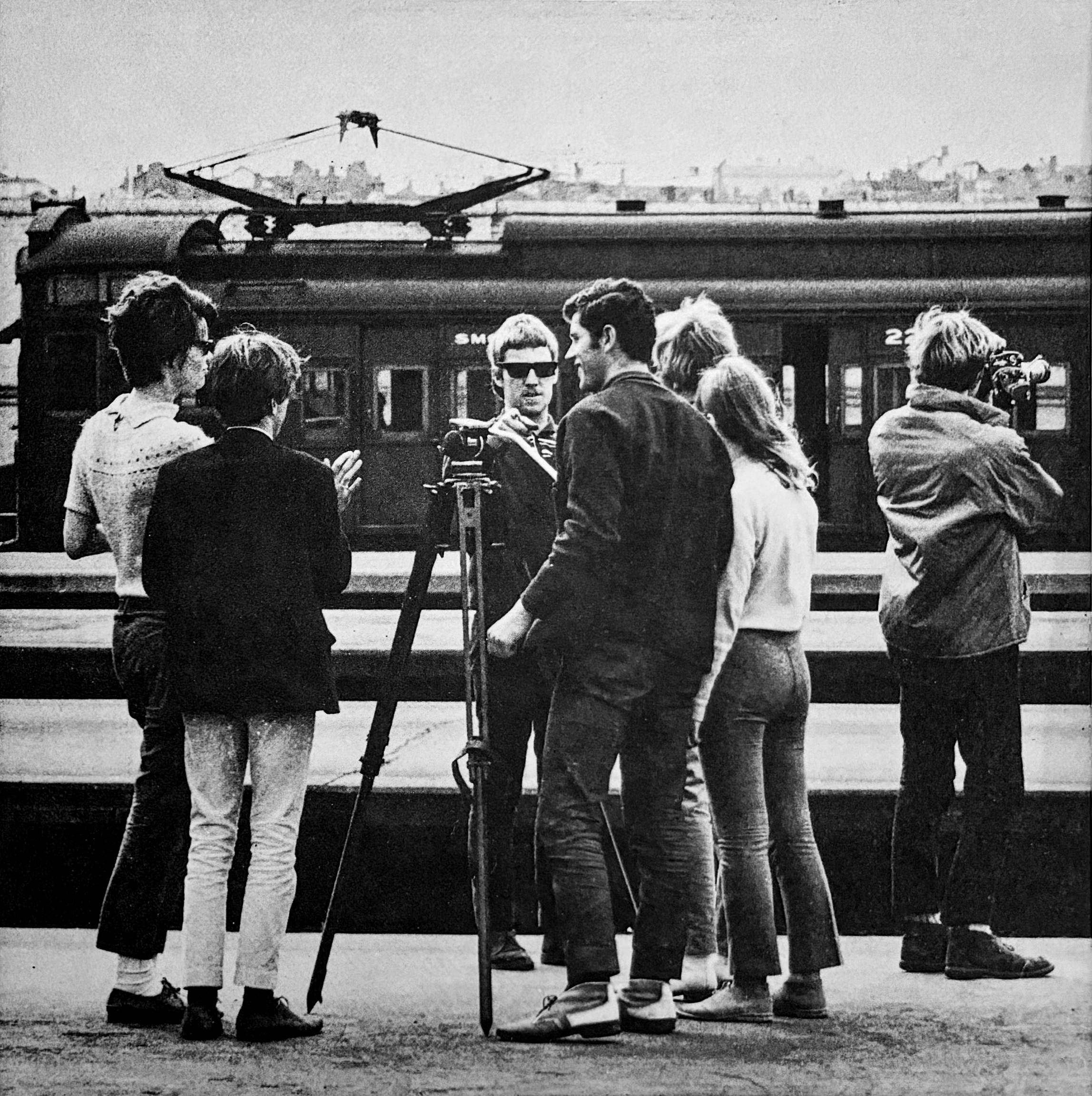
In his biography for the book Ian illustrated, Victoria with Love, he recalled;
“I spent two years [my italics] starting up [the photography] course at Prahran College of Advanced Education, but teaching isn’t practice: I wanted to get back to the trade.”
However, Paul Curtis in his 2013 A History of Professional Photography in Australia, has it that;
“In 1966 Ian began a four-year program designing and overseeing the construction of educational facilities and diploma photography course at Prahran College in Melbourne. He was department head for two years and the diploma course Ian introduced was later reclassified as a degree.”
Perhaps Curtis intends to say that Ian was the person who started the process, leaving before it was finished; or that it was a four-year program that he was designing, which became the Preliminary year and 3-year diploma?
Yet another version of events is given by John Cato in his 1986 brief history of photography at Prahran, in which he wrote that after the then Prahran Technical School, funded by the Education Department, moved into the newly completed building at the corner of High and Thomas streets, Prahran, a specific Department of Photography was set up to service the needs of the Graphic Design students, for which Ian McKenzie was appointed full-time, to be assisted by 0.5 appointment, Paul Cox who started in 1968:
“It was apparent at the outset that a larger department would soon be required and with McKenzie’s resignation at the beginning of 1969, Derrick Lee was appointed a full time staff member in March, followed by Gordon de Lisle as lecturer-in-charge in October. In 1969 the department had 22 students.”
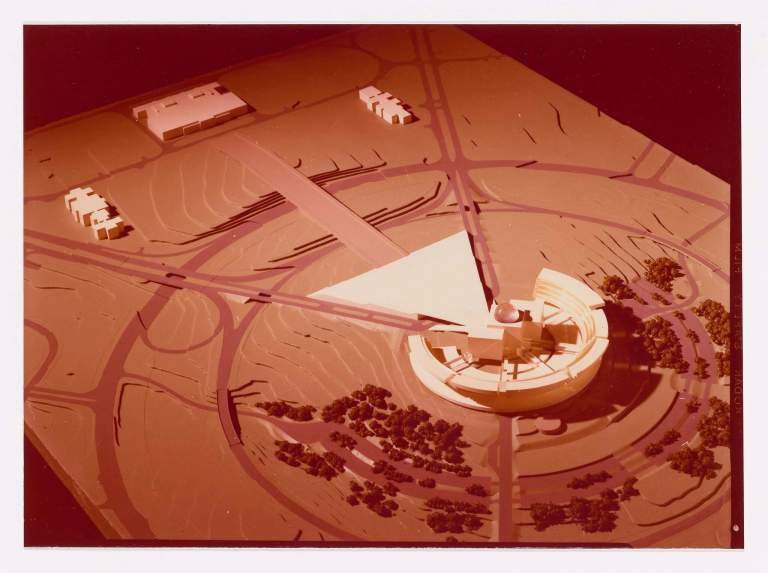
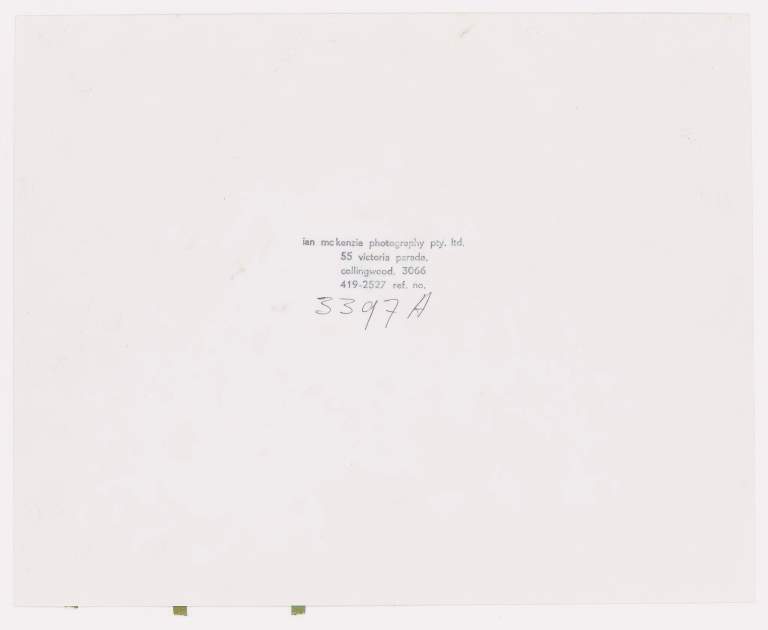
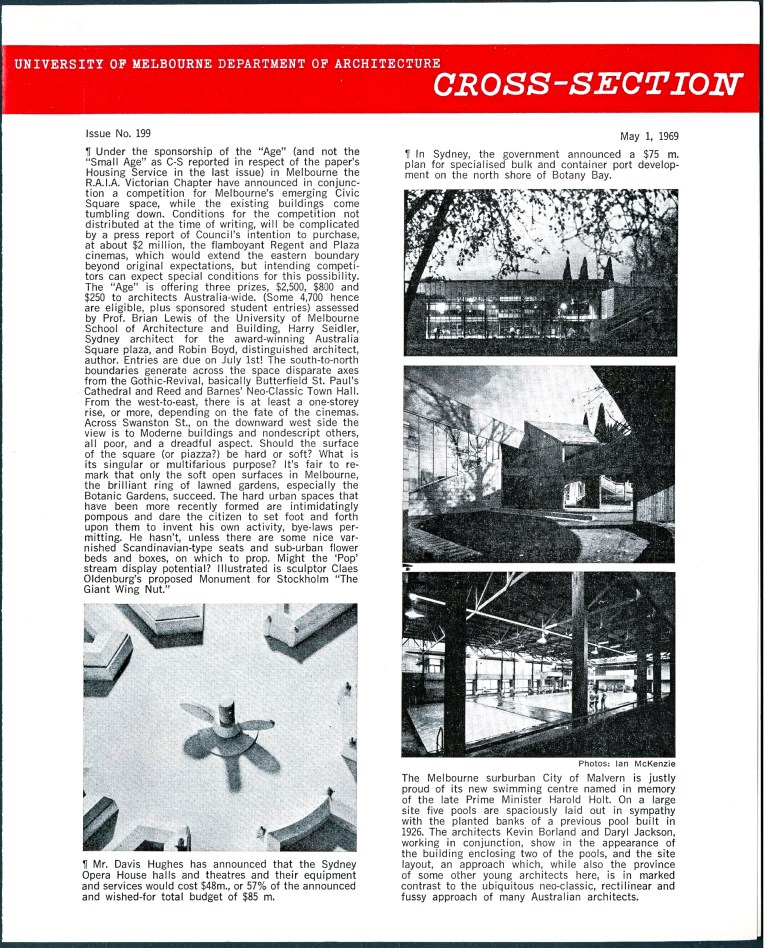
These accounts all agree that Ian had quit his position in early 1969. True to his word, Ian repaired to his studio in a shopfront at 55 Victoria Pde., Collingwood. When in 1968 the government announced a limited competition to establish an approach to the design of a national gallery in Canberra to be completed in the early 1970s, Ian photographed one of the competitor’s models (above). Also, in the University of Melbourne Department of Architecture’s newsletter Cross-Section of 1 May 1969, architectural photographs by him of the newly built Harold Holt Memorial Pool in Malvern appeared.
Important commissions followed, including this record of Roy Grounds’ model of the spire on the Victorian Arts Centre theatres in more practical mesh as a revision of his originally envisioned copper-clad tower, a cautious change prompted by the collapse of the West Gate Bridge in 1970 due to a structural design fault.
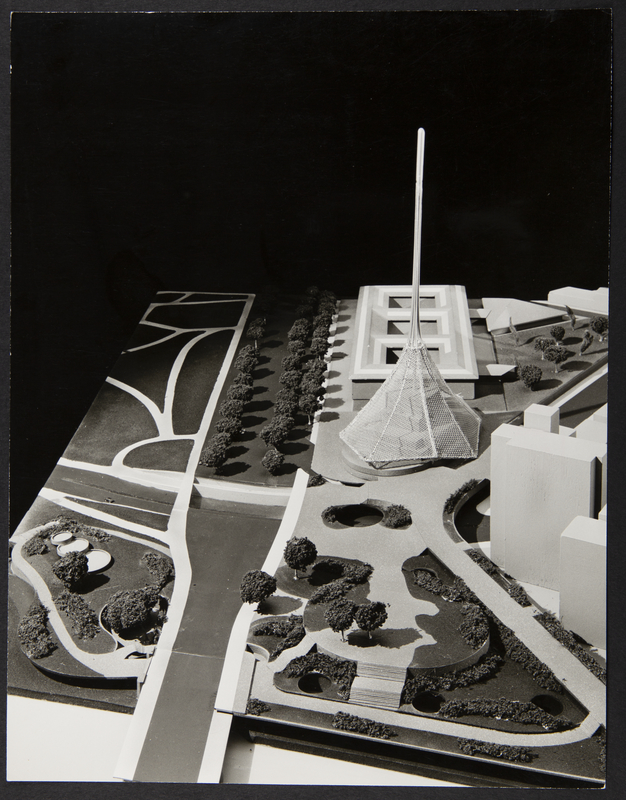
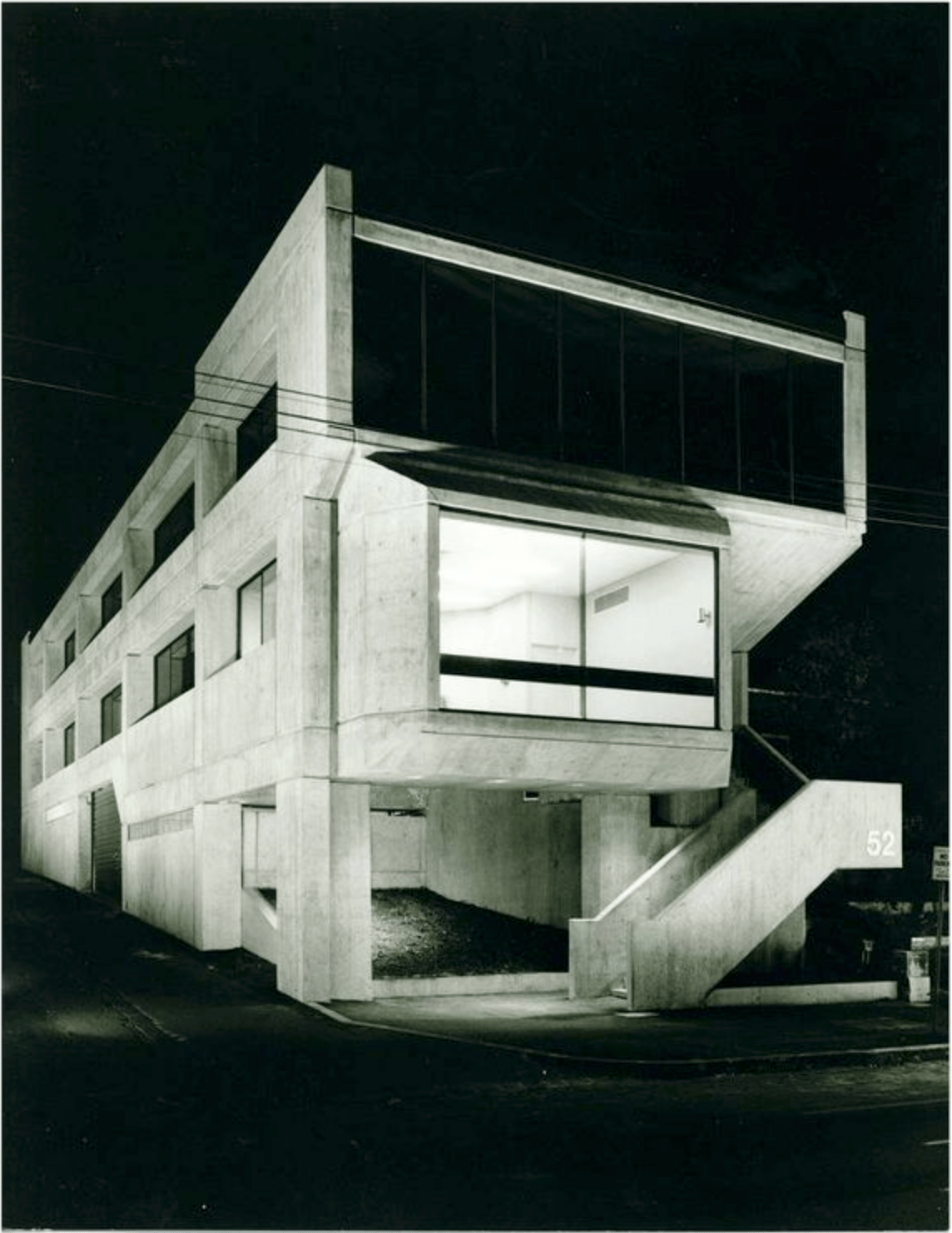
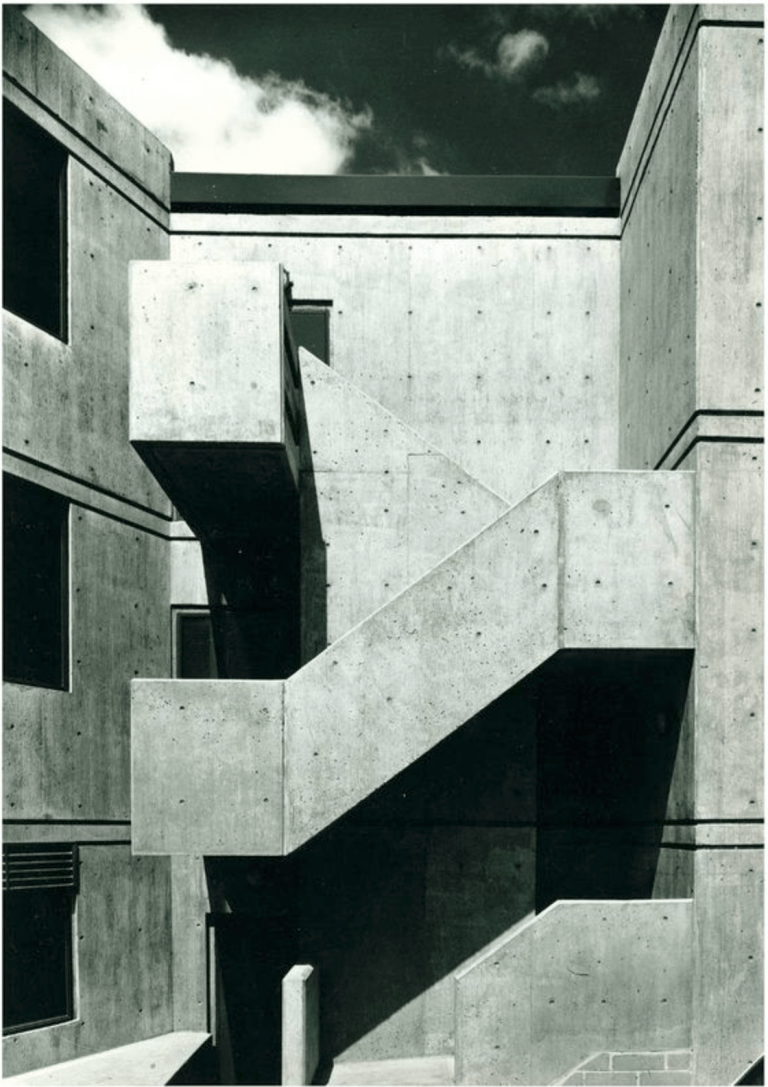
McKenzie conceals the rear edge of the model with a cast shadow, while the dead black background lends grandeur and vertical scale to the tapering spire. Photographing architect Graeme Gunn’s Brutalist Plumbers and Gasfitters Union Building that same year he chooses his moment when bright sunshine casts solid shadows that outline the angular concrete forms and bald surfaces of the exterior staircases.
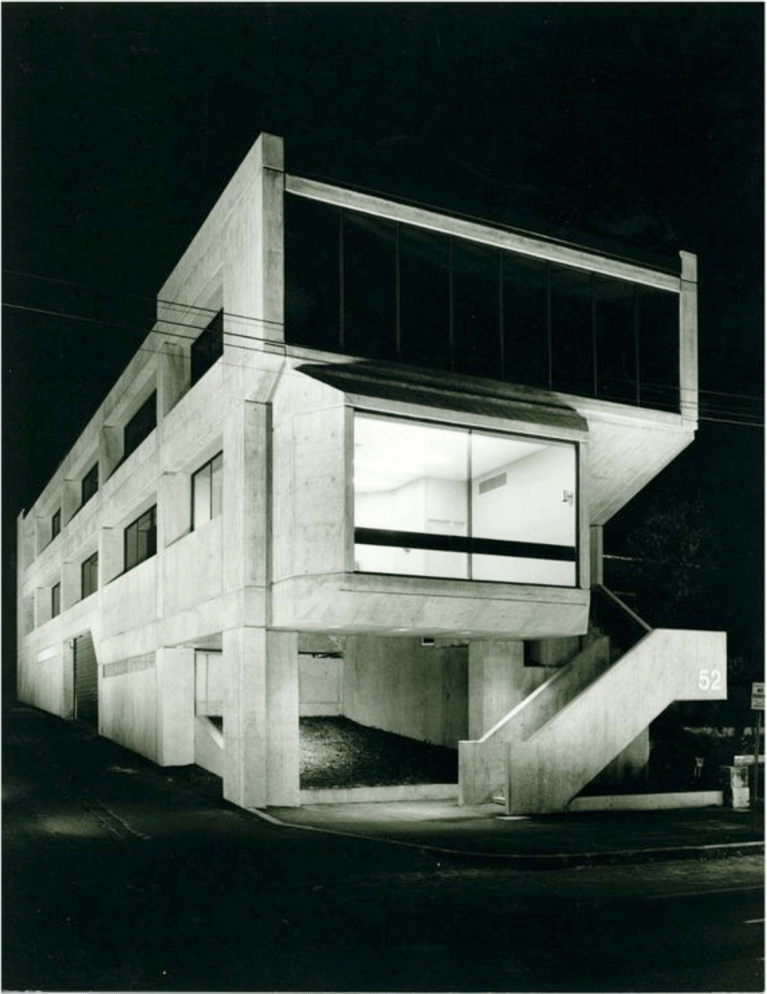
Shooting at night during an extended exposure time McKenzie painted the facade of the same building with a moving floodlight or a series of flashes, and illuminates its first floor interior so that it stands solitary, in a void, spectral, stark and sculptural.
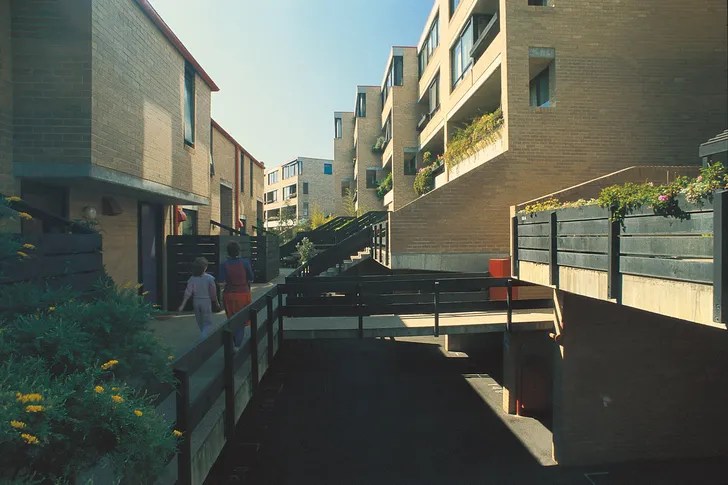
Shadow likewise plays a dramatic role in this view of a Habitat-inspired cutting-edge residential development, and also in this view of The Cancer Institute, William Street, Melbourne, which cuts a vivid geometric form into the blue sky rendered almost black by McKenzie’s selection of a red filter. Clinical brutalism is underscored by the silhouetted curlicues of a wrought-iron gate in the foreground, while the human dimension of the Institute is represented by the sole woman pedestrian.
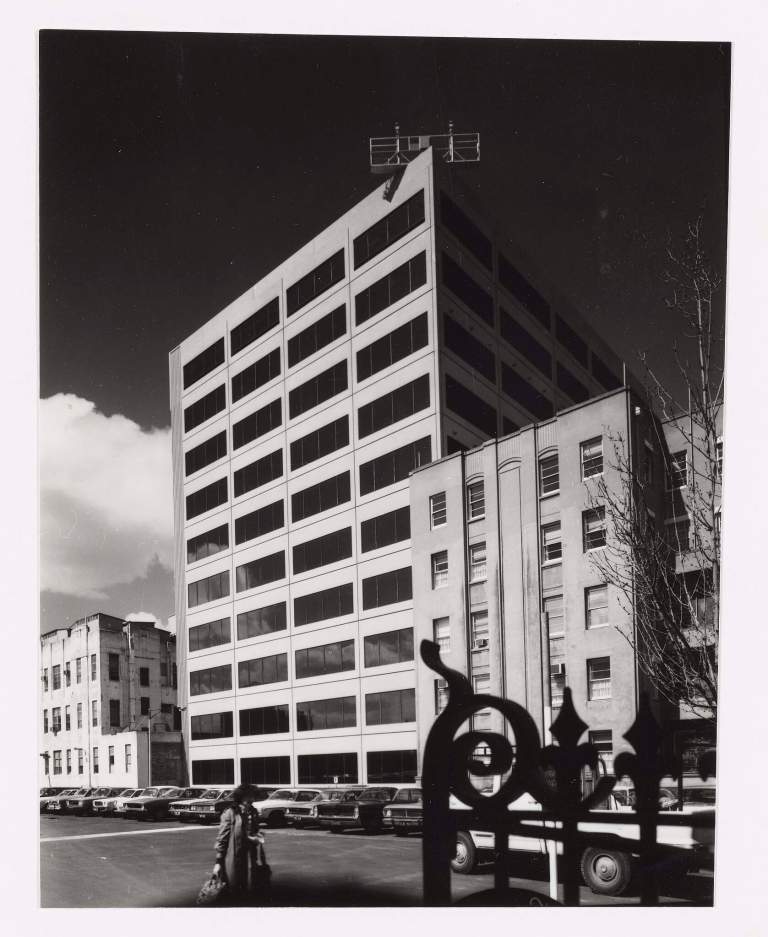
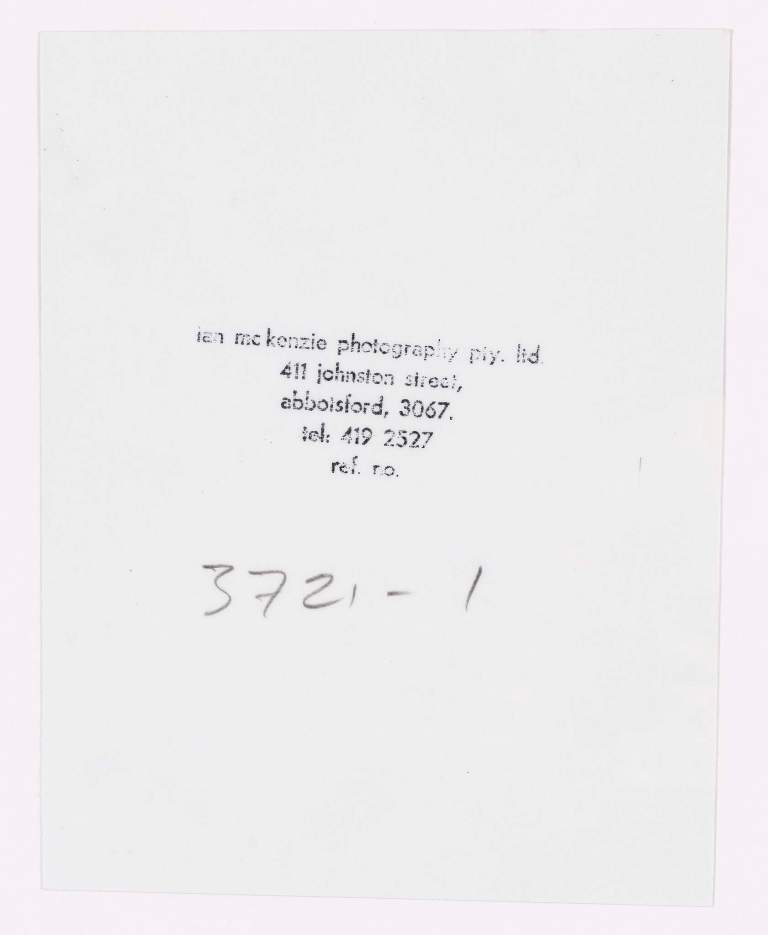
The reverse of the Cancer Institute print held in the archives of the University of Melbourne bears the stamp of his studio into which he had moved in 1973 at 411 Johnston Street Abbotsford, Melbourne, a 1930s Art Deco double-storey rendered brick apartment building with two downstairs shops. In 1980 Rob Gray joined Ian to form McKenzie Gray and Associates until 1987 when Robert followed the North Queensland tourism boom and based his business in Cairns.
Ian brought Sam Haskins then Monte Zucker to Australia as keynote speakers at the AIPP. This initiated a long association between Haskins and the Institute and years later he sponsored the South African photographer’s move from London to Don Bradman’s old home town of Bowral in New South Wales.
McKenzie also contributed to books on Australian photography, first in an undertaking with Attila Kiraly and Val Foreman to reissue Jack Cato’s 1955 pioneering history The Story of the Camera in Australia. He went on to publish the Contemporary Photographers Australia series of monographs on photographers David Moore., Athol Shmith, Lewis Morley, Wolfgang Sievers, Graham McCarter, Ian Dodd and Michael Coyne.
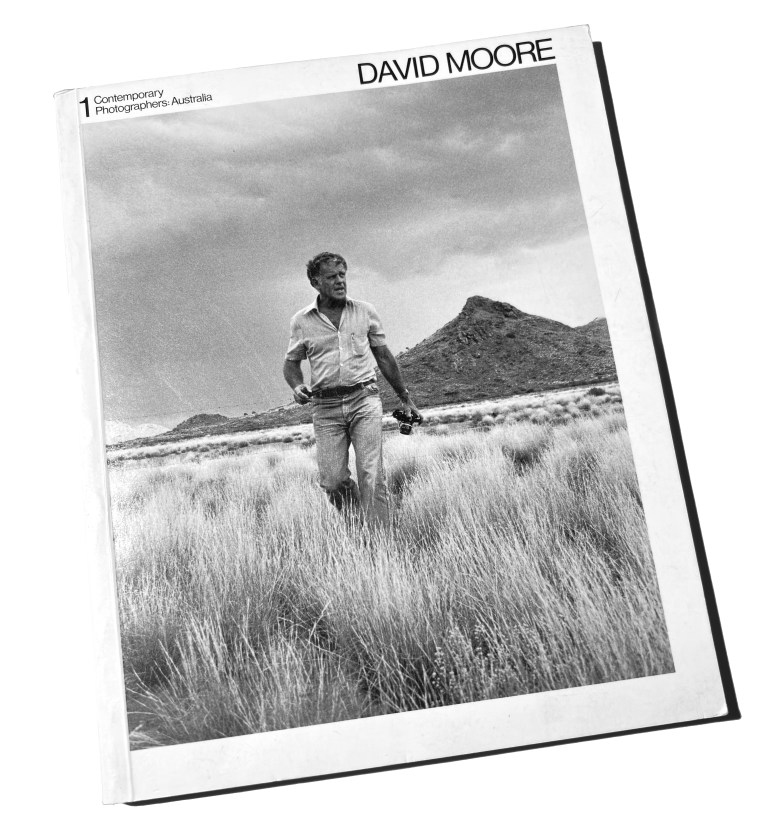
A few Prahran College alumni still living were taught photography by Ian McKenzie in the graphic design program and the Preliminary year. Had he stayed with the College might the course have taken a more technical direction instead of promoting the medium as an art-form?
[NOTE: These biographies are a work-in-progress for which primary research is preferred, but since not all the subjects are living or contactable, they may rely on a range of secondary or tertiary references. If you are the subject, please get in touch. We welcome corrections, suggestions, or additional pertinent information in the comment box below or by contacting us at links here]
 Prahran Photography
6 thoughts on “The Lecturers: Ian McKenzie”