Dr Susan Russell provides, in her recollections of her time at Prahran College, a vivid picture of the 1960s education in graphics and photography in the newly constructed Art and Design building on High Street.
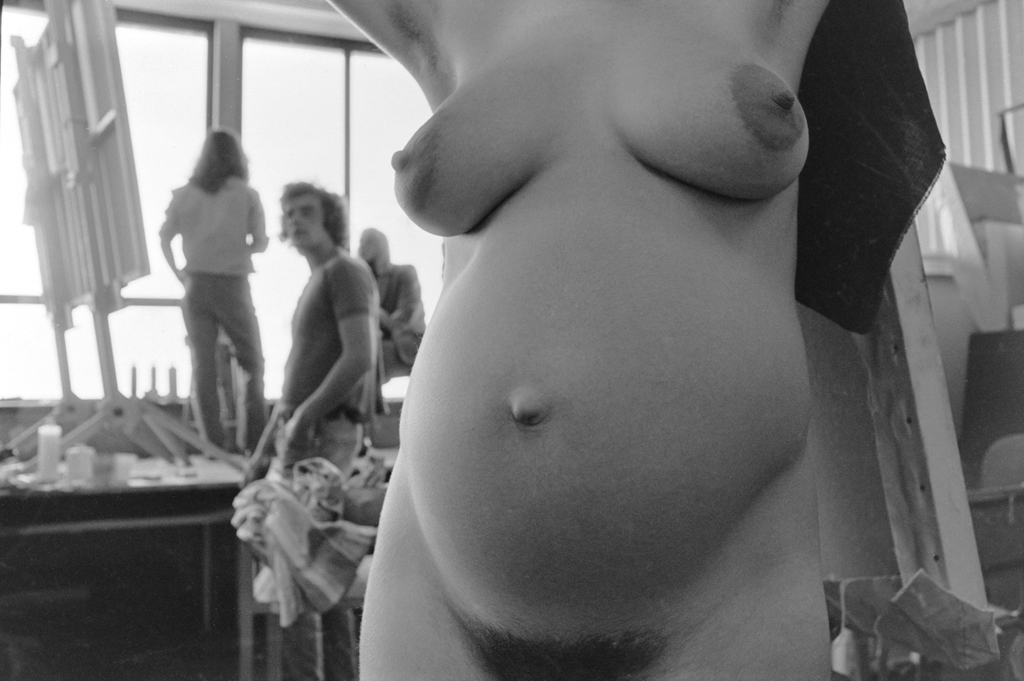
Art Class, Prahran College
In 1967, while working as a bookseller in Melbourne’s (then) thriving book trade, I took evening life-drawing classes at the National Gallery of Victoria, which in those days occupied premises with the Melbourne Museum and the State Library. One entered from Russell Street, clattering down the circular iron staircase into the basement where the classes were held – at one point, memorably, by Peter Booth who, against prevailing regulations permitted one male model to pose completely nude (sexism reigned – female models didn’t have to wear knickers). It was certainly a revelation to me, never having seen a naked man except in classical sculptures. Fired by a desire to become an artist I applied, unsuccessfully, for a full-time place at the National Gallery Art School, but was taken on at Prahran in 1968 with a folio of life drawings and an interview of which I remember nothing.
At Prahran, the number of so-called ‘mature-age’ students (I was 20) – those who had matriculated from high school (like me, who had a NSW Leaving Certificate), or had higher qualifications (like Hugh Colman, who had a BA Hons from Melbourne University) – were consigned to one term of a general design unit, at the end of which the various departments pitched their offerings so we could construct a personalized course, consisting of a major subject and a couple of minors. I anticipated taking Painting as my major. It was, however, the age when the plaster copies of classical statuary were being thrown out of art schools around the world and subjects depicted in oils were abandoned in favour of masking tape, acrylic paint, abstraction and free expression. This did not sit well with my old-fashioned ideas about style, technique and nature as the model. I was completely disillusioned when Alun Leach-Jones, who was head of Painting, prefaced his spiel to prospective students by saying: “Don’t come to me if you want to learn how to paint”!
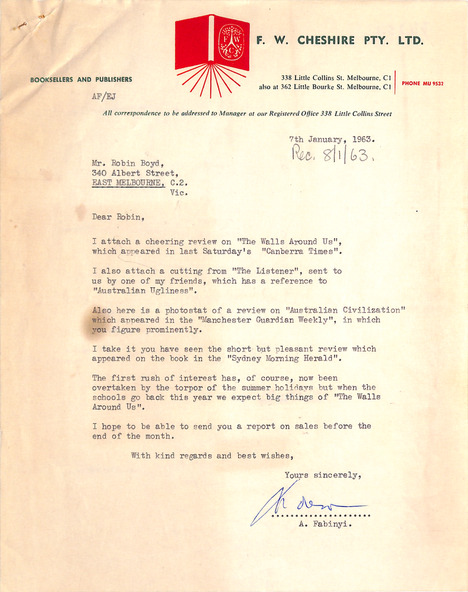
I should not have been surprised, I knew Leach-Jones from working with him at Cheshire’s, the bookshop and publisher in Little Collins Street, where I was an assistant to Ross Reading, the Library Order traveller, who went on to establish the now well-known Reading’s in Carlton. Alun worked as a sales assistant at Cheshire’s and was easily the rudest employee on the front counter, preferring to discuss art and philosophy with other intellectually inclined members of staff than engaging with customers. One memorable conversation I overheard consisted of his picking up the phone and barking “Yes?” then, after a brief pause “No!” before abruptly hanging up. His daunting brief about what not to expect in Painting caused me to run away and sign up for a major in Graphics, which I thought may at least result in employment. That was not to be the case, but to this day I know how to sharpen a pencil properly, courtesy of Max Ripper.
Help on the ground was more forthcoming in Graphics with other design staff I recall – Winston Thomas, Bob Prior and Tony Ward – but the overweening idea of untrammeled creativity was in the air even there. Struggling with representing a Coca Cola bottle for an exercise in Rendering, I was amazed when Bob Prior (who had been a silhouette artist for Disney – I was wildly impressed) approached my desk and seeing the mess I was making, began to explain how to go about it. I looked up at him in complete amazement, whereupon he backed away, saying: “But I don’t want to tell you what to do.” “Please, please, tell me what to do!” I pleaded and learnt a great deal more about the application of colour in the following discussion than I was ever going to on my own, unfettered by constricting rules.
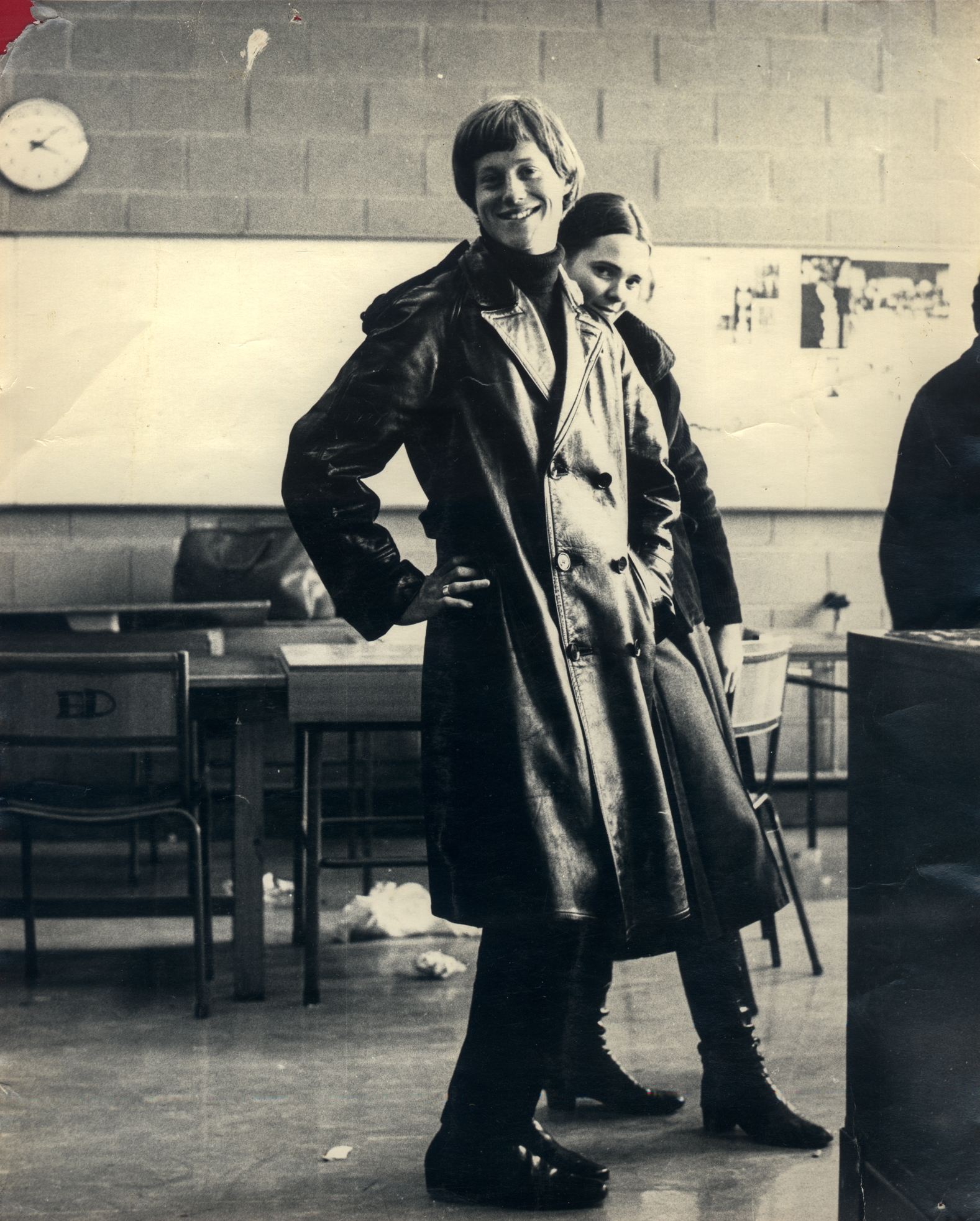
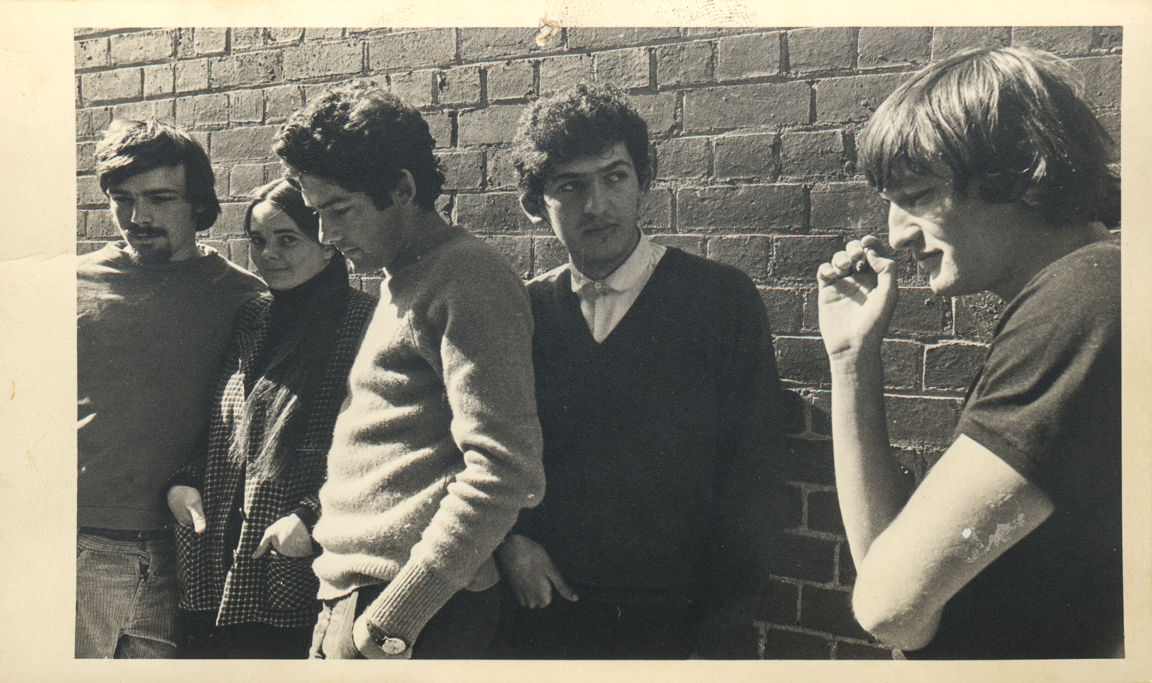
The Graphics studio was a place of occasionally dedicated work, punctuated by bursts of hilarity, where photographs were both taken and posed for, with a lively group of students including Mimmo Cozzolino and Con Aslanis, creators of the 1970s design studio All Australian Graphics, which eventually expanded to become All Australian Graffiti with others in our year – Izy Marmur and Geoff Cook – as well as our erstwhile lecturer, Tony Ward. Members of the Graphics class also initiated a Tech newspaper, called Thigh, (daringly, no capital letters were employed for the text – had we heard of e.e. cummings?). The editorial members of the first edition comprised Tibor “Tib” Balloch (Editor), Domenico “Mimmo” Cozzolino (Art Director) Robert Reid (Layout & Advertising), Stewart Gluth (Chairman) and myself, (Secretary – I could type!). Trevor Flett, talented illustrator, designed the cover of the first edition. In it, a film society was proposed by Peter Bowes, another Graphics student, with a $1 subscription fee, an indication of how important the medium was becoming for critical consideration, apart from pure entertainment.
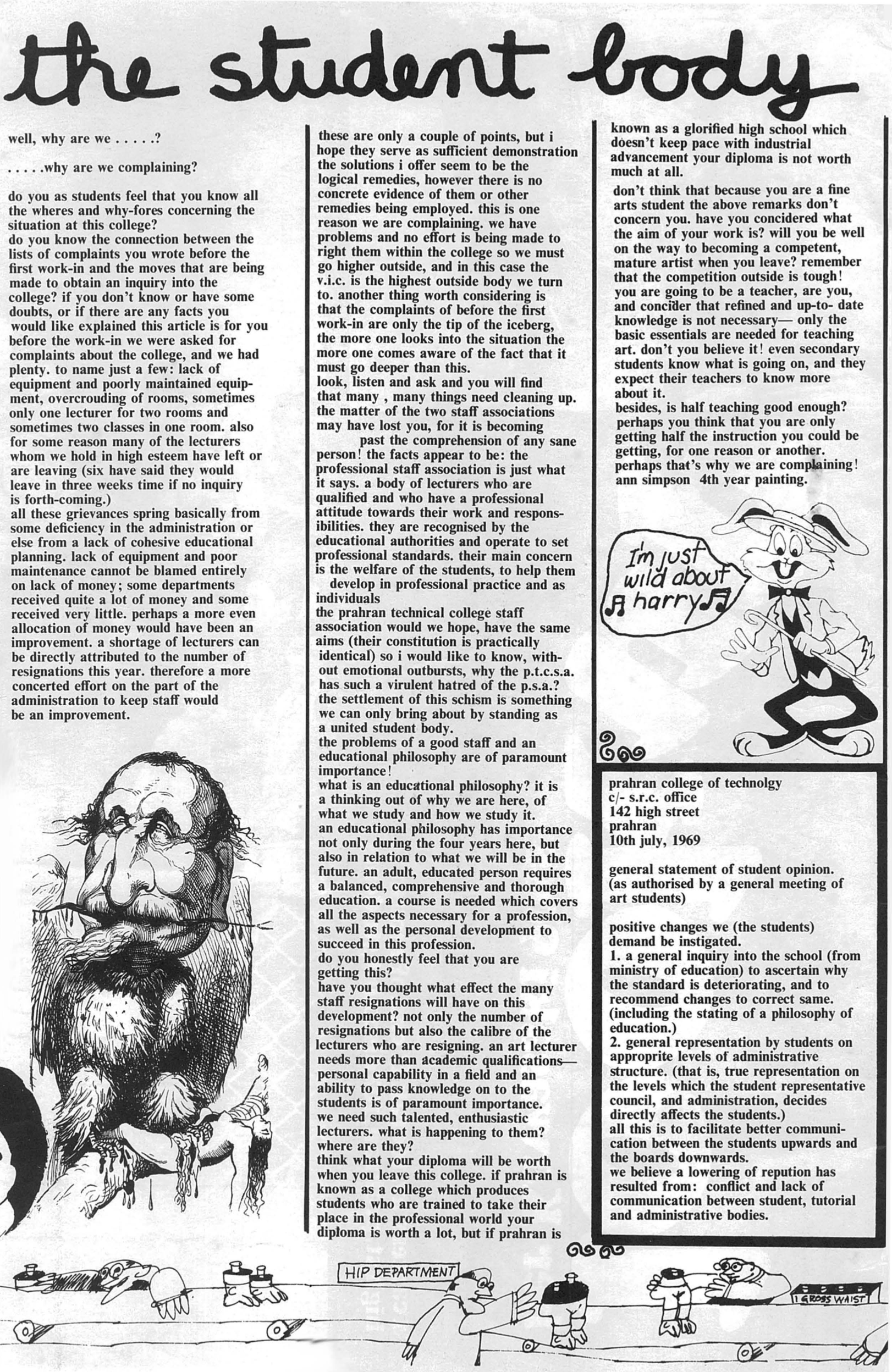
Thigh was an important organ of the student voice, at the time raised loudly with criticisms of Prahran’s administration over issues of curriculum content, access to spaces and services and the status of members of staff. Typical of rebellious ‘60s youth, we complained in print and in person – not marching with placards, but staging ‘sit-ins’ or ‘work-ins’, occupying the building overnight, continuing to pursue our tasks throughout – a protest, but in a positive, productive way, although I’m not sure just how much work got done. Several editions of Thigh document the prevailing grievances.
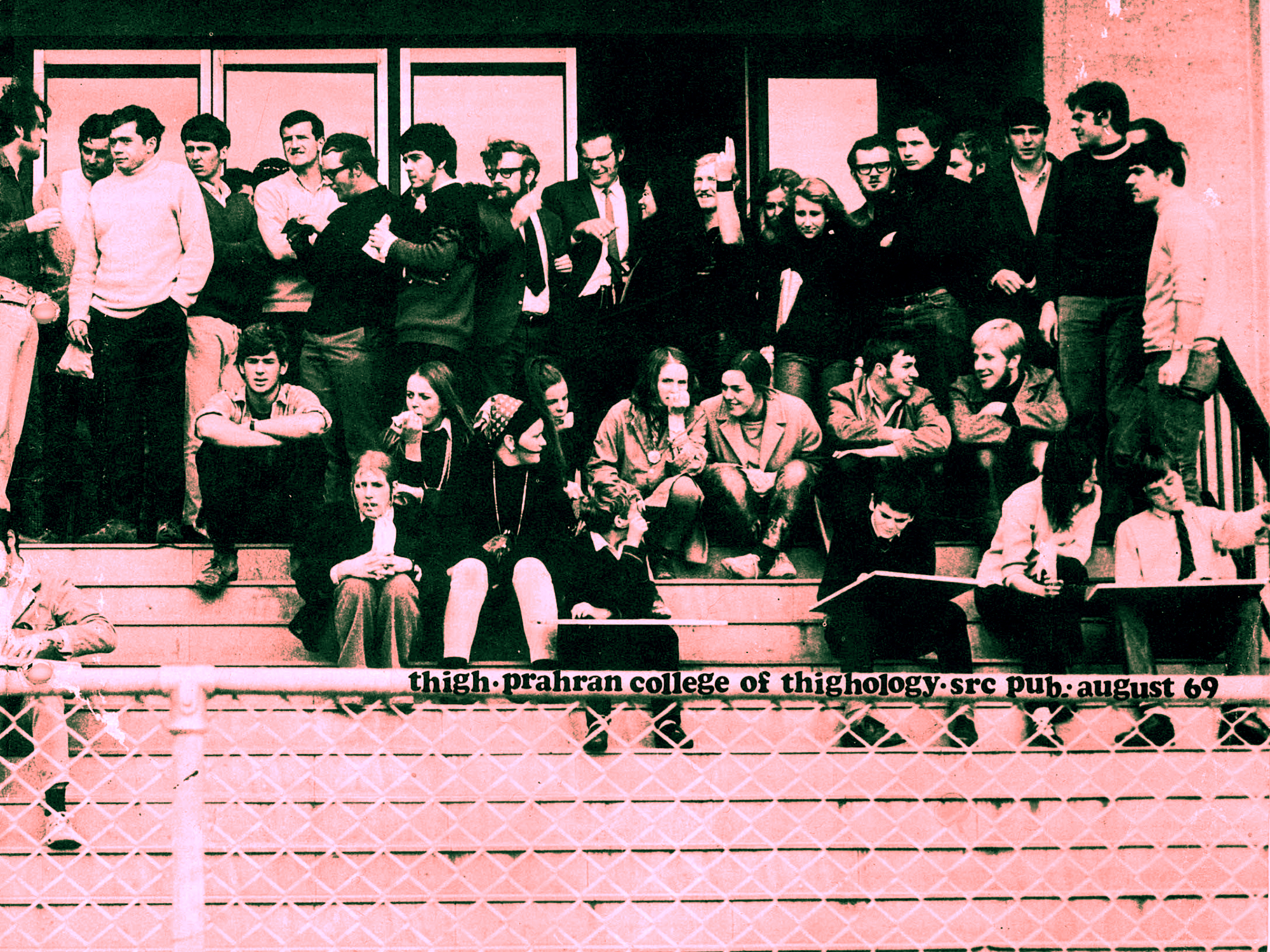
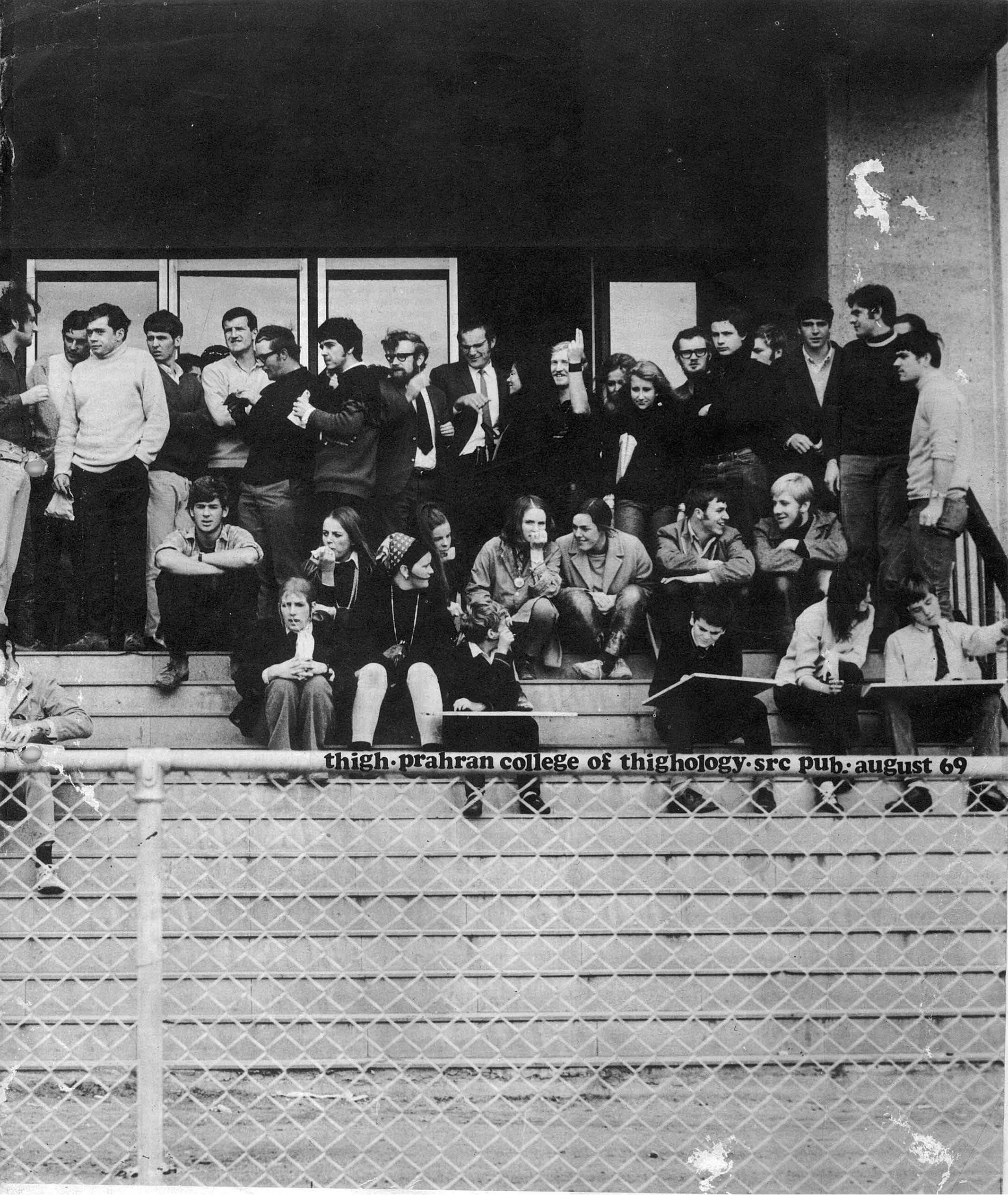
On the cover of the second edition, this solidarity is manifested in a photograph of students from all disciplines standing on the front steps to the entrance of the ‘new’ building (constructed in 1966/67) which, a comparatively brief 50 years’ later, no longer exists.
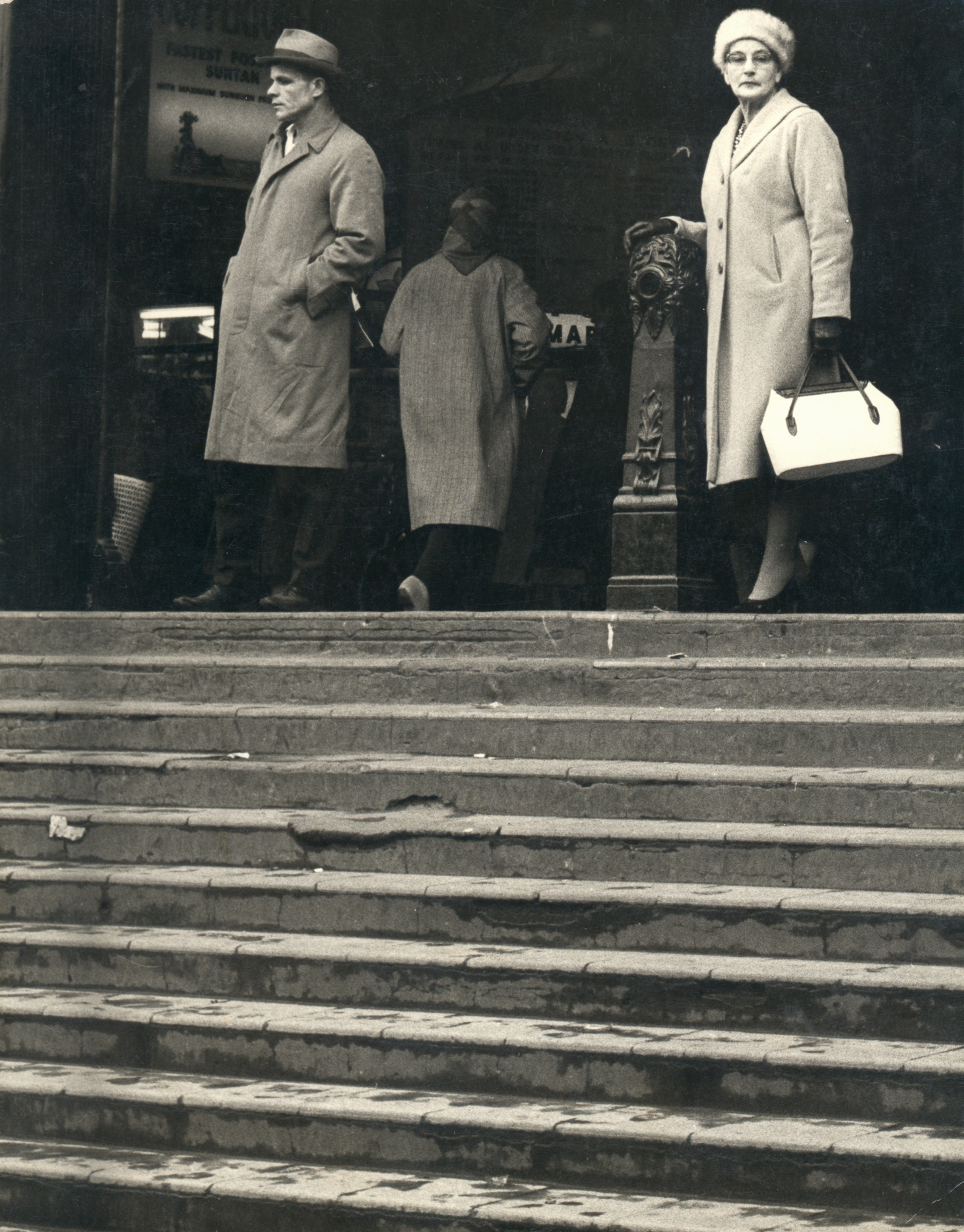
Apart from more manual aspects of creating advertising art, photography was an important component for producing imagery for the Graphics course. My first camera was a box Brownie, a tenth birthday present, which took many photos of varying quality over the years. My first photograph shows my friend Ruth Crooks shading her face from the sun, that same sun throwing my shadow onto the foreground. I’ve got better since then and have never been without a camera, adopting each popular fad as it came along. But the first grownup one was a Pentax Spotmatic that I acquired for the course at Prahran, where I took photography as a minor. I’m afraid I mostly worked out how to use it via trial and error, as I remember no formal classes in the subject, just assignments we were expected to complete in our own time. I never really learnt how to develop or print film properly, as the dark room was always occupied by Photography majors – those of us taking it as a minor were made to feel complete pests, occupying valuable space and resources, so my film was usually pocketed and developed at some point by an impatient major, like David Porter (“Dwort”).
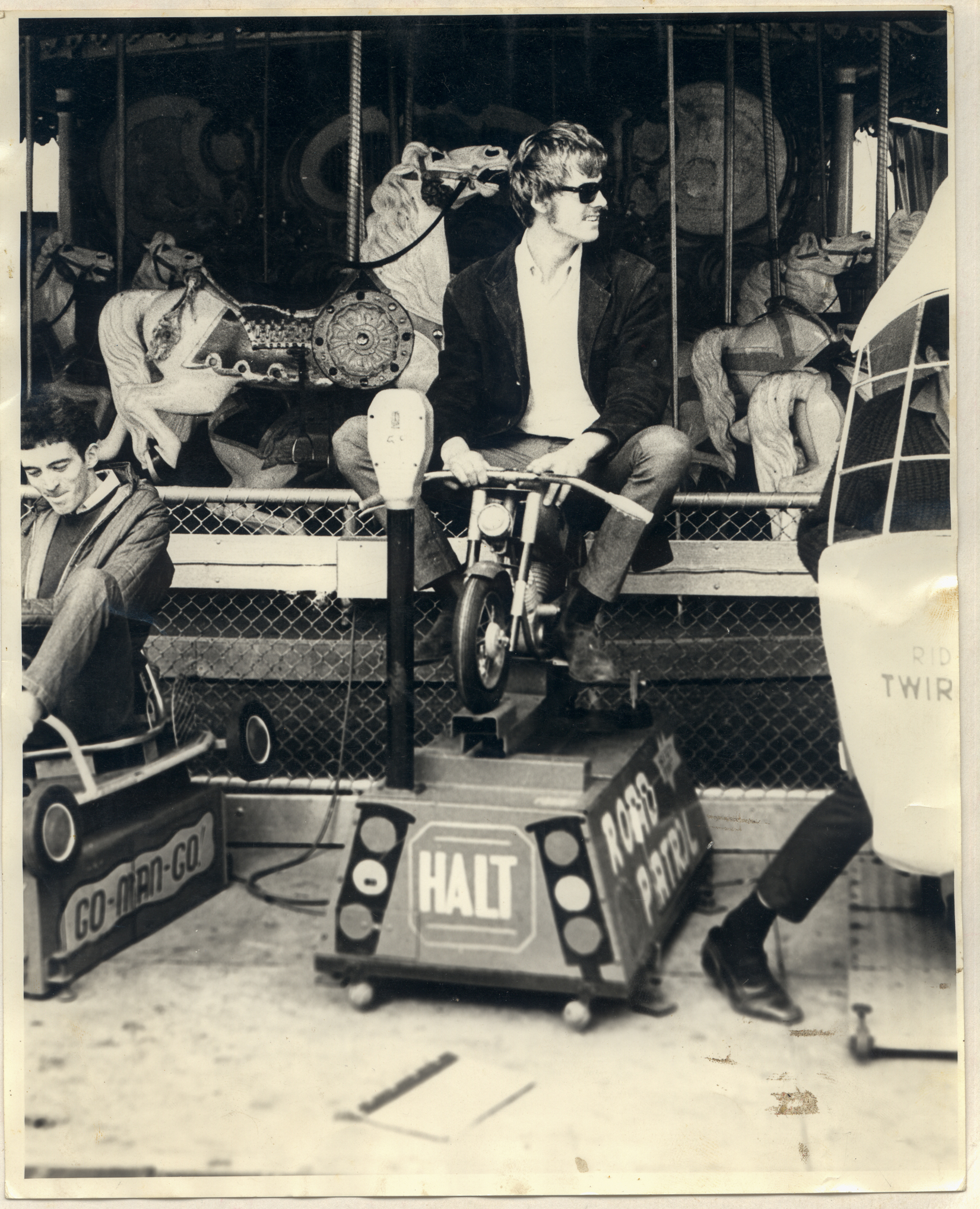
Nevertheless, I have fond memories of taking photographs at Luna Park and other places not too far from Prahran, as well as in Melbourne itself.
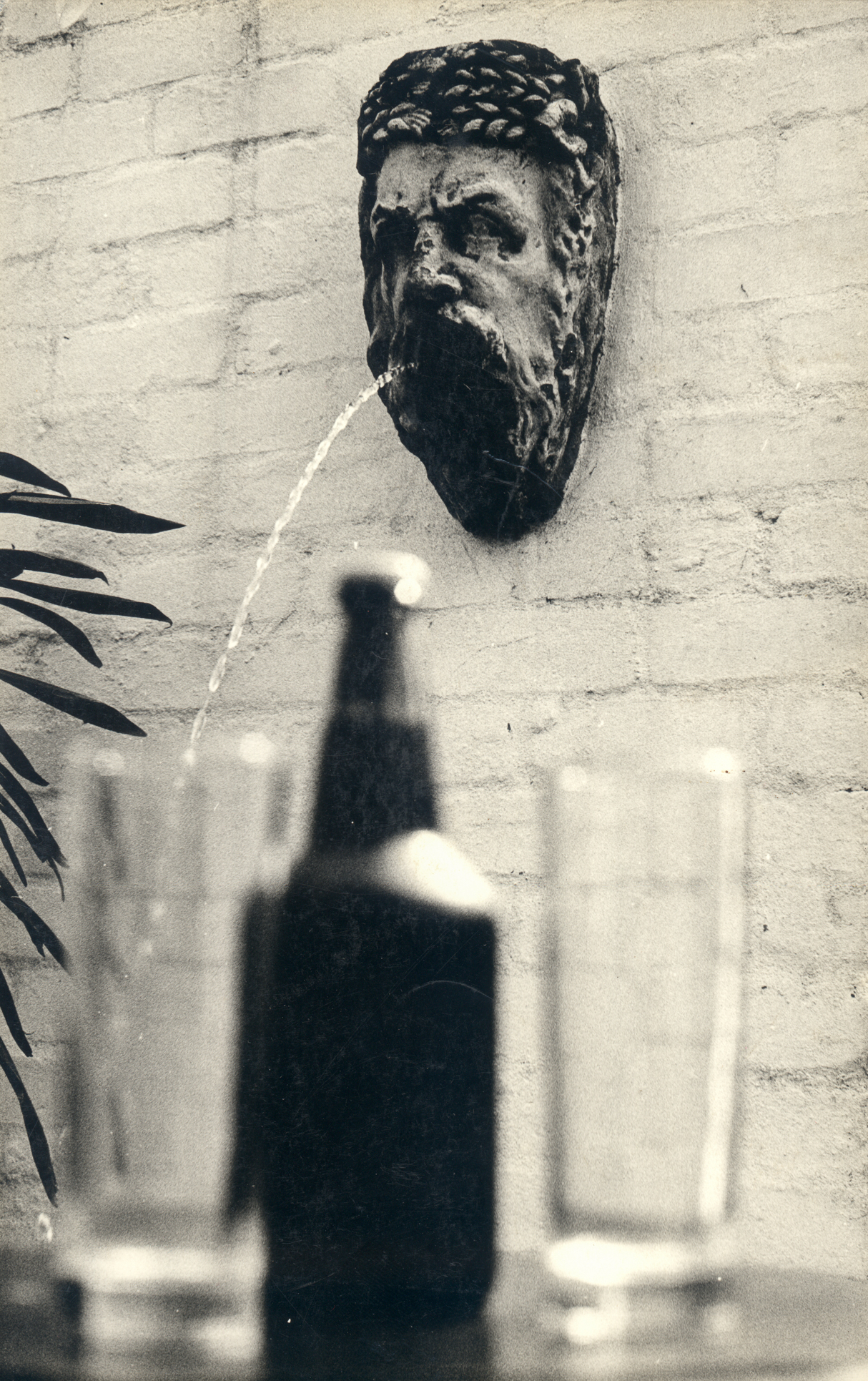
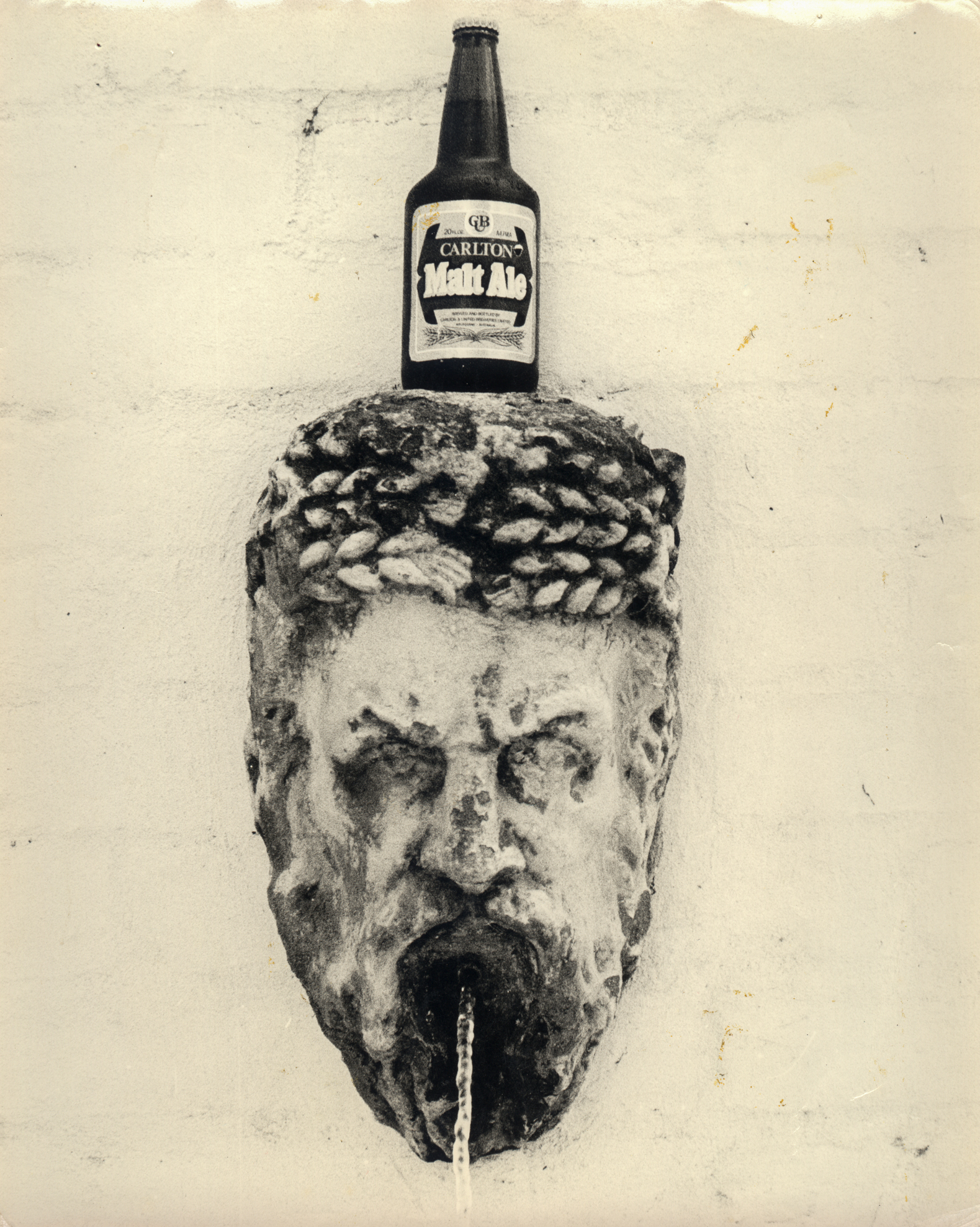
One of these assignments was spent with Peter Bowes and Con Aslanis photographing a bottle of beer for a Graphics exercise in the garden of Hugh Colman’s South Yarra flat, where a classical fountain head inspired my compositions
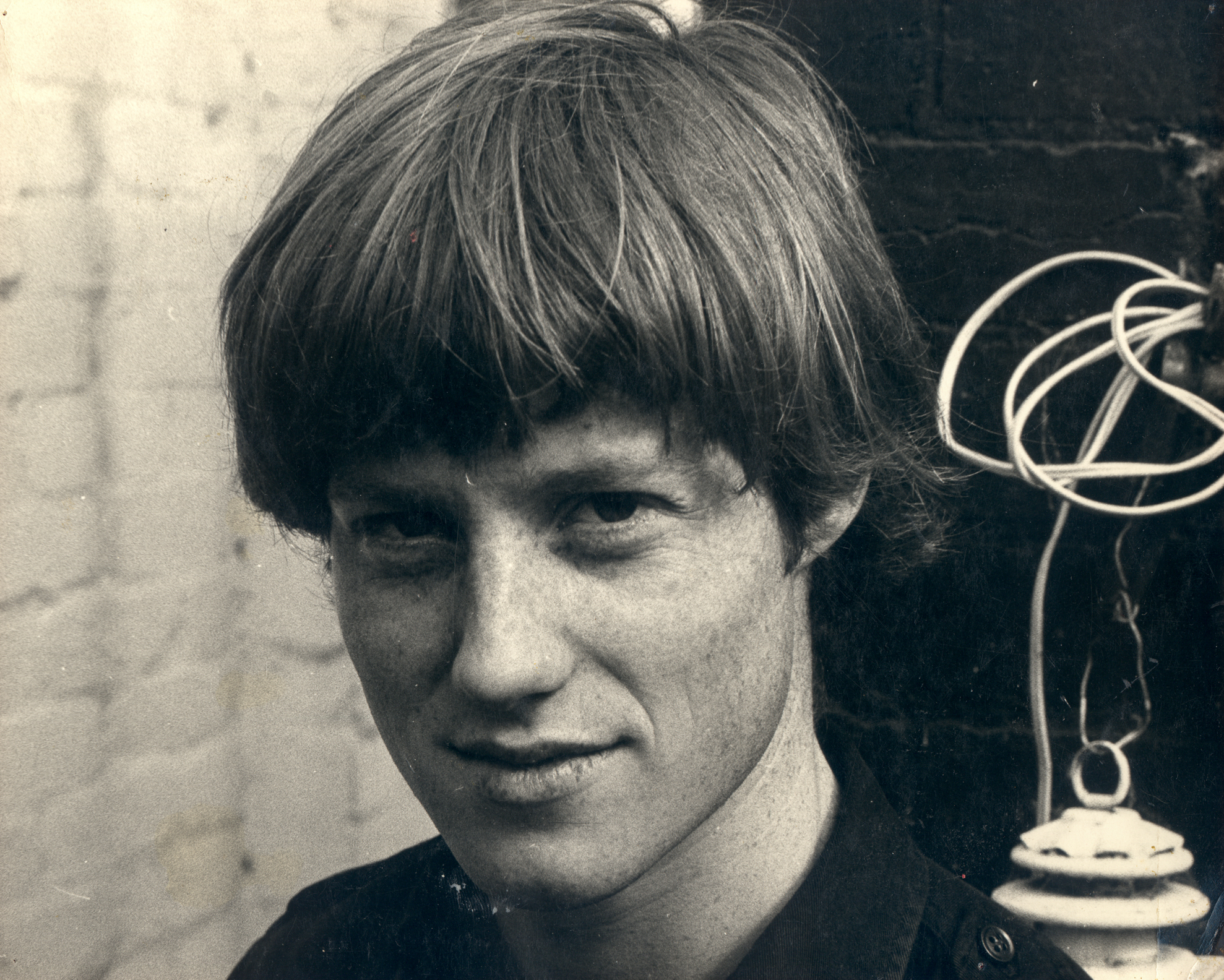
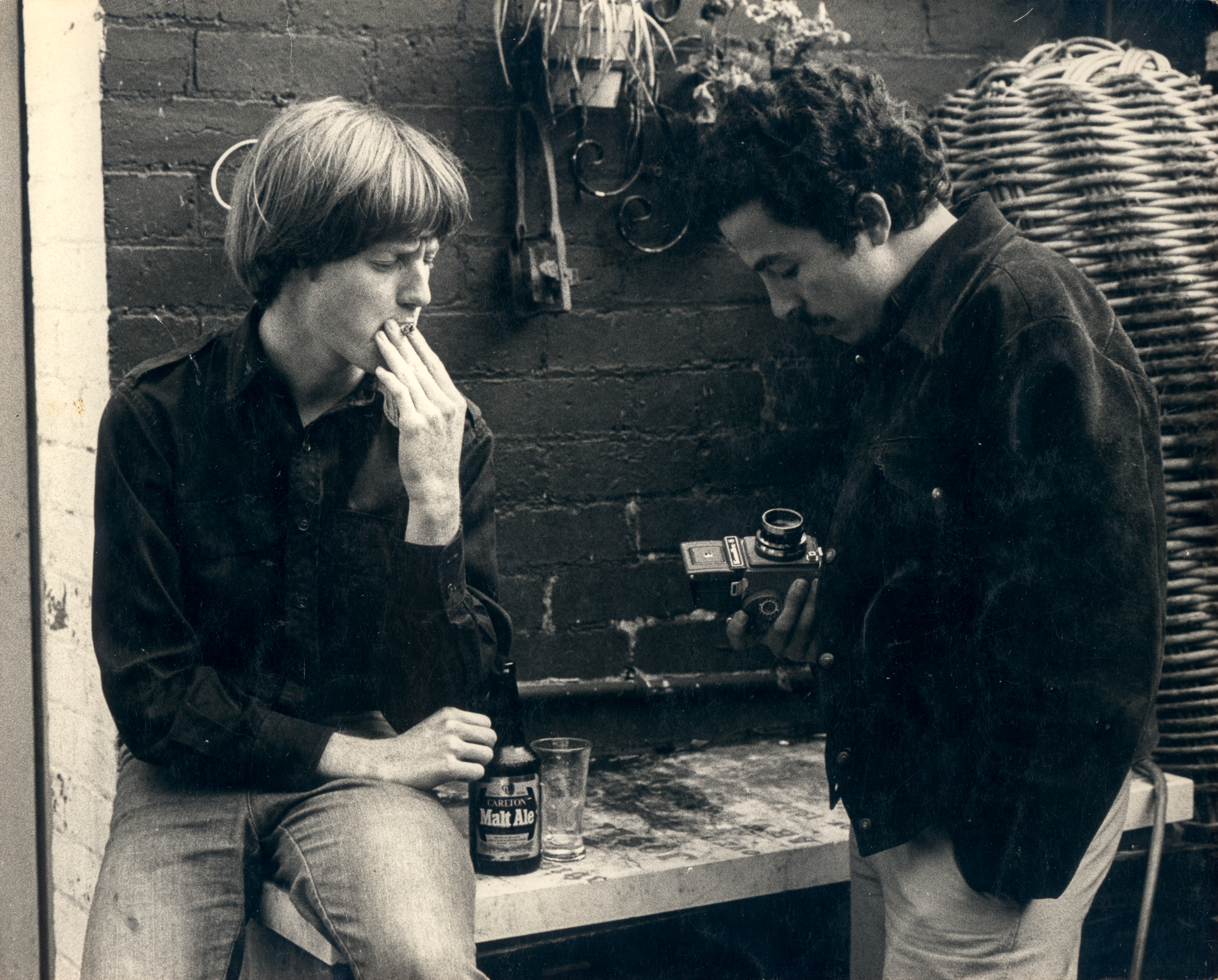
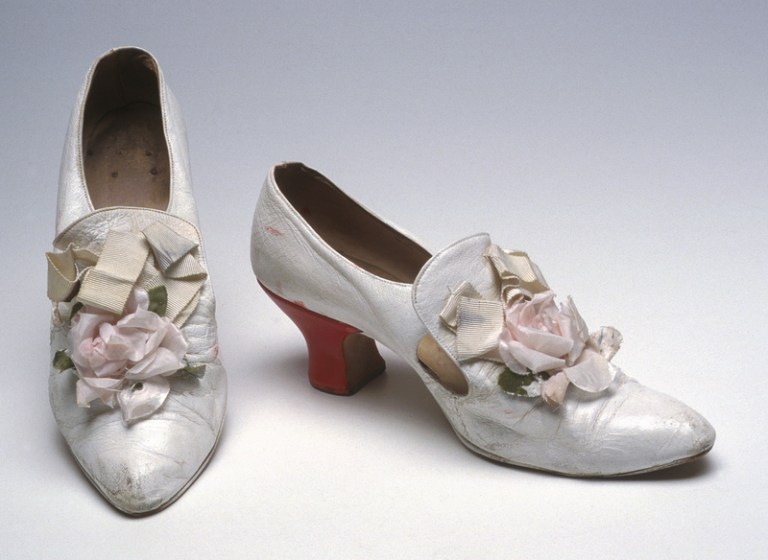
Hugh majored in Painting, but had gone to Prahran mainly to study scenic design with Alan Money, whose classes in perspective I reluctantly attended as part of my own course, and who ran a small theatre out of a terrace house in Grattan St, Carlton. Hugh, a lifelong friend, has made a successful and distinguished career as a designer of scenery and costumes for major arts companies in Australia, including the Melbourne Theatre Company and The Australian Ballet, to name only two of many. It was a recommendation from Hugh that got me the job of dyeing fabrics, painting costumes and making properties for the Australian Ballet’s 1972 production of Cinderella, designed by Kristian Fredrikson and constructed at the Melbourne Theatre Company workshops.
I then turned my hand to theatre design, the recipient of a Victorian State Government traineeship, bestowed randomly by the MTC’s Production Manager while I was working on a casual basis painting shoes for a production and wondering where my next job was coming from. After four years at MTC I went on to enjoy a very happy decade designing scenery and costumes as both freelance and resident designer for many of Australia’s state theatre companies, some of my designs for which are held in Australian performing arts collections.
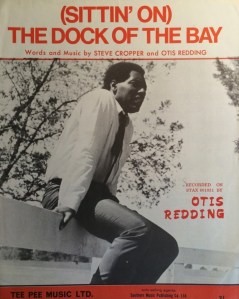 Prahran itself was a new suburb for me. My own experience of Melbourne was recent – I had relocated from NSW in 1966 and was mostly familiar with the city itself and the inner suburbs, especially Fitzroy, where I lived when I first started at Prahran Tech. I eventually moved to Hawksburn, sharing a flat with friends, a convenient walk to the Tech and to my new part-time evening job cleaning chicken spits at La Croquette, a takeaway food place in Toorak Road, South Yarra (I wasn’t very good at that, but there were the occasional perks in leftover food, like their fabulous potato salad). Enjoying a pub lunch in Prahran was also a new experience, if not necessarily a healthy one – pie and peas being the regular offering at the Station Hotel, and the amount of beer consumed with this delicacy meant that classes were often more sporadically attended in the afternoon. The Duke of Wellington on the corner of Chapel and High Streets was also a regular watering hole and I have happy memories of the Greek café further down Chapel St, which made the most delicious custard tarts. Before being developed as Pran Central, the old Read’s Department Store, on the corner of Commercial Road and Chapel Street, was also a place to linger. On one visit there with Hugh we won a 45 rpm record of Otis Reding singing ‘Sittin’ on Dock of the Bay’, although under what circumstances I no longer recall.
The curriculum at Prahran included, fortunately, traditional art practices like life-drawing classes that endured side-by-side with more contemporary approaches. These were enjoyable, informative and satisfying, particularly as taught by the wonderful Pam Hallandal, a superb practitioner of works on paper. But my favorite subject was printmaking, with Fred Valis and Tay Kok Wee – no nonsense about not teaching technical skills there. Under these two communicative teachers I enthusiastically produced linocuts, woodcuts, lithographs and etchings. One work still adorns my wall, a woodcut that had achieved approbation from Valis: “Good, girl, do more like this”. I also managed to complete a piece for my minor in Sculpture although, like Painting, the course was mostly without benefit of instruction. I created an abstract, comma-shaped work laboriously modelled in plywood, with hot water and clamps, over many weeks alone and unsupervised, my Friday afternoon class not the most popular time for sculpture lecturer Clive Murray White.
The best marks I received were for written components of the curriculum that included psychology, sociology and history, none of which seemed to have a particular connection or relevance to our practical subjects (a cause for complaint in Thigh). The first essay I remember being obliged to submit was on Durkheim’s theories of suicide, the significance of which still escapes me, unless it was a coded warning about the possible consequences of the artist’s life. Nevertheless, my good marks should have made me realize my talents lay predominantly with writing, and indeed many years later I emerged – commencing university as a more truly mature-age student at the age of thirty-six – with a Master of Arts at La Trobe and a PhD at Melbourne in seventeenth-century Italian art, at both of which I taught Art History and, briefly, at Monash.
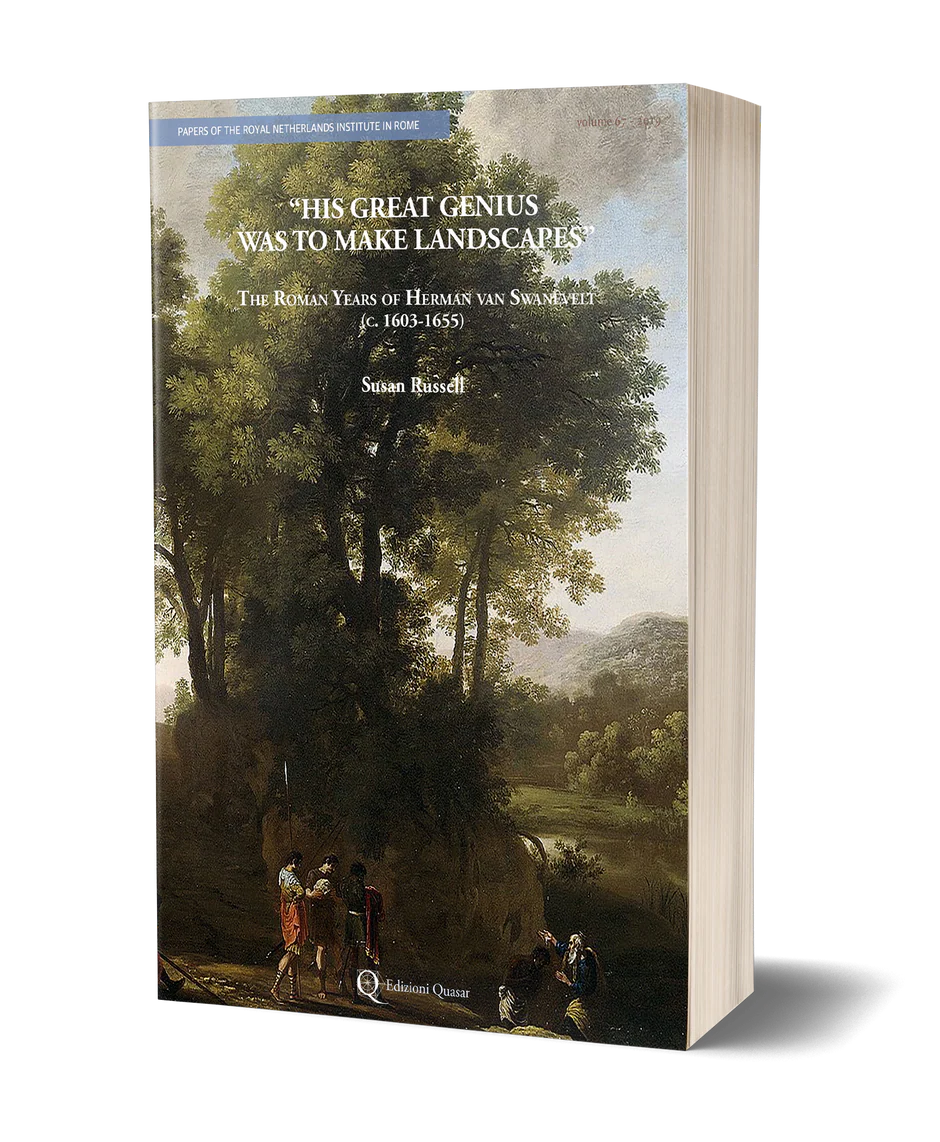
I’ve published many articles and essays in international art history journals and volumes of collected essays, as well as catalogue entries for exhibitions and a book on a Dutch landscape artist who worked in Rome and Paris, Herman van Swanevelt (c. 1603-1655). There is a painting by him in the National Gallery of Victoria called Thunderstorm (1649), for which, having examined it during a very pleasant afternoon tea at the dealer’s private residence in London, I wrote an appreciation, after which the Gallery acquired it in 2005. My interest in the NGV collection was of long standing, and one of the better shots I managed with my Pentax at Prahran was of Frank Gallo’s 1966 epoxy resin Standing nude.
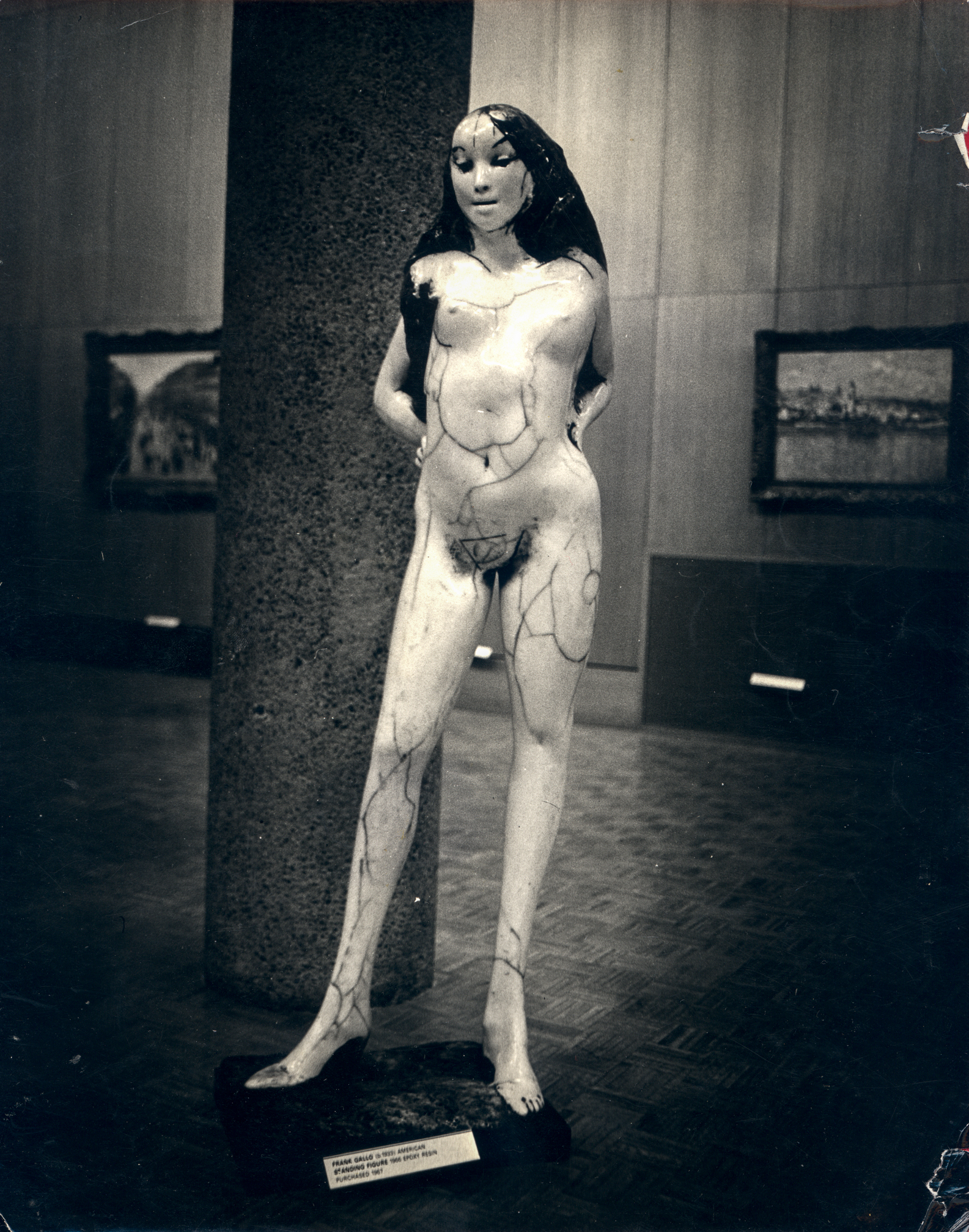
I was, however, less a photographer than a popular model while at Tech. Mimmo took some memorable shots of me dancing in the Graphics studio, as well as recording moments from a film we made in Paul Cox’s studio in Punt Road – the circumstances of which I have almost entirely forgotten. David Syme photographed me in and around the college grounds.
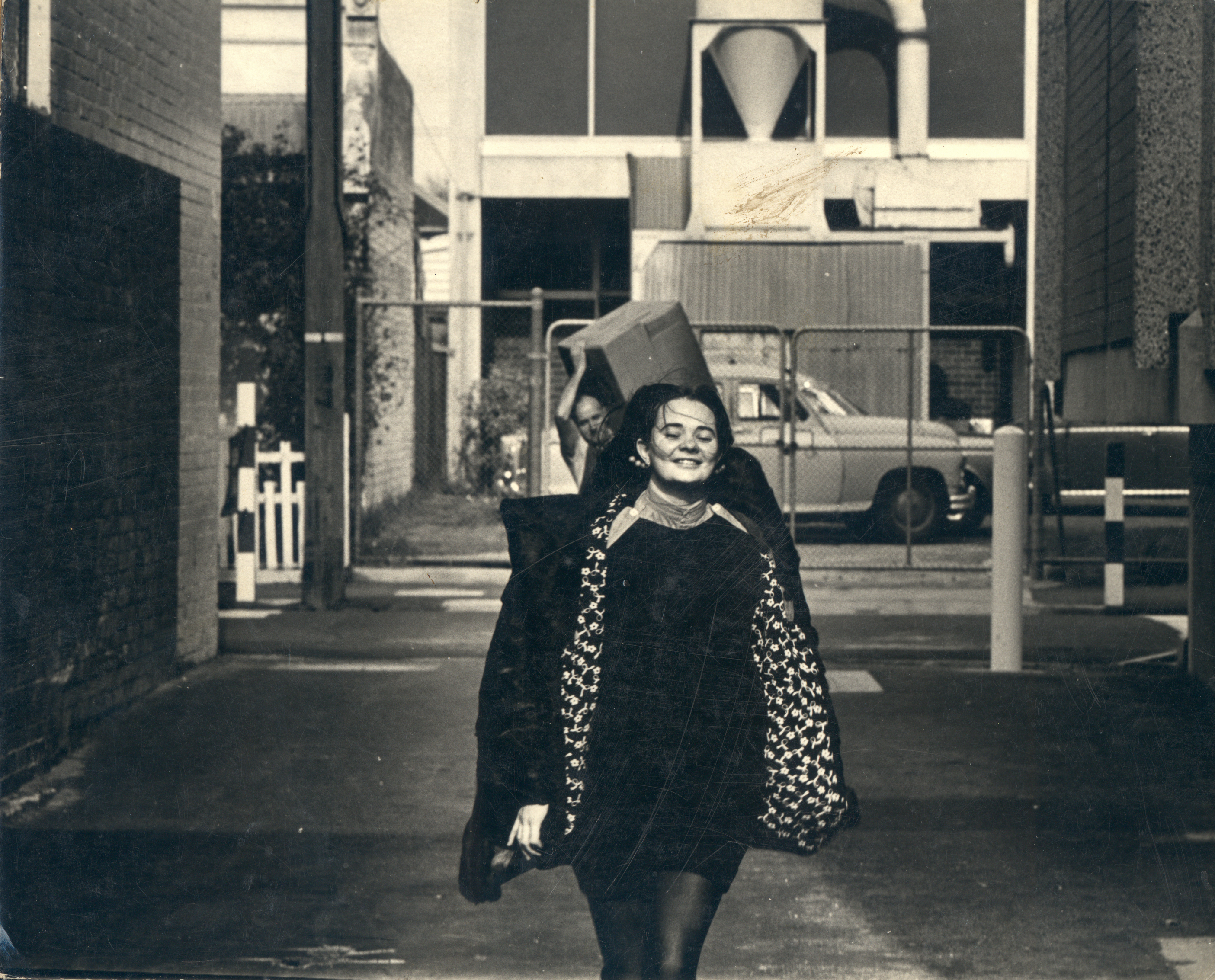
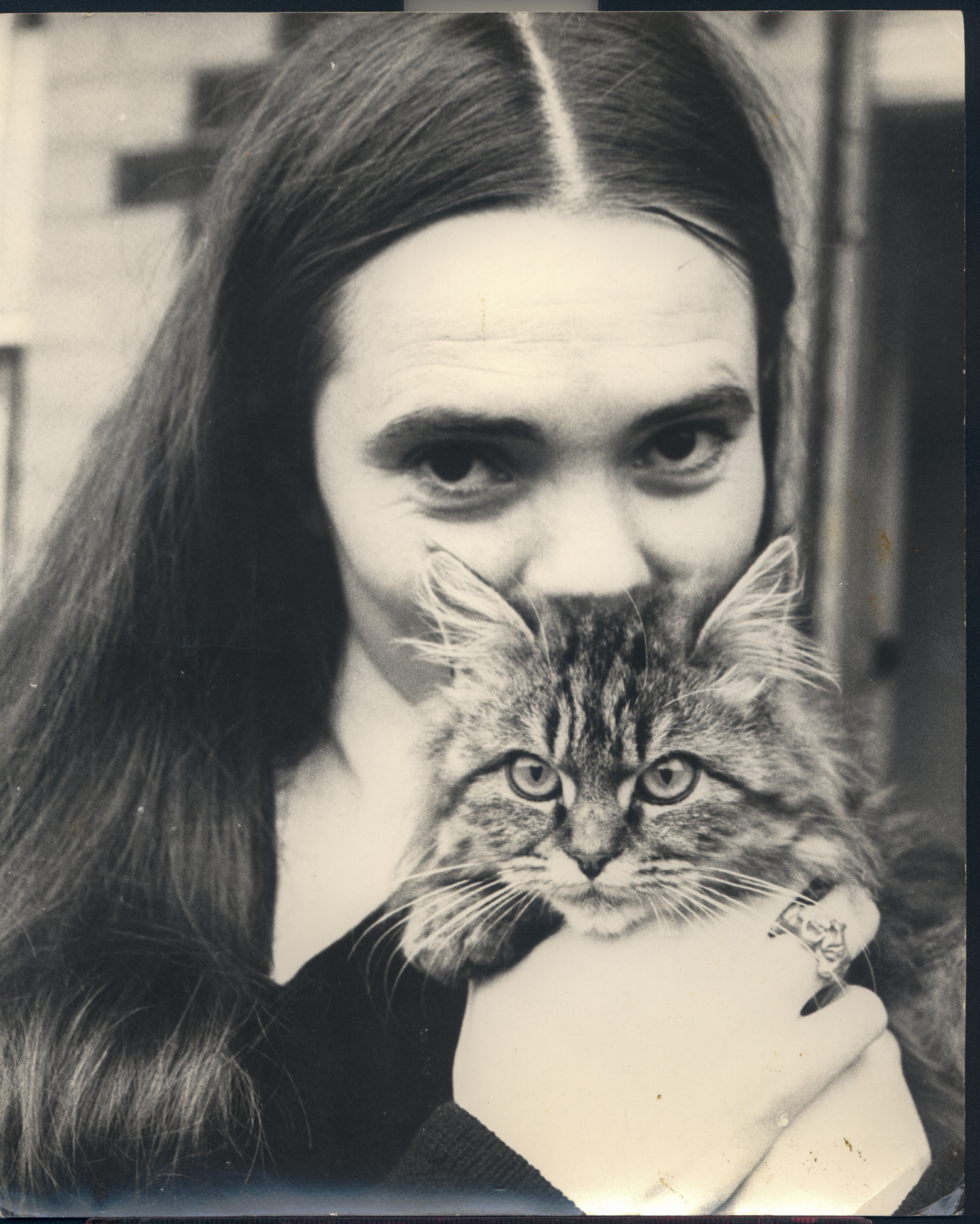
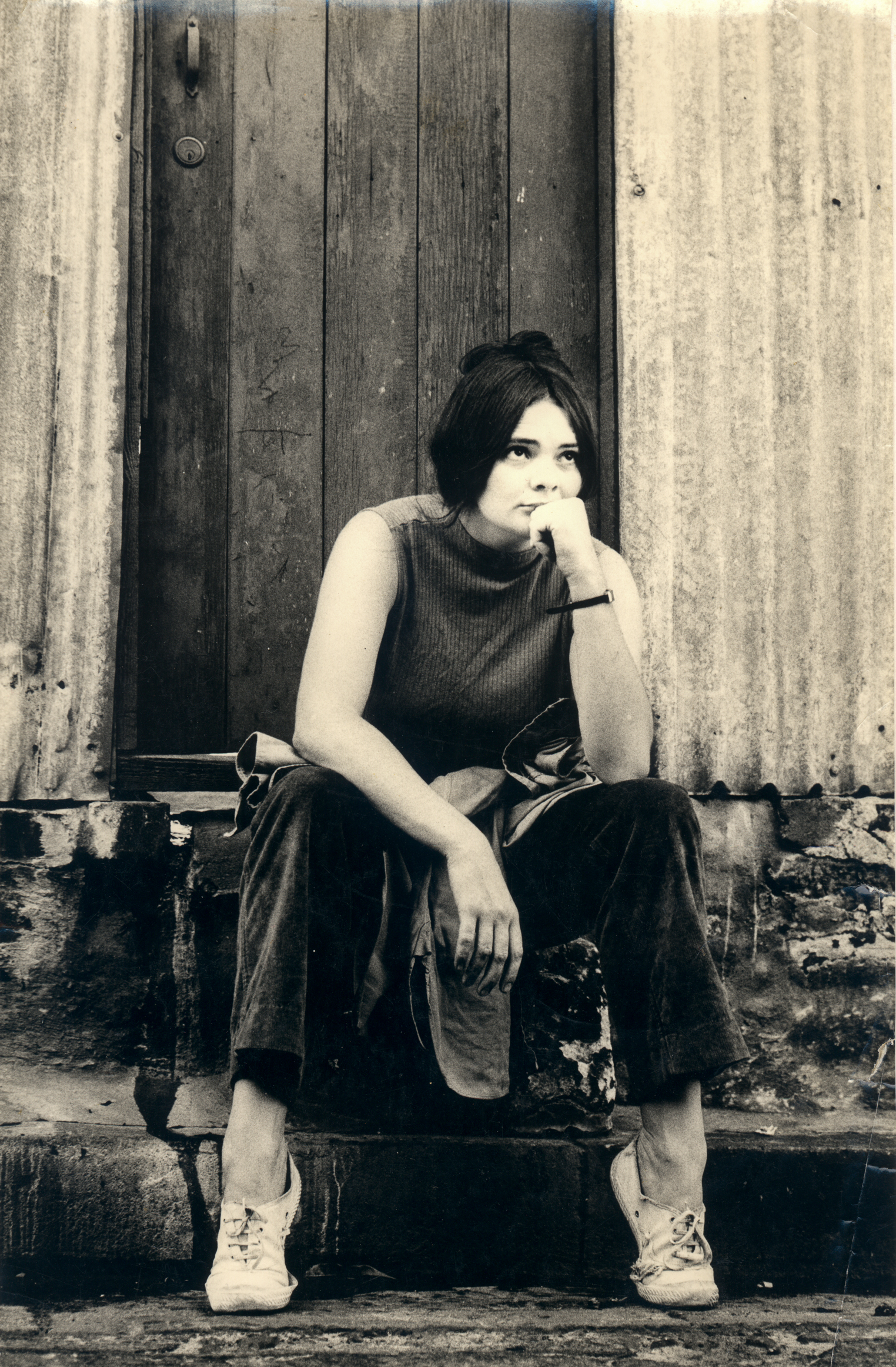
Peter Bowes photographed me many times, including a session in the flat that was once Hugh Colman’s, subsequently occupied by Peter Clerehan, also a Graphics student, who had audaciously painted the floor white.
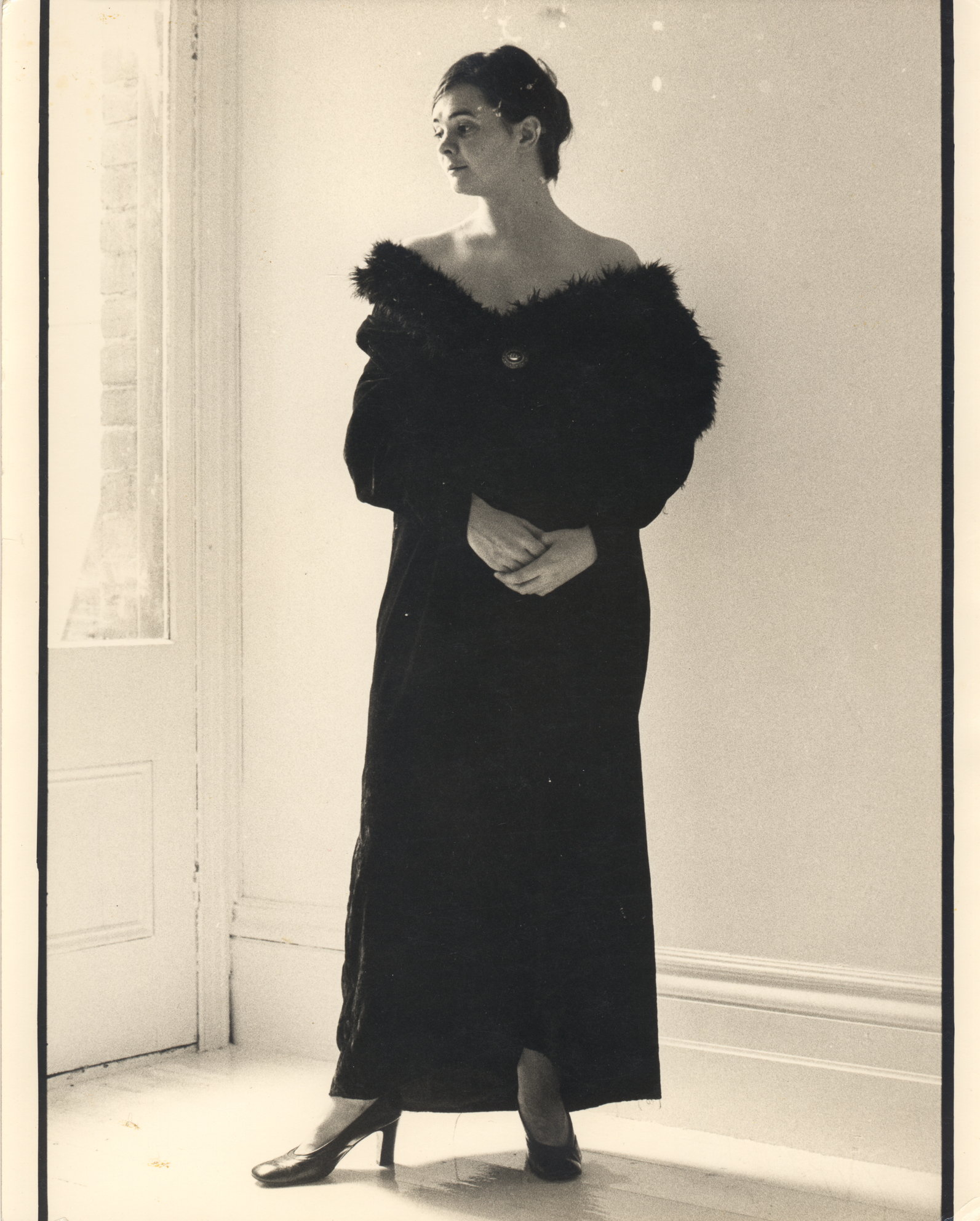
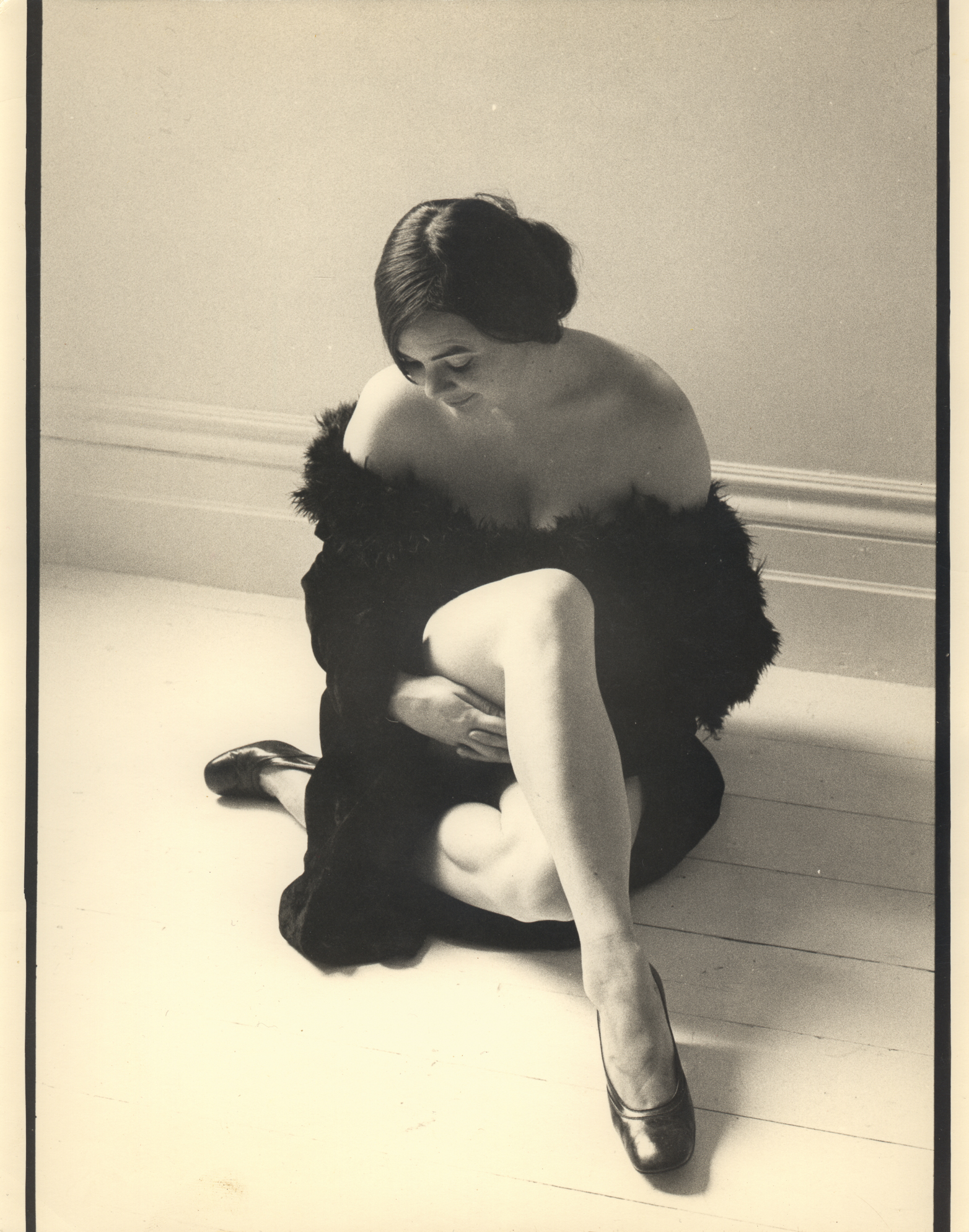
After I had left Prahran, Peter Bowes took some lovely portrait shots of me, inspired by assembling a new portfolio when he returned to Prahran as a Photography student in the 1970s. A more outrageous image (of which, sadly, I do not have a copy) was captured by Ian Macrae, with me posed behind a log with nothing on but a big hat and some false eyelashes wearing, as it were, sweet f.a., for a billboard advertising a venue called Sweet Fanny Adams.
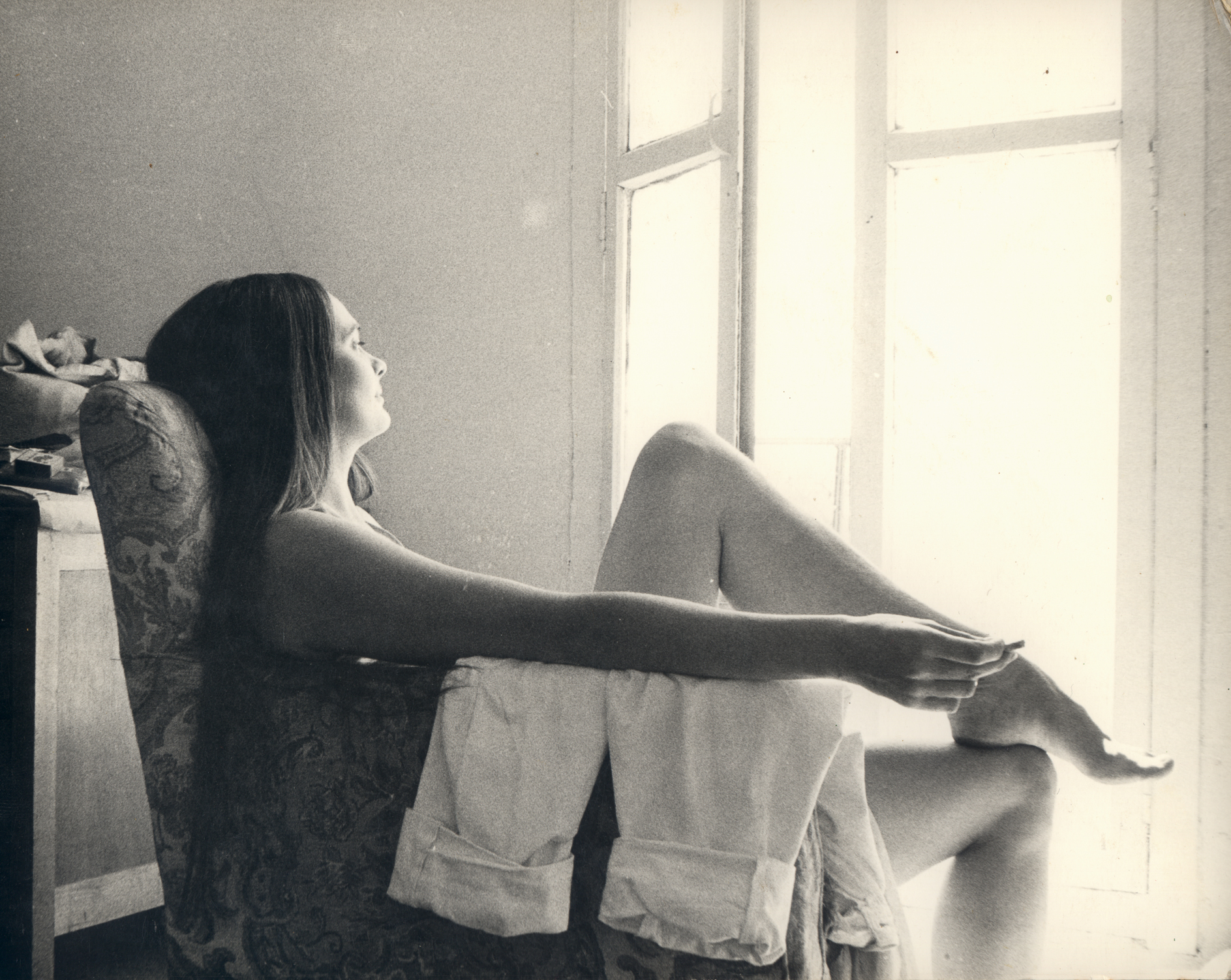
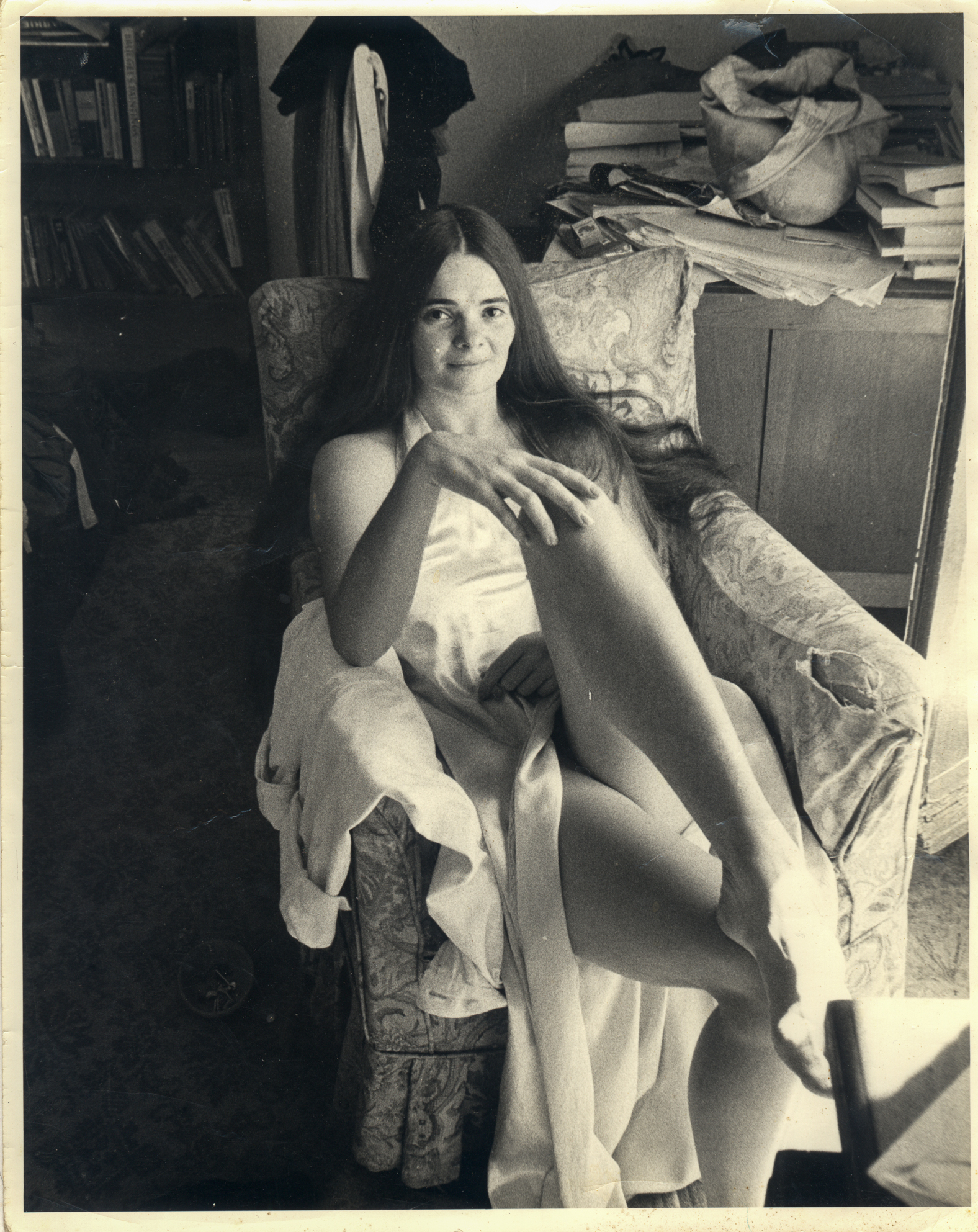
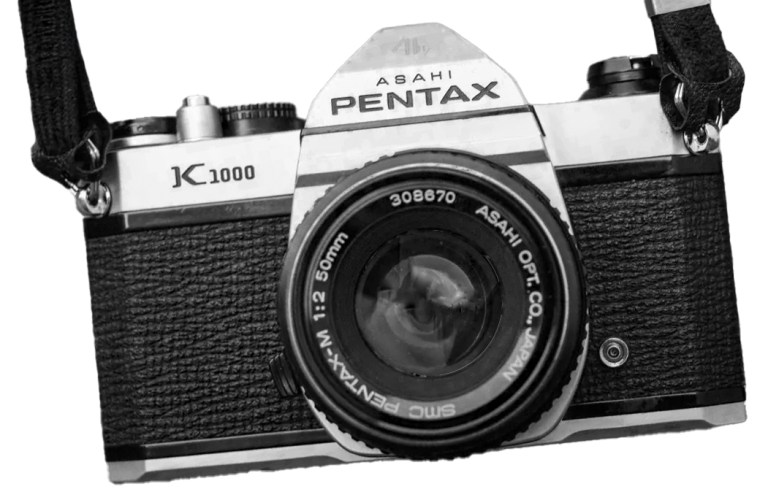 Even though I was never to complete a degree at Prahran, I left with a lifelong interest in photography, capturing people and places and eventually investing in another Pentax – a K1000, whose inbuilt light-metre was a real boon. In later years it has been replaced by smaller, digital cameras (a Pentax, followed by a Nikon) and more recently by the convenient phone-camera, mostly because as I hurtle into old age the SLR is too heavy and the digital models less handbag friendly. Nevertheless, when I worked in Rome earlier this century, I took many photos with the K1000 for publication in the Annual Reports of The British School at Rome. As the Assistant Director, part of my job was leading site visits for groups of residents & scholars, and I took photographs of these to illustrate my reports on Humanities activities.
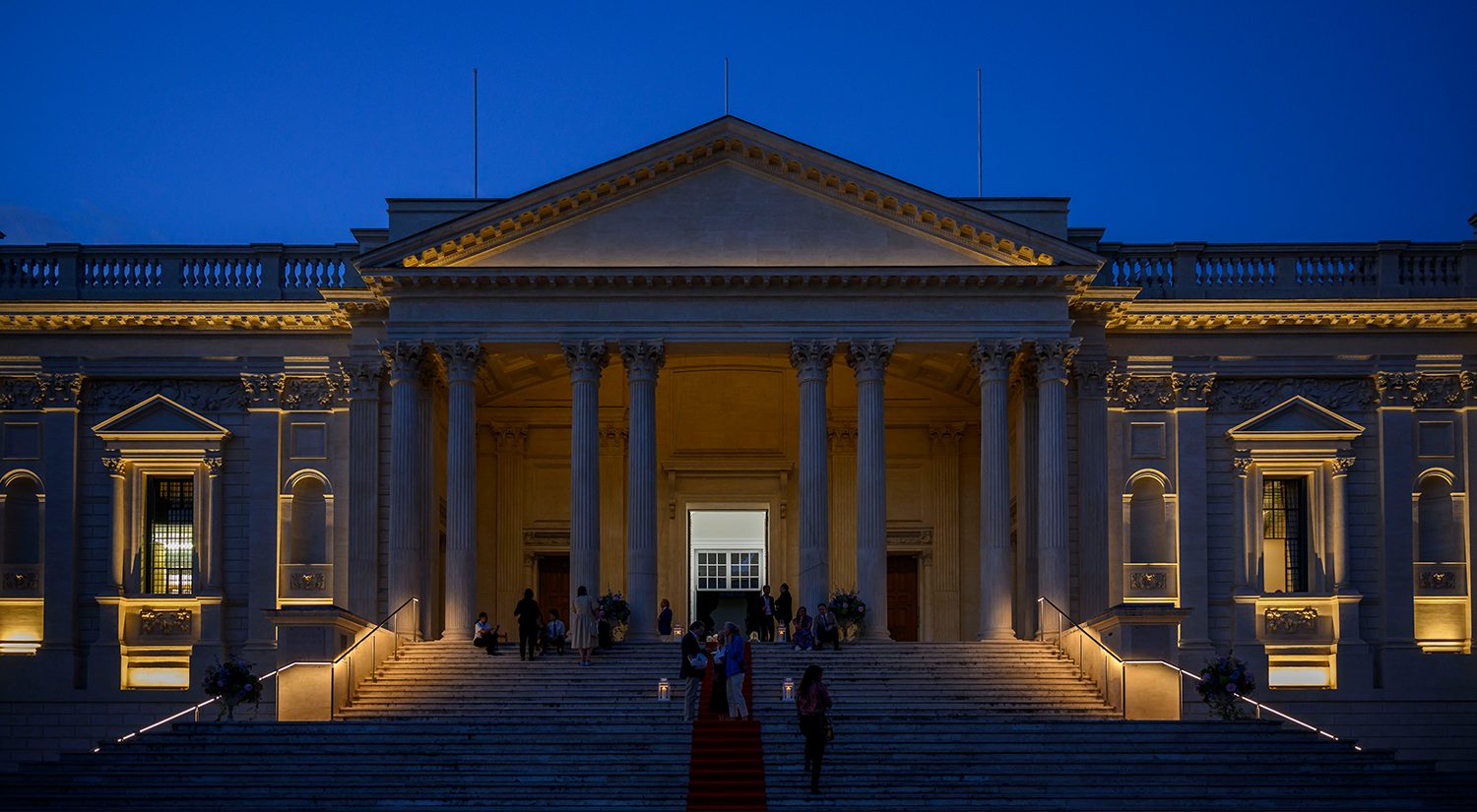
I worked at the School for eight years – not a ‘school’ in the common sense of the word, but a tertiary research institution established in Rome in 1901, initially focused on Archaeology and Classics. Its activities are funded by the British Academy in London, complemented by projects and awards supported by individual arts and educational bodies for both academic scholars and artists from Great Britain and the Commonwealth. During my tenure (2003-2011), these included numerous Australians, whose presence was greatly appreciated by me, suffering occasional bouts of home-sickness. At least four Aussie artists arrived every year, each for a three-month stint, recipients of an Australia Council Rome Fellowship, unfortunately no longer supported by Creative Australia. My understanding of both art and academia – aspects of which one could claim were initiated at Prahan – contributed considerably to the pastoral care aspect of my role during this unforgettable time.
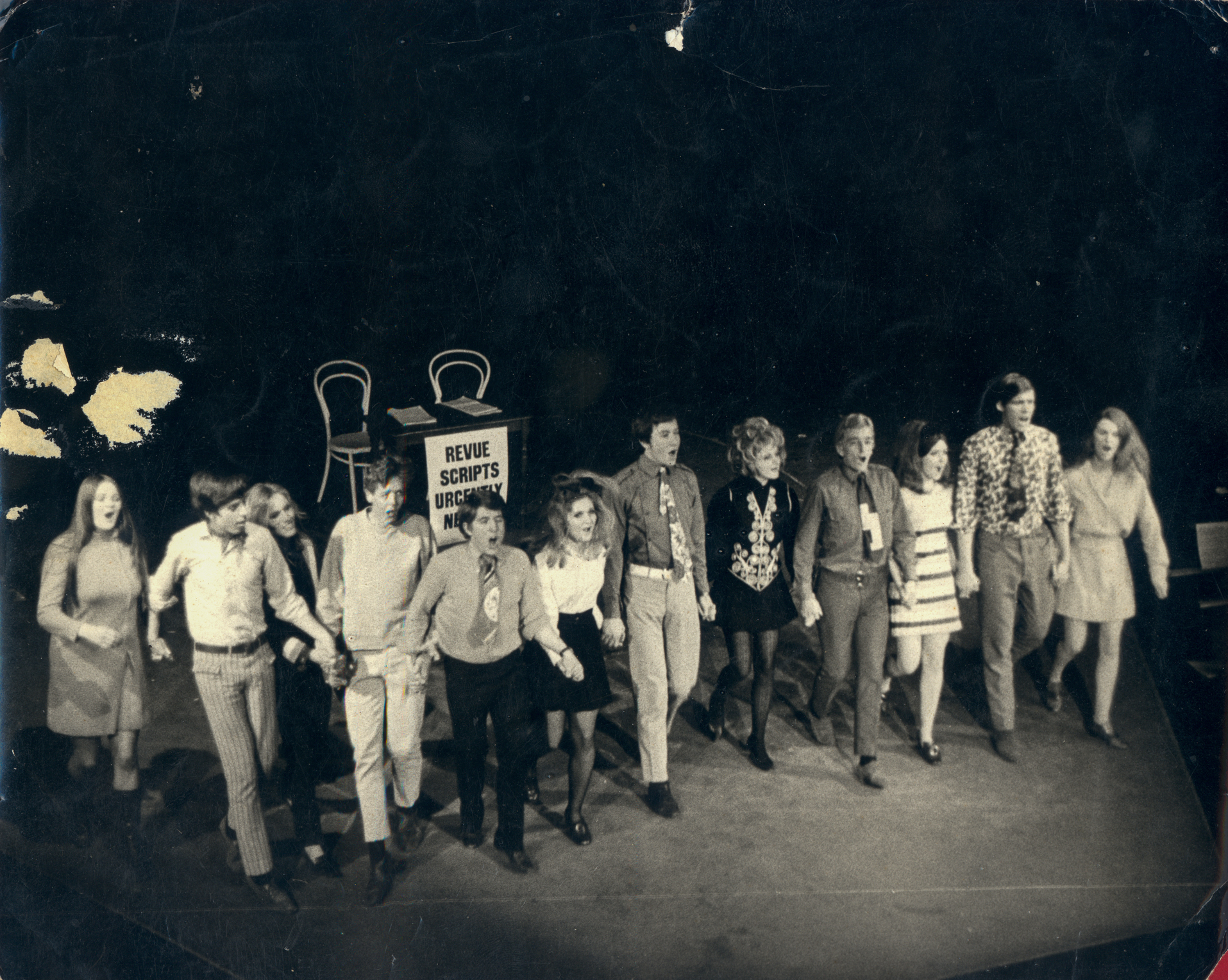
At the end of 1968 a bunch of us from several different disciplines at Prahran got together and produced a Revue. We all contributed various aspects of writing, performing and production. The photo I have of the Finale shows me, Ian Macrae, Jan (whose surname I don’t remember), Peter Clerehan, David Porter, Cheryl Copeland, Hugh Colman, Cheryl Small, Hayden Spencer, Pam Inglis, Stewart Gluth, and another forgotten or unknown woman, in the prime of youth and exuberance. It was indicative of both the fluidity of the students’ interests of the period and a spirit of collaboration that I went on to enjoy during my theatre years, but which was increasingly lacking during much of my academic career, when corporate models of administration that have increased over the last twenty years having restricted, narrowed and weakened the choices, boundaries and ambitions of inclusive, independent and wide-reaching learning. Whatever the current state of tertiary art education, I hope today’s students manage to acquire not only the appropriate skills for personal satisfaction and professional achievement, but also to make as many friends and as many mistakes as I did, while remembering the experience with as much enjoyment.
 Prahran Photography
4 thoughts on “The Alumni: Susan Russell”