
Robert Colvin remembers taking his Diploma of Art and Design at Prahran College during 1979-80, the last years of the decade:
“I came to Prahran in 1979 after having worked as a lawyer for a few years. The contrast was fairly striking. And pleasant.
“I remember some details of the interview that was part of the application process. I was interviewed by Athol Shmith, Paul Cox and Bryan Gracey, although what most has stayed in my mind is sitting in the waiting room with what basically was a manila folder of post cards of various sizes, all un-mounted, and realising that the other candidates in the room were armed with professional-looking folios containing well produced photographs of uniform size.
“I think I may have advanced my cause in the interview when, after inquiring if “Paul” was Paul Cox, I mentioned that I had a copy of his Human Still Lives from Nepal. You never know. In any event, I was accepted, I resigned from my legal job – to the great consternation of my colleagues and to the even greater dismay of my parents and became a student again. I was twenty-eight.
“Everything went well for a day or two until we had our first class with [architecture photographer] John Gollings. I still have the notes I took. Up to this point I was an entirely self-taught photographer, but John spoke a frightening technical language that I’d never heard before, one consisting of such concepts as negative density, opacity and exposure logarithms; suddenly the law began to look quite appealing again.”
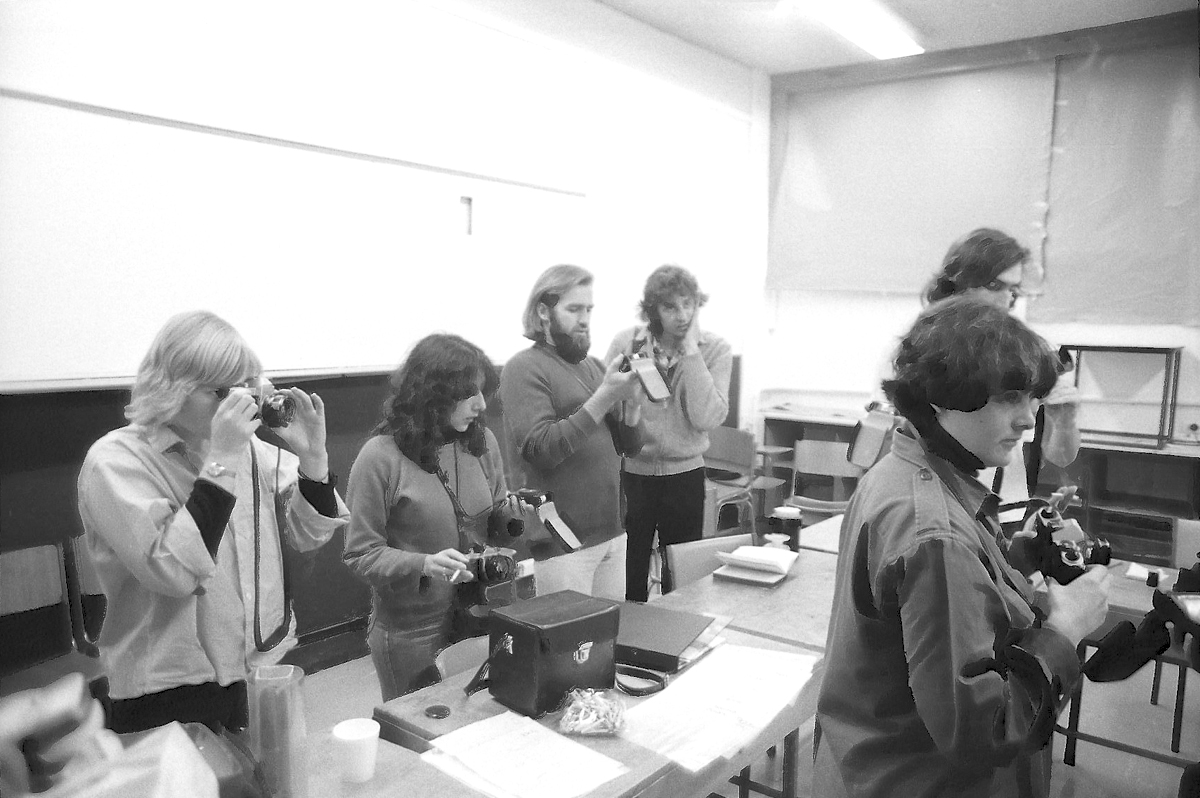
“However, we persevered and gradually some sense and understanding emerged. Now, when I look back on all this, those classes, particularly the first few classes with John, remain the most memorable and useful photography classes I ever experienced.
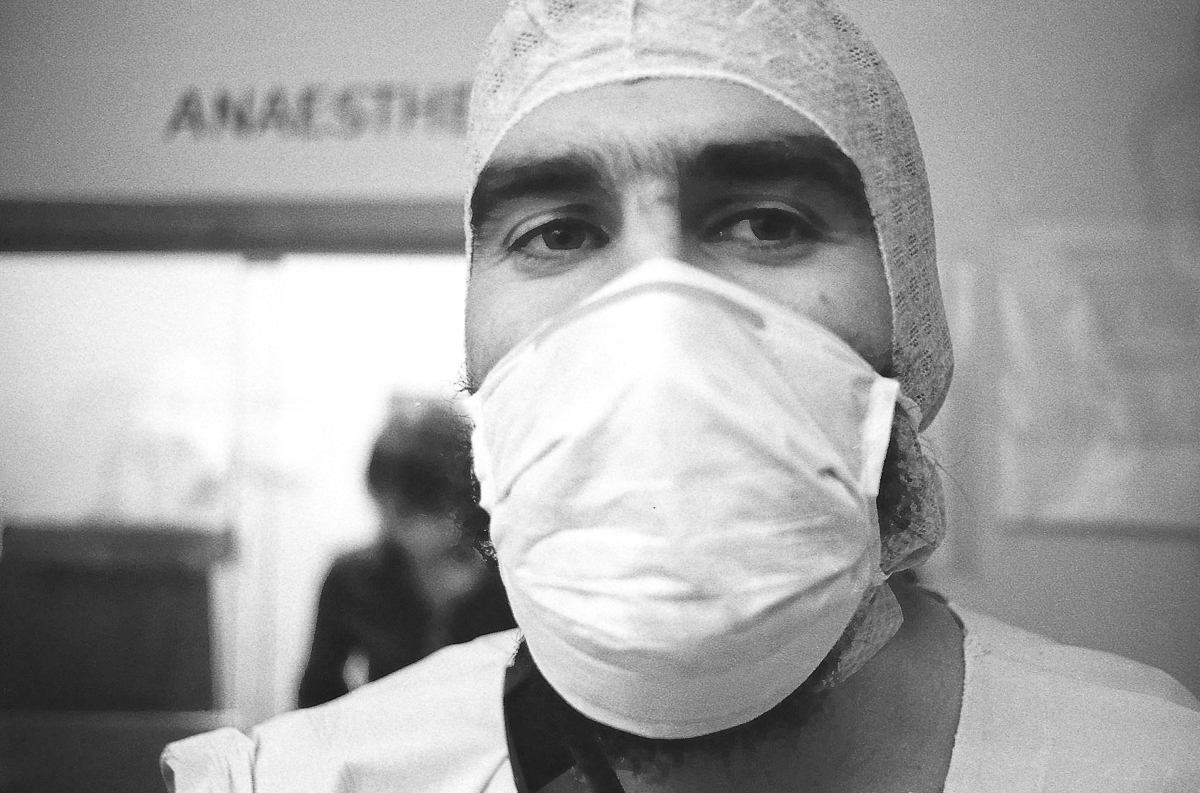
“During the two years at Prahran I taught some legal subjects in the business school and, for a while, continued to do some court appearances for my former employer. That is how I managed financially. I remember one or two of the assignments we were given. One in particular required that we take a confronting – or perhaps it was a shocking, portrait.”
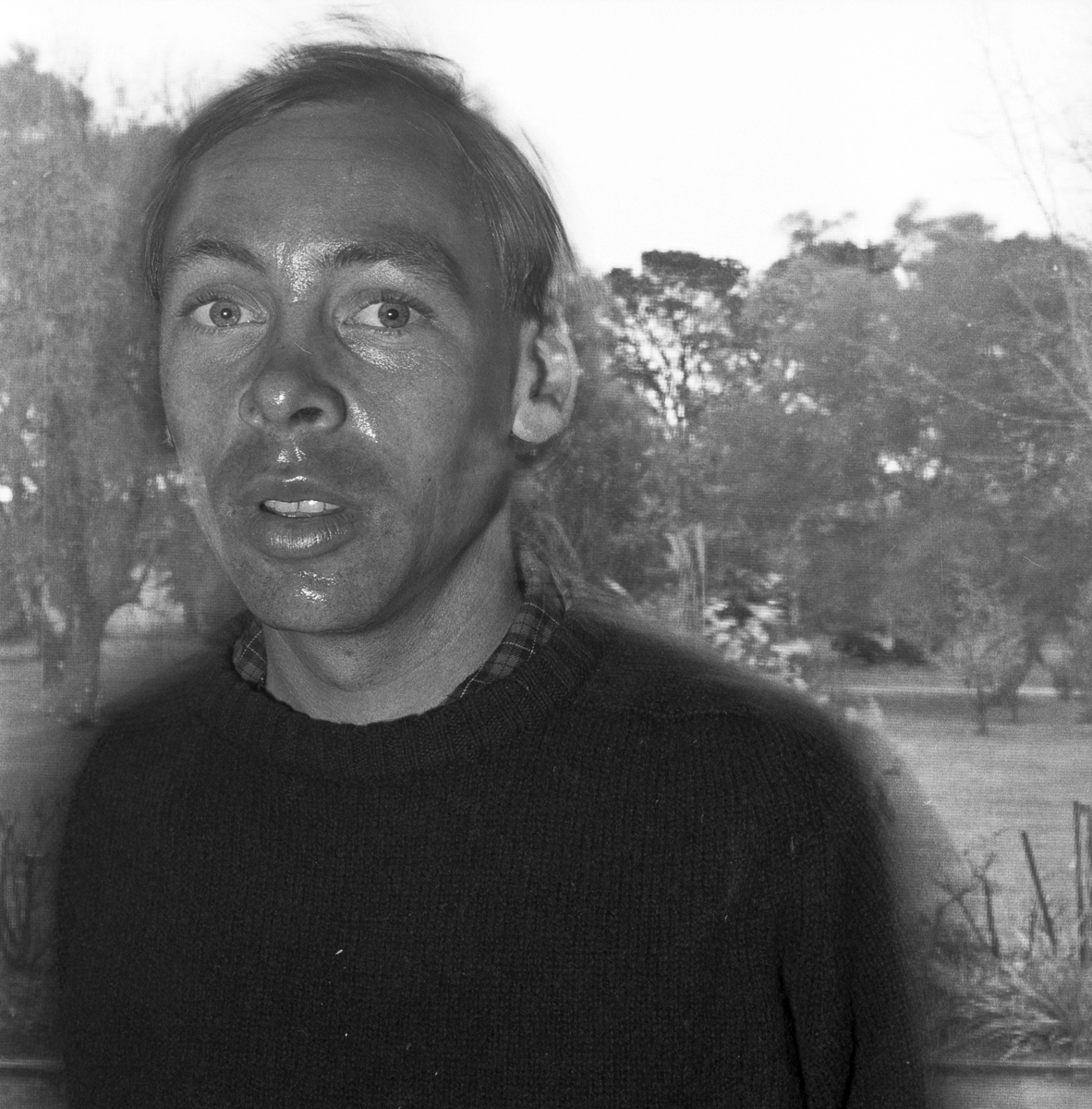
“I persuaded my brother to lather his face with Vaseline and to then be photographed using flash. Other assignments included a time exposure incorporating flash, one which at the time I found quite difficult. I do, though, remember the chorus of complaint which would arise if we had, say, more than two or three assignments in any one week. I also remember John Gollings, who lived and worked in the real world, pointing out how many commercial assignments he had completed in the previous week: “and every one done perfectly” he added.
“My other strong memory of Prahran is of working with Paul Cox. His classes could be little disorganised at times but his viewpoint, his vision, was clear and impressive. As an assignment we (as a class) made a short film, Underdog in 1980 [on which Colvin is listed as producer] a documentary reflecting Paul’s great fondness for dingoes, his own in particular. The following year, after leaving Prahran, I worked with him again doing stills for his award-winning film Lonely Hearts.”
After Prahran Robert started working as a photographer, undertaking in 1980 at the Comedy Cafe and the Last Laugh, a series of photographs Taken on Request, of some of Australia’s comedians including Max Gillies, Gerry Connolly, Rod Quantock, Mary Kenneally, Stephen Blackburn and Los Trios Ringbarkus. These were shown in March 2000 as part of the Melbourne International Comedy Festival at the Vic Walk Gallery, Victorian Arts Centre.
From 1981 Robert donated use of a shop he owned at 642 Station St., North Carlton to Visibility gallery. Fellow alumnus Geoff Strong writes in The Thousand Mile Stare that it:
“was the only photographic gallery run as a collective. Its members were all former Prahran students and although they showed a lot of students’ work, they did also attract names like Fiona Hall, John Gollings, Ruth Maddison and Christine Comish. One of their specialities was work with a socio-political flavour. They showed a series on uranium mines, industrial women, photo-journalism from Afghanistan, and even ‘The Pine Gap Show’ by a group of women photographers. They closed in 1985.”
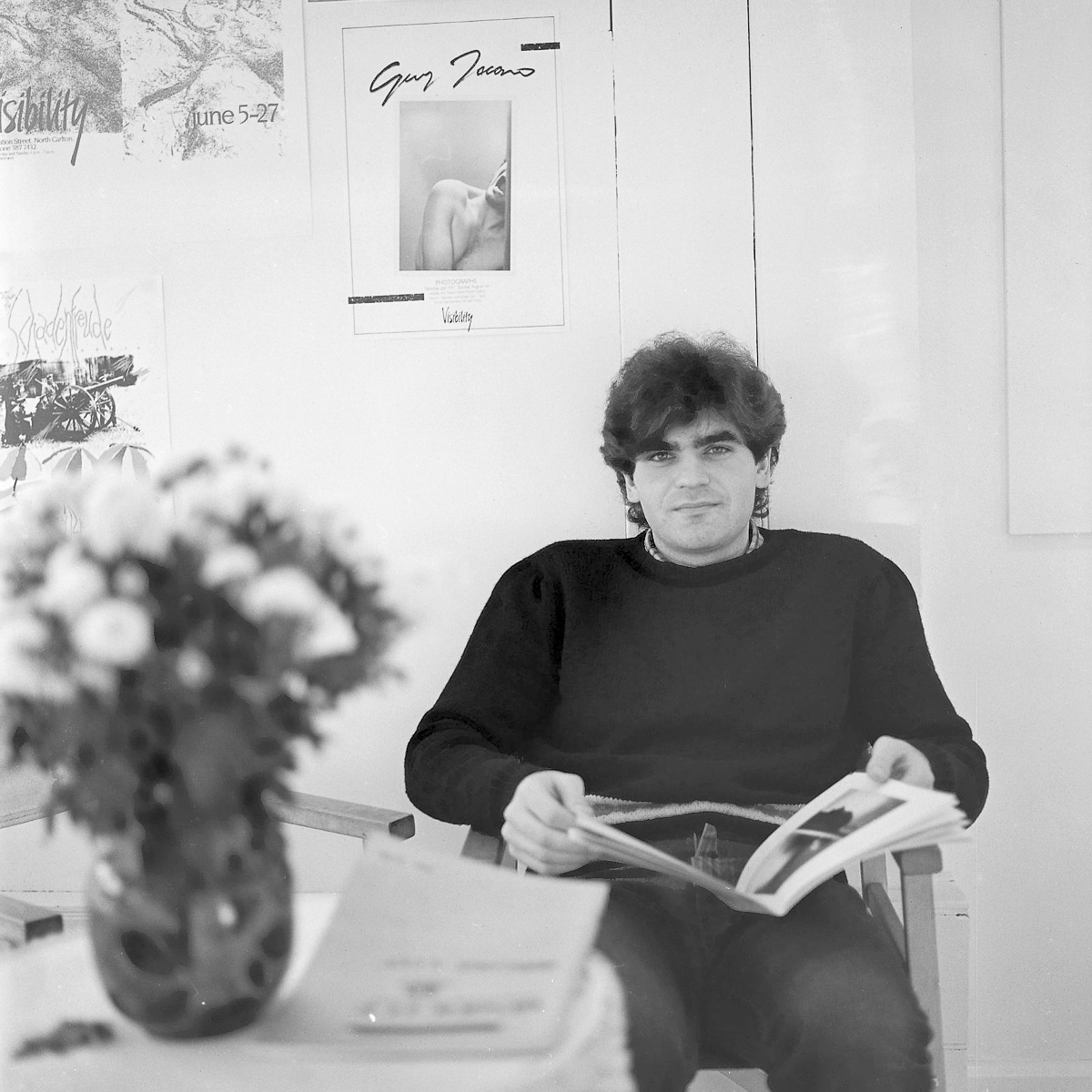
Robert continues:
“I worked as an assistant for John Gollings for a time, both in Melbourne and in India, then as assistant for several photographers in New York in 1983-84, while teaching an extension course for the International Centre for Photography.”
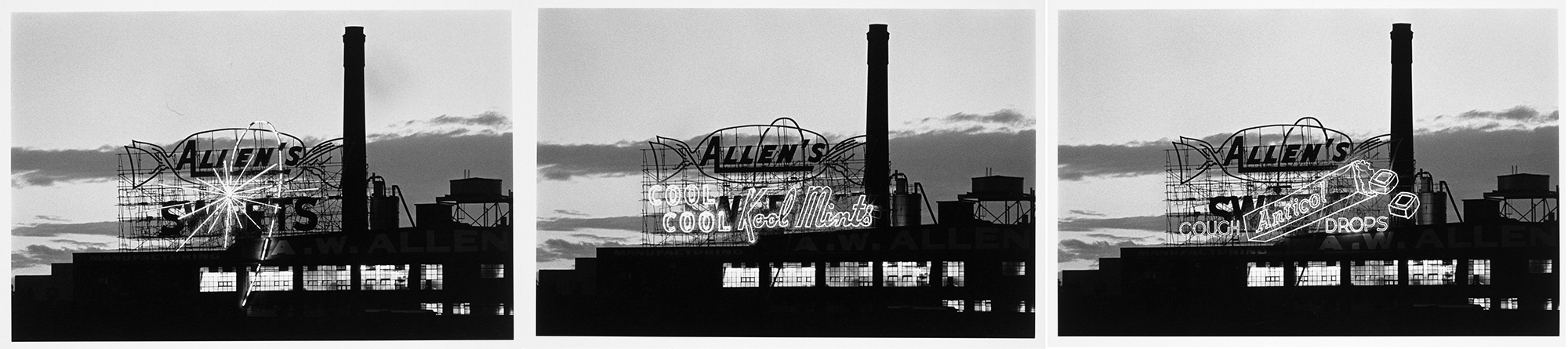
Robert’s architectural records include the more local, including a series documenting the Claude Neon-designed 35-second sequence emblazoning Melbourne’s skyline with the words ‘Allen’s Sweets’, ‘Cool Cool Kool Mints’ and ‘Anticol Cough Drops’ interspersed with neon fireworks, raindrops and lollies spilling from an Anticol packet. It was a 1970s icon, installed in 1969 to replace the simple 1955 original, and torn down in 1987 to make way for the Southbank development.
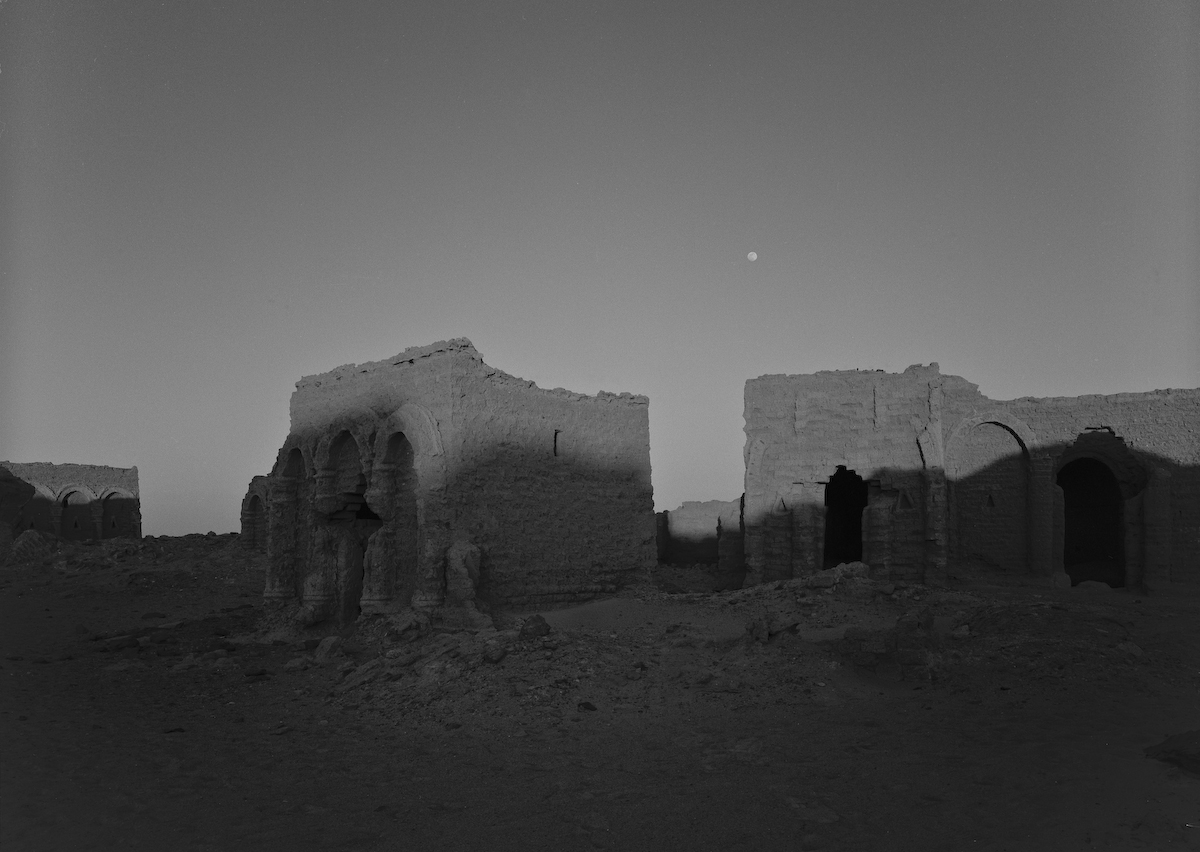
“A little later, during the 1990’s, I was project photographer for an archaeological project in the Dakleh oasis in Egypt, a position which enabled me to make a number of trips to Egypt and allowed me to make a lengthy photographic survey of the village in which the project was based.”
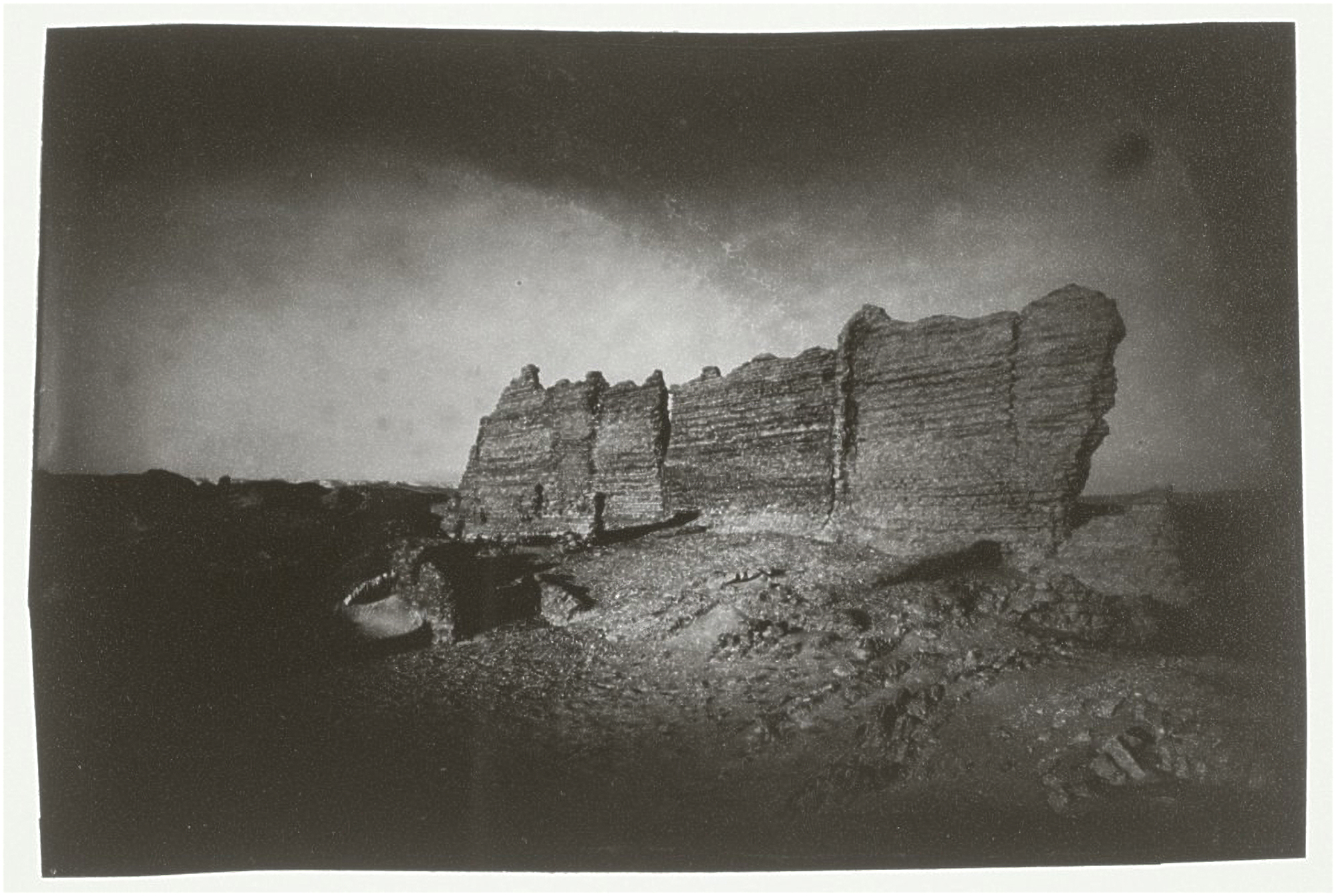
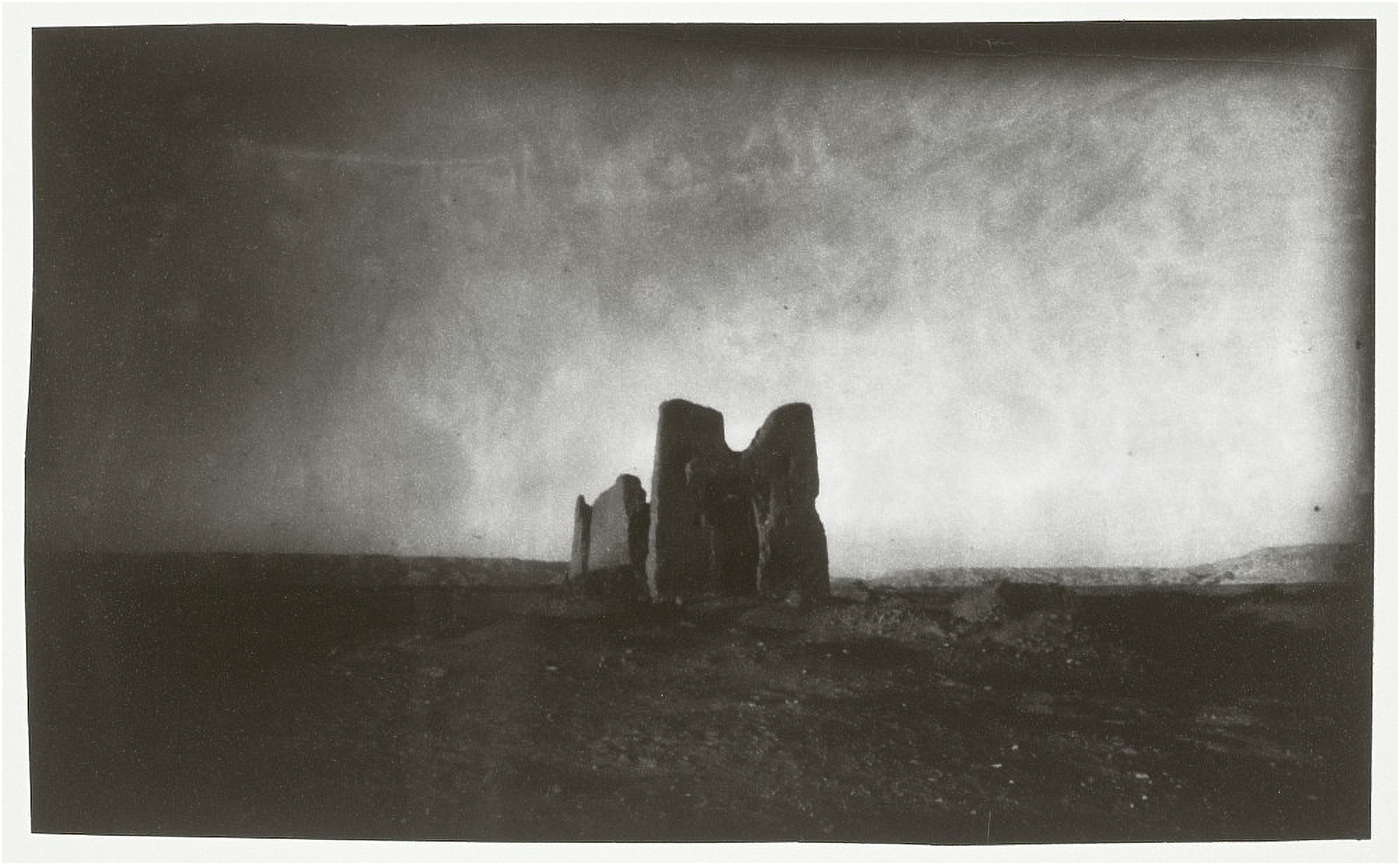
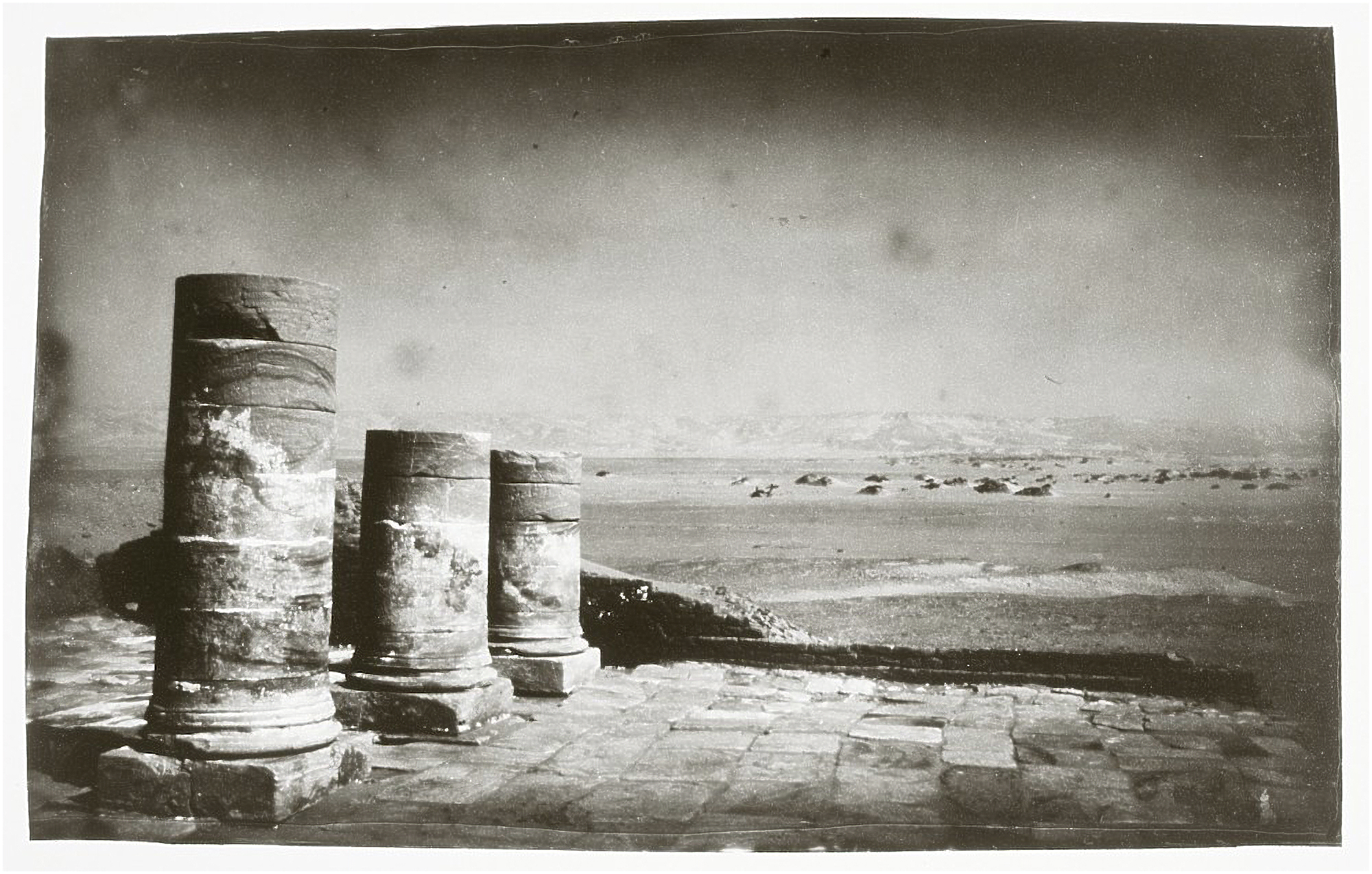
In 1992 Robert showed with Mark Ritchie in Two photographers at Julie Green gallery in Surry Hills and also documented art, especially sculpture, in one case photographing works beside John Gollings and fellow alumnus Mimmo Cozzolino at the Herring Island Environmental Sculpture Park, part of the Visual Arts Program for the 1997 Melbourne Festival. [The Age, 11 Sep 1999: p.331.]
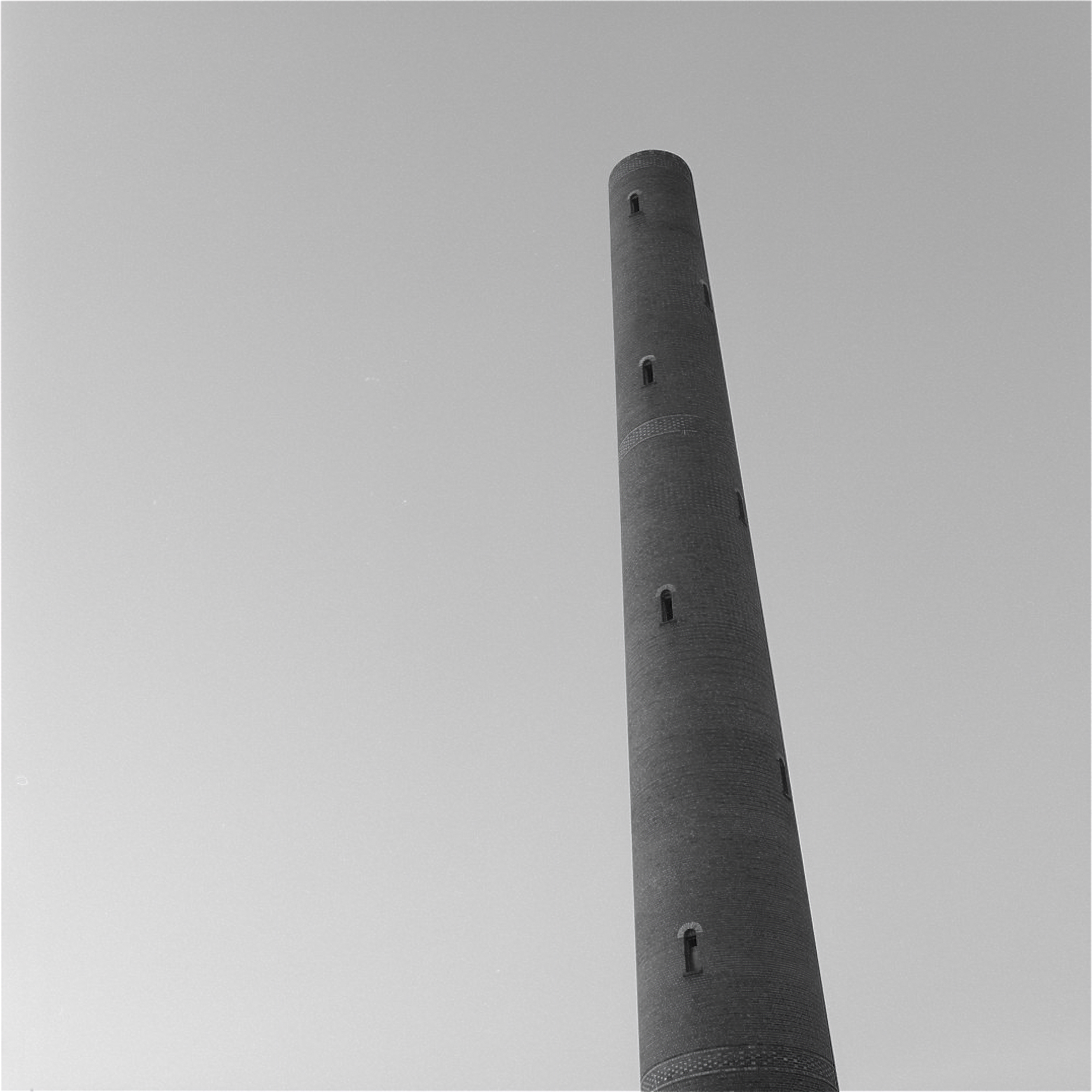
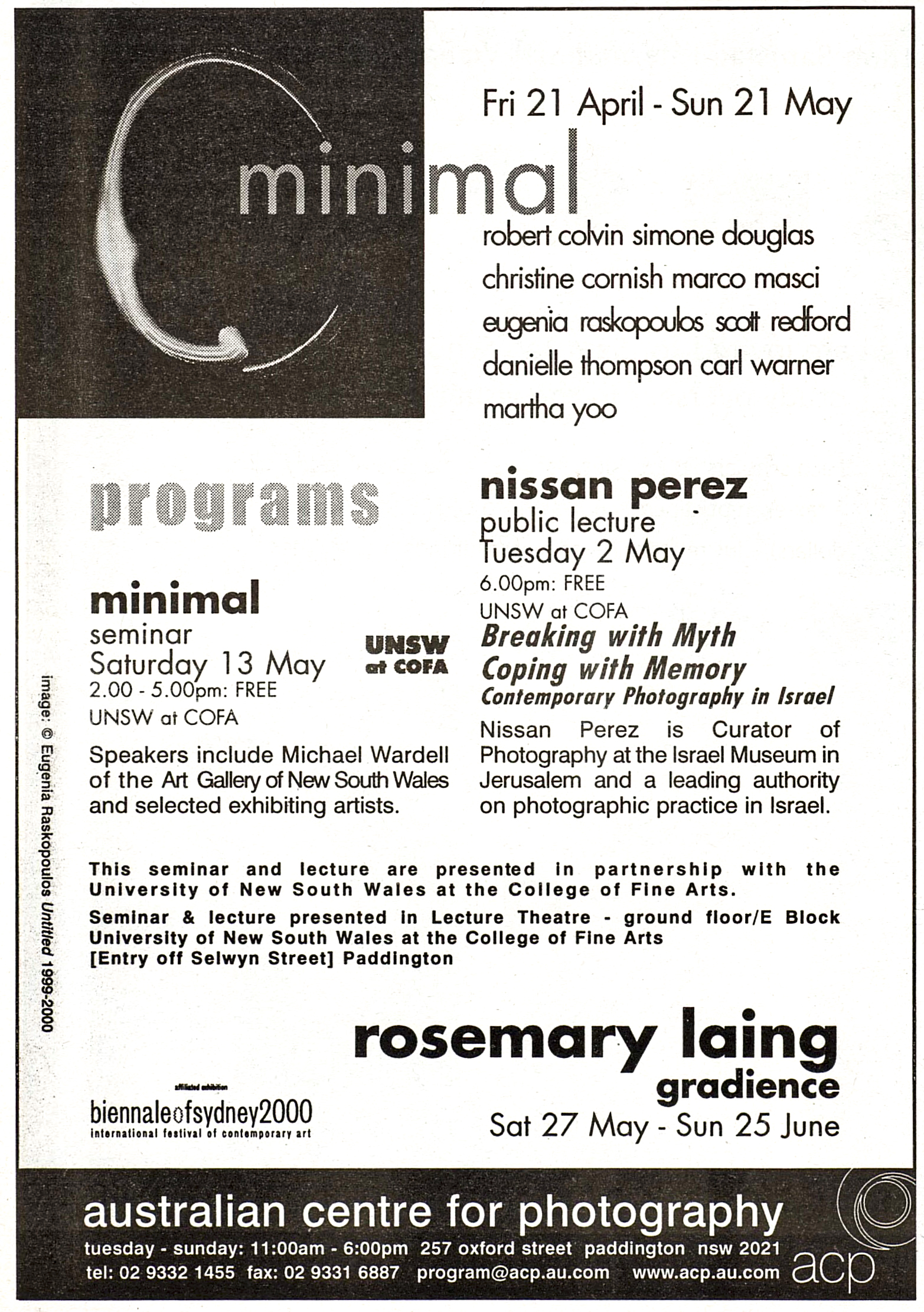
In 2000, as well as the retrospective of his 1980 portraits of comedians, during February-April Robert showed in Trois Photographes Australiens à Genève with Peter Lyssiotis and Eugenia Raskopoulos at Galerie Rivolta in Geneva, Switzerland; then over April-May 2000 Robert again joined Raskopoulos along with Christine Cornish, Martha Yoo, Carl Warner, Simone Douglas, and Danielle Thompson in Minimal at the Australian Centre for Photography. [Sebastian Smee, ‘Bare Essentials’. The Sydney Morning Herald, 28 April, 2000, p.67]
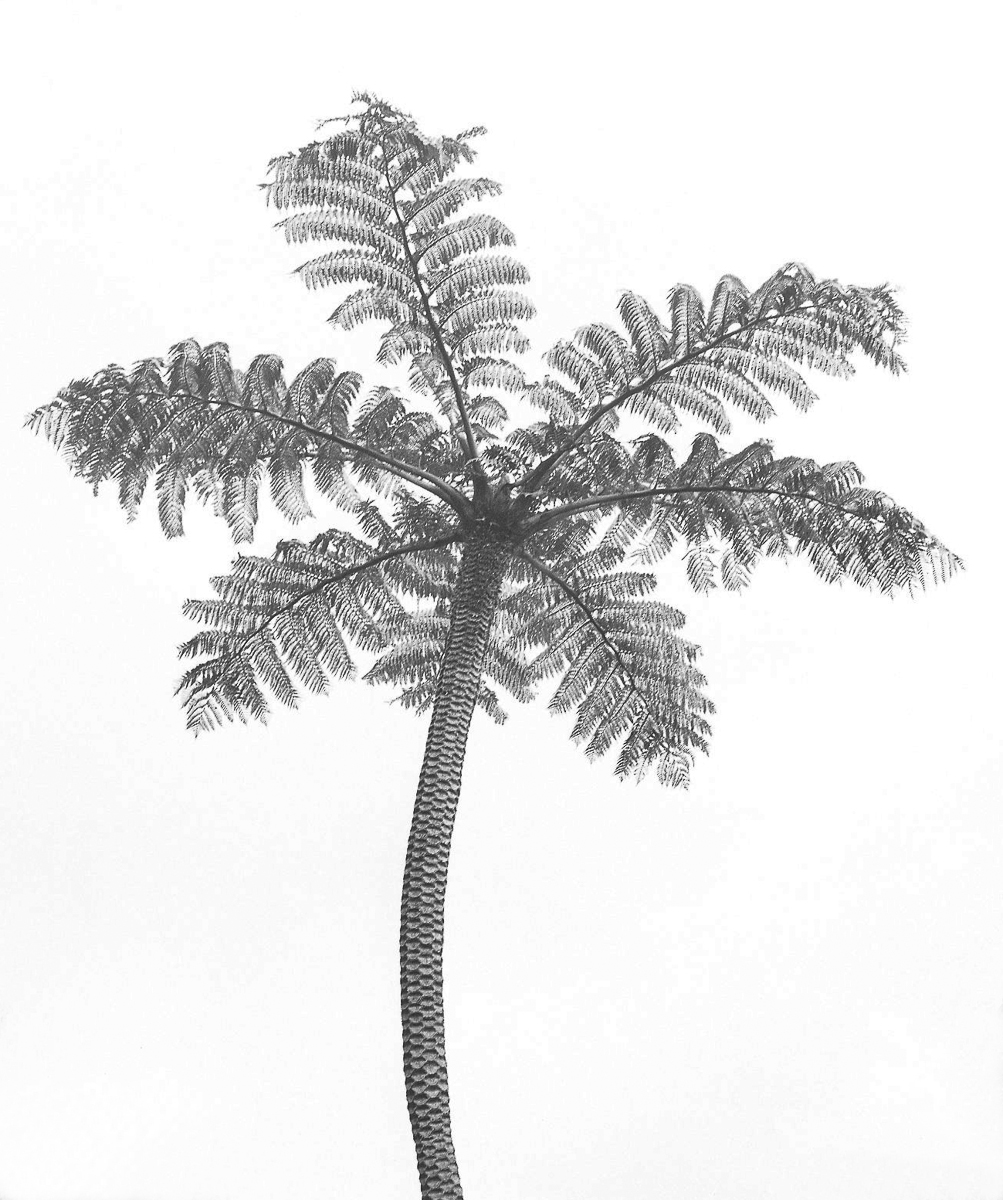
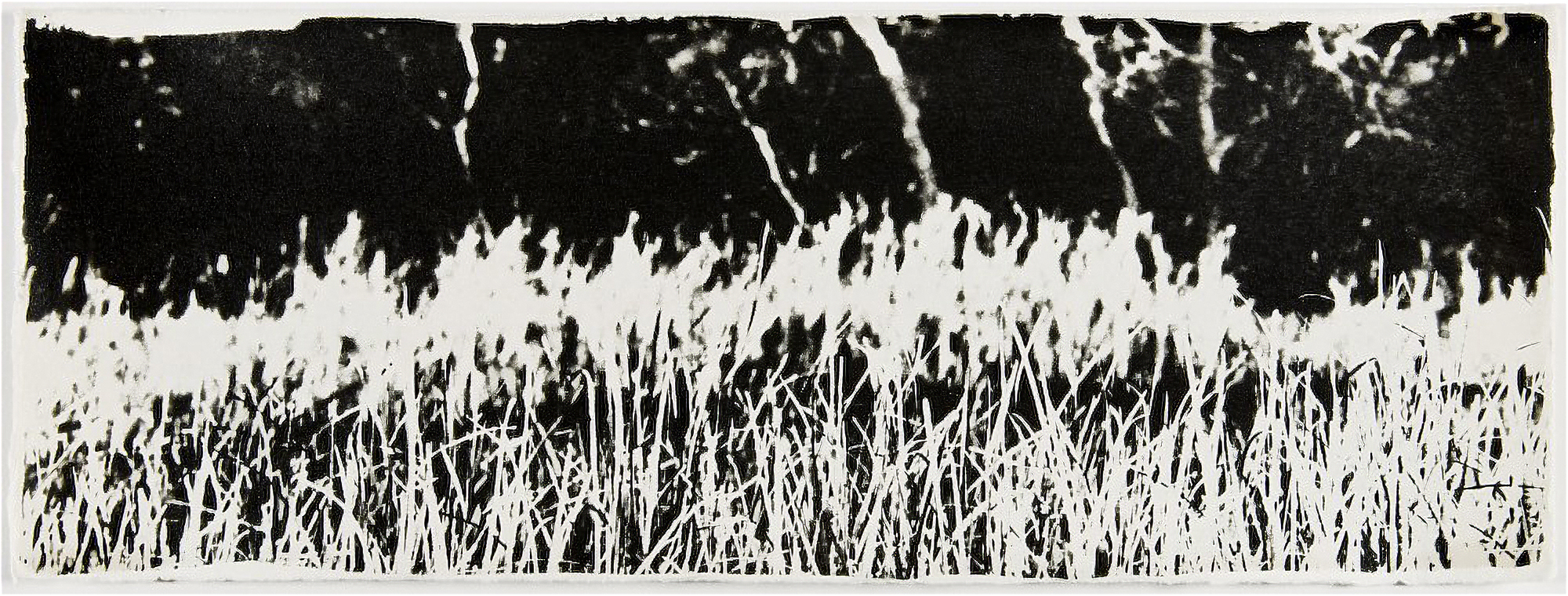
“More recently I have explored screen printing using photographs. This has resulted in three artists’ books.”
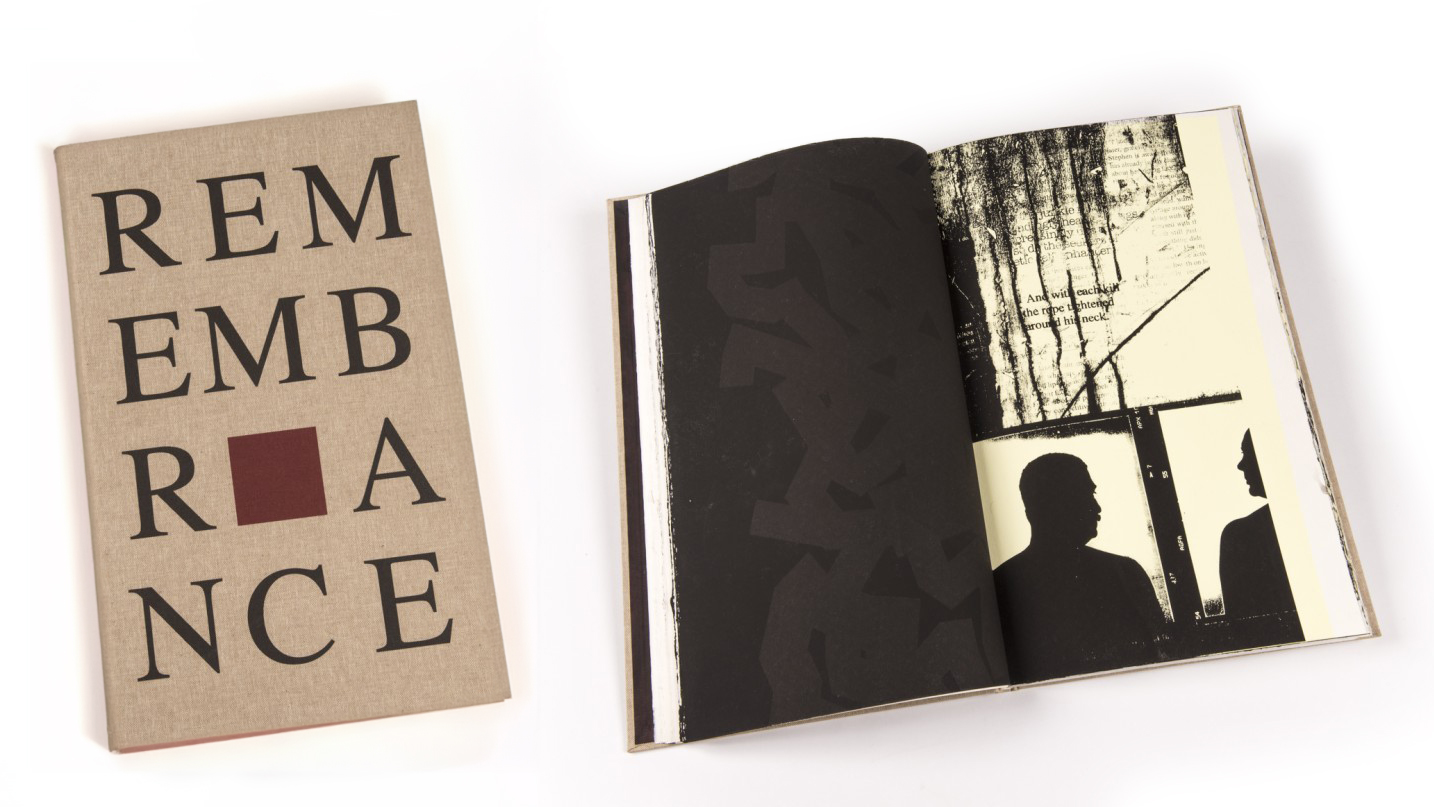
They include Using Shadows with Peter Lyssiotis and Theo Strasser (2005), Remembrance (2009) also with Lyssiotis and Strasser, and Foreign Forests with Dorothy Porter (2018).
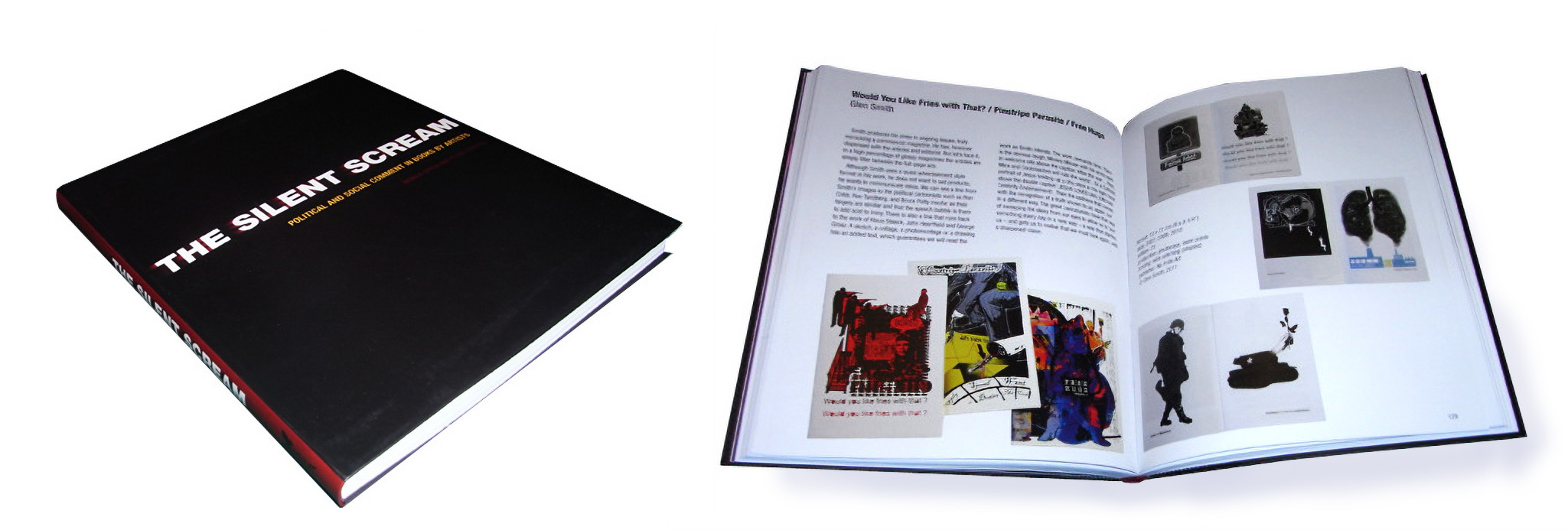
Two of these limited edition publications were shown in The Silent scream : political and social comment in books by artists : an exhibition, 26 September–26 November 2011 in the Sir Louis Matheson Library, Monash University amongst works by William Blake, Norman Lindsay, Nathalia Goncharova, George Grosz, Ernst Kirchner, El Lissitsky, John Heartfield, Max Beckmann, Noel Counihan, James Casebere, Gerhard Richter, Robert Frank, Doug Spowart, Vivienne Méhes, Gilles Peress, et al. It was accompanied by a catalogue with commentaries and introduction by Monica Oppen and Peter Lyssiotis, preface by Sarah Bodman Senior Research Fellow for Artists’ Books, UWE, and essays by Walter Struve, Dr Scott McQuire, Humphrey McQueen and Des Cowley.
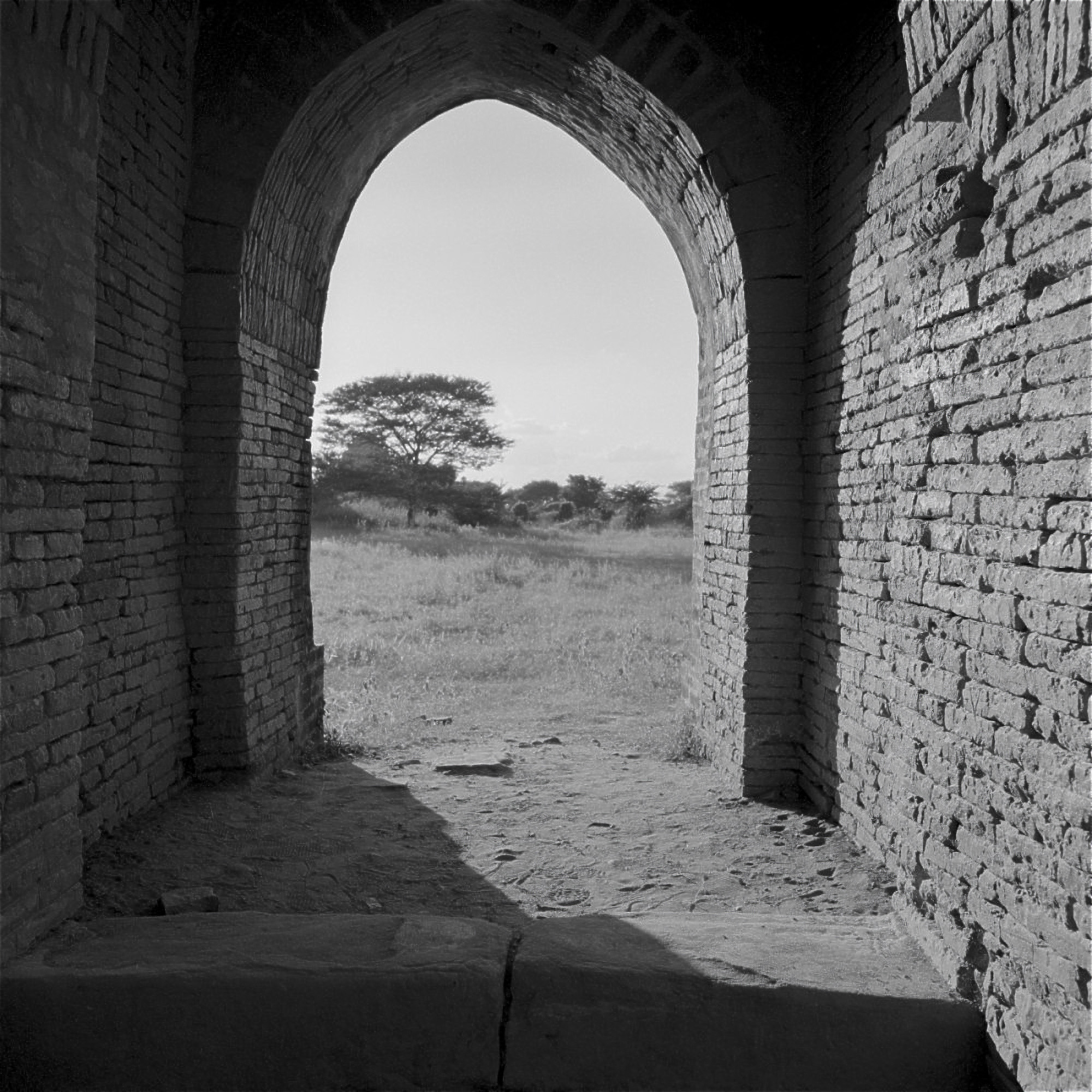
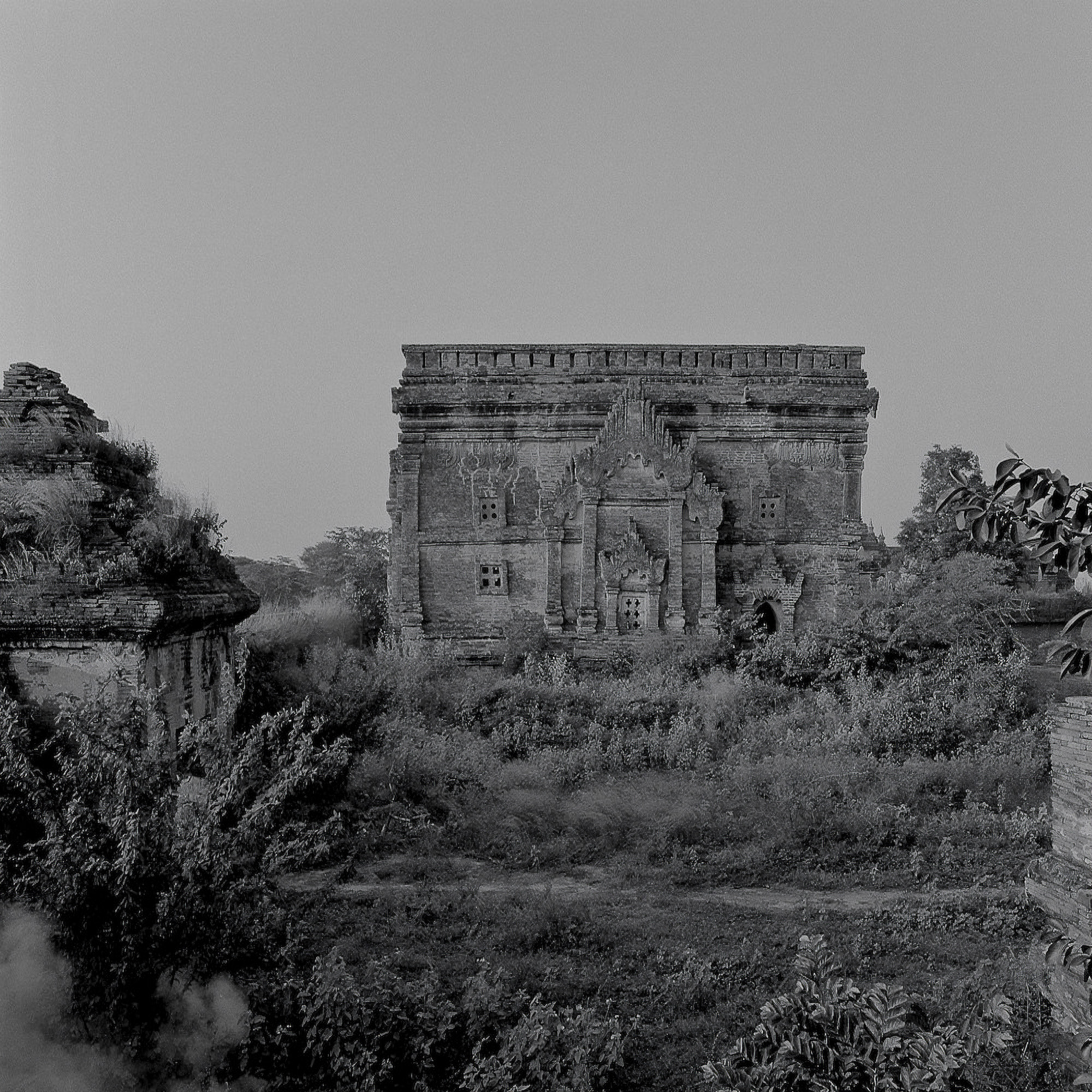
“I have also made many trips to what was Burma, now Myanmar, and these have resulted in several exhibitions.”
“The Prahran years feel so long ago now and the photographic world is so different. Like almost everyone, I have grown used to digital photography; nevertheless, my affection remains with film. Even now, if there is a photo I feel serious about taking, I use film, even though I may take a digital version as well.”
“I think it’s partly the connection with the history of photography, the feeling that you’re working in much the same way with the same tools as the giants of the past. Even though, were they alive today, almost certainly they would work digitally. It’s also about the certainty of having a negative, so reliable as well as so delicate.
“I’m in touch from time to time with just a couple of friends from Prahran days. Unexpectedly, just a week ago, someone I was good friends with at Prahran but who I had lost contact with, emailed out of the blue after seeing my website. It was quite a thrill to catch up again.”
 Prahran Photography
3 thoughts on “The Alumni: Robert Colvin”