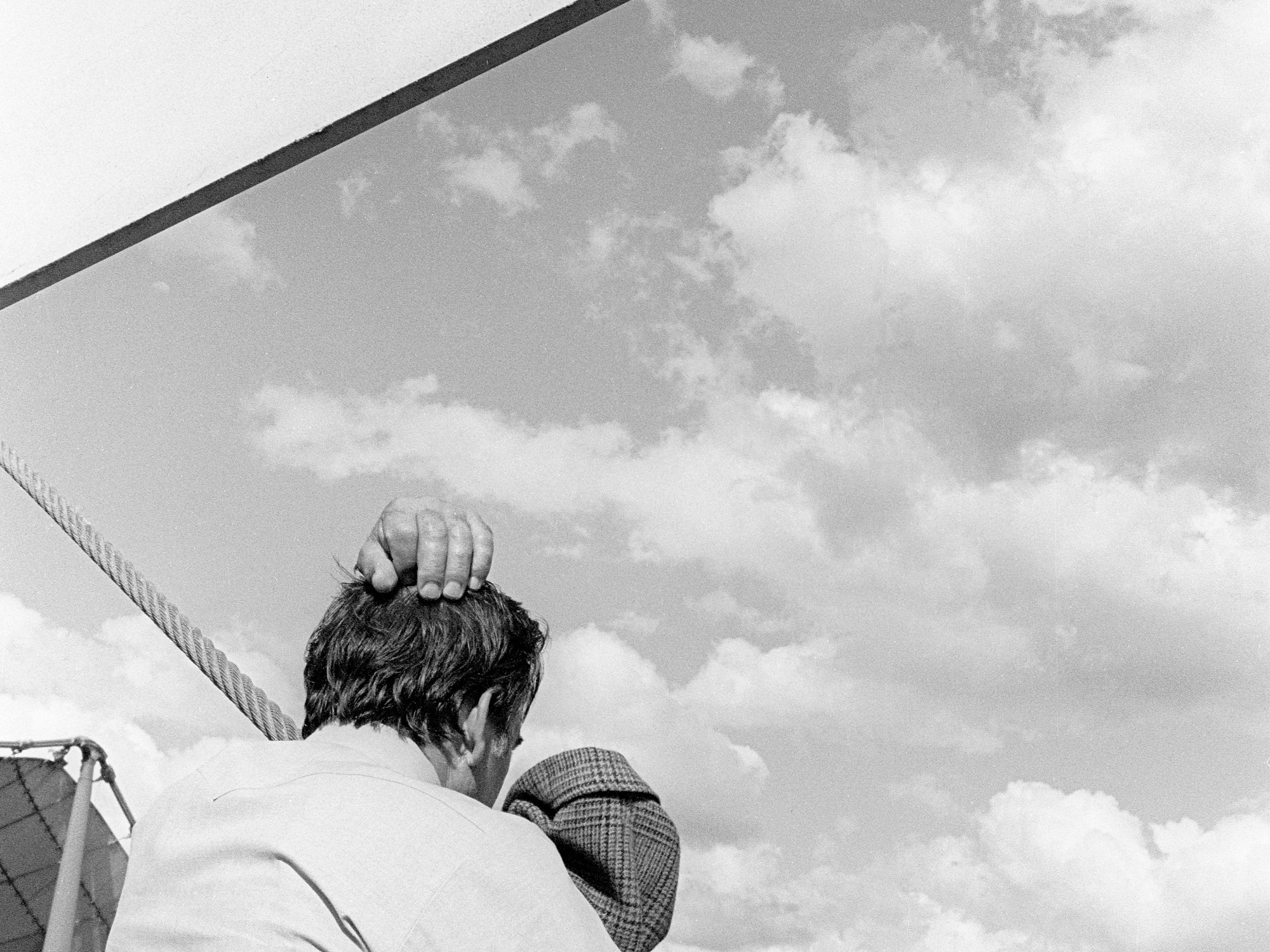
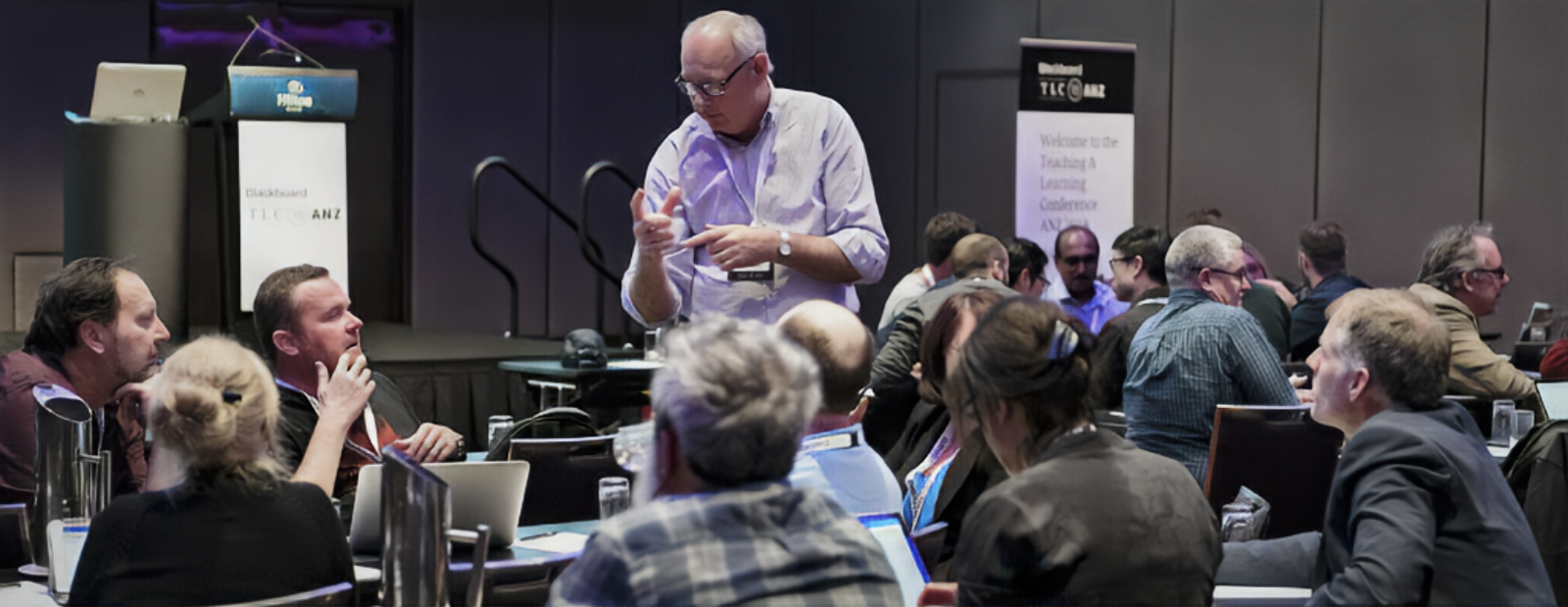
Alumnus Michael Sankey is now an Adjunct Professor in the Faculty of Arts and Society at Charles Darwin University and the Director of the ACODE Learning Technologies Leadership Institute (LTLI). He is also the Recent Past President of the Australasian Council on Open, Distance and eLearning (ACODE).
He has written on the democratisation of photography (Sankey, M.D. 2014. ‘From rags to riches: Democratisation of the photographic art’. In V.Garnons- Williams (Ed) Photography and Fictions: locating dynamics of practice. Queensland Centre for Photography (QCP), Brisbane, Australia. pp. 79-84. ISBN: 9780992322533) and first grew familiar with such ideas through his grandfather who always loved having a camera with him:
‘He wasn’t very good 🙂 but I used to like looking at his pics as a very young boy. I got a camera in my hands very early, probably from about the age of 8 and just took a shining to the medium. My parents always encouraged me, but they did not fully understand the potential in that.’
In primary school, his year 8 science teacher at Melbourne Grammar taught Michael how to develop film and had him demonstrate the procedure for the class, portending his future in higher education.
I always loved the process. I set up a little dark room under our stairs at home when i was 16. it was tiny and did not have running water. But I made it, running between the bathroom and there. I was always good at Art and all my spare time was spent in the art room at school.
At the end of year 11, with the aim of getting into a college of art, Michael undertook his year 12 TOP year at Brighton Technical School in a stream focused on Art, where he fond himself captivated by photography:
‘I knew what I wanted to do in Year 12 at Brighton; there was only one road for me. Does art relate to photography? Oh boy, you bet, in so many ways. I now paint with light. The history of art is also fundamental to my image-making, as are design and graphics. many of my works are more graphic in nature, playing with shapes, light and quirkiness. It was a guy called Julian Rabbles at Brighton that encouraged me, who saw something in me in relation to photography, though he himself was a painter and print maker. But he saw that I took to photography like a duck to water and I think it was Julian Rabbles who alerted me to Prahran, he had heard about it and encouraged me to apply. I owe a lot to that guy. ‘
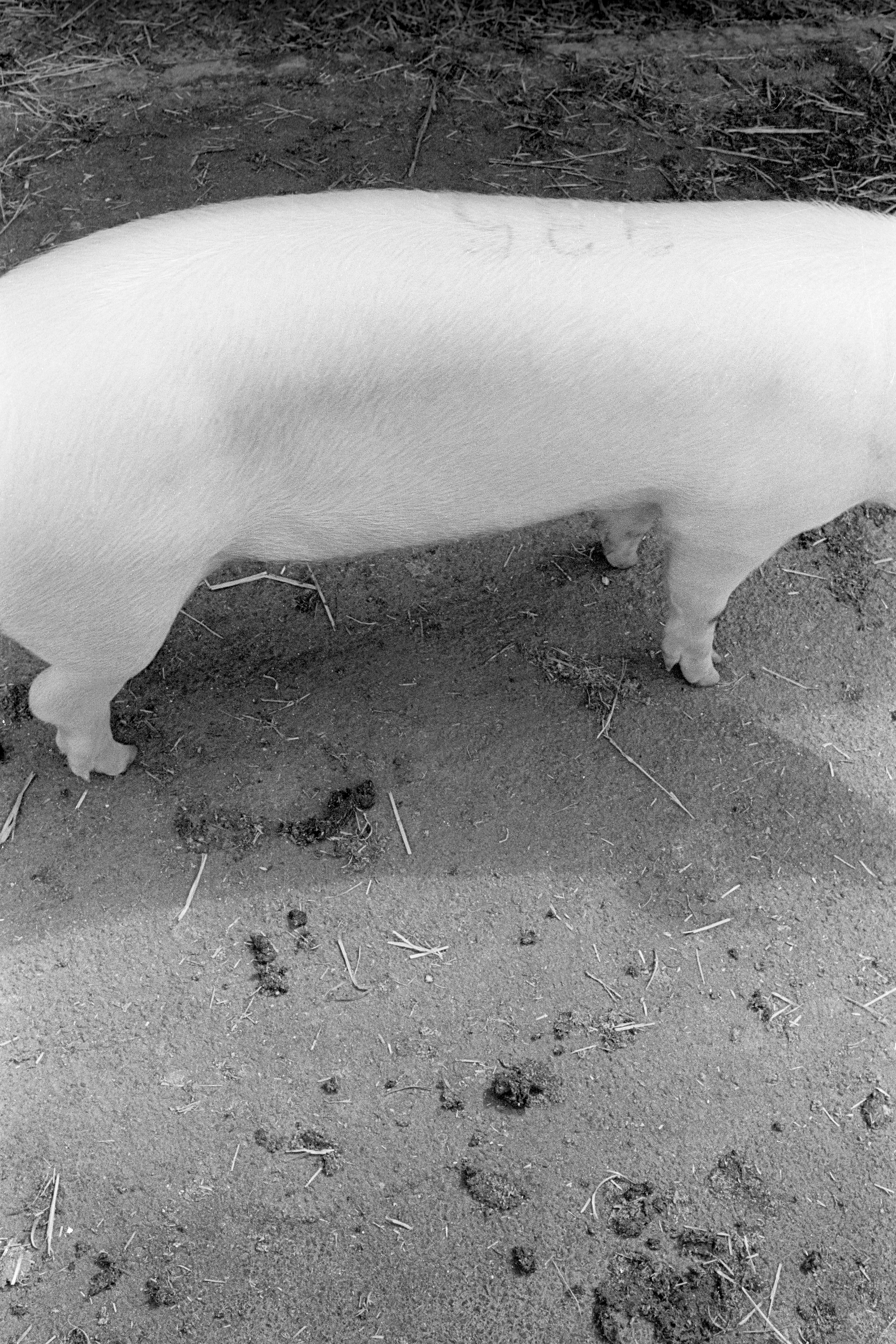
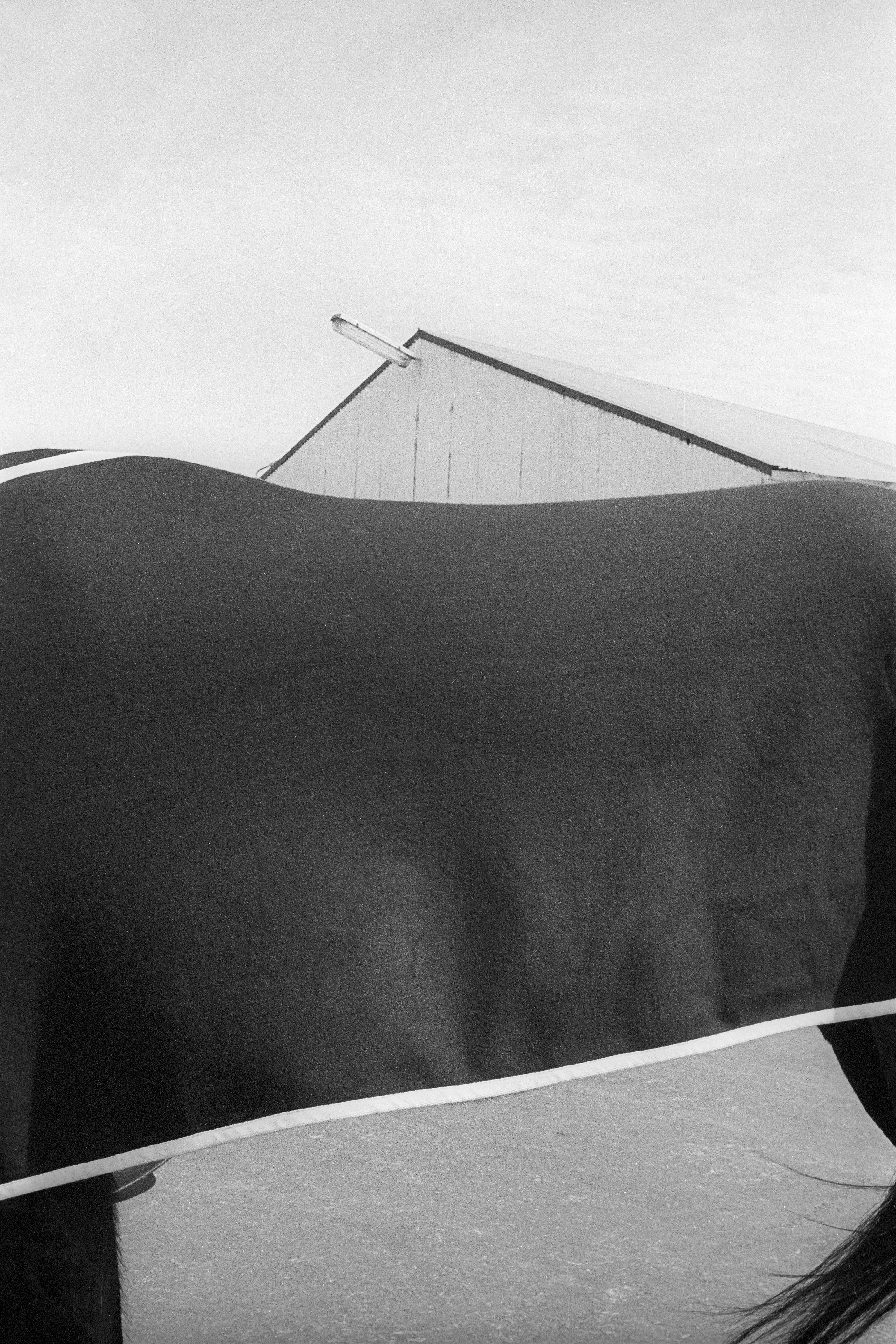
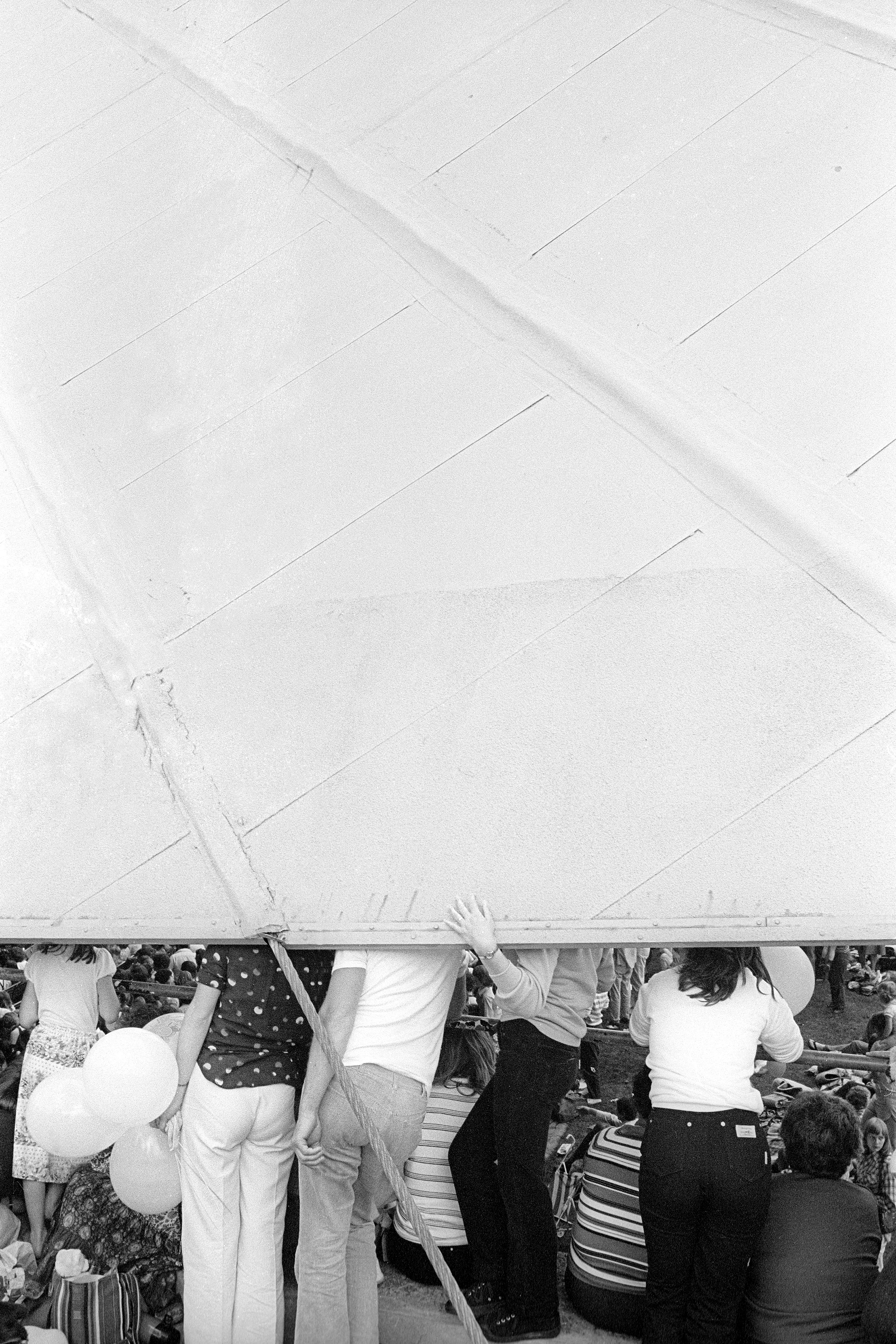
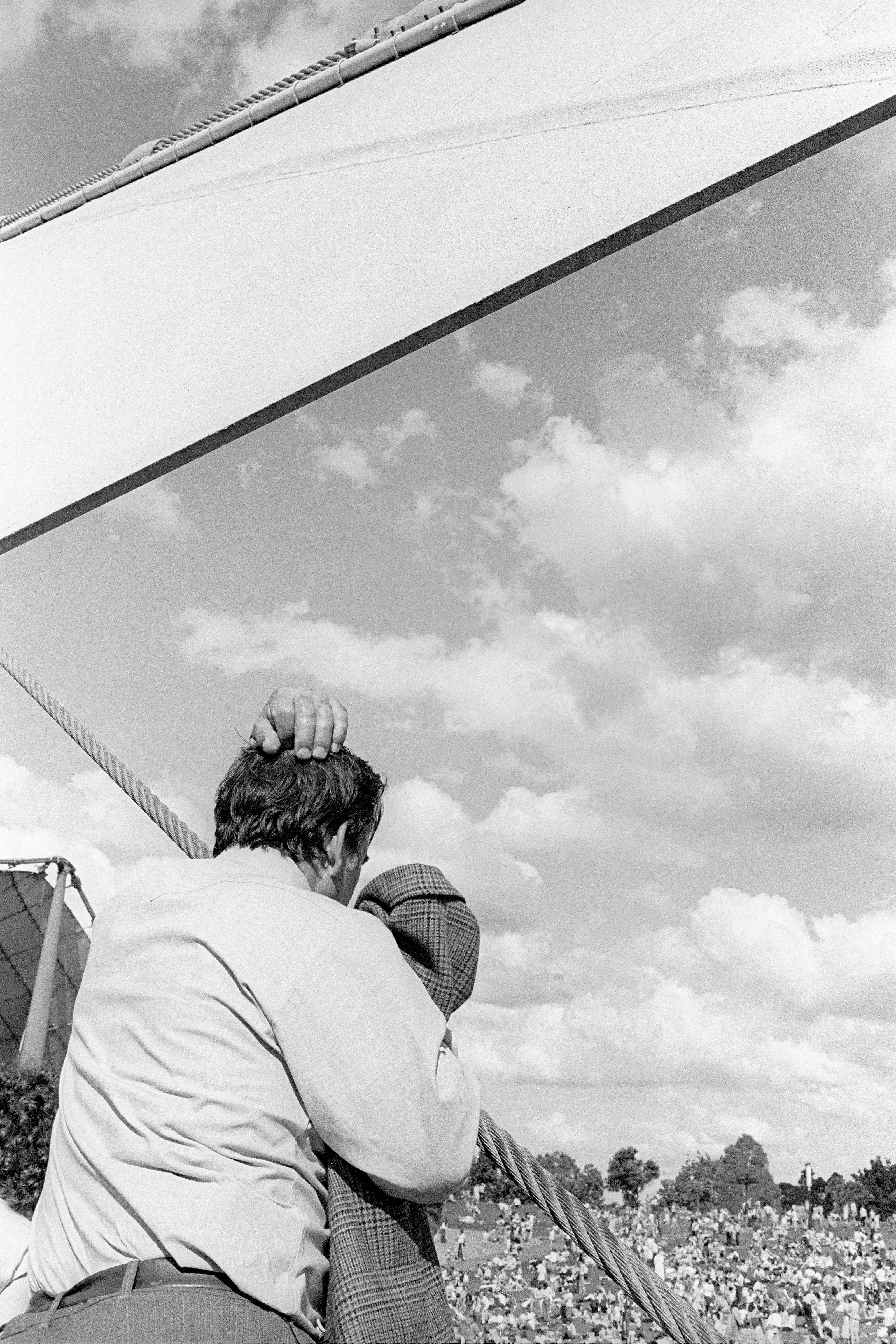
He applied to Prahran College of Advanced Education presenting a folio of images that he had taken over the previous 12 months and graphic and social documentary in nature:
‘I guess I must have impressed them. on reflection though they must have taken a bit of a risk with me. I had only been doing this a year and I was very young. but I’m very thankful they did take the risk.
I was the youngest in the class when I got to Prahran—only 17—and I knew it. Thank goodness people like Jim and Chris [Atkins], took me under their wing, otherwise I may not have survived. I knew about RMIT too, but I wanted the art side of photography, not the commercial side of it, though of course, to have to make a crust afterwards was inevitable. But I was going to be a photographic artist, that was my dream.
Having got to Prahran, I was so in awe at being able to immerse myself in my art that I wasn’t really conscious of wether the facilities were good or bad. The excitement of doing what I wanted to do, amongst people who were just as excited about it as I was. Really it wouldn’t have mattered if we were working out of a tin shed. For the first couple of years I occasionally went back to Brighton to report what I was doing to the next two cohorts of students.
During his time at Prahran Michael worked holiday jobs, washed dishes at night, and lived in nearby East St Kilda with his parents, who were very supportive.
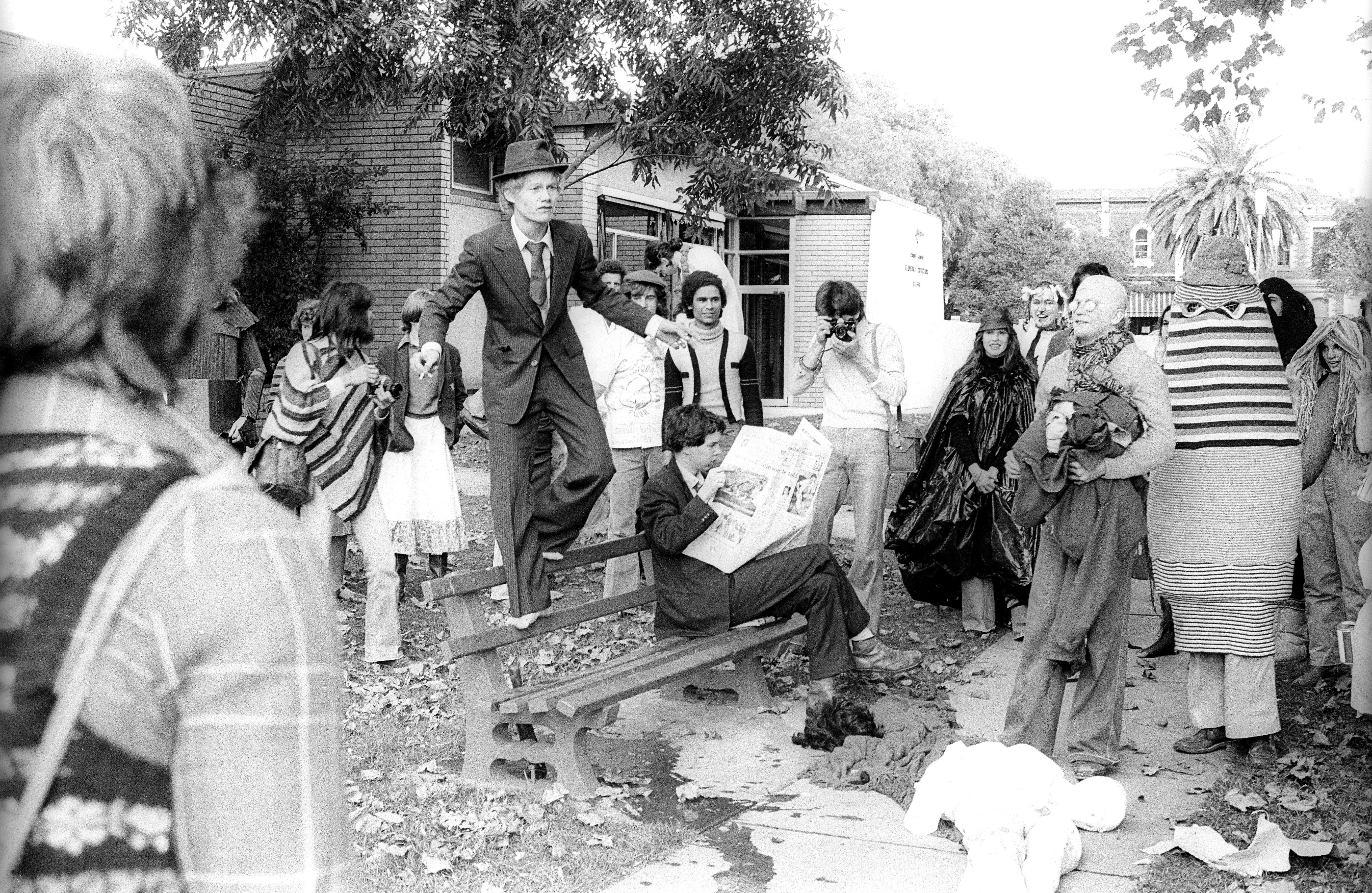
‘Photography in the 1970s was exciting and voyeuristic. The focus on photography of that time was much sharper in Melbourne and Prahran College then was very important in a Victorian sense, which has spilled over a wee bit to other states. I don’t see the same history elsewhere, except maybe out of QCA, but to a lesser extent, as it was a bit smaller.’
He found Athol Shmith and John Cato an inspiration and also technician Murray White, for his practical advice:
‘I learned enough technique to get me jobs in the field, but it did not make me a technician. I was an artist who brought that focus to my work. I didn’t get a whole lot from Derrick or Bryan, although Bryan’s assignment that had the biggest impact on my practice and understanding of light was to choose a building or object to photograph every hour of the day from exactly the same position. In so doing, we observed what the light was doing and how it sculpted the object. Later on, when I was teaching photography myself, I used that with my students.
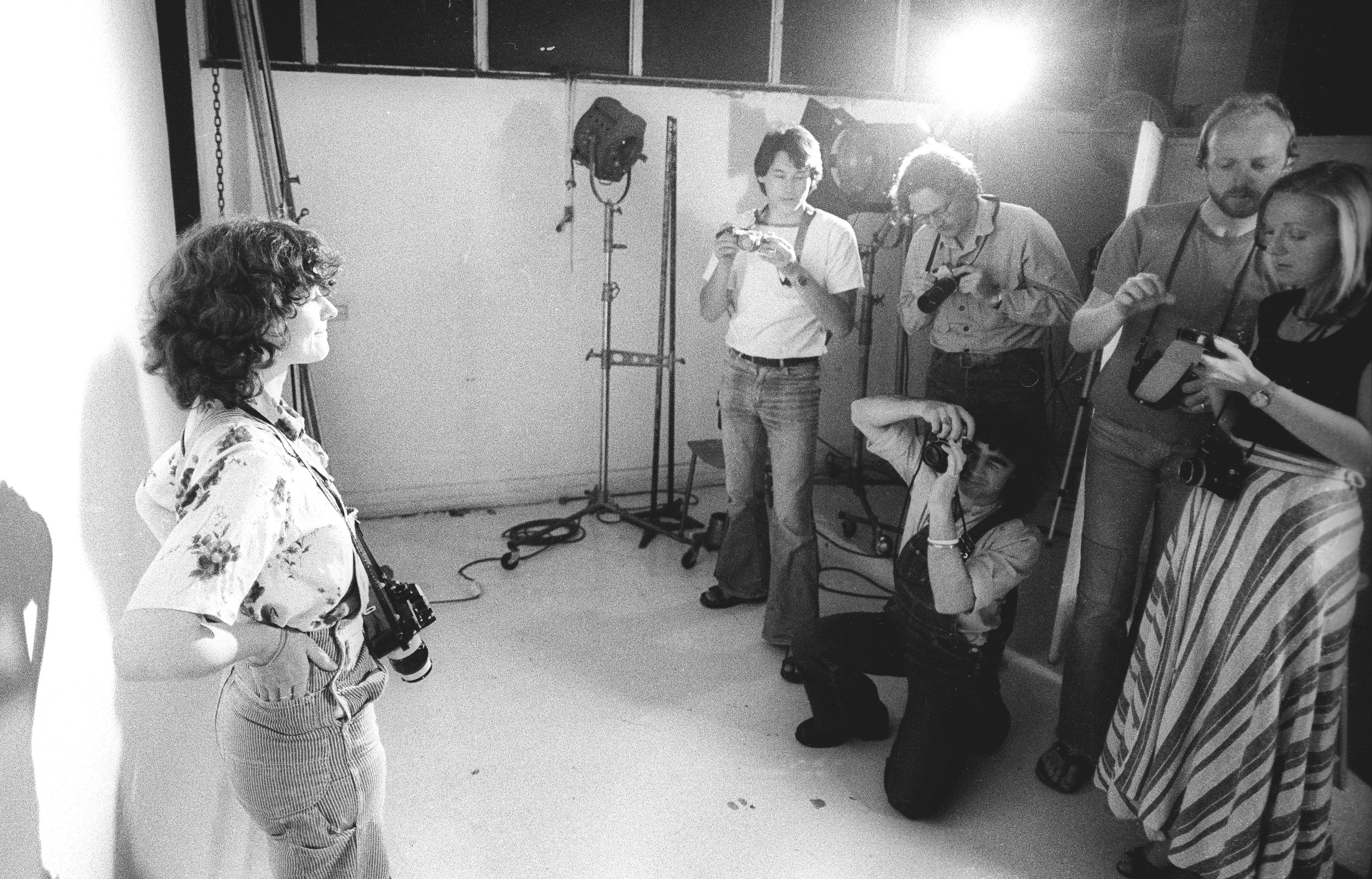
‘Paul, teaching film intrigued me. In terms of film, I kind of just went with the flow and learned what I could—it was interesting, but still images were my thing. I found the assignments Paul gave us the most challenging. He once got us to listen to Sibelius’ 4th Symphony for which we had to produce an album cover. He spoke from a depth of life experience, walked the talk while the others just talked. I got something from them all, probably mostly because there was such a diversity of experiences to be had. There was not just one way of doing things.
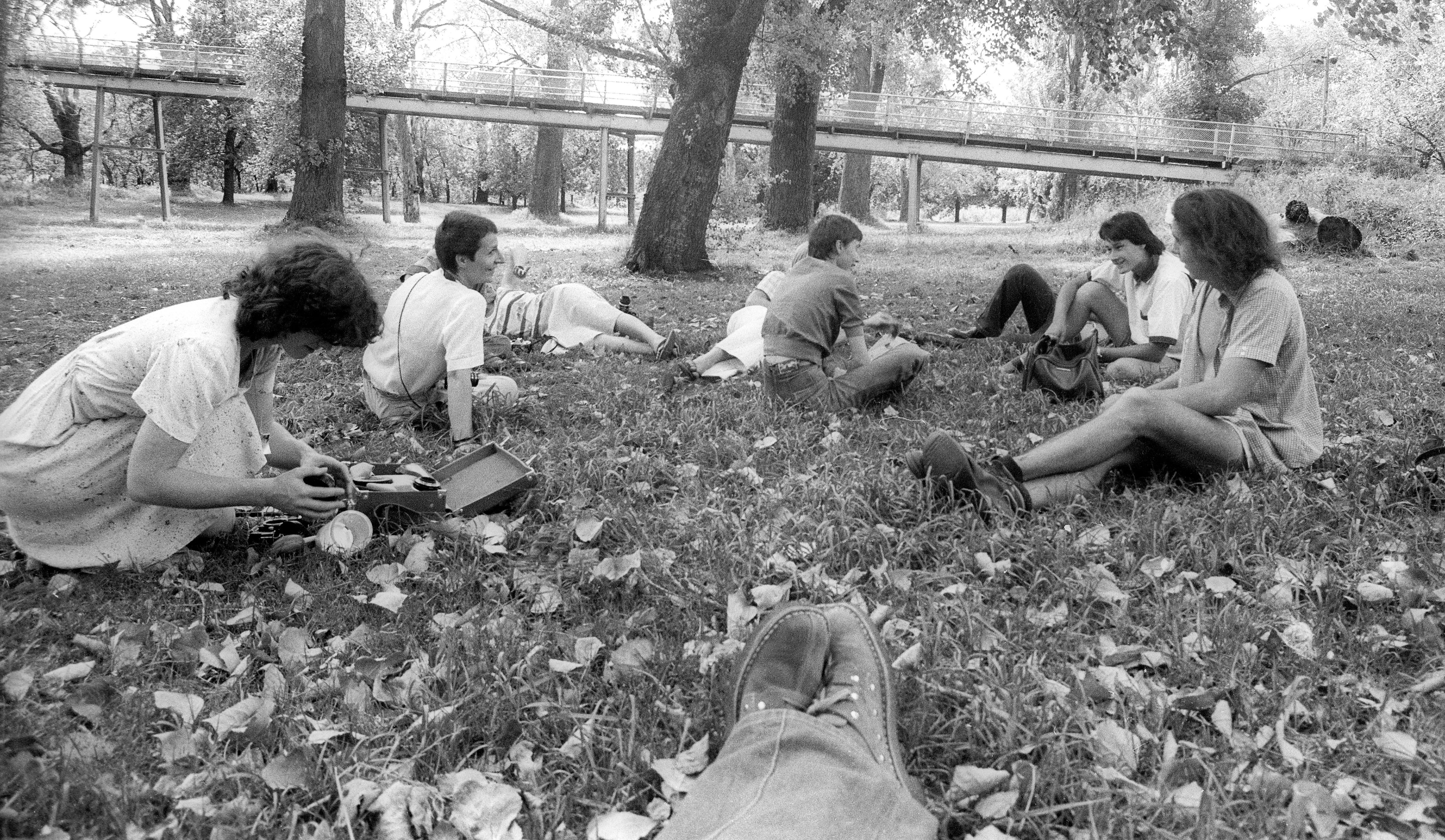
‘By that stage, Julie had been out working professionally for a while and starting to make it and she was always generous with her time, coming back and to give guest classes. It was more my peers, like Chris Köller, that I was looking to, trying to figure out how to make a go of it myself. Being the youngest in my class, I always felt a bit inferior even when they praised me for some of the creative things I was doing.
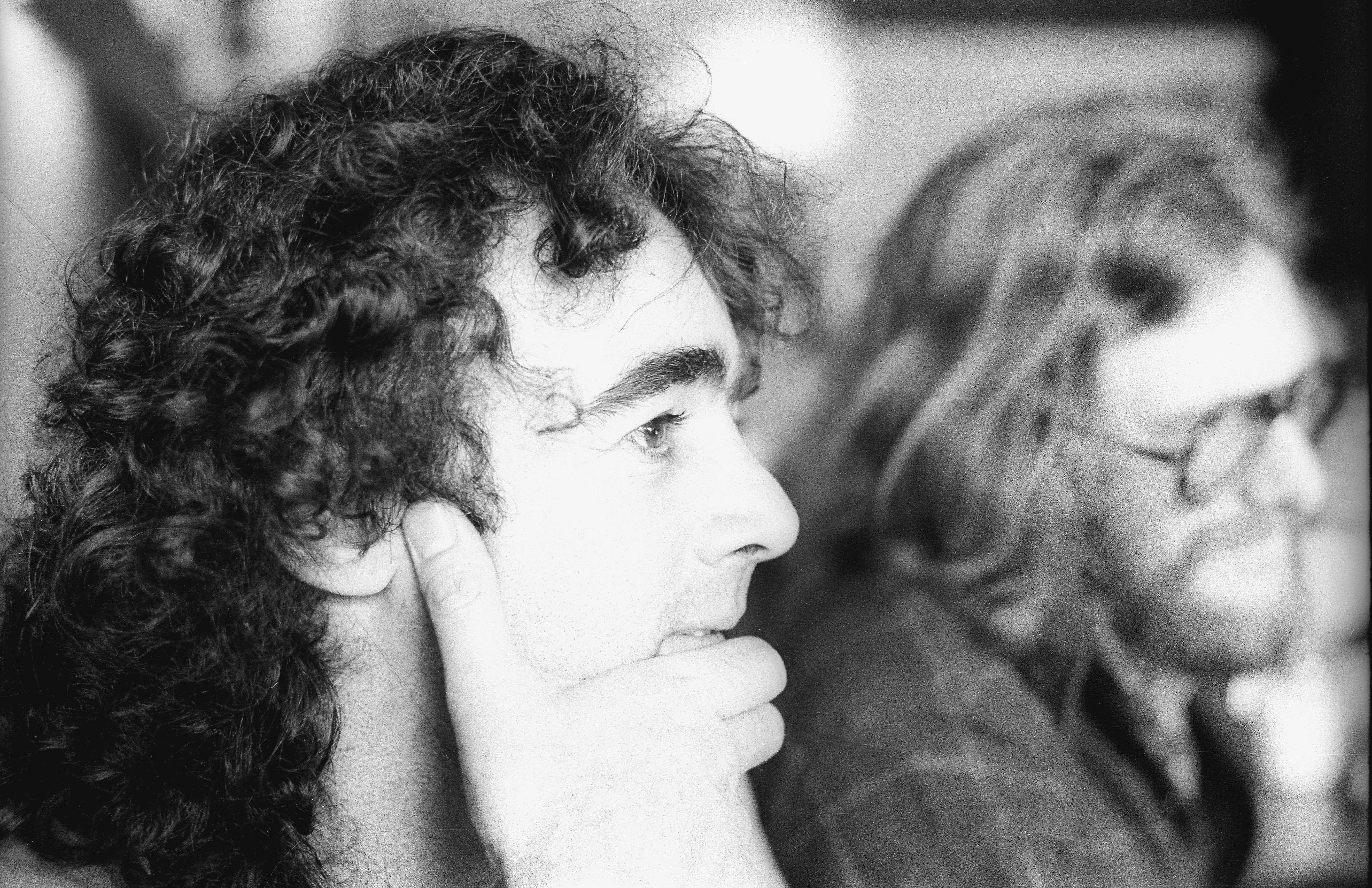
‘In 1978, I remember taking a trip to England, and at the time they had a Henri Cartier Bresson exhibition. That blew me away; up to that point, it was the best exhibition I had ever seen.
‘Printmaking was my elective, and that was my second passion. I did that again years later when I did an upgrade course at USQ to my BA.’
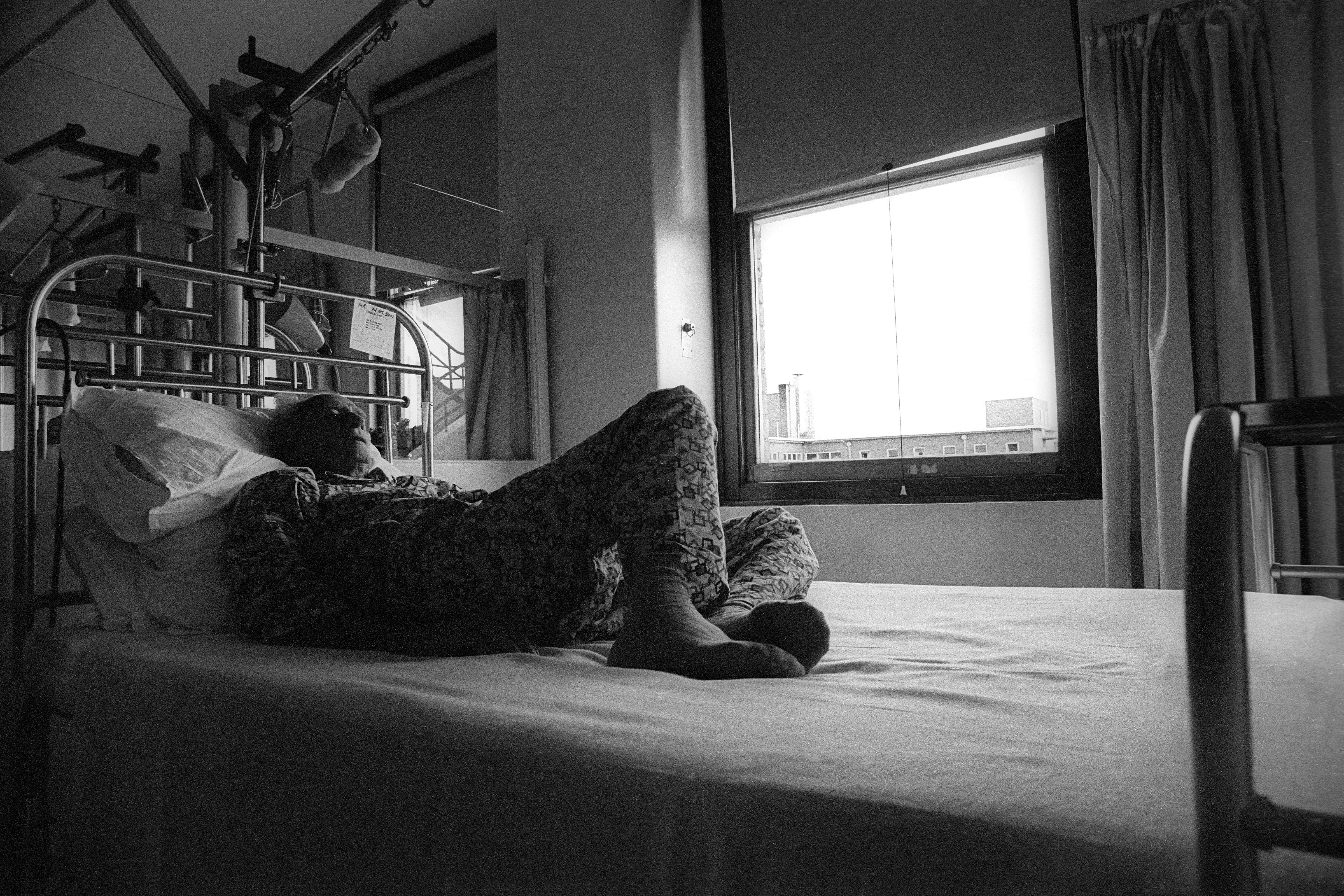
Michael came runner-up in the Royal Melbourne Hospital exhibition, held at the Kodak Gallery on Collins Street, and after leaving Prahran, then aged twenty-one, he got a job at Domain Hill Studios in South Melbourne as an assistant:
‘That was great, but only lasted for 6 months, as he lost a few clients (not anything to do with me I hasten to add). I had a couple of other small engagements, and also worked in the catering industry to make ends meet. However while doing this also photographed and had a couple of small exhibitions.’
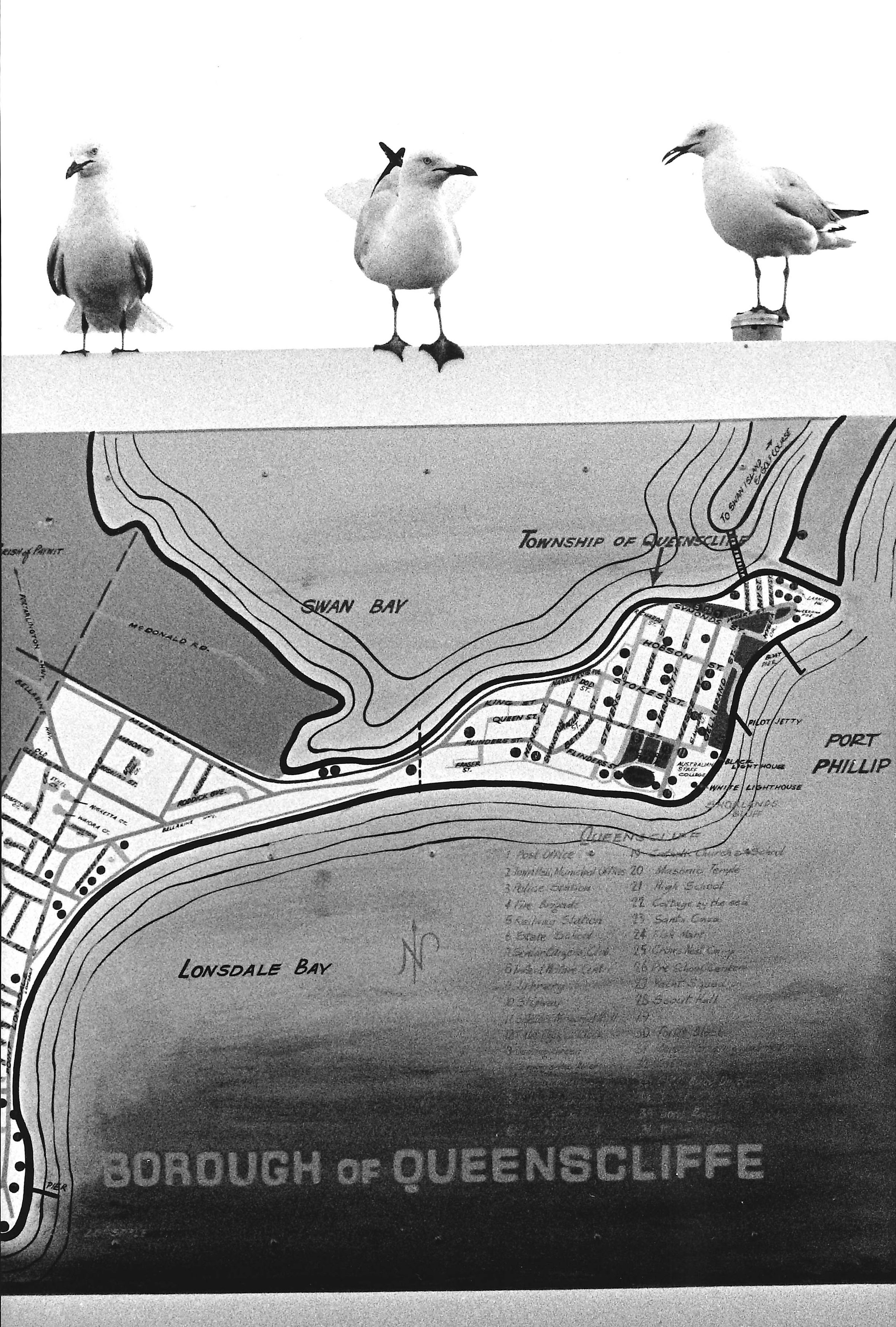
With his wife Kim, Michael moved down to Queenscliff, then back into Geelong to work as a photographer at the Geelong Advertiser where he specialised in public relations, features, and advertising photography; ‘I had to earn my stripes in that way.’ He held small exhibitions, but working amongst a different set of people and not in Melbourne he lost touch with the urban art scene where:
‘the Photographers Gallery was always my go-to, and the La Camera café on Chapel Street. But as I moved out of Melbourne, there was a bit of a dearth of opportunities out in the regions. I had to make my own. I remember taking a trip to England, and at the time they had a Henri Cartier Bresson exhibition. That blew me away; up to that point, it was the best exhibition I had ever seen.
Once I got to Queensland in 1990, it was way more about the Queensland photography scene, which took me a while to come to terms with.
Michael kept in touch with Chris and Jim whose works he admired from a distance, but less following his move in 1990 to Queensland for employment at the University of Southern Queensland as a photographer, specialising in press and public relations work. There the scene was very different again and he was seeing work coming out of the Queensland College of Art and Design (now part of Griffith University), though he has kept in touch with his Prahran colleagues:
‘From time to time when down in Victoria I would see Chris and Jim. Social media has helped with this, sharing images on Instagram. I caught up with Chris Köller a couple of times and followed Andrew Chapman’s career with interest.’
During this time, Sankey also did some casual teaching in photography at the university, primarily working with the creative arts program and exhibiting on a regular basis. In 2001 he moved into an Academic role, having over the previous 11 years undertaken extensive further studies in both Arts and Education, and later attaining his doctorate in 2007.
Until his retirement in November 2024, Michael was a Professor at Charles Darwin University (CDU) where he was the Director, Learning Futures and Lead Education Architect. One of his responsibilities was to oversee the department that provides all the media production support for the academic program, along with other educational design and technology initiatives. He is now an Adjunct at CDU
Michael has held similar roles at other universities and has published extensively, with some 66 peer reviewed publications to his name. Many of these deal with the nexus between the visual and the written word. In some of his favourite papers he has written on the burgeoning ubiquity of photography due to the advent of smart phones and social media.
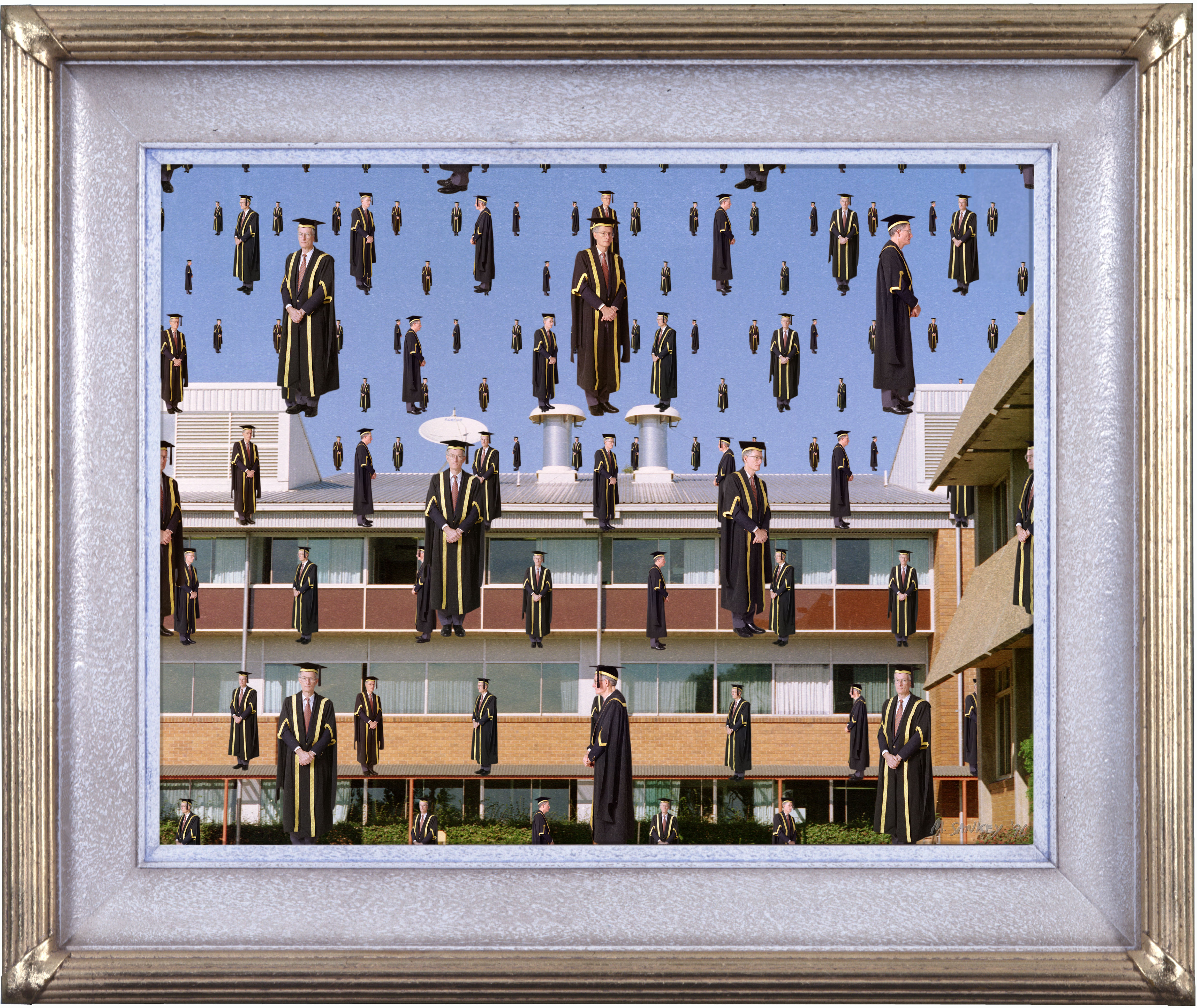
‘For 21 years, I essentially made a living out of photography while doing further studies in Education. I have since been an academic for the last 23 years. I had done a bit of cultural theory along the way and took in as many different types of exhibitions as I could. I was more interested in works that had a theoretical base rather than an opportunistic bent. That helped as I got to USQ as they didn’t have photography as a discipline in its own right, so I got back into more mainstream art practice for a while and brought my photography into that.
But I am still also a photographer. Everywhere I go, I see photographs. I can’t help it; it is just in me. I am taking photographs most days of the week of some description. Being an academic is my job, and photography is my passion. It’s just that i make way more money out of being an academic. LOL! Funnily enough, though, many of the roles I have had at universities have overseen the photography and media departments, and I still do.
Working as a photographer in universities, I also got to teach the medium to the art students, not as their main discipline but as an adjunct to their discipline mostly through short courses. I would have loved to have done more, but the Uni just didn’t have it as a major. But what I learned from Prahran and from my practice since were fundamental to how I taught.
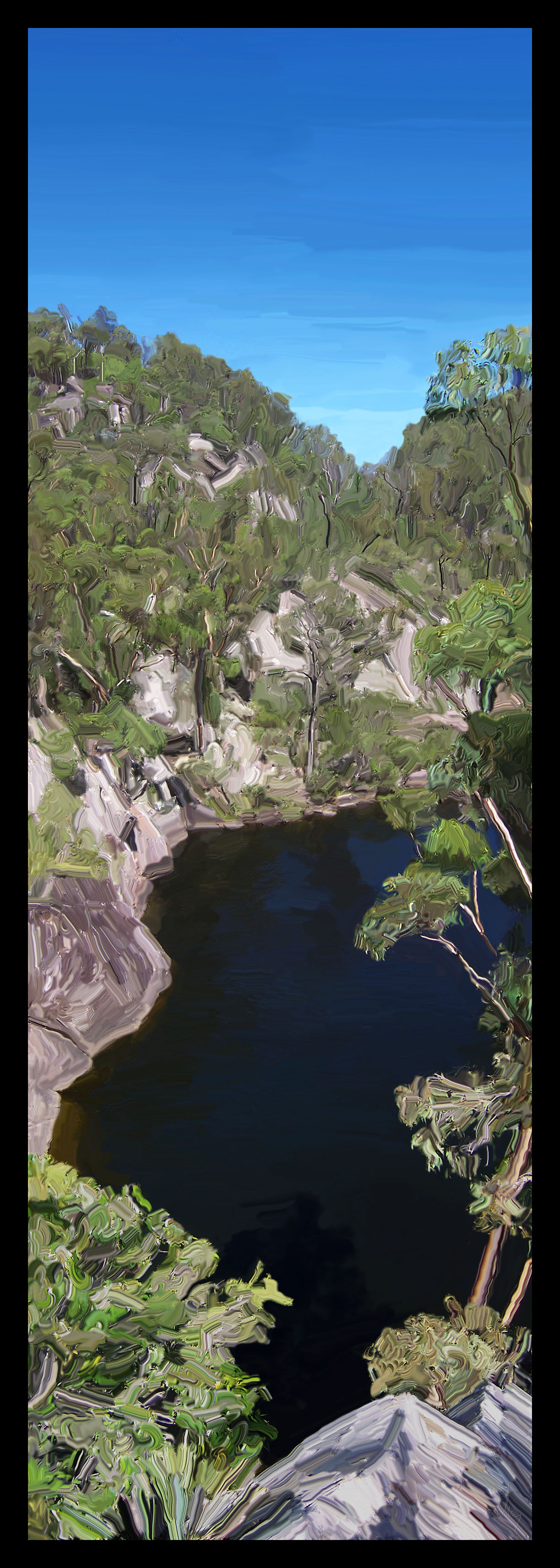
Although photography is no longer his ‘day job’, Michael has continued being an active practitioner in the arts having held five solo exhibitions and been involved in 21 group exhibitions and has works in a number of public and private collections.
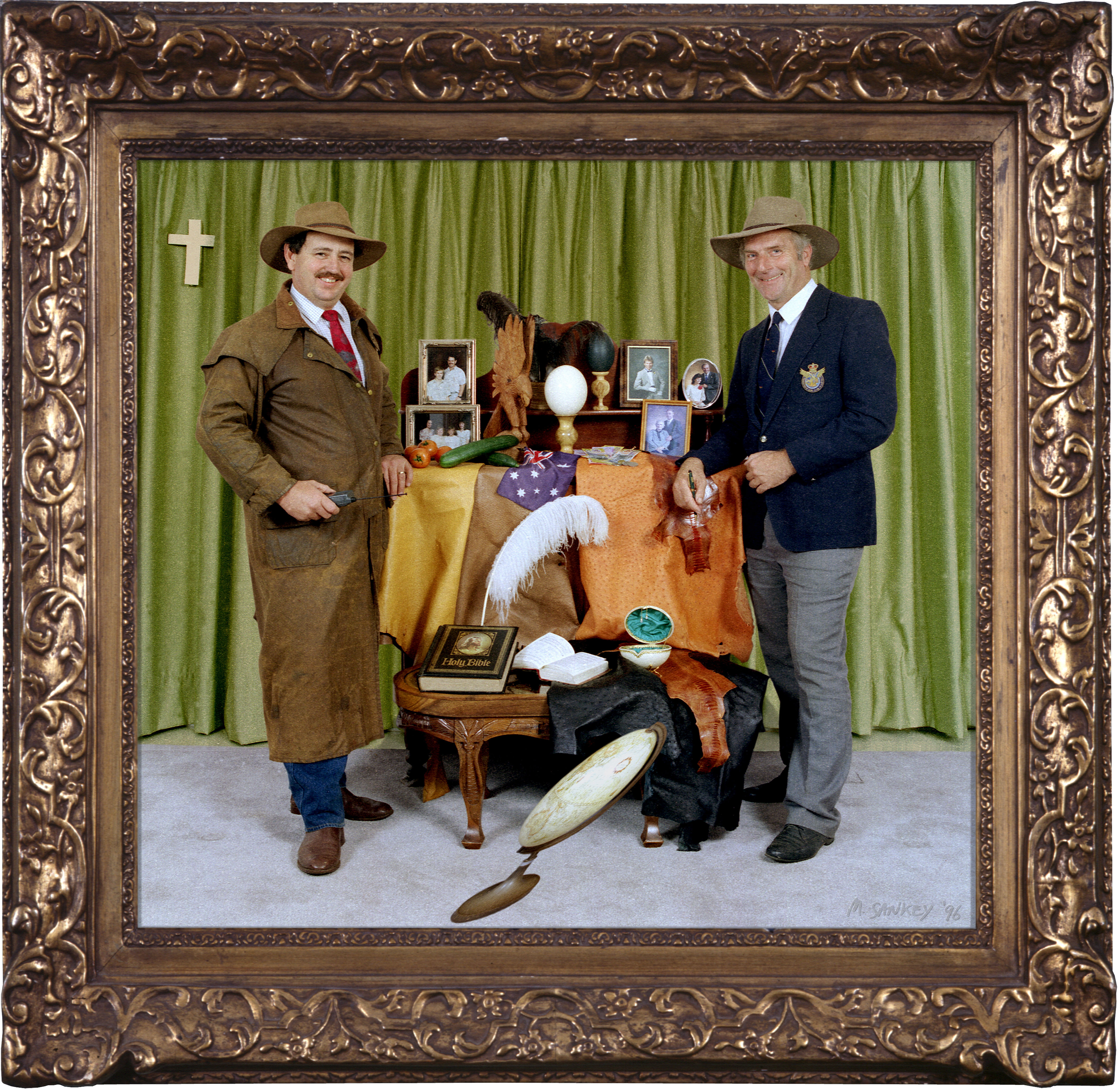
I suppose my style is best described as eclectic, a diversity of practice. I bring in lots of genres into my work, but it is strongly influenced by design, shapes and light. And more recently by using the iPhone. I find it quirky and fun. I think my best is yet to come though, and I’m looking forward to retirement to go to the next level in my art.
He is an active user of social media, particularly Instagram, where he shares his ongoing visual diary, and on his WordPress site he expresses his thoughts and ideas. His ePortfolio is the centre piece of his professional identity. Asked what has been the impact of digital imaging and artificial intelligence on photography and his own practice Michael expresses optimism:
AI is up against our pride in what we do with our human intelligence, which stands in stark contrast. I think it will have a bigger influence on the younger generation. Digital imaging is just a different form of capturing light, though what happens after you have the image is quite exciting. I have done quite a bit in that space, in fact, my Honours portfolio (Differing Views) was all about digital image appropriation and repurposing/modernising historical works. It’s just all part of the new continuum of image-making.
 Prahran Photography
One thought on “The Alumni: Michael Sankey”