
Philip Quirk, an Australian photographer, photojournalist, and educationist, was born on 11 November 1948 in Melbourne to mother Phyl, and Valentine Quirk, a communications engineer. Raised in East St Kilda & Caulfield he briefly studied Business at RMIT after completing Matriculation.
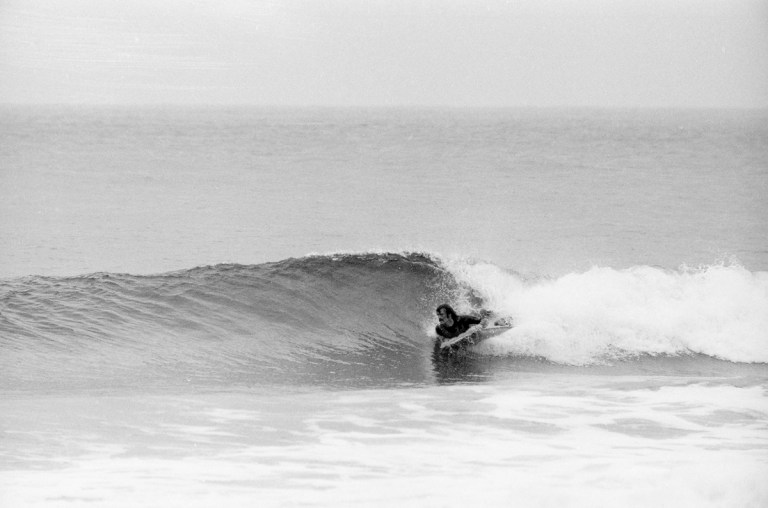
Quirk’s early passion for surfing faced a setback;
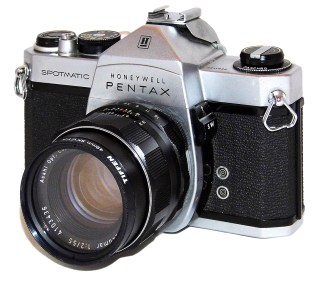
“I was surfing when I was 15. On weekends, I surfed around Anglesea before moving to Torquay at the age of 18. In 1968, I broke my right arm/shoulder badly in a car accident and unable to surf, took up photographing friends, local surfers and iconic breaks like Bells Beach with a Pentax Spotmatic and a telephoto lens.”
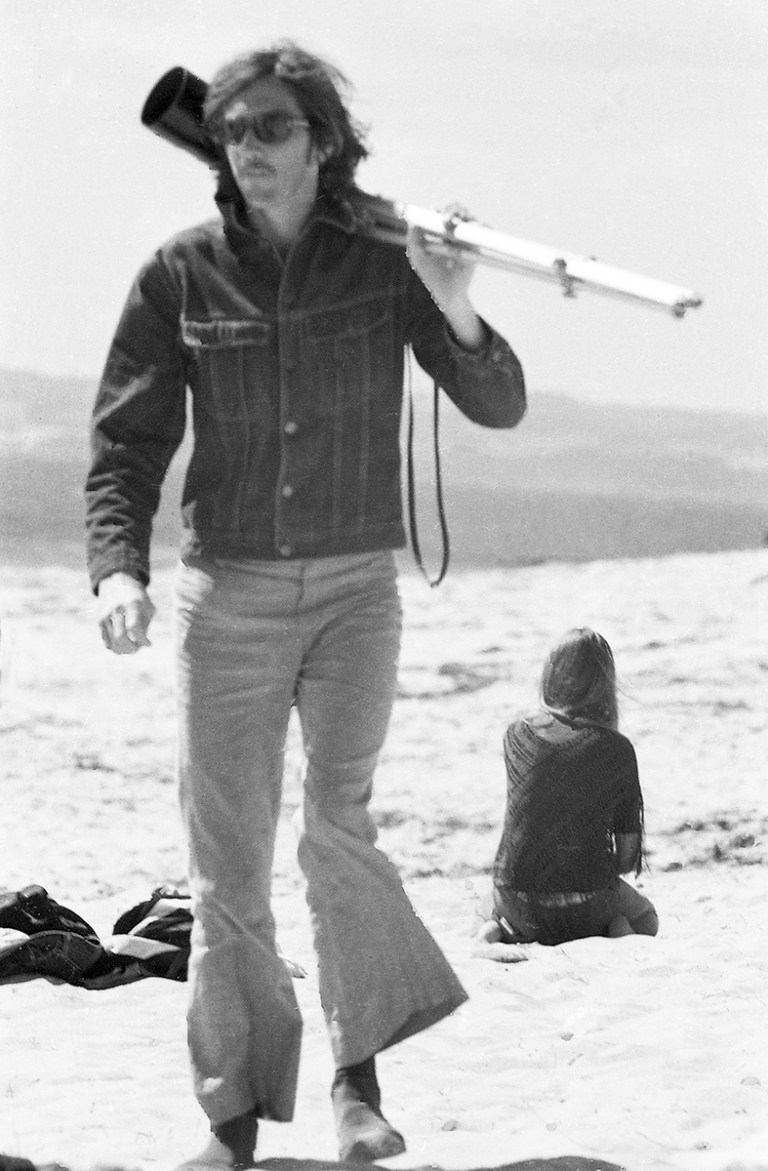
Quirk worked, before taking up his studies in photography, at the Reserve Bank of Australia (Melbourne Branch);
“It’s where they printed the currency for Australia and for a young man it seemed pretty interesting. I had great work-mates and unusual occasional jobs like being the supervisor of an armed vehicle carrying more than $A2 million in pre-decimal currency being taken to be burnt and replaced with the newly-minted dollars. I also carried a gun, but the real protection was a couple of seriously large detectives in an unmarked car following behind. But it was nothing as good as being a photographer.”
In 1970 he met and was mentored by Melbourne fashion photographer Bruno Benini;
“…meeting Bruno and (Bruno’s wife) Hazel set my direction in life. I began assisting Bruno as soon as I resigned from my full time job at the Reserve Bank. At his suggestion I entered a photographic competition called the ‘Age of Aquarius’ sponsored by Ilford. My work was selected in the 10 finalists and Paul Cox won the prize. I was eventually disqualified because I was not considered a professional.
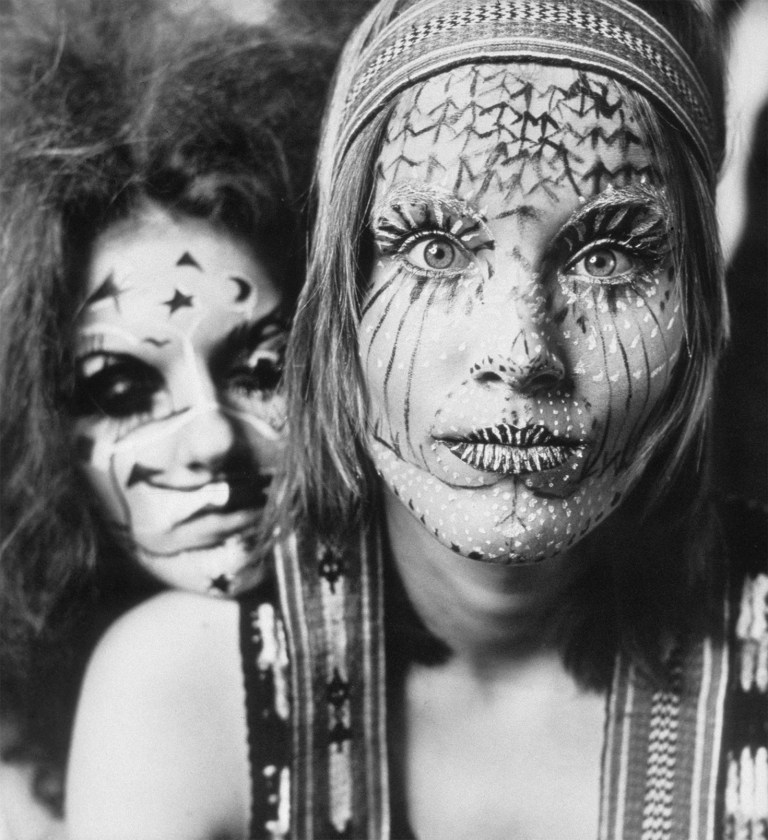
“Bruno encouraged me to apply to study photography. The choice was RMIT or Prahran College of Advanced Education. We decided on Prahran because RMIT sounded formal and possibly boring (then). By coincidence Paul was the senior lecturer at Prahran, had heard about me and my brief glory with Ilford & accepted my portfolio giving me a place in the course in 1971. I skipped the foundation year because of my age and work experience. They thought correctly that I was ready to learn and as soon as I realised I was able to shoot a reasonable photograph, learning became easy.”
“My portfolio consisted of the Age of Aquarius photographs. Bruno and his wife Hazel were delighted by the outcome.
“The environment in the basement photographic department was about learning but was also friendly. People got on together, we were a family of sorts working in a special space that felt like a cocoon. The lecturers, Paul Cox, Athol Shmith, Derrick Lee and Bryan Gracey were accessible. Athol had a tiny office adjacent to the main lecture room and the door was always open, maybe there wasn’t a door. He smoked using a cigarette holder and he welcomed any student wanting to have a chat.
“Paul in particular set interesting assignments. I recall we had between one and two weeks to complete the work & it had to be framed or mounted on board at least. The department had a hot-press mounting machine always in use by all three years of Prahran students.”
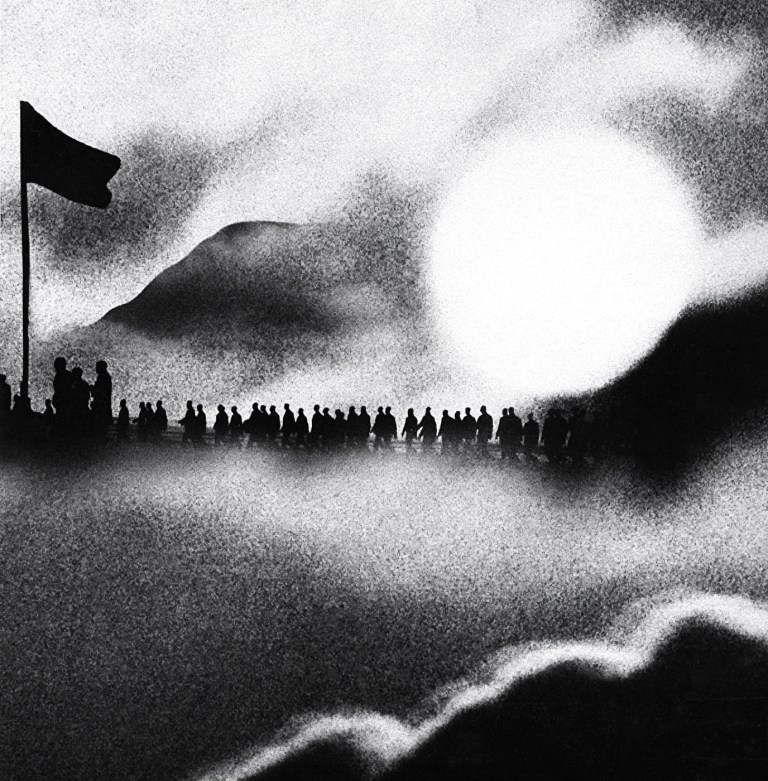
“One of Paul’s assignments was to make a record cover for a piece of music (possibly Vivaldi’s The Four Seasons). The image I submitted [above] for the assignment was shot during an Anzac Day dawn service at the Torquay War Memorial, Point Danger. The the landscape is actually a full moon rising over Torquay shot with my 500mm surfing lens and in Bruno’s darkroom we managed to create this montage from the two negatives. Paul and colleagues awarded me a 10, the one and only time I achieved such an honour.
“I can’t choose between John or Athol as to who had more influence on me; both were dynamic, both with back-stories to excite your imagination. Then there was my dear friend Bruno Benini. What an introduction to photography in the early 70s!
After graduation, Quirk joined the Southern Cross Newspaper Group as a photographer and became a lecturer at Gordon Institute of Technology and Photography Studies College.
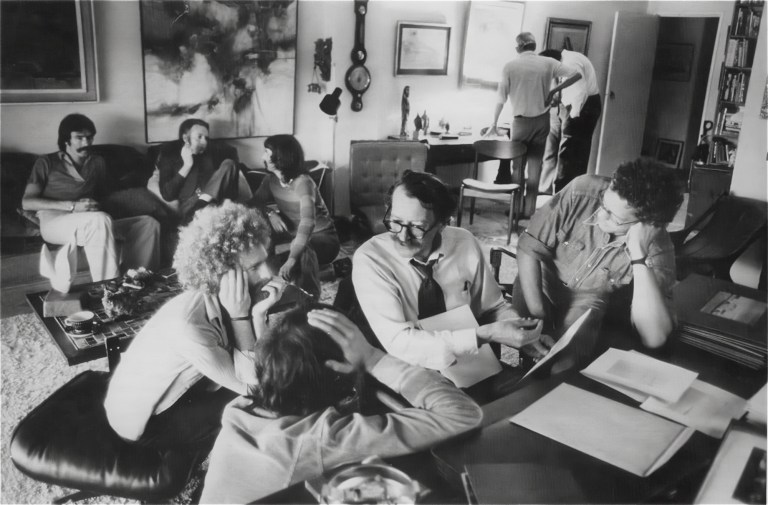
No wonder I stuck to my vision, and with Gael Newton as an advisor to the newly formed Australian Centre for Photography, I was one of 6 photographers exhibiting at the inaugural exhibition there in 1974.
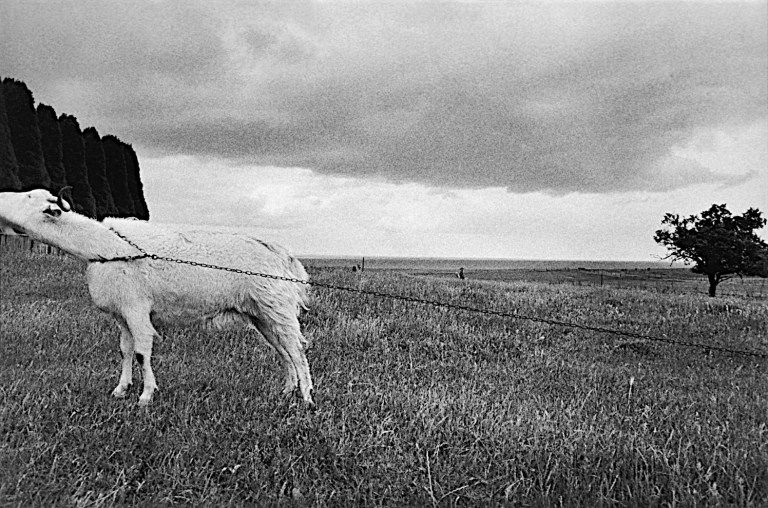
In 1976, he moved to Sydney to start his freelance photojournalism practice, also teaching part-time at Sydney College of the Arts and co-founding the Wildlight Agency.
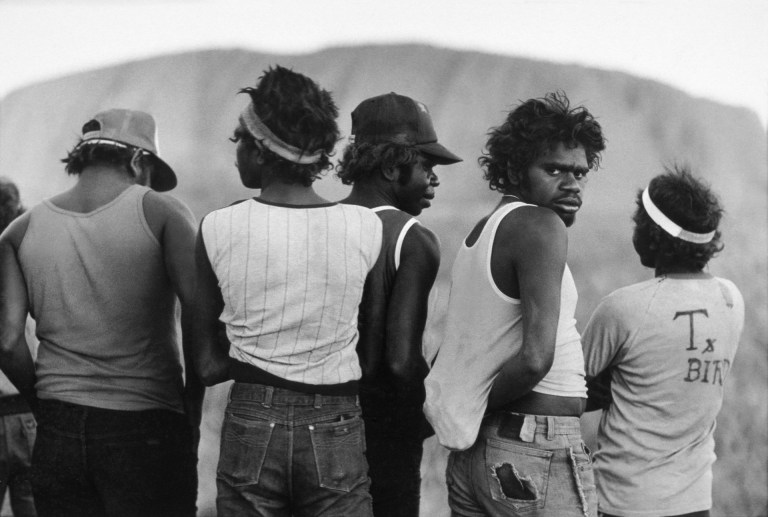
As a founding member and managing director of Wildlight, Quirk played a pivotal role in its development. The agency aimed to provide a platform for Australian photographers to connect with international publishers. Over the years, Wildlight gained recognition, and Quirk’s photographs found their way into prominent publications such as The Sunday Times Magazine, National Geographic, and Stern.
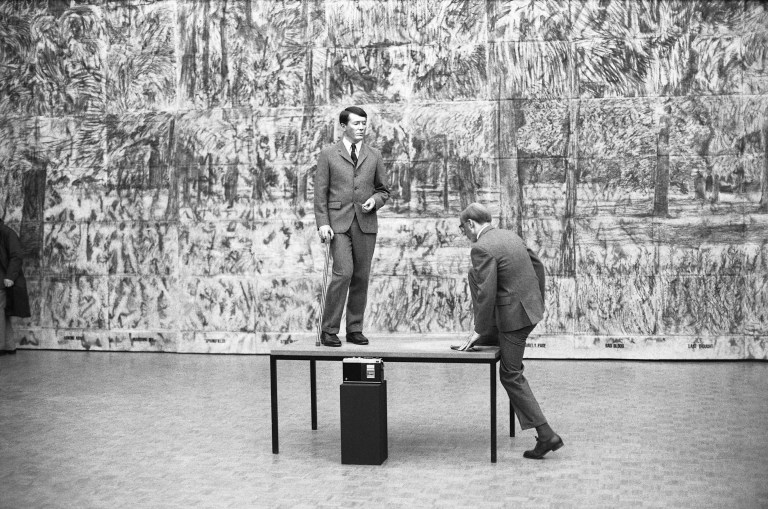
Throughout his career, Quirk continually exhibited his work, showcasing early street photography, mature landscapes, social documentaries, and portraits of Australian personalities. His use of panoramic photography, particularly with the Linhof Technorama 617, became a hallmark of his style, capturing the vastness of the Australian landscape.

Quirk’s contributions extended beyond photography; he was involved in teaching and served as the Chairman for Australia and NZ of the World Press Photo Joop Swart Masterclass from 1998 to 2013. He also engaged in industry representation, serving as spokesperson for the Society of Advertising, Commercial and Magazine Photographers and was involved in the early development of The Australian Centre for Photography.
After stepping down as managing director of Wildlight Photo Agency in 2003, Quirk continued his involvement in the industry, taking on speaking engagements, archival work, and personal projects. His dedication to photography, education, and industry representation has left a lasting impact on the Australian photographic landscape.
After a long and successful career in photography Phil muses;
“While my memories of Prahran Days are fading, what is important to me is the place, the lecturers and students who became life-long friends. How fortunate was I to be in an art school in the ’70s where the beginnings of photography as art was recognised and accepted!”
 Prahran Photography
19 thoughts on “The Alumni: Phil Quirk”