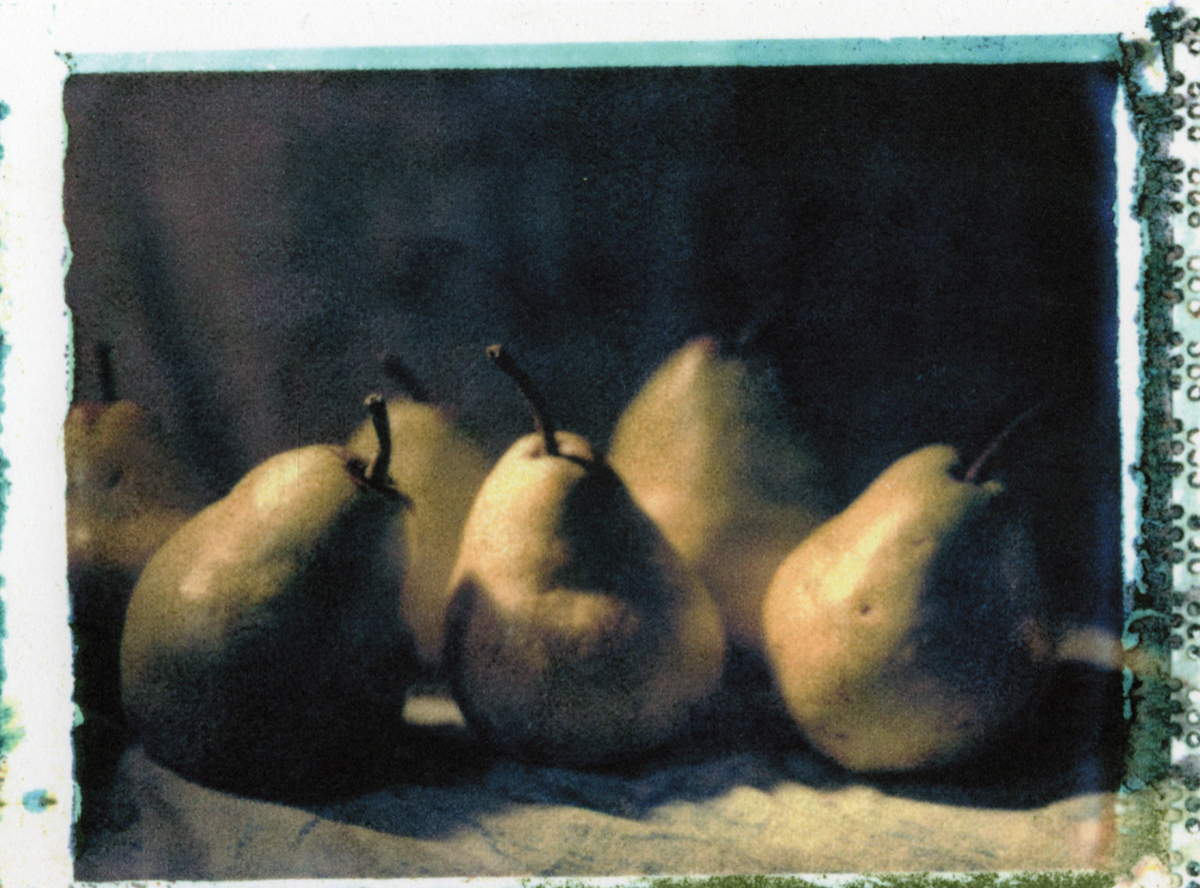
Prahran alumnus Lynette Zeeng writes of her long and eclectic career in photography:
My commercial career began as a darkroom operator then moved to newspaper and magazine photography extending to long years working for advertising agencies, designers, leading Australian book publishers and a variety of magazines. In the early 1980’s whilst still continuing to work commercially, I used my very strong skill base to encompass fine art photography and education. In 1998, I consolidated my teaching skills by completing a Master of Arts at RMIT. I embraced on-line teaching when it was in its’ infancy and my innovative approach resulted in invitations to deliver papers in America, Europe and New Zealand. While running the photography department at Swinburne, I became Academic Director of Learning, Innovation and Quality for the School of Architecture and Design at Swinburne University/Faculty of Health, and developed a new Photomedia degree. In 2017 I completed a PhD at the University of Melbourne.
At the age of sixteen, I left school and home, obtaining work as a typist in the advertising agency, Castle Jackson’s, completing my high school education at night-school. After working administratively with a range of talented creatives for several years I decided this was the type of career I would pursue and enrolled full time at Brighton BayTech [equivalent to a current TAFE course]. My initial interest was in graphic design but the course introduced students to a broad range of art and design subjects including photography, which became my passion. I was particularly interested in experimental work in the darkroom. After one year at Brighton, I chose to study photography at Prahran, because while RMIT students’ work displayed ‘great technique’, I felt their work ‘lacked soul’.

Head of Department at Prahran when I was there was Gordon De Lisle who did mostly administrative work but no official classes. Lecturers at that time were Paul Cox and Derrick Lee. Derrick taught some lighting and camera techniques. I distinctly remember one class where we had to use a 5×4 and get the back and front of a chess board in focus but not the sides. With a lot of manoeuvring and twisting of the camera bellows, I managed to do it. This technique, although frustrating at the time, was essential for my commercial 5×4 practice. I especially remember Derrick showing us painting-with-light which I used for one element of teaching light in my classes. During that first year, Paul came into the class one day saying ‘I’ve ben told I have to teach you something’. So while smirking, laughing and puffing on his pipe he proceeded to read verbatim from the Kodak book of filters.
After my first year,1972, Athol Shmith replaced Gordon De Lisle as head of department. Between Gordon’s departure and Athol’s appointment there were a few months without a leader. Athol did give us one class on lighting but it was mainly tungsten lighting then. It was not until I was freelancing that I taught myself studio flash lighting. Unlike most of the alumni of my year I became a studio photographer rather than a photojournalist. Paul was busy with his own film work so for me he wasn’t there much—in fact the school Steinbeck for editing film was at his house! This made it difficult when in third year one subject was cinematography and we each had to make a short film.
I believe the most valuable lessons I received there were from Bryan Gracey and Andy LyelI in the darkroom; skills and techniques that became a significant part of my teaching and professional work. I would spend as much time as I could in the darkroom and believe with Andy and Brian’s guidance I became a very proficient darkroom technician. Many times I thanked them for what I had learned. In 1987 I had to take photos of Billy Joel, all his musicians and entourage for visas for their Russian tour. As it was pre Photoshop, I literally had to work all night to get the film processed and the negs printed in time for the deadline. One image for Cato Design involved superimposing exposures of three separate negatives; a job now made simple with Photoshop which was unavailable then. Both these jobs drew on the training I received from Andy and Brian.
At Prahran I met classmate Peter Burgess with whom I have continued to share my life. Peter also completed the Photography course at Prahran, moving onto a career in film editing and sound design. In 1982, as a professional, Peter did the sound editing on Paul Cox’s award winning film, Lonely Hearts. Over his career Peter has worked on many major Australian and international productions and has won several awards for his editing sound design work.
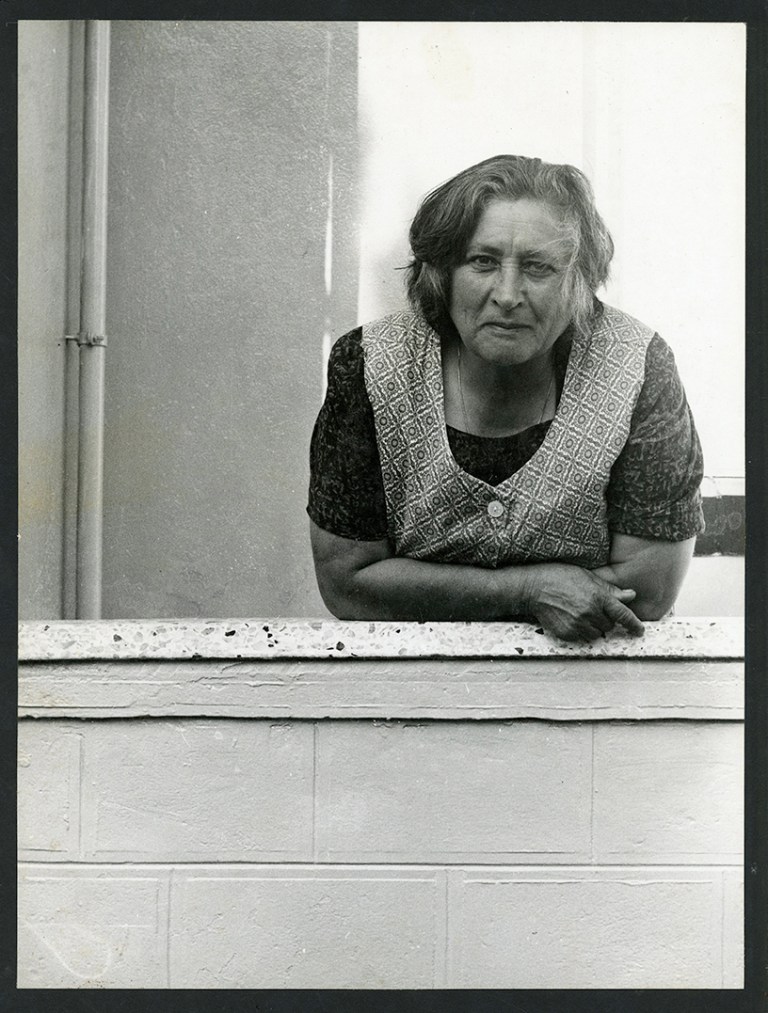

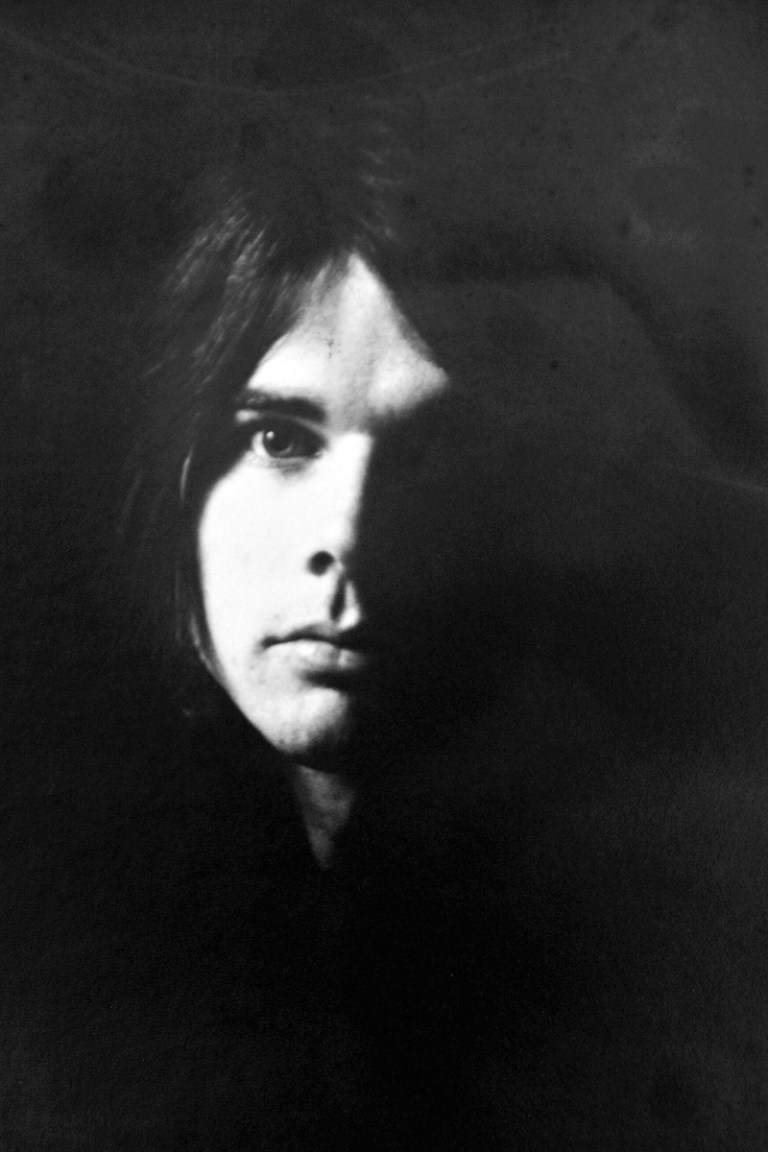

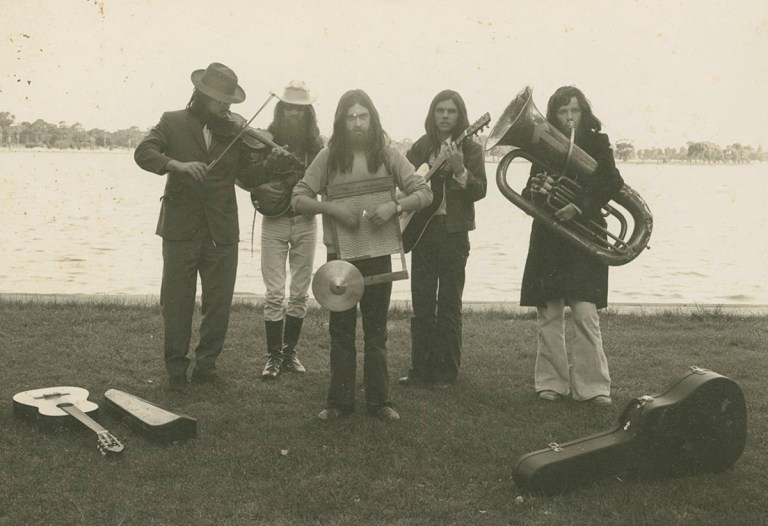
We became friends with fellow students John Brash, Michael Cullen and Bill Morris. The four guys with Ross Chandler formed a band called Biggles and the Fly Boys. Many a night was spent listening to them rehearse!
On leaving Prahran I worked for the highly regarded Val Forman Photography, Collingwood as the colour darkroom manager. I soon realised that I did not want to be a darkroom specialist and after a couple of studio and darkroom jobs, I applied for a position as studio assistant at advertising agency Castle Jackson. Such was their confidence in my skills, I was given the job without an interview taking place and was quickly promoted to sole studio manager.
When the agency closed, I established my own studio with several graphic designers in Bennetts Lane Melbourne. There were few women photographers in Melbourne in the mid-1970s and none with their own studio. But nobody told me that!!. To establish a client base, I contacted art directors and designers I had worked with, all of whom gave me work ranging from hardware catalogues to editorial work for magazines, photographs for newspaper editorials and social pages, and executive portraits for companies and institutions including Price Waterhouse and the Law Institute. One of the group was Robert Pearce, a very talented designer, who unfortunately was an early victim of AIDs in 1989.
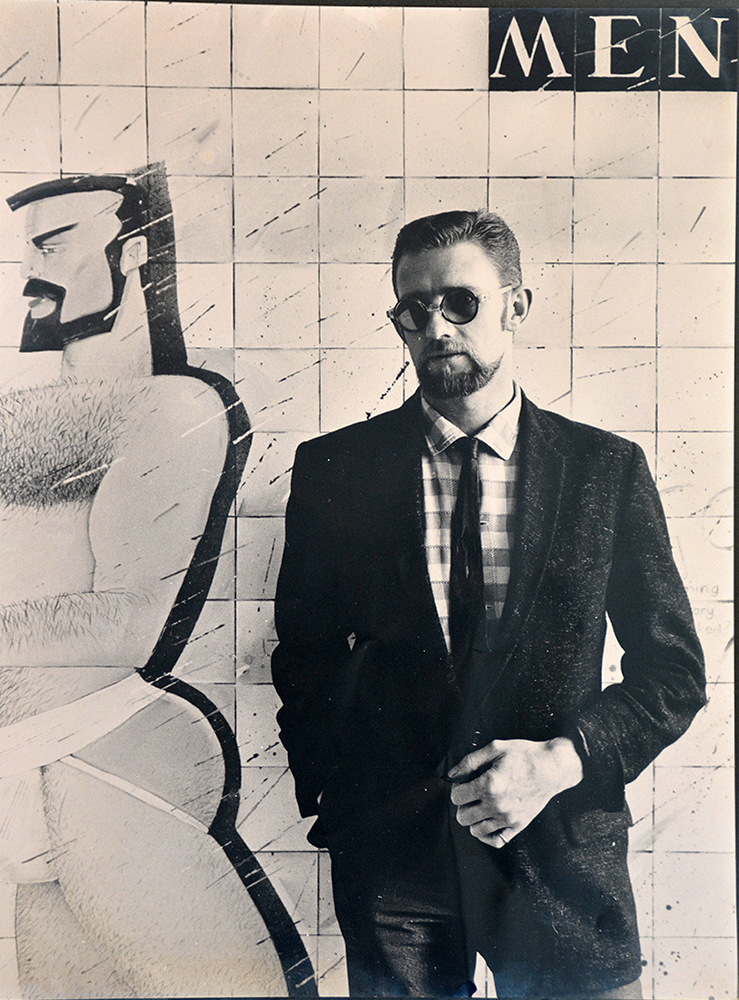
The work extended to include book covers and illustrations, photography for a variety of magazine including Womans Day, House and Garden, Ita and Country Style. Although I am essentially a studio photographer, the magazine work I did led to many opportunities to photograph some remarkable people including Noble prize winner Sir Macfarlane Burnett, and Research Biologist Sir Gustav Nossal, with a major highlight for me being to photograph film and stage star Deborah Kerr (of The King and I) at the Windsor Hotel. Apparently she loved Australian beer and the photo ended up on the cover of Womans Day.
Amongst the bands I photographed were The Angels, Little River band, with whom I spent a weekend with on Great Keppel Island, Peter Allen, Tina Tuner and Billy Joel. Frankie Valli was easy to photograph; he said he liked me because I was almost at his eye height as we’re both shorter than average.
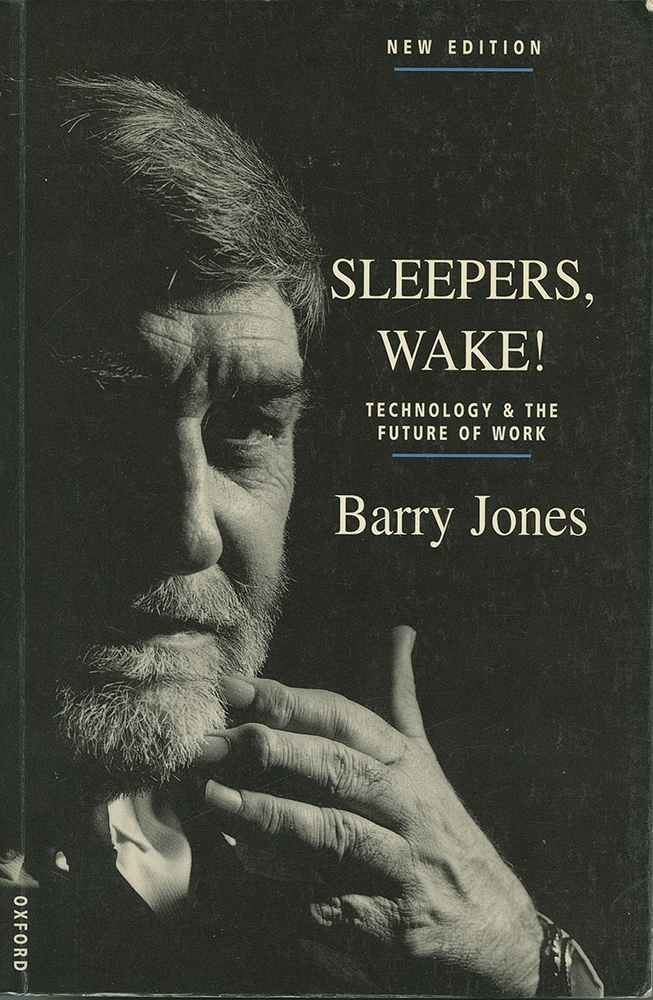
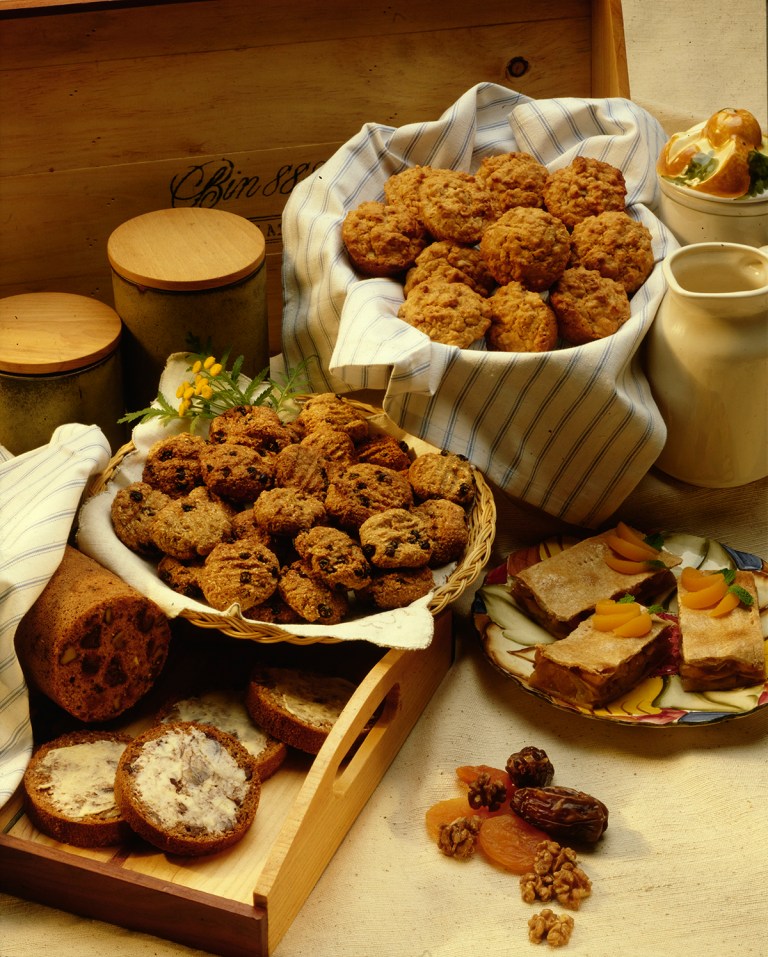
Finally, and most rewardingly, my career shifted totally into advertising and food photography.
When the building in Bennetts Lane was sold I moved my studio to High Street Prahran, sharing the space with three other photographers, a film production company and a colour printing lab. I continued working with publishers and advertising agencies as well as a range of new clients with diverse portfolios. Making use of a contact at Cato Design, I began collaborating with Ken Cato, a 1960s graduate of Prahran who became one of Australia’s leading designers. The work was both varied and challenging.



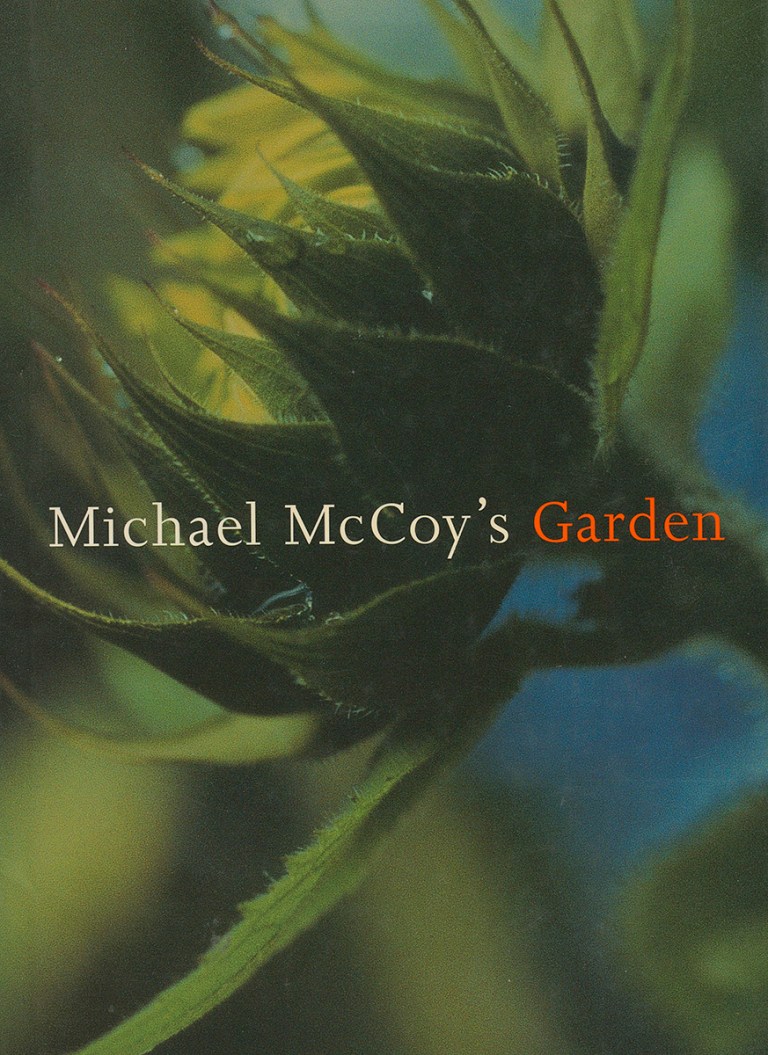


In 1982 when our daughter Leah was born, Peter and I joked about one of us getting a ‘proper job’, as we were both freelancers working irregular hours including weekends. In 1988 I was offered part-time teaching at RMIT University which I accepted whilst continuing to maintain my freelance work for various established clients.
Around this time I felt the need to embark on a self-expressive creative practice, something that was very different to my commercial portfolio, and imagery that was mine alone. The work was never intended to be commercially successful, but an expression of my personal creativity or self. When Photo District News published examples of Polaroid transfers I found them enthralling. Polaroid Australia had no information on the process, so I had the information sent from the United States. My first successful Polaroid transfer was of daughter Leah taken on a 5×4 camera. The fascination became a fixation. I went out and bought a 10×8 camera, 4 boxes of Polaroid and spent weekends working out all the nuances and possibilities of Polaroid Transfer.
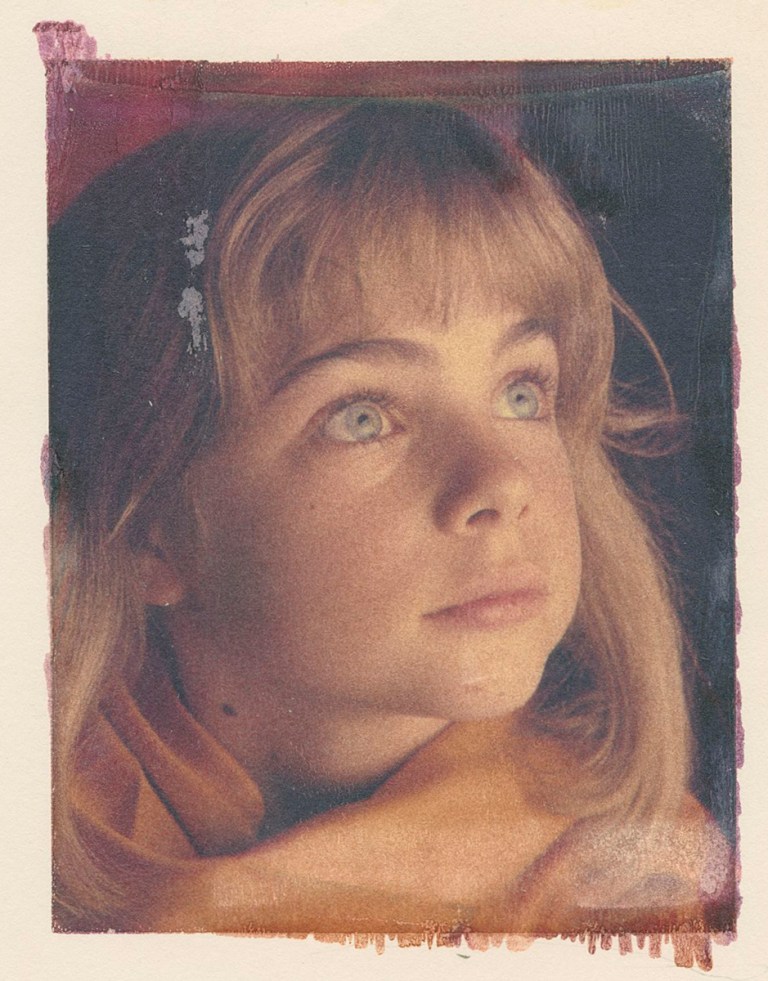
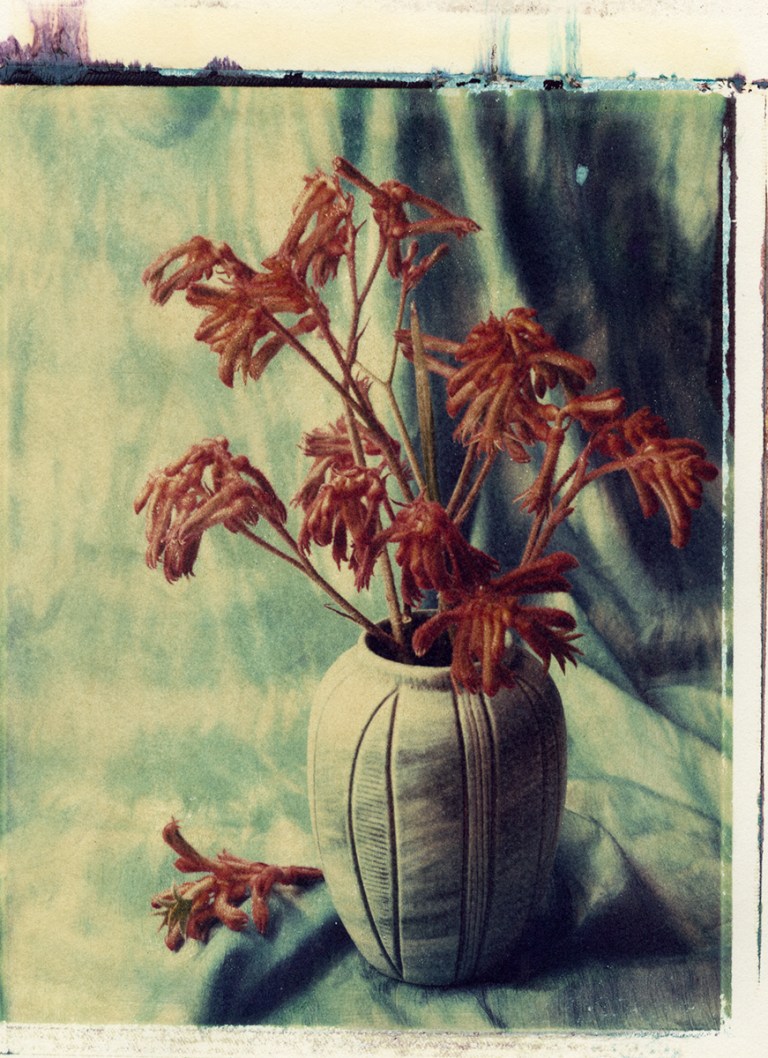
Because of my thorough research, I was asked to be ambassador for Polaroid Australia, running many workshops that included all Polaroid alternative techniques including lift-offs and SX70 manipulation. One of my clients, Maria Prendergast, whom I had worked with on Country Style, was the editor of the Australian Art Diary and used one of my early polaroids for the cover of the 1993 publication.
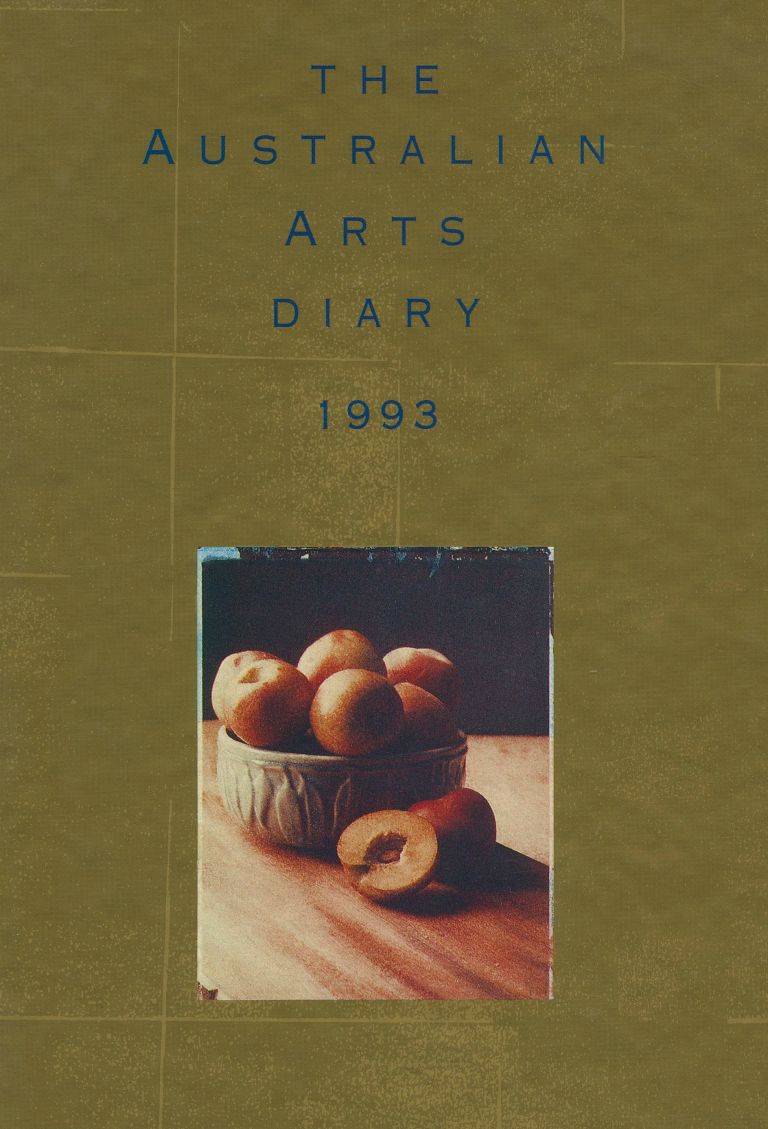
Friend and client Guy Mirabella, saw the cover of the Art Diary whilst it was being printed and immediately contacted me wanting to see more of this ‘amazing style.’ He was looking for something new to illustrate Stephanie’s Seasons a year-long diary by renowned chef Stephanie Alexander. At the time Stephanie was unwell, but was brightened when Guy showed my the Polaroids.
“Later that day (June 28th) book designer Guy who has the first idea to show us for the design of the diary. We were thrilled. Guy had grasped the spirit of the book. ….he said he was continually reminded of the film Death in Venice. The soft shadows, the colours, the softness of the edges…. He has commissioned a brilliant photography whose work is romantic, strong and painterly. Her print of pears has a classic roman feel to it. Readers of course have the work in hand but think for a minute of my excitement as the folio was displayed on the kitchen table….. My cold felt a lot better at once. I even had a glass of wine!”
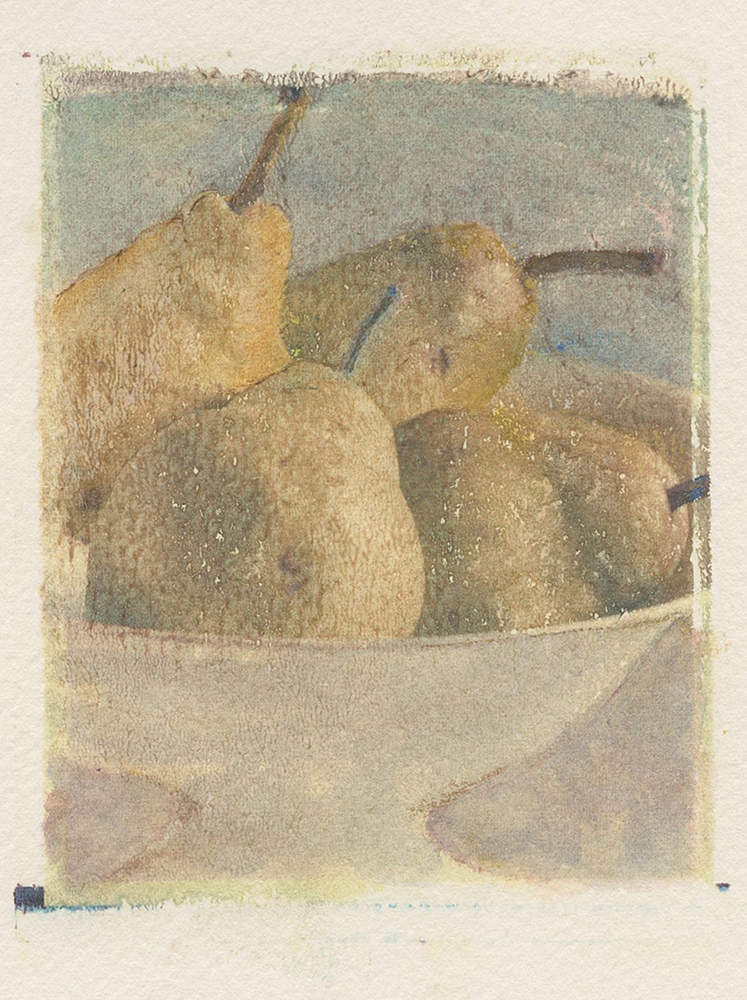


Stephanie’s Season was one of the first, if not the first book to be printed worldwide illustrated throughout with Polaroid transfers (September 1993). Stephanie and the publishers, Allen and Unwin decided to print a limited edition folio book as well as the hardcover, by December both editions were sold out. The publisher released the paperback for Christmas that year, six months ahead of schedule.
Continuing with my commercial photography as well as exhibiting, I collaborated with painter Greer Honeywell on The Great Australian Dream. The publication focussed on documenting/photographing well-known people as they returned to the home they grew up in or to the first home they bought. Subjects included writer and bon vivant Leo Schofield, politician Joan Kirner, Queens Counsellor Jennifer Coate and Mimmo Cozzolino.
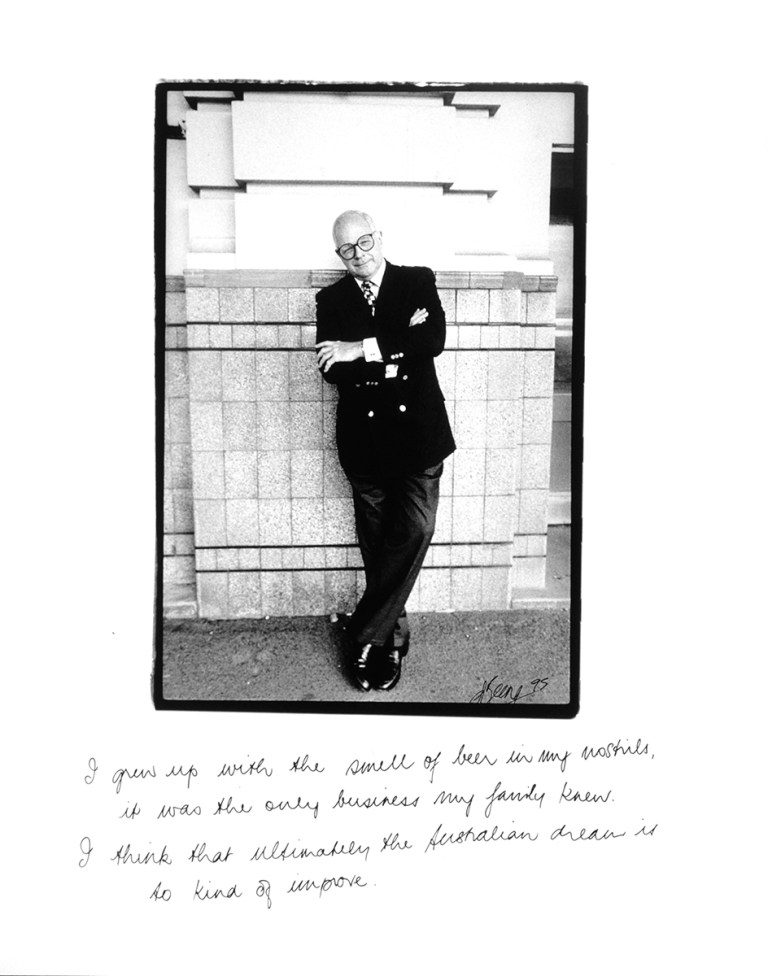
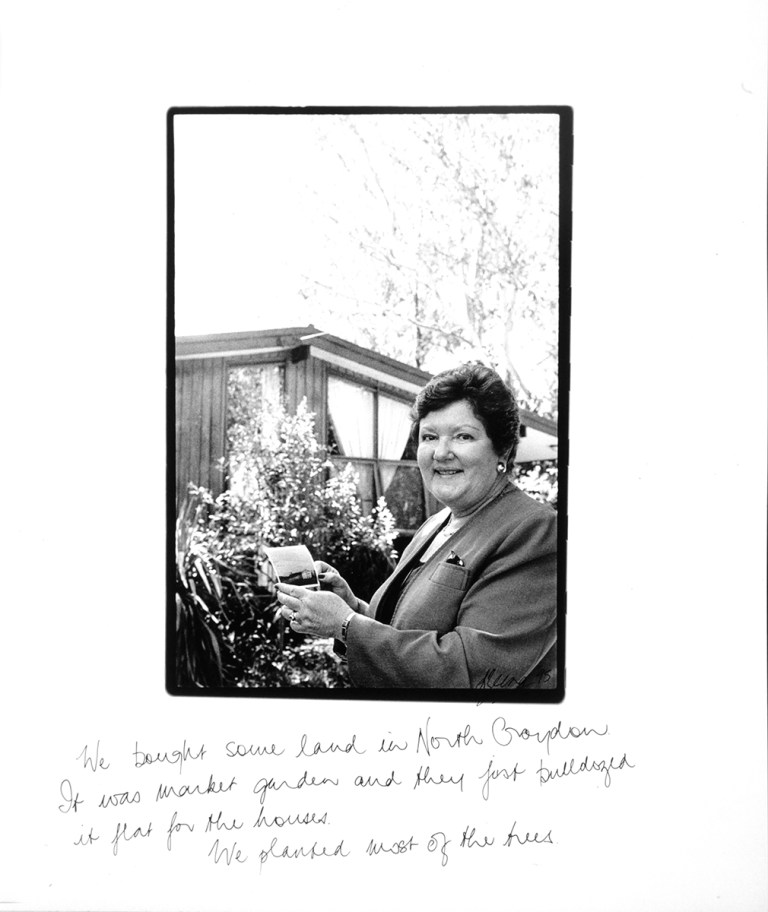

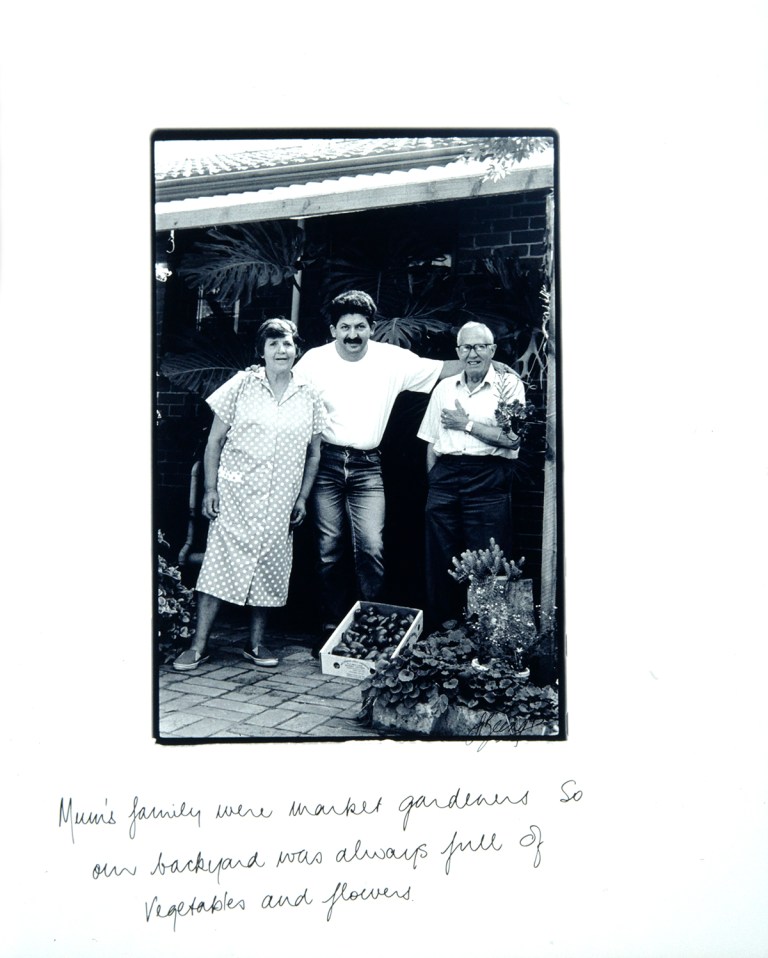
In 1998 after completing my Masters of Arts ‘The illustrative possibilities of Polaroid Transfer ‘, I left RMIT and lectured at Photography Studies College and Swinburne University. I taught enhanced darkroom techniques, studio lighting and specialised subjects including traditional hand colouring and Polaroid processes. Also that year,1998, my work was exhibited in ‘See Food’, a travelling exhibition by well-known Australian food photographers including renowned Melbourne photographer Bryan Brandt and my ex-classmate Peter Johnson.
In 2005, with Jeff Moorfoot, I was one of the founding members and the inaugural director of the Daylesford Foto Biennale, a forerunner of the Ballarat Biennale. A showcase of photography from around the globe, the biennale included exhibitions, workshops and floor talks in a diverse program of solo exhibitions including war photographer Tim Page, photojournalist Michael Coyne, Michel Paradinas, Anthony Browell, Christophe Bourguedieu and alumnus Julie Millowick.
I worked commercially whilst maintaining my exhibition practice though to the late 2000s then decided to leave my long commercial career to focus on both education and my art practice. In 2007 I was among the first educators to embrace the online teaching of photography. Using Flickr for class interaction meant my student ratio increased from 1:25 to 1:150-200 and made possible collaboration with students Australia-wide as well as in the United States. My online teaching skills developed and I found myself in demand to speak at international conferences, including the PIEA (Photographic Image Educators) in Los Angeles. I wrote several book chapters on the subject and my work was rewarded with several Australian National teaching awards
Continuing with my personal work I completed a PHD at Melbourne University in historical studies: ‘The instant image: A critical and creative exploration of the one-off photographic image’. One of my examiners wrote:
“Lynette has thoroughly argued and evidenced a particular perspective on the future of such techniques using modern safer practices. This thesis will undoubtedly become a standard reference for future researchers in this field’
Emerging from my interests in historical studies and hand colouring, photojournalist Stephen Dupont commissioned me to hand colour nearly 100 of his images for a limited edition series of art books.
With my background in design and photography, I always felt that the practices could potentially become a third discipline. With support from design staff at Swinburne University I developed the new Photomedia degree course. The course teaches skills across design and photography, and includes both traditional and digital photography techniques. The course has been extremely well received and is now offered as double degrees with industrial, interior or communication design and business.
 Prahran Photography
8 thoughts on “The Alumni: Lynette Zeeng”