
In her article ‘High Society’ in the Sydney Morning Herald of 23 July 1987 Moira McConnell describes Prahran College alumnus Robert Rosen as a ‘social’ photographer who “knows everyone and is generally accepted even in eccentric attire.” There lies Robert’s talent, in knowing his subjects and in being known by them.
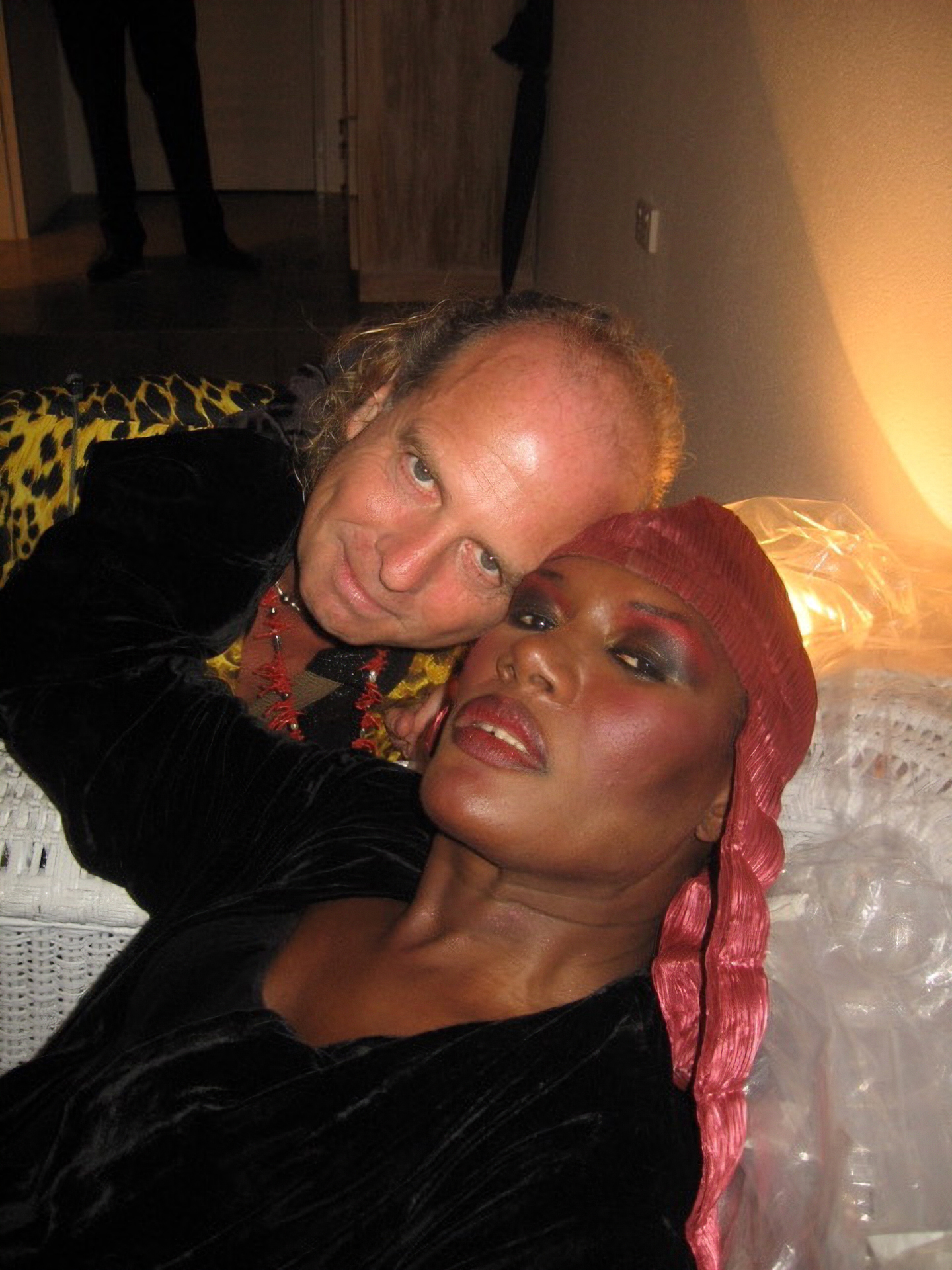
Born in South Africa, Rosen was entranced by fame and glamour from the age of ten, when his family, including parents Natalie and Niel, and younger sister Sarion, emigrated to suburban Melbourne in 1960 where his father found work as a sales manager with Myer. Rosen prowled newsagent stands, drawn to the celebrity magazines, and with his pocket money bought Everybody’s magazine. He tore out his favourite pictures and, often not knowing the subjects, stuck them to his bedroom walls.
“I can’t write,” Rosen says, “so taking photographs is a way for me to record my life … I never stopped working…recording history…The late ’70 and ’80s in London and around the world was the best period for photography because the fashions were fantastic. There was Punk, Neo Romantic, Sharpies – all the different styles of people that were just extraordinary. Especially the shoulder pad, which I love – the big shoulder pads of the ’80s, the big hair and the coloured hair.” In fact, in 1998 he commissioned from Sydney designer Garth Walter Fleeton a jacket of grey and black shoulder pads stitched together. With a sense of nostalgia he wore it to a Melbourne Fashion Week exhibition of 125 of his photographs, culled from 7,000, of the catwalks of Paris and London that he photographed from 1980 to 1990.
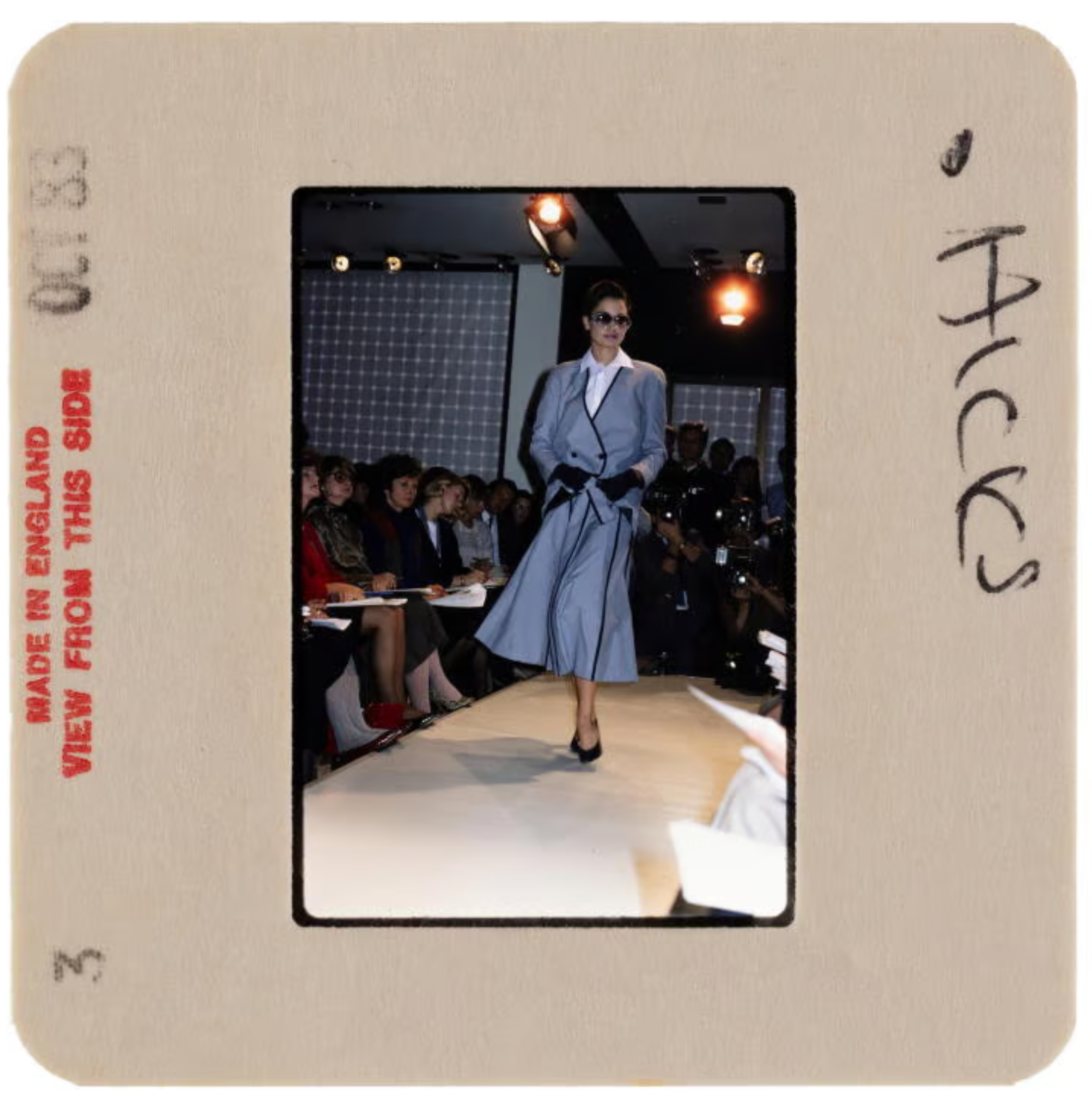
At such events, photographers from Reuters would shoot from the back with huge telephoto lenses with tripods while he was in front about two-thirds of the way up the catwalk “just sitting on my camera case with a normal 35mm lens and on-camera flash,” remembered Rosen. “They’d put their cameras on continuous and do six or seven shots of the one garment while I’d do one or two. And if I didn’t like it, I wouldn’t shoot it at all.”
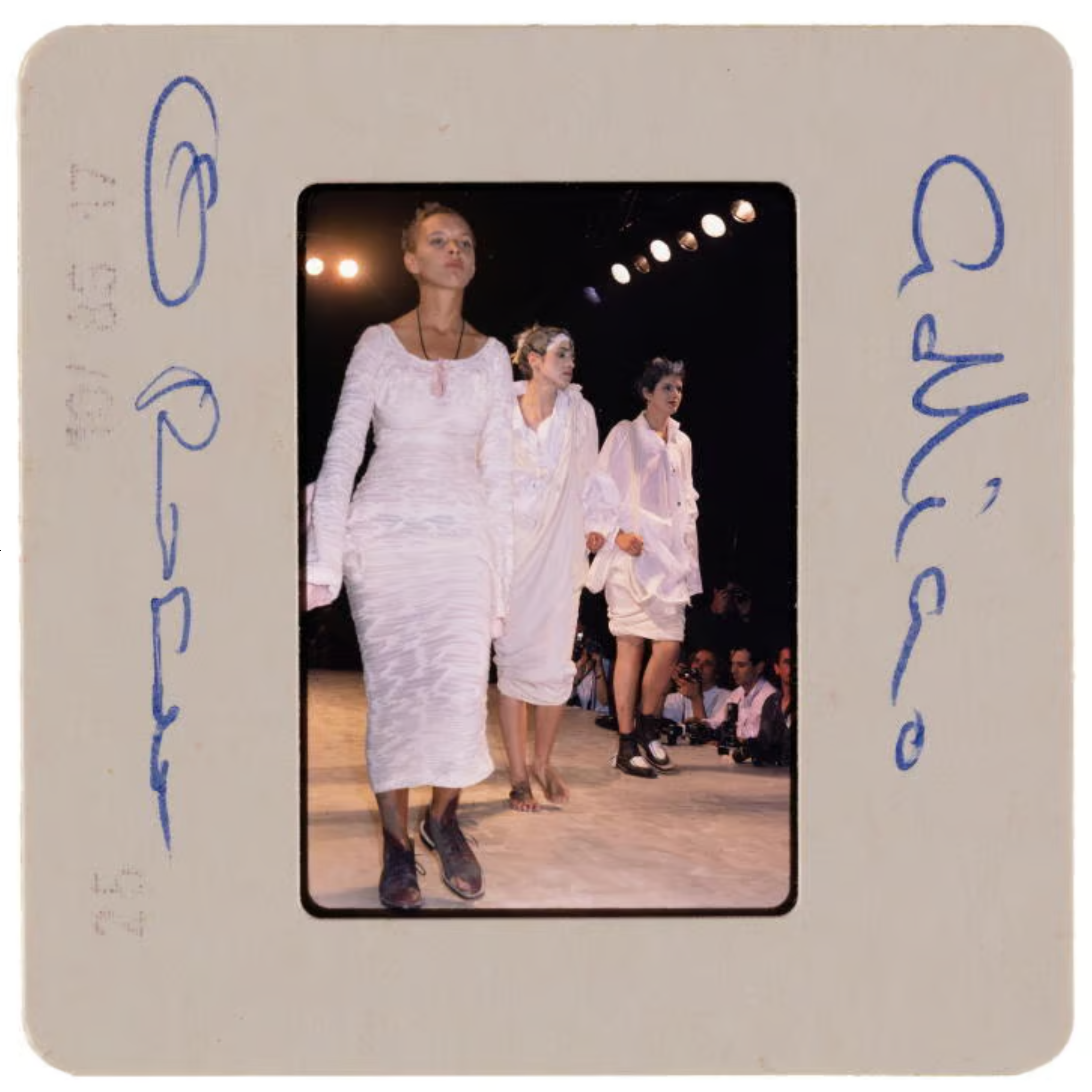
His shots, made on Kodachrome, juxtapose the immaculate models in the white light of his flash, outlined against imperfect surroundings: steel trusses from which spots hang, casting a hot light on languorous attendees amid a blitz of camera flashes. They are saturated in the the atmosphere of the room; ” I think that’s an essential part of it. A fashion show isn’t a studio shoot,” says Rosen.
By the year 2000 Rosen had amassed 360 Polaroids of celebrities at parties taken through the ’70s, ’80s and ’90s.

He identifies the middle decade as the stand-out for more money being splashed and for the fetishistic self-admiration of the wealthy. The ’70s, as William Petley of Harpers Bazaar recalls, was when people went out to the clubs, in the ’90s, they went out to eat the food, but in the ’80s, they just went out to see each other. Now, many of those partygoers are dead, and some, like Dr Geoffrey Edelsten, Alan Bond, and Christopher Skase first fell precipitously from grace as convicted criminals and bankrupts.
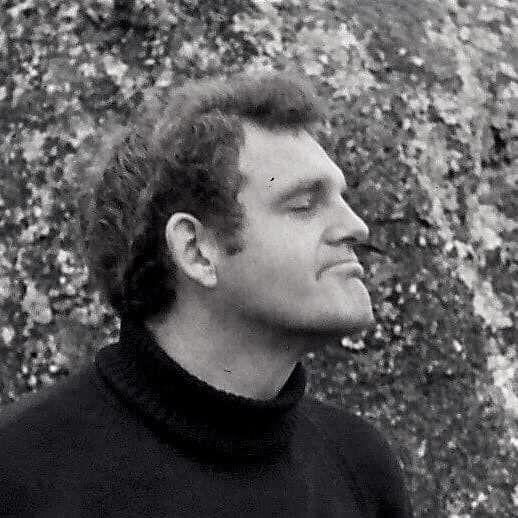
Though his father gifted him a Box Brownie, Rosen never dreamed that he’d become a photographer. At Melbourne High school in fourth year, his art teacher Roy Irvine, considered alternative in his own art and respected, said he couldn’t paint up to standard:
“He handed me a Pentax camera and said “try this”. On weekends I’d go out and take photos…I couldn’t stop. Roy introduced me to another student who had a darkroom in his house, and he showed me how to develop film and print photos. I was hooked! I saved up and bought a camera, an enlarger and some darkroom equipment and worked at it in the spare room at home.
In his final year of school he went for an interview with Gordon De Lisle, head of the Prahran photography department, who accepted him into the course:
“In 1971 I started at Prahran Tech among lots of interesting people including Carol Jerrems. I was fascinated by her beauty, personality and her wonderful portraits. The marvellous Paul Cox was one of my teachers. He seemed to understand my photos. Many were of a personal nature; friends photographed in a surreal way using double exposures and experimental techniques.
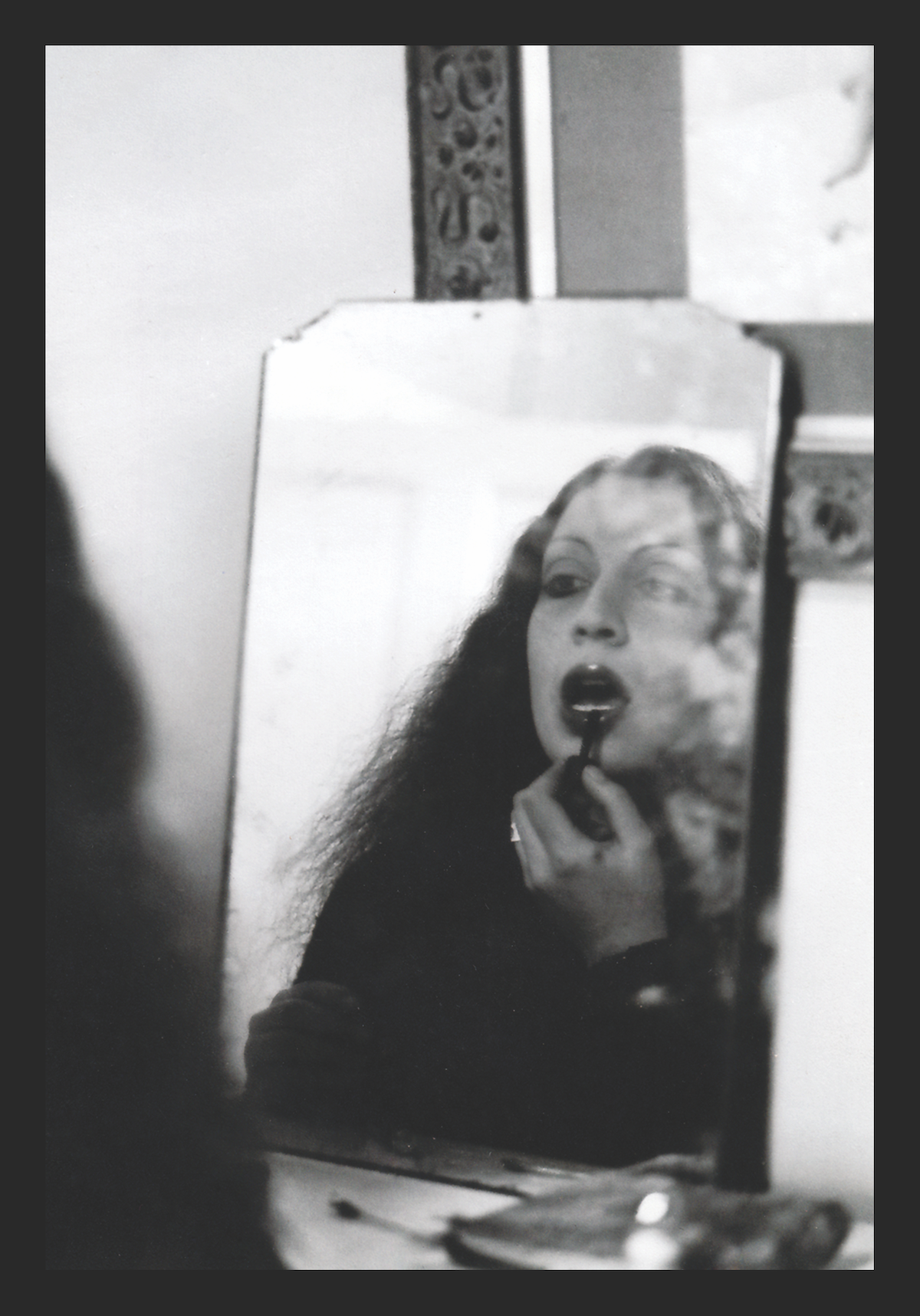
“Other teachers there said I’d have to be commercial to make it as a successful photographer and they scoffed that I’d never make it. At every assessment they’d always point at my submission saying “this must be Robert Rosen’s.“ At least I was recognised! My then girlfriend was also studying photography there and Paul Cox called her into his office one day. He said to her “I don’t care if you’re having an affair with Robert Rosen, but don’t try to copy his style, no one can!’ Bless him!”
When teachers compared him to Andy Warhol, Robert had not heard of him. In the library he found a book of his work, which he loved immediately:
“When I wanted to put my photos onto silk screens and print on canvas like Warhol, the boring teachers said it wasn’t acceptable as photography. On another marking day when I was in second year the teachers were having a go at me in front of everyone as usual and asked me some personal questions about my photos on the wall. I told them that an explanation of what was behind the photos was not required in the brief—it was personal and it was the artistic quality that mattered. I stormed out and never went back.”
Not the first nor last to find these assessment sessions an assault on a young ego, Robert was among several students who were to depart the course early, like Nanette Carter, Glen O’Malley or Bill Henson. Late in 1972 he hitchhiked to Sydney and stayed there, meeting extraordinary, colourful people in Kings Cross; strippers, prostitutes, rent boys, actors, singers, and artists, all partying in late night cafes until dawn:
“I felt at home amongst all the freaks because they were all artistic; they were all either young fashion designers, painters, sculptors or filmmakers. There were lots of incredible fancy-dress parties. I loved that lifestyle; it was great. But I don’t know how we lived. We were all on the dole. None of us really had proper jobs, but we survived.
“Kings Cross was in the middle of it with the prostitutes on the street, the drag queens in the little nightclubs and stuff like that. I thought, ‘Wow, this is it. I want to be here’…it was like a casting call or audition. I’d just pick them out and ask them if I could photograph them. Of course they’d agree.”

Wanting to be a fashion photographer he started freelancing but got little work in Sydney. Working as telephone operator job to save money, he used the opportunity to make long-distance calls to his friend makeup artist Richard Sharah in London who encouraged Rosen to move there in 1975, where he stayed in Sharah’s flat in Kensington. Music journalist Cherry Ripe took him to the rock concerts as her photographer, and together they sold words and pictures to Rolling Stone, NME and other UK publications.

Though he loved London, its fashions and interesting people, he found he could not support himself, so returned Sydney in 1976, determined to return to London as soon he could make enough money.

In 1978 he met a socialite Neelia Winn from London visiting family in Sydney and was attracted immediately by her eccentric dress and lifestyle. Six months later they moved into her flat in Cheyne Walk, Chelsea where she knew everyone in the London society scene and was invited everywhere; “I had my starry eyes set on being a fashion photographer like David Bailey, all that glamour.”
Hawking his portfolio around countless London studios, Robert failed to get even a lowly assisting job:
“The last place I went to was in an old church and I thought what a great studio it was and wanted desperately to work here. I didn’t meet the photographer but his secretary took my folio, and showed him. I saw him shaking his head. I was so upset I sat on the church steps in the snow and cried. The lady saw me and came out and said “Don’t worry Love, it’s not ’cause you’re not good enough, it’s ’cause you’re too good to be his assistant and he just wants someone to run around and make the tea!”
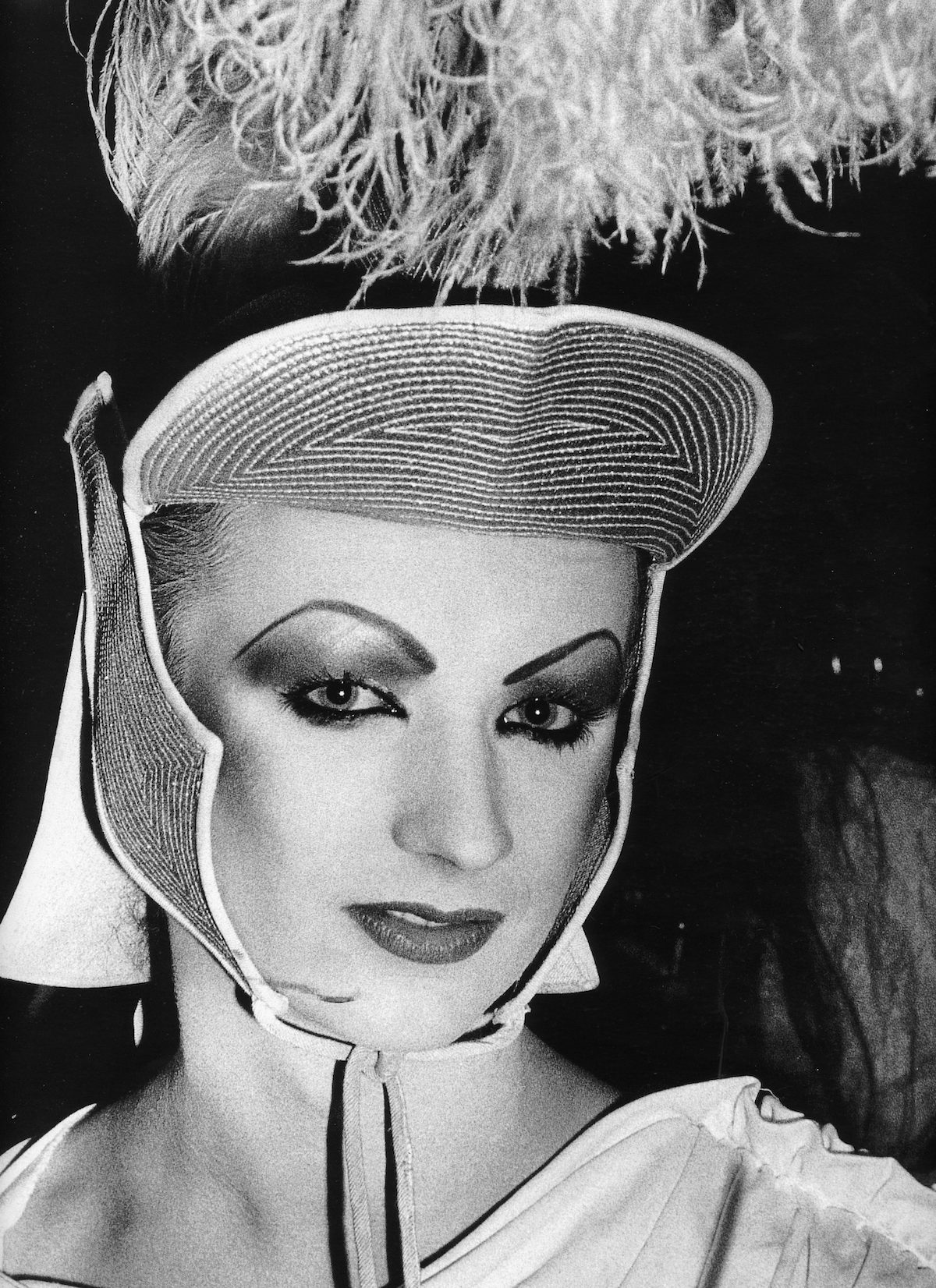
Rosen was frustrated in efforts to get into a studio or to start one himself. So, like Boy George who had been the hat check boy at the Blitz Club, Rosen worked as a menial barman on the Kings Road in Chelsea, the epicentre of the counterculture of the 1960s and the New Romantics of the ’70s.
Meanwhile, he went out with Neelia to social events and upmarket night spots like the Embassy Club on Old Bond Street, newly opened in 1978:
“I’d see photographers there every night. I asked one why he was coming there all the time. He replied “look around mate—there’s Bryan Ferry and there’s Ronnie Wood and lots of other celebrities” I replied “Yes I know, they’re here every night, so what ?” He told me that I could sell the photos to the newspapers and magazines if I got a good shot. I was in. From then on I took my camera everywhere and soon became part of the 80’s London society scene shooting celebrities, fashion shows and anyone fashionable… that was easy in London!”
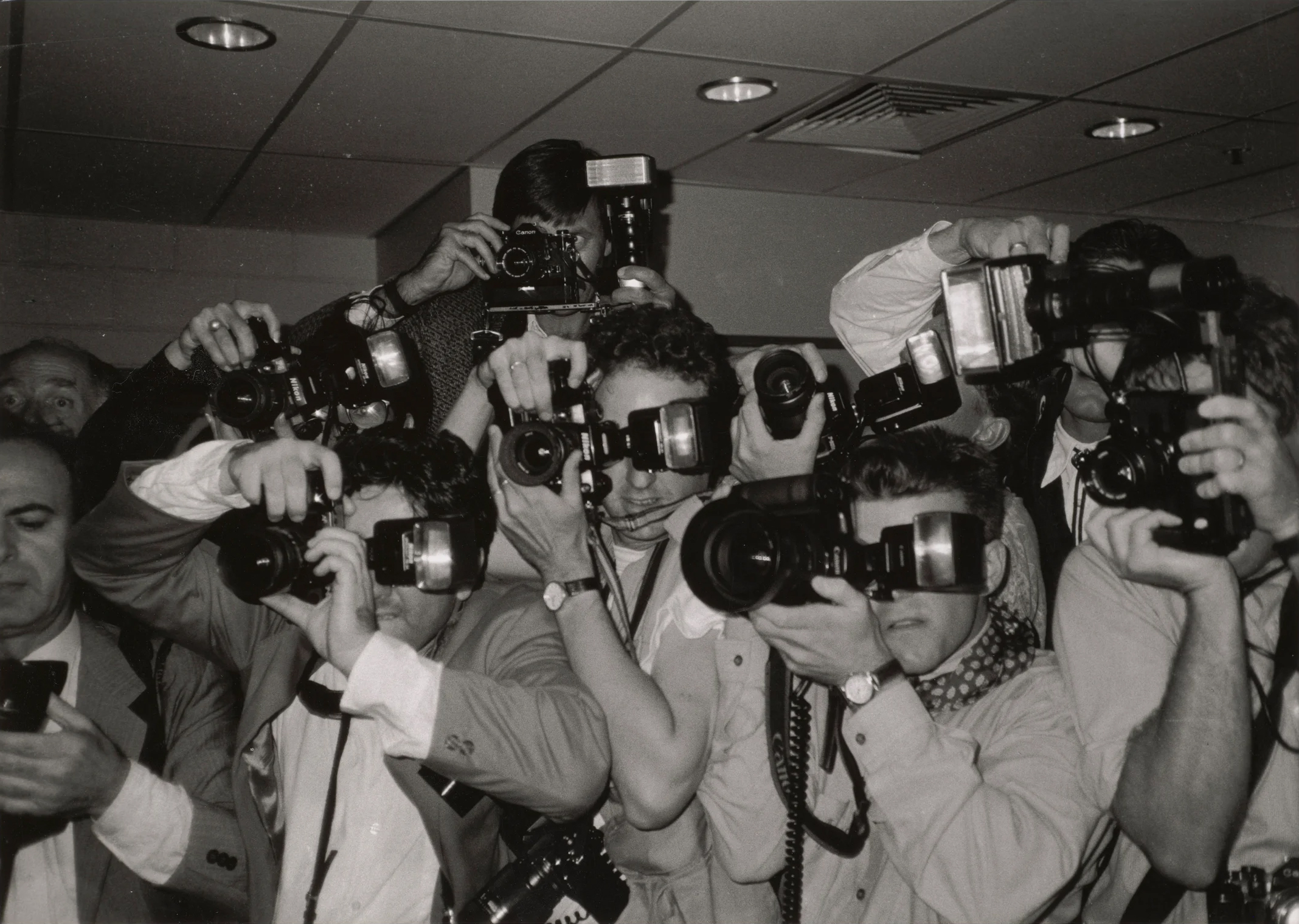
He talked the Embassy Club into making him their official photographer, exchanging prints in return for access to the VIP areas and champagne in the bar, and soon the celebrities got to know him. Cannily he dressed ostentatiously, as if he were one of the party guests, in designer suits and Andrew Logan mirror brooches, so with his little point-and-shoot in his pocket, he looked nothing like a press photographer.

Steve Strange who ran the Blitz Club in Great Queen Street, Covent Garden called to let Robert know David Bowie was coming and to bring a camera;
“I was quite nervous…while waiting in the VIP area I checked the camera…it had no film in it! A friend ran off to buy a roll. Bowie arrived and as soon as he sat down I snapped a shot, the flash erupting. Bowie beckoned me over “Don’t you know it’s rude not to ask first?” I apologised and said something about the flash going off accidentally, and asked politely if I could try again, to which he kindly agreed…of course, I used the first one.”

Robert relates the touching circumstances of this image, when he and Marianne had gone to British fashion designer Ossie Clark’s show together:
“She knew Mick Jagger would be there to watch Jerry Hall, who was in the fashion parade. Marianne clutched my hand in the taxi on the way there, saying she was nervous about meeting Mick again as they’d not seen each other in years. Here she is waving at me to let me know she’d done it. Look at her face, it’s as if she is saying ‘Look Robert, I’m talking to him!'”
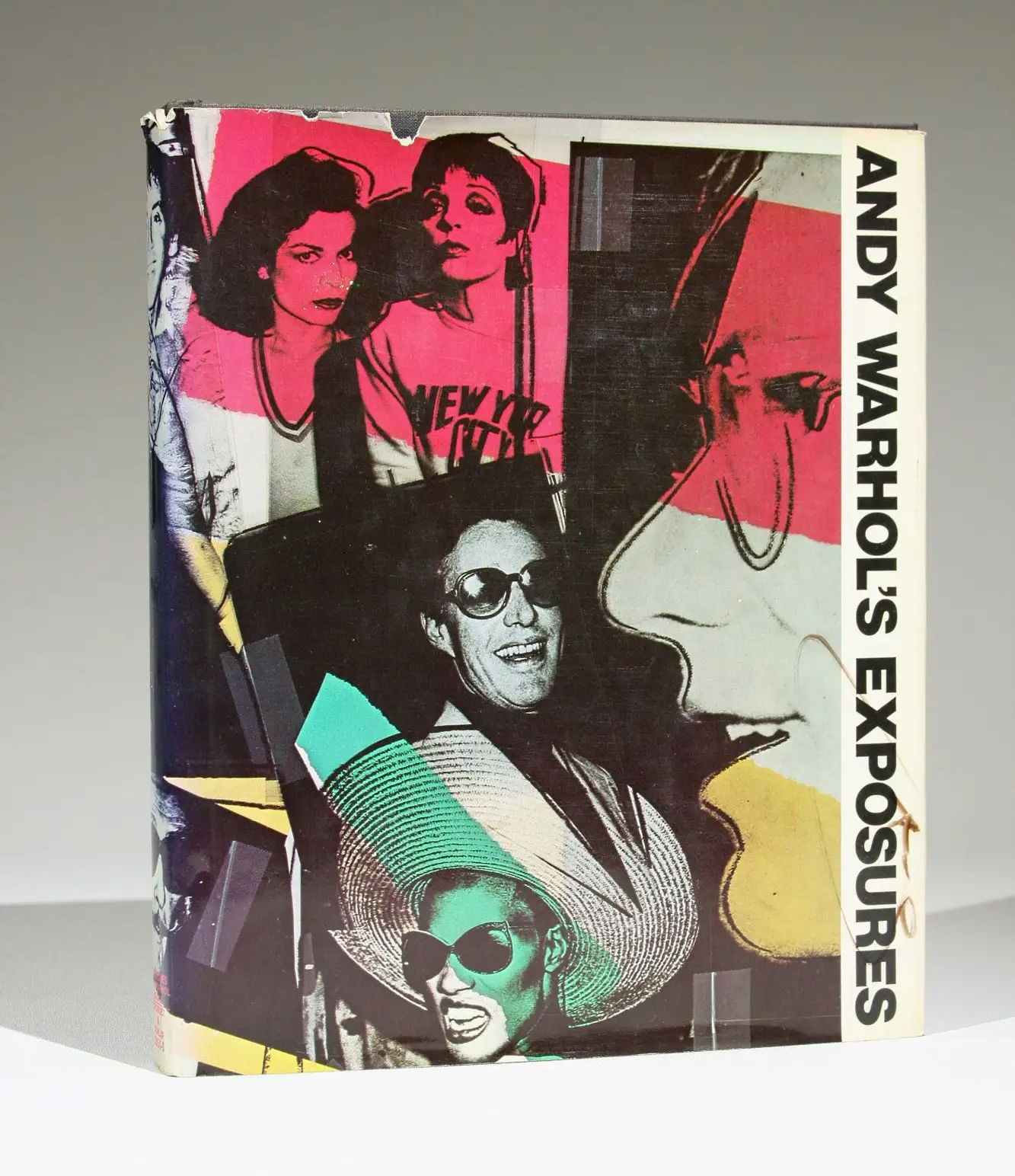 Andy Warhol was touring his new book Exposures in the UK in 1980 and Robert was assigned to shoot a launch for it in a house in Oxford for Midnight Magazine and was was driven there by the magazine’s editor:
“We entered a room full of press and admirers. Thinking ‘Oh my god I’m going to meet Andy,’ I was trembling, but I went up and asked him if I could take his photo. He was very nice and agreed. I went into the kitchen to grab a drink and I introduced myself to a man who said he was Fred Hughes. When I asked him what he did he went apoplectic; “Don’t you know who I am ? I am Andy Warhol’s manager.” I apologised, explaining that I’d only been in London for about 6 months and no, I didn’t know of him.
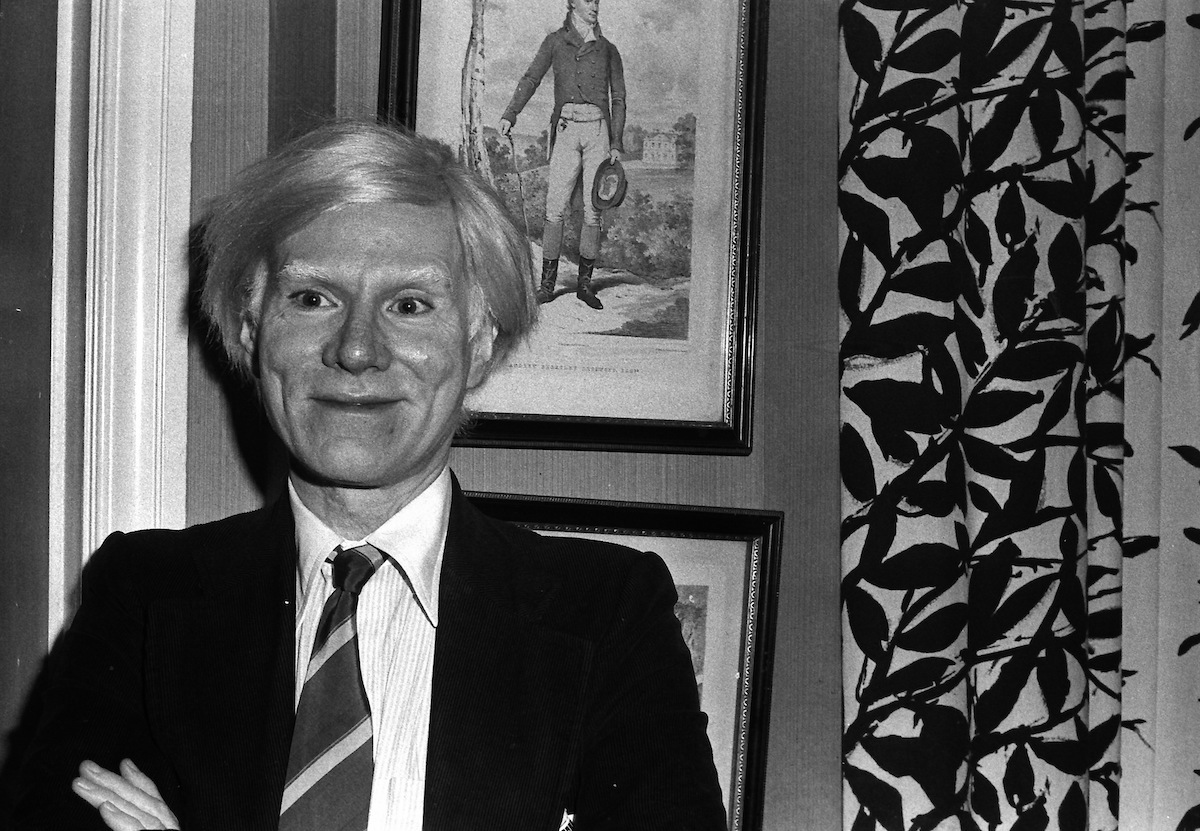
“Near the end of the evening I noticed my editor had left without me. Wondering how I was going to get back to London in the middle of the night I noticed Andy’s entourage and bravely asked him if I could get a ride back with him, saying my driver had left. He said yes. In the limo I sat next to him and he told me that he liked my red shoes and that his favourite food was potato salad. I told him I wanted to work for Interview magazine and asked would he let me show him my portfolio. He invited me for tea the next day at the Ritz Hotel where he was staying.

“When shown into the room I noticed Fred Hughes sitting there reading a book upside down. Andy must have told him that I was coming. I opened my portfolio and showed Andy. He liked my work and said “Fred, let’s get Robert to be London correspondent for Interview. I was melting—my dream come true! But the rude man replied; “Andy you pour the tea—I’ll decide who works for us.” I continued to chat with Andy about different things, then he invited me to go to his studio if I was ever in New York. I sat there thinking ‘if those teachers at Prahran Tech could see me now!'”
“I know that people are often disappointed when they meet their heroes in real life but not for me, Andy was a real star and beautiful man.”
Inevitably, given his long-term admiration for the artist, Rosen imitated Warhol’s use of the Polaroid camera, a playful instrument which made the ordeal of being photographed into fun, and reassuring, because the result was seen straight away and because Rosen asked his subjects to sign them.
If they didn’t like it, they could destroy them, as did Nina Simone, by thrusting hers into a candle flame. By 1991 he had produced 350 signed instant photos of luminaries including Eartha Kitt, Liberace, Diana Dors, Sylvester Stallone, David Bowie, Mick Jagger, Jerry Hall, Barry Humphries, Sting, Marcello Mastrolanni, Bernardo Bertolucci and Bette Midler.


“There was a Music Awards Party at Abbey Road, the famous recording studio. It was 1982 and I crashed it. Papparazzi were outside, it was snowing and they were there freezing with their zoom lenses. My snappy was in my pocket, the security guy saw me and because I always liked to dress well must have mistaken me for a pop star. He said “Hurry up inside the awards are starting” and whisked me through the doors. Next thing I know I am inside standing next to Paul and Linda McCartney. We began a conversation and I asked to take a shot, and on the third click, they kissed.
“I got it!” says Robert, “That photo went worldwide and I sent them a print to say thank you. Six months later I’m walking down Dover Street to an art gallery opening and I see Paul and Linda walking into the gallery as well. I thought, they’re not going to remember me, so I walked straight past them. And then I hear this whistle, someone putting their fingers in their mouth. ‘Aye, are you ignoring us?’ It was Linda. I turned around and said, ‘Sorry, I thought you wouldn’t remember me’ and she said, ‘What? We love that picture. Darling, give me a hug.’ That was better than any money I got.”

The copy in the Daily Mirror decodes the image for breathless readers:
“Gently, almost shyly, Paul McCartney kisses his wife, Linda. It happened at a party in London to launch Linda’s latest book of photographs. The kiss is loving, sexual in a restrained kind of way, absolutely decent and breathes of a solid conventional marriage of four-square family values. The normal pattern for a multi-millionaire star like Paul would have been several multi-coloured affairs, a string of divorces, and a rapidly fraying life.”

Rosen’s quicksilver reactions and inconspicuous shooting were made possible because the Konica C35 AF in 1977 had introduced automatic point-and-shoot technology. Nikon belatedly joined the trend, releasing five years later its first compact camera with auto focus and exposure, built-in auto-flash, autowind and autoloading—the L35AF with 35mm f/2.8 lens, nicknamed ‘Pikaichi’ (“top notch”) in Japan, and Rosen’s choice for its robust design and excellent specifications which have since made it collectible.

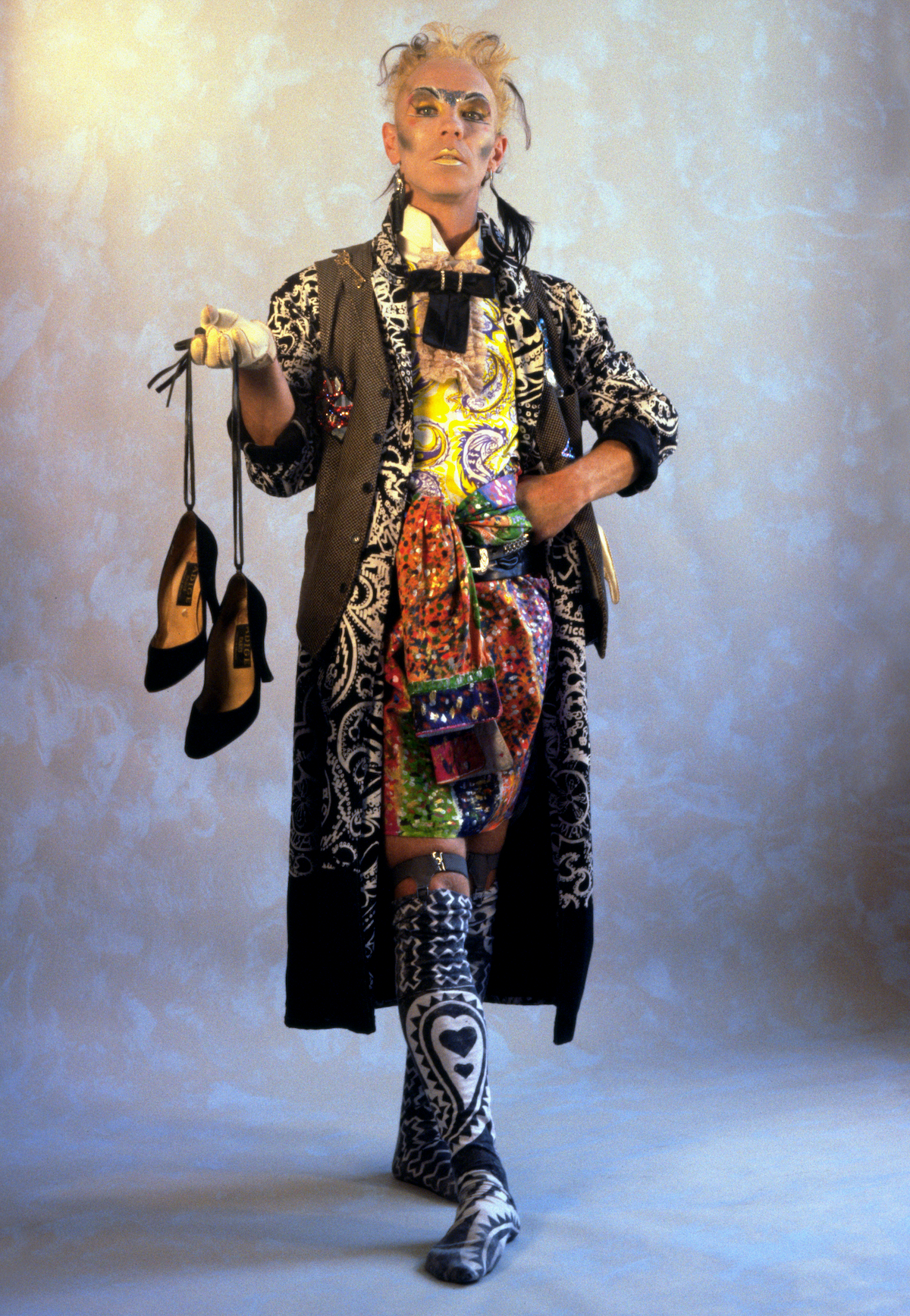

In the 1980s he worked front row at the European fashion shows for various international and Australian magazines.
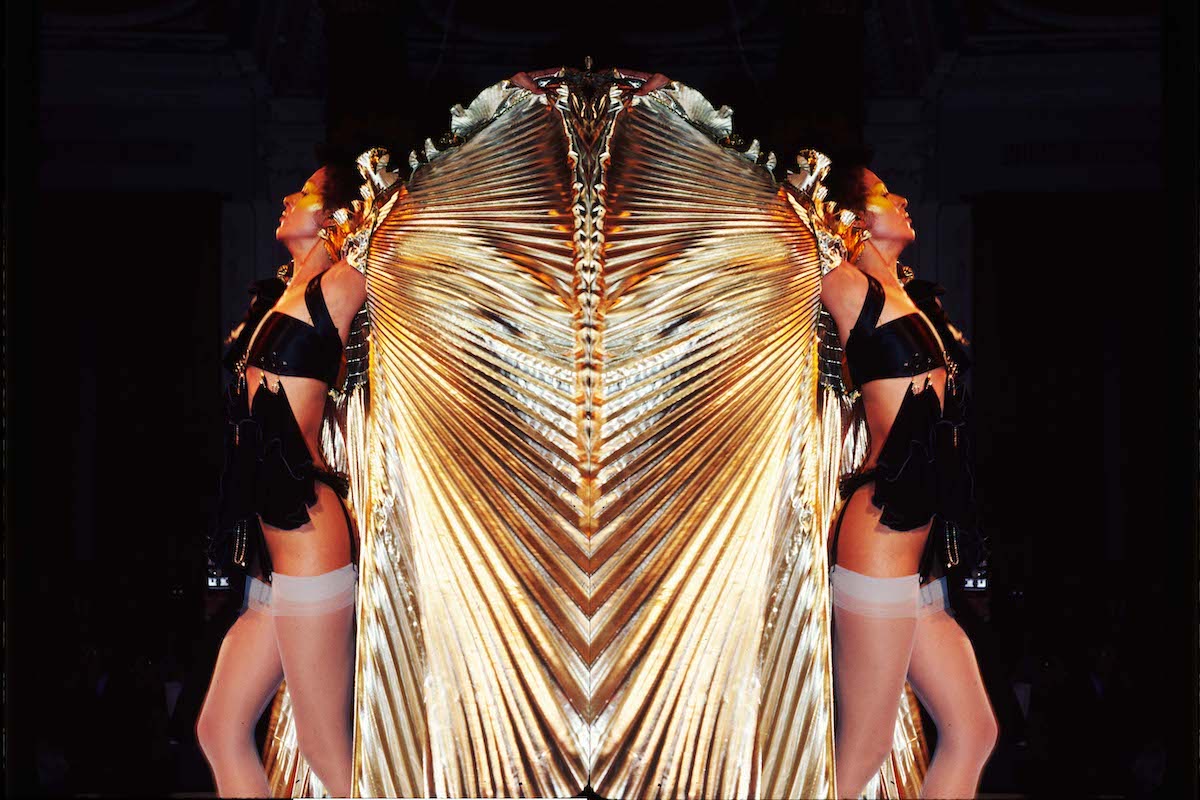
He was shooting in London for numerous magazines, including Ritz, Avant-Garde and Fashion Weekly, rushing from one event to another and then to his darkroom over a pornographic bookstore in Notting Hill to print his shots for a morning deadline. In 1984 the first Australian edition of Harper’s Bazaar commissioned Robert to do its social pages and to have his own page of photographs of Australia’s style-setters.
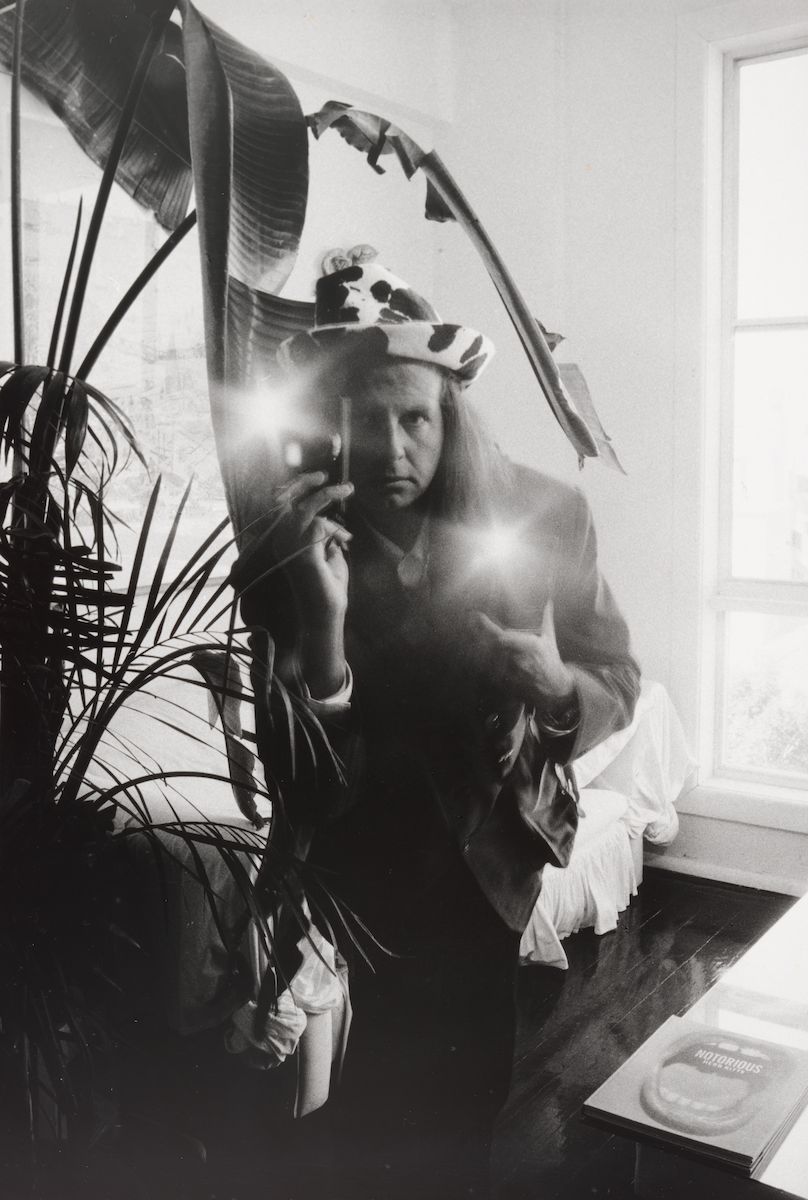
In November 1987 Roger Foley, better known as the lighting artist Ellis D. Fogg, produced a light sculpture entrance to Roslyn Oxley’s gallery for the opening night party of Rosen’s exhibition. “The audience are actually going to enter through a neon representation of a camera. When they go in they will find themselves in a moving vortex. It’s like the magic eye of the camera.” Appropriate to the ephemeral nature of fame, Foley took down the sculpture overnight.
In terms of an event, the opening was the Ultimate Social Occasion. “The Rolls-Royces and limousines were triple-parked along the street,” Rosen remembered. “No fewer than 1,200 people turned up, presumably hoping to see pictures of themselves.”
At that exhibition, speaking to the SMH journalist Moira Mcconnell, Rosen enthused;
“I want you to hear a picture. That’s what interests me in photographs—something that will capture the moment. I want someone looking at a picture to be able to hear people laughing and what was going on at the time. My picture of Suzy Smithers and Trent Nathan was published in The Eastern Herald—you can hear the clink of champagne glasses and people at the party.”
Given media attention to that show it is not surprising that by December that year he would remark faux-ingenuously to the Sun-Herald that “at least five times a week someone says to me ‘Take my photograph’, don’t know why…vanity, I suppose.”
McConnell in her article ‘Snaparazzi’ in The Age‘s Good Weekend supplement of 26 June 1987, follows up on that rhetorical comment. She provides a quite thorough commentary on ‘social photographers’ in Australia, considering whether freelance photographers who specialise in candid shots of celebrities—Rosen, William Yang, Rennie Ellis and Jon Lewis, identified by Sydney gossip columnist Dorian Wild as Australia’s ‘paparazzi’—should be considered voyeurs or dedicated professionals.
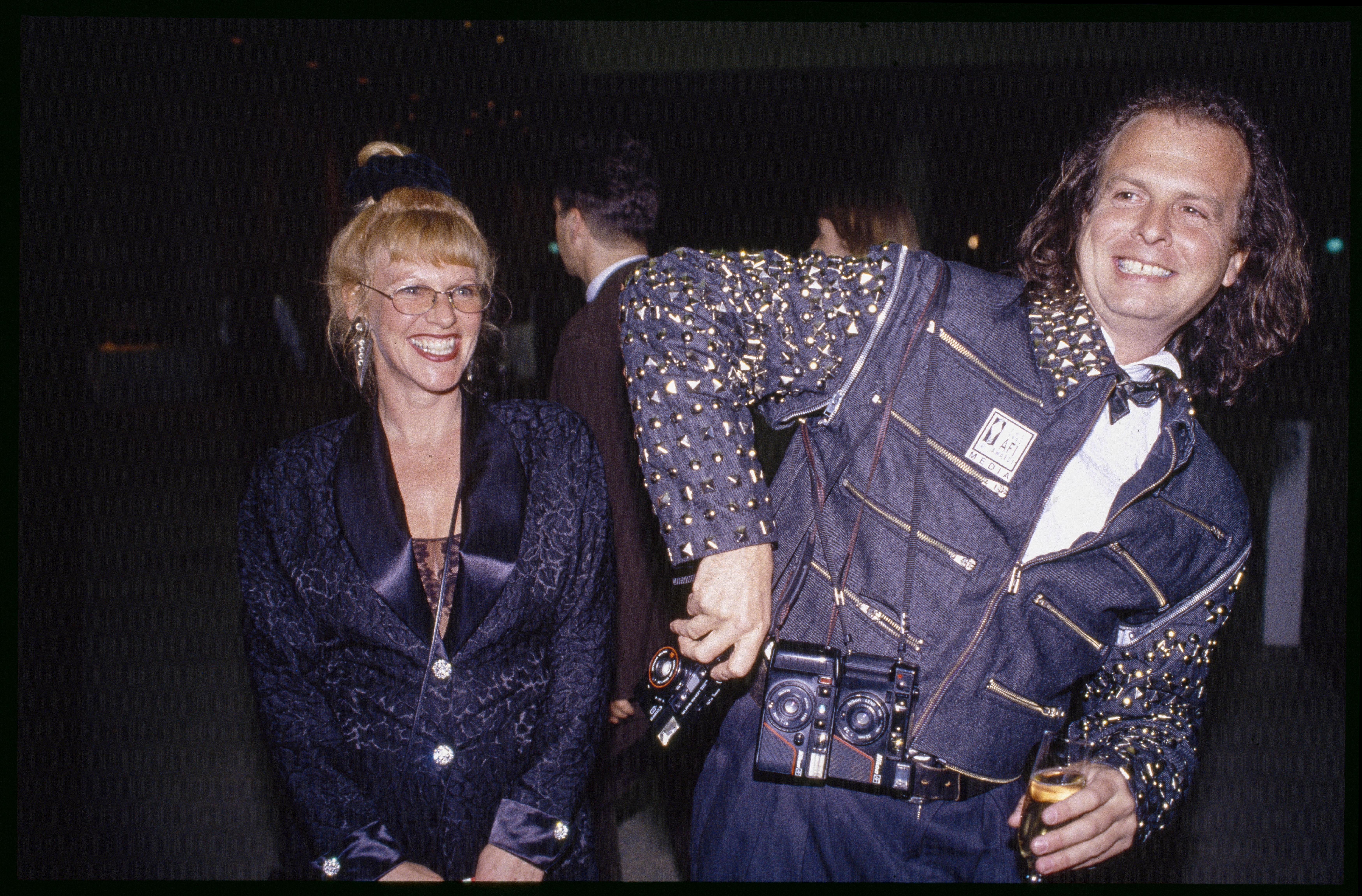
Each vehemently rejected being described as paparazzi, with Robert responding “I hate the word. I think it means some kind of spy or a Peeping Tom. I wouldn’t like to be stalked and I wouldn’t stalk anybody.”
McConnell pays special attention to Rosen, noting that he started his career in England in the late 1970s selling photos to London columnists Nigel Dempster and Richard Compton Miller, “not noted for their use of discreet or glamorous photos of people.” She regards his “exotic, interesting and fashionable” dress in such gear as a “Portobello Road tux (with tails), a designer mirror bow tie, glitter socks, and unkempt hair,” his use of a small automatic camera, and a certain amount of bravado, as secrets to his success in becoming welcome as a desirable accessory at the best parties.
Rosen, a “party junkie’ who as Jon Lewis quipped: “would go to the opening of an envelope,” spent a lot of time—’8 nights a week’— observing the social scene to become familiar with the names and faces. By knowing the crowd, he could anticipate candid moments and revealing interactions. Staying late at events, waiting for something interesting to happen, helped him capture natural and humorous moments and the real person underneath the glamorous facade. Known for showing celebrities in an uninhibited mood, revealing a more authentic side, his approach set him apart from other photographers’ shots of staged, smiling faces and glamour.
Robert went on to work for many publications in UK and Australia, including regular work for Elle, Mode, The Sydney Morning Herald and The Sunday Telegraph, and was society photographer on Australian Vogue for over 30 years.
Since 2012 Rosen has lived in semi retirement in Bali in Villa Lotus which he built in Seminyak and painted pink and regularly does exhibitions of his old and new work for charity to help the Balinese children further their education and also help people with recovering their eyesight.
Following the advice of his photography teacher Paul Cox at Prahran Technical College he never threw a negative away. Worried that his archive would disintegrate in Bali’s heat and humidity, he contacted Sydney’s Powerhouse museum and donated all his negatives, prints, transparencies and ephemera including fashion show invitations and lanyards, and detailed illustrated diaries of his social life.
He held 24 solo shows between 1979 and 2018, and most recently a retrospective of his 40-year career, Robert Rosen: Glitterati, was held at the Powerhouse in 2022, the opening of which he sadly couldn’t attend due to COVID travel restrictions. The exhibition was affirming; “It brings a tear to my eye that I have accomplished something in my life. I remember Dad saying, even when I was working for Vogue, and I’m about 30, he’d say, ‘Robert, when are you going to get a proper job’?”

Interviewed by Sky Kirkham and Sophie Kesteven for the ABC he confessed that it wasn’t all glamour:
“My working day would start at about six in the evening. I’d go to an art gallery opening or a book launch, then 3 or 4 more events, then to late dinner at some fabulous restaurant, after which I’d hit the nightclubs until three or four in the morning. Then we’d go for breakfast in Piccadilly in one of those hotels, and go home and to bed at about 9am or 10am. I’m still alive. Hell, now I still can’t sleep until about 2am.”
[NOTE: These biographies are a work-in-progress for which primary research is preferred, but since not all the subjects are living or contactable, they may rely on a range of secondary or tertiary references. If you are the subject, please get in touch. We welcome corrections, suggestions, or additional pertinent information in the comment box below or by contacting us at links here]
 Prahran Photography
what a collection of photo history always there at the right moment and ready to snap. congrats mary shackman
LikeLiked by 1 person
We lived in the same building in Elizabeth Bay, locally referred to as Gotham City. I sourced Agfa film & paper for him at times. He’s become a close friend and my partner Nina Veretennikova and I visit him often in Seminyak. His hospitality is like his creativity – wonderfully authentic. Nina says he’s the only photographer that can capture her. We love Robert – a very kind soul.
Marek Olech
LikeLiked by 1 person
THANK YOU MAREK
LikeLike
thank you Marek
LikeLike