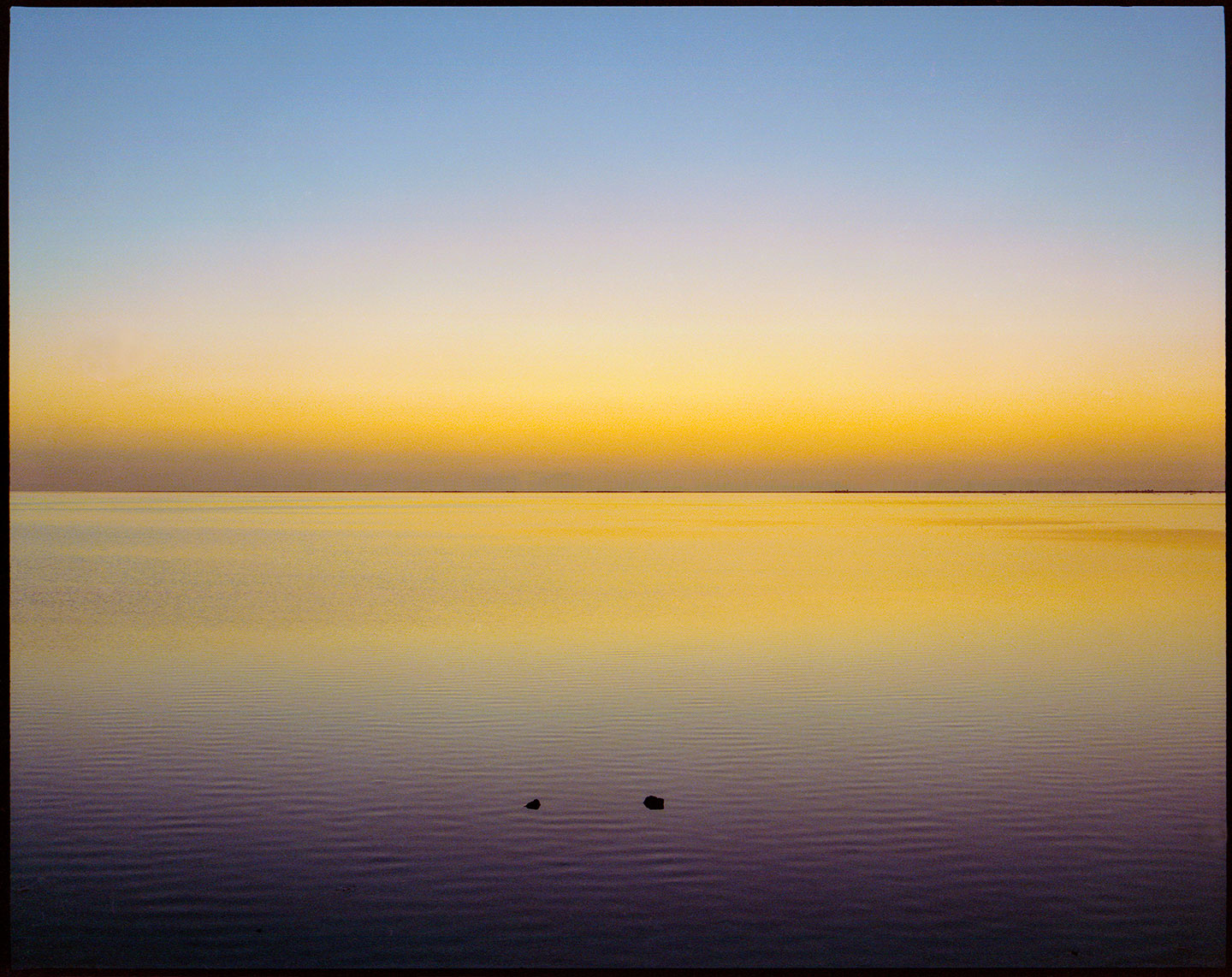
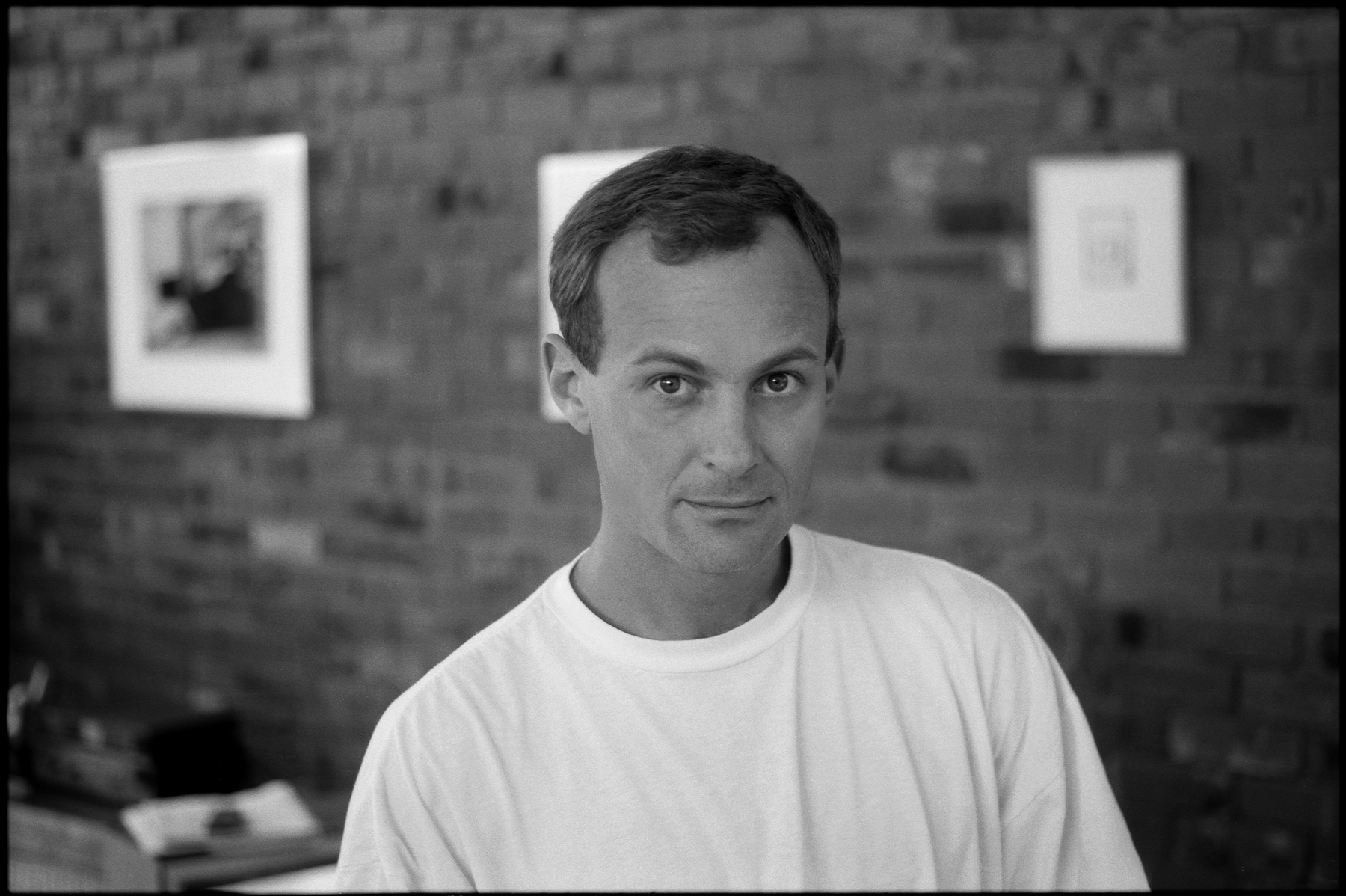
Peter Leiss is a member of the team working toward an exhibition at the Museum of Australian Photography and an accompanying book about Prahran College, to which he has contributed a series of concisely edited, engaging video interviews with alumni, some now deceased.
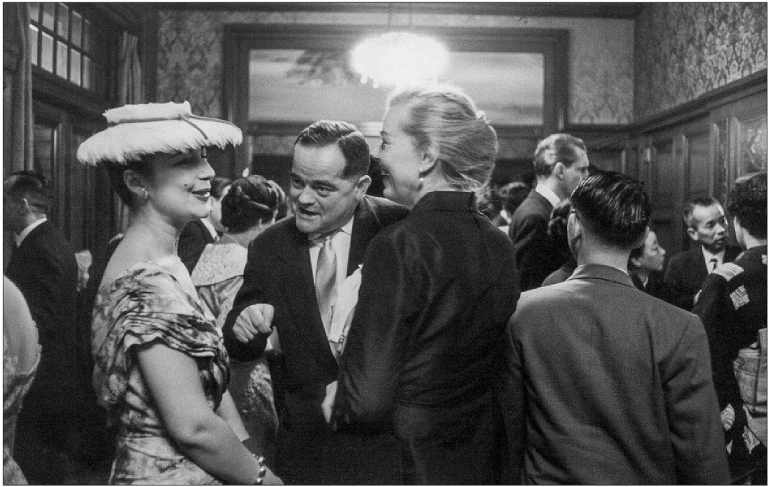
Leiss was born in London in 1951 to Czech parents and spent his early years in Tokyo.
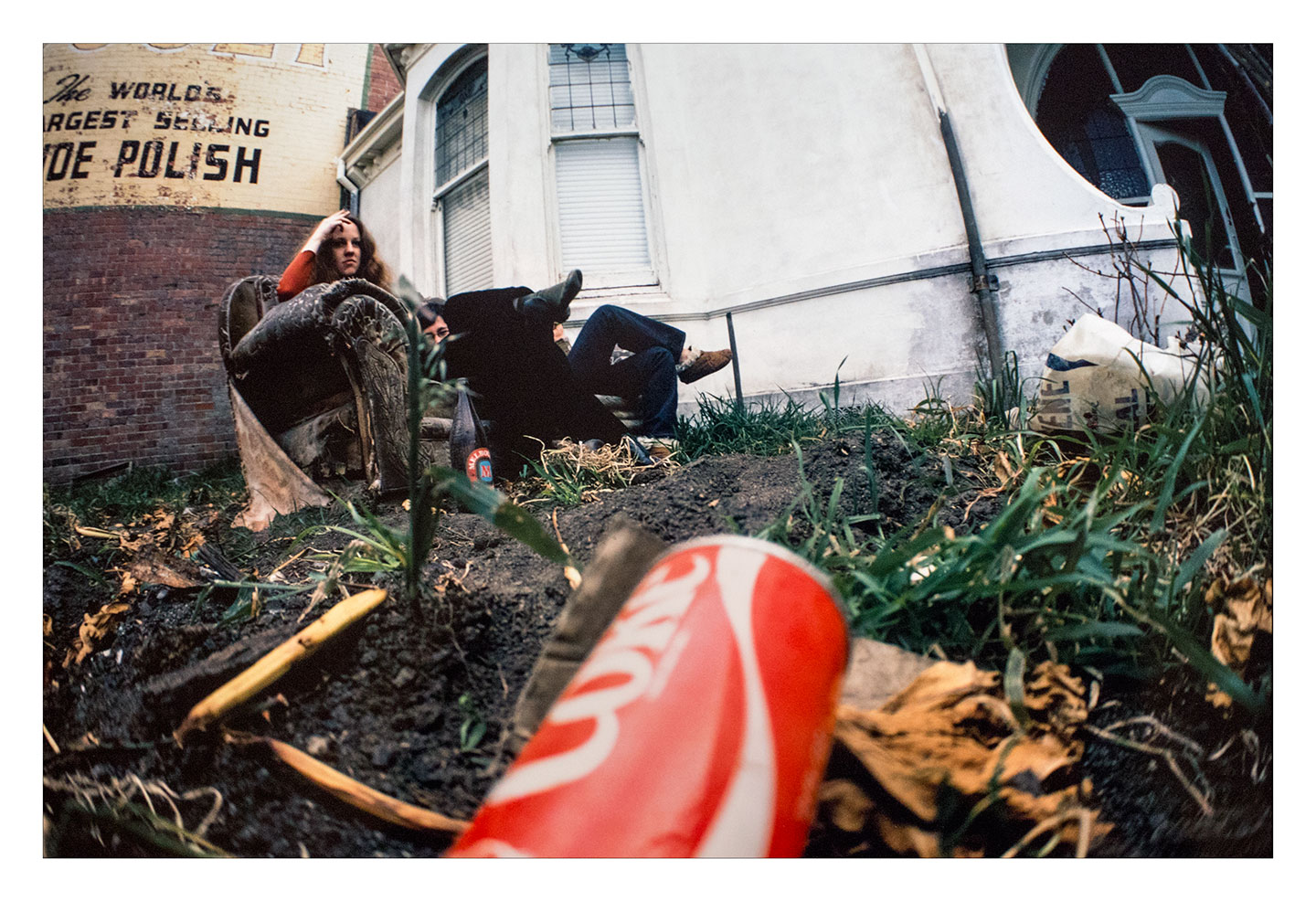
Living in Melbourne, as he continues to do after several sojourns overseas, he completed an intensive first year in art covering a variety of media at Brighton Technical College in 1969. That qualified Peter to enter Prahran College where he studied photography and filmmaking over the first and second years.
His period of study coincided with the transition from Gordon De’Lisle as Head of Department to Athol Shmith. Peter found Paul Cox’s tutelage the most valuable, especially his concentration on film.
“My first impression of Paul Cox back in November 1969 on applying to enter Prahran Photography and Filmmaking was an instant attraction to being influenced by his ethical outlook on both these arts. To state that photography is an art form in that time and place was to be instantly laughed at and to be buried under a constant verbal mockery of negative clichés. Paul was far too professional to be lowered by ambition or career, although his battle to make films at that time was commendable, for him photography and filmmaking was a calling that must be developed and grown. It was a confirmation for me that Art is above all a tool towards a greater understanding.
“Paul was himself a photographer of subtle beauty and a strong influence, nurturing and guiding emerging photographers who shared his notion that photography shared the nuances of the other art media. Having entered Prahran College primarily to do filmmaking and only to find that filmmaking was still a minor subject in 1970 and as the only student studying filmmaking that year it did not deter, but helped me discover a depth in photography through his persuasion and insight. That filmmaking and photography continue with me as equal interests throughout my life I attribute in large part to Paul.”
The Metamorphosis was the first assignment in filmmaking that Peter was set in first year. In 3 minutes, and with only two characters, a cat, and some rudimentary but plausible special effects, it interprets Franz Kafka’s tense 22,000-word 1915 novella Die Verwandlung, yet manages to convey its themes of alienation, identity, and societal expectations.
In his second year Peter failed photography, receiving a report from De’Lisle indicating that he did not take his study there seriously enough:
“That didn’t worry me. I had got a lot from the year and a half that I’d spent at Prahran and felt I’d moved on in my artistic ambitions. It had confirmed that I would pursue a life in art and take advantage of earlier years in painting and drawing.
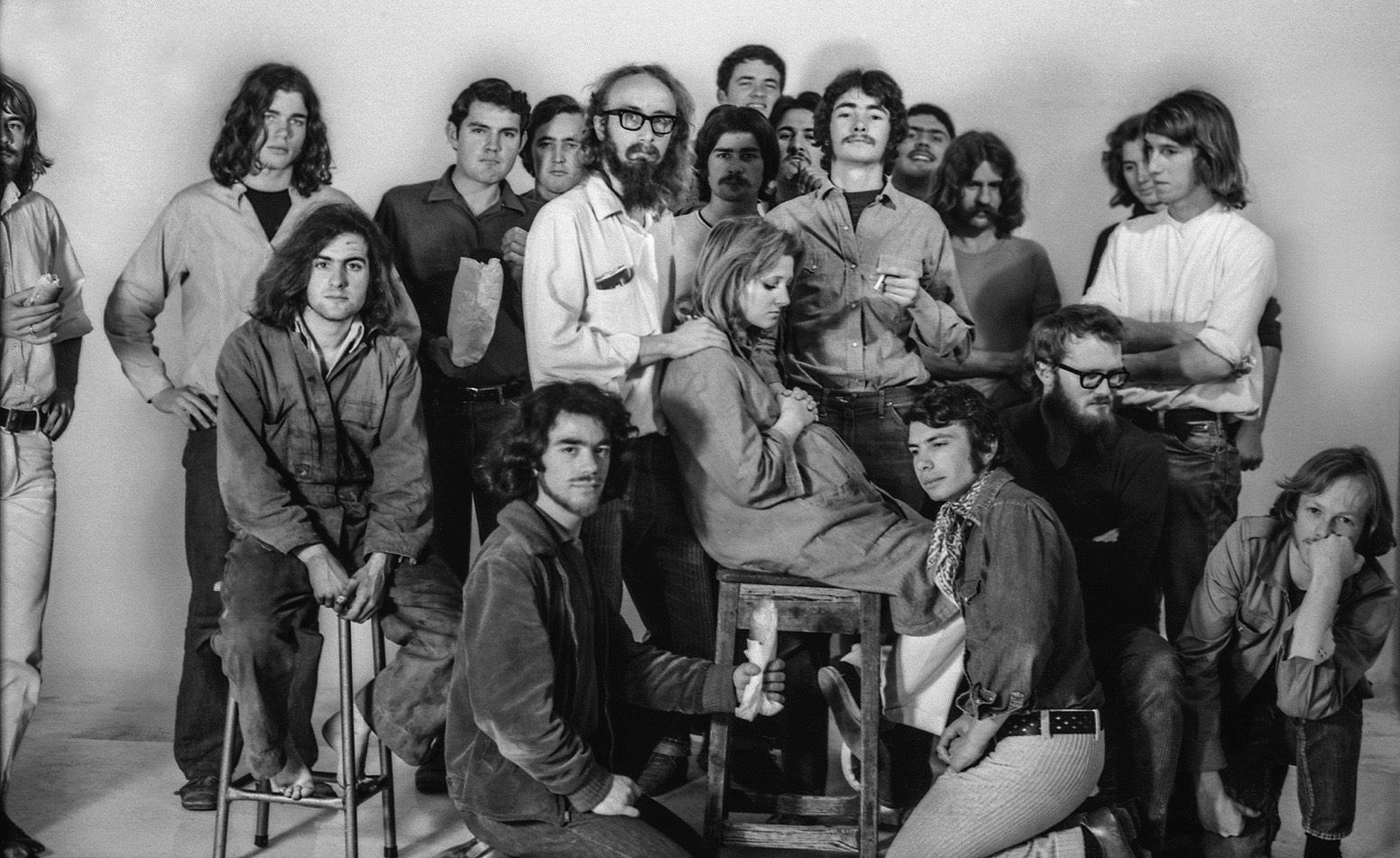
In retrospect Peter considers that “perhaps I was too cynical about assignments that De’Lisle gave us.” For one titled Family, his response was to photograph one “pregnant” woman, Meryl Greaves, with the male students, each reacting differently to the possibility that they might be the impending father.
Leiss was accepted into the National Gallery School in 1971, with a proposal for a series of drawings and painting dealing with a system of objects in colour and form. In the event, he decided to concentrate on photographic essays and seeking employment.
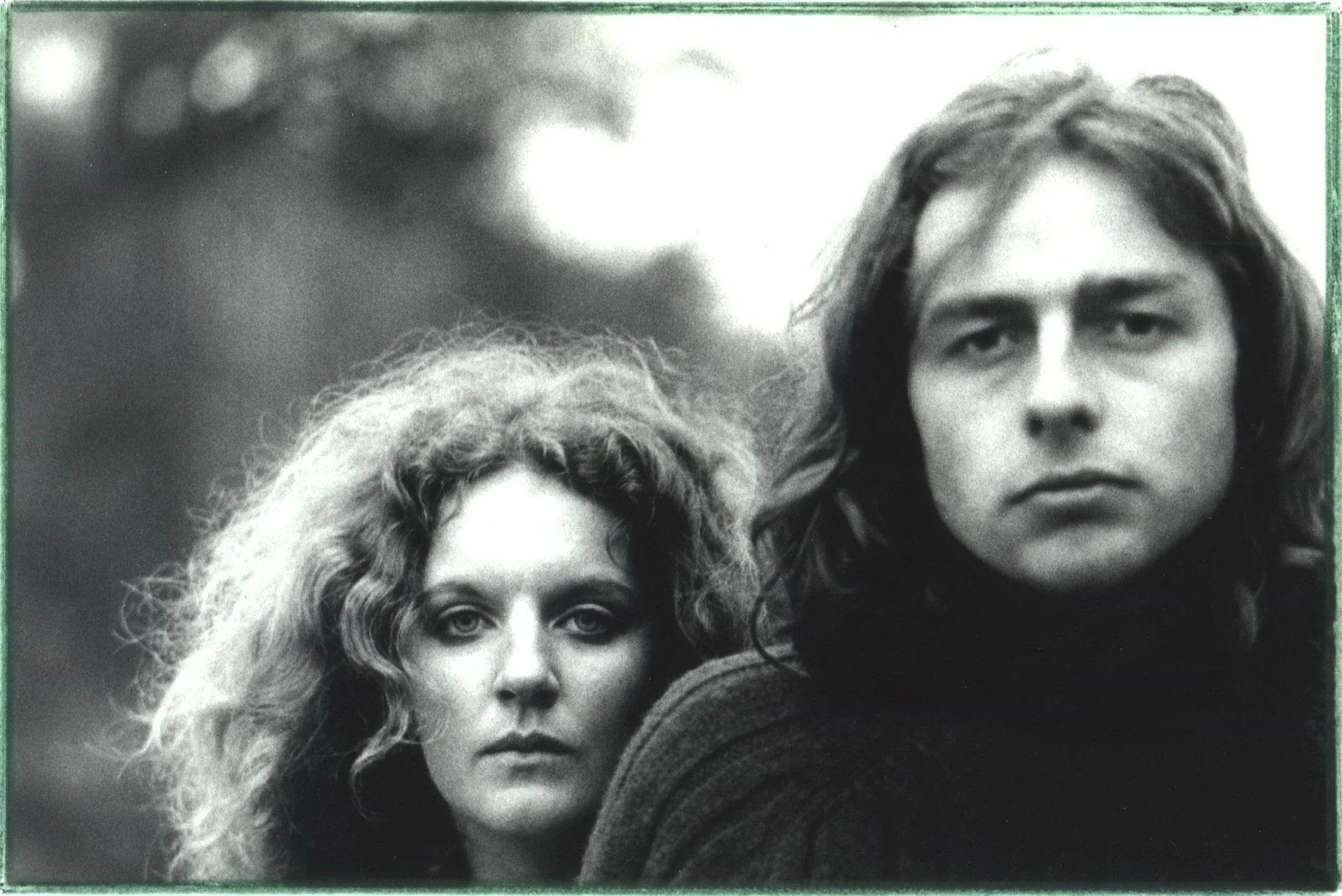
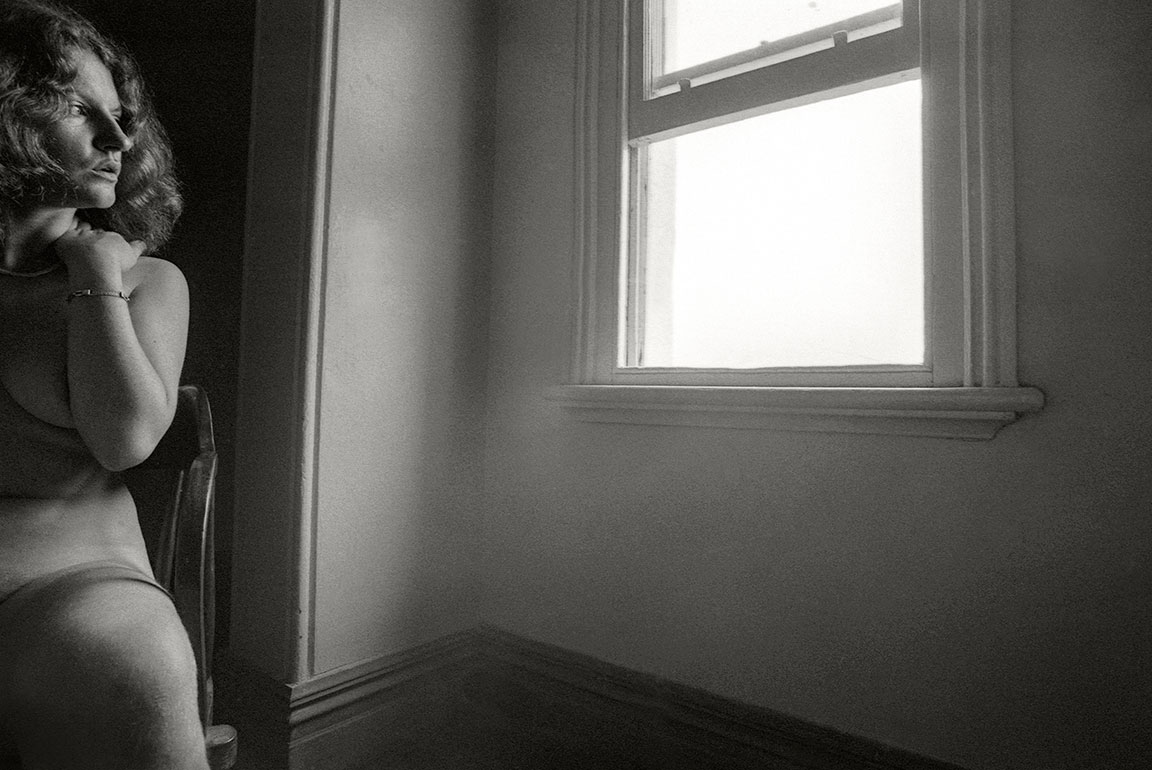
His having made a number of shorts and his study in film at Prahran gained him work in the Australian Broadcasting Commission as an assistant film editor until in 1974, and that year his photograph, part of his exhibition Urban Labyrinth at Brummels Gallery in May, was the cover for Graham Howe‘s book New Photography Australia: A selective survey published by The Australian Centre for Photography.
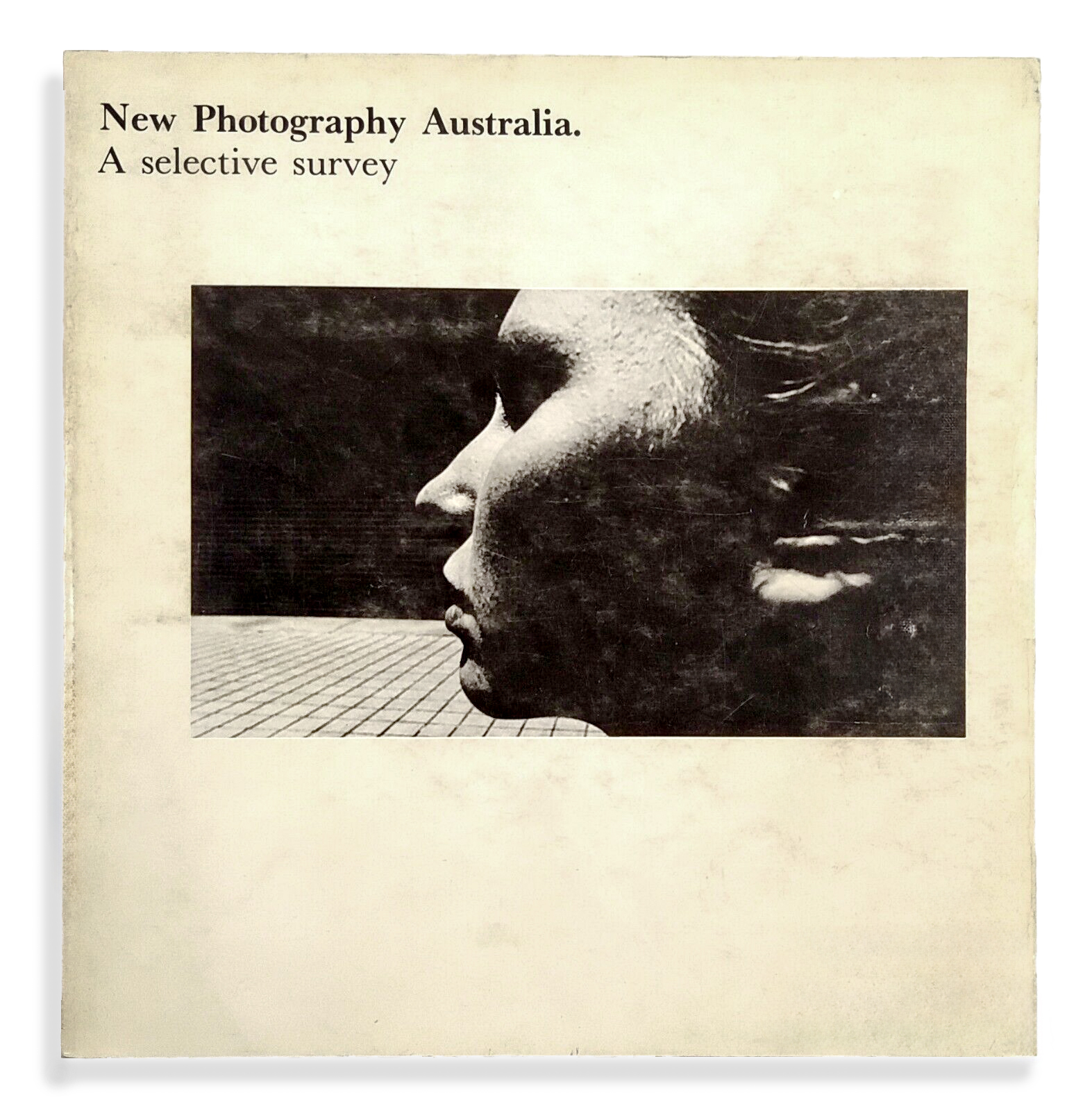
Peter regrets that Brummels director Rennie Ellis at the last minute added the work of the now inconspicuous Phil De Calcagno and changed the title to Looking at Our Friends:
“after I designed [my show] to fit into the space at Brummels, which had nothing to do with ‘looking at friends’ even though the image represented on the cover of New Photography 1974 was a friend/lover that came from that show…[perhaps] with due respect to Rennie, he could not understand what I was getting at with these 8 series of 83 images [given] his limited view of what photography could be […] I always saw Rennie’s work as Australia’s answer to Diana Arbus.”
Perhaps as a consequence Maureen Gilchrist in The Age (30 May 1974) dismissed the show as “run-of-the-mill snaps,” though one might assume, had the book not been released later, in mid-December [The Bulletin, Vol. 096 No. 4935, 7 Dec 1974] that Ellis could have taken his lead from Leiss’ statement in New Photography;
“Photographs give us a better understanding of…why? [sic] They simply record the very ordinary things of life that I’m familiar with – the people around me, friends, the streets I know, what I see every day. I’ve photographed them with a kind of indifference but not without emotion. I hope they express a respect and love for the people I know. For me my photographs are like a casual conversation.”
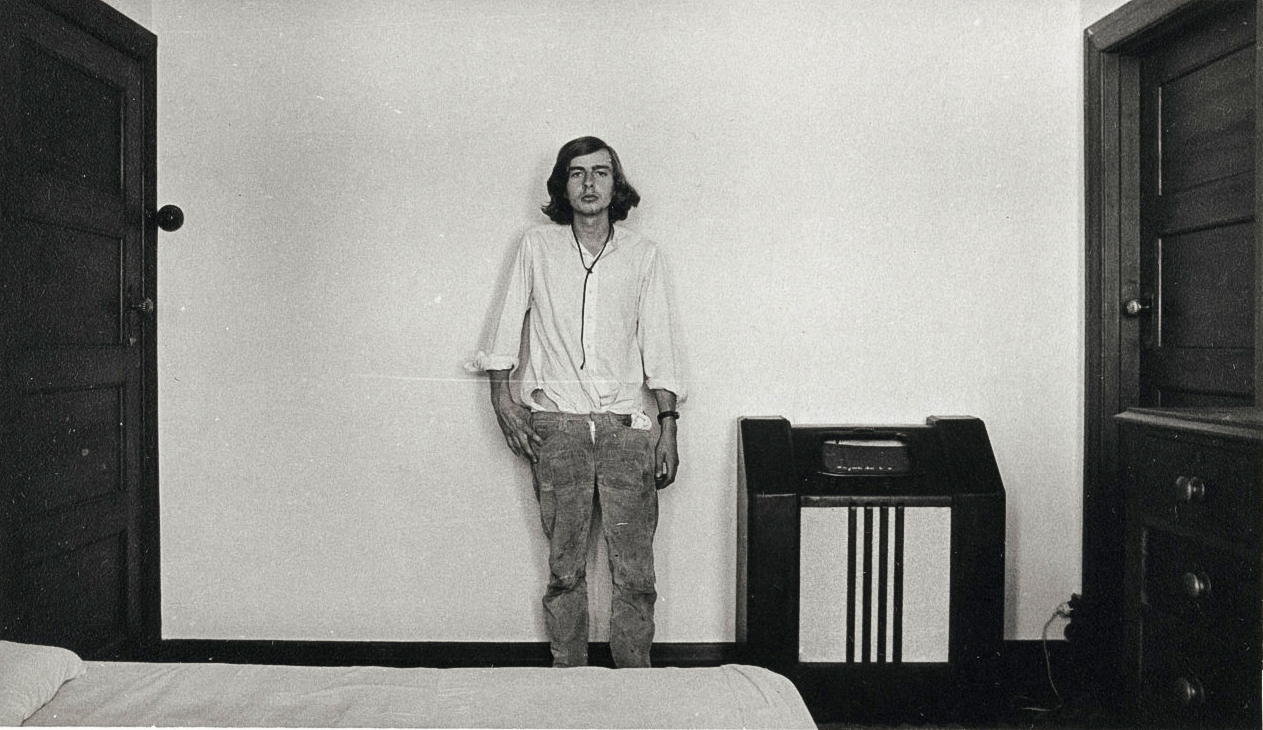
At the end of 1974 Peter set out to travel extensively in Europe and Asia. Returning in 1976 he freelanced and, like other Prahran alumni Moira Joseph, Steven Lojewski and Sandra Graham, lectured in photography at the Council of Adult Education, and also in filmmaking at RMIT. He exhibited with Jon Rhodes in Images of India, the first of a series of eleven of his solo and group exhibitions at the vibrant Photographers’ Gallery, one of Melbourne’s most enduring:
“It was Paul who instigated, in the early ’70’s, along with Ingeborg Thyssen, John Williams and Rod McNicol, the first and longest lasting photography gallery in Australia, The Photographers’ Gallery at 344 Punt Rd South Yarra, that began out of Paul’s studio and dwelling there. The Gallery closed its doors in May 2016.”
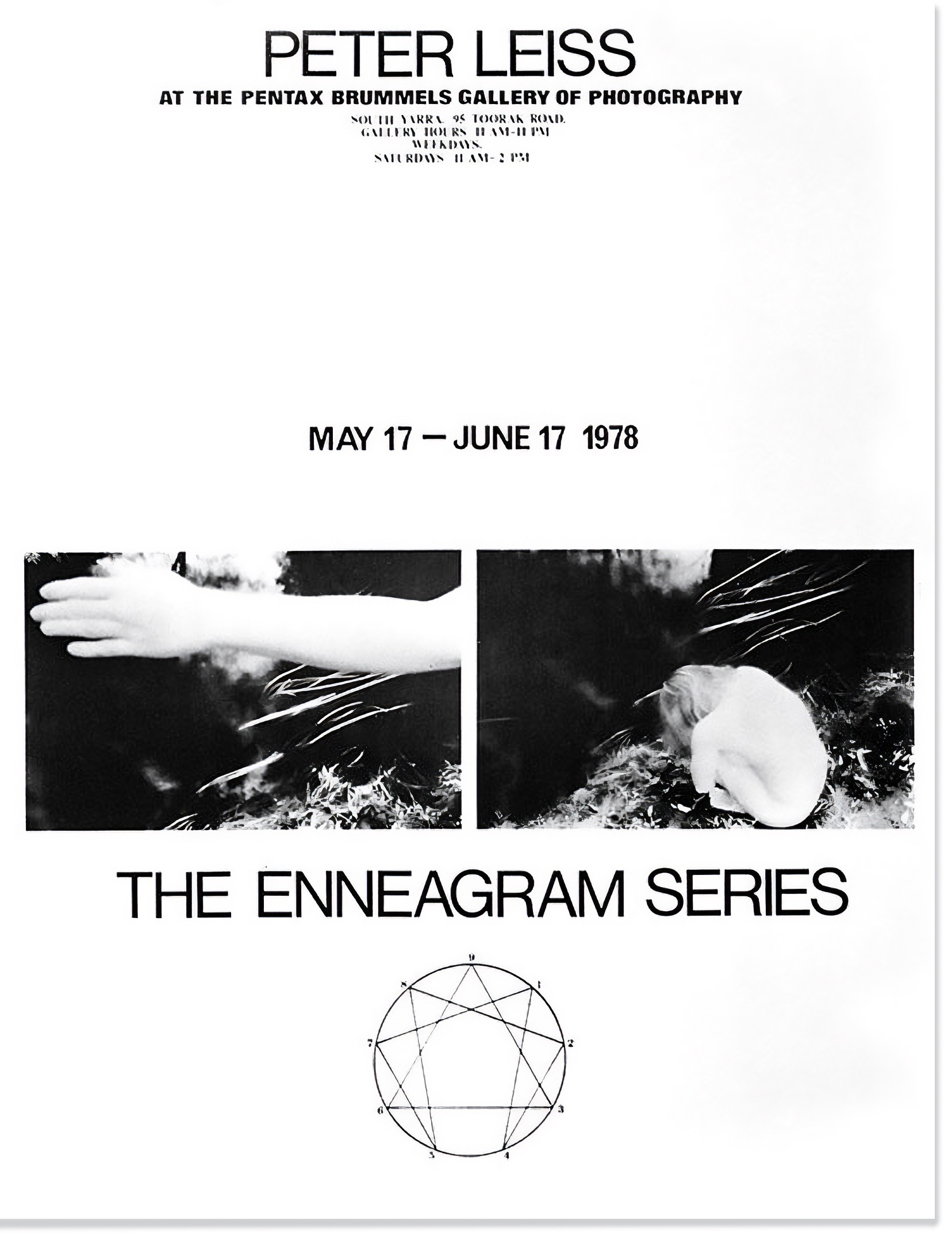 Over 17 May-17 June 1978, Leiss showed The Enneagram Series, at Brummels Gallery, presenting its diagrammatic arrangement of three groups of nine representing the personality types. Beatrice Faust reviewing the show (The Age, 1 June 1978, p.2) comments that his “images are individually
dramatic, curious or lovely,
but as sequences they are
puzzling,” and concludes that:
“The three groups of pictures are frankly literary, but Leiss brings to each a technical skill that makes them visually interesting, raising what appear to be a quite hackneyed message into objects rich and strange.”
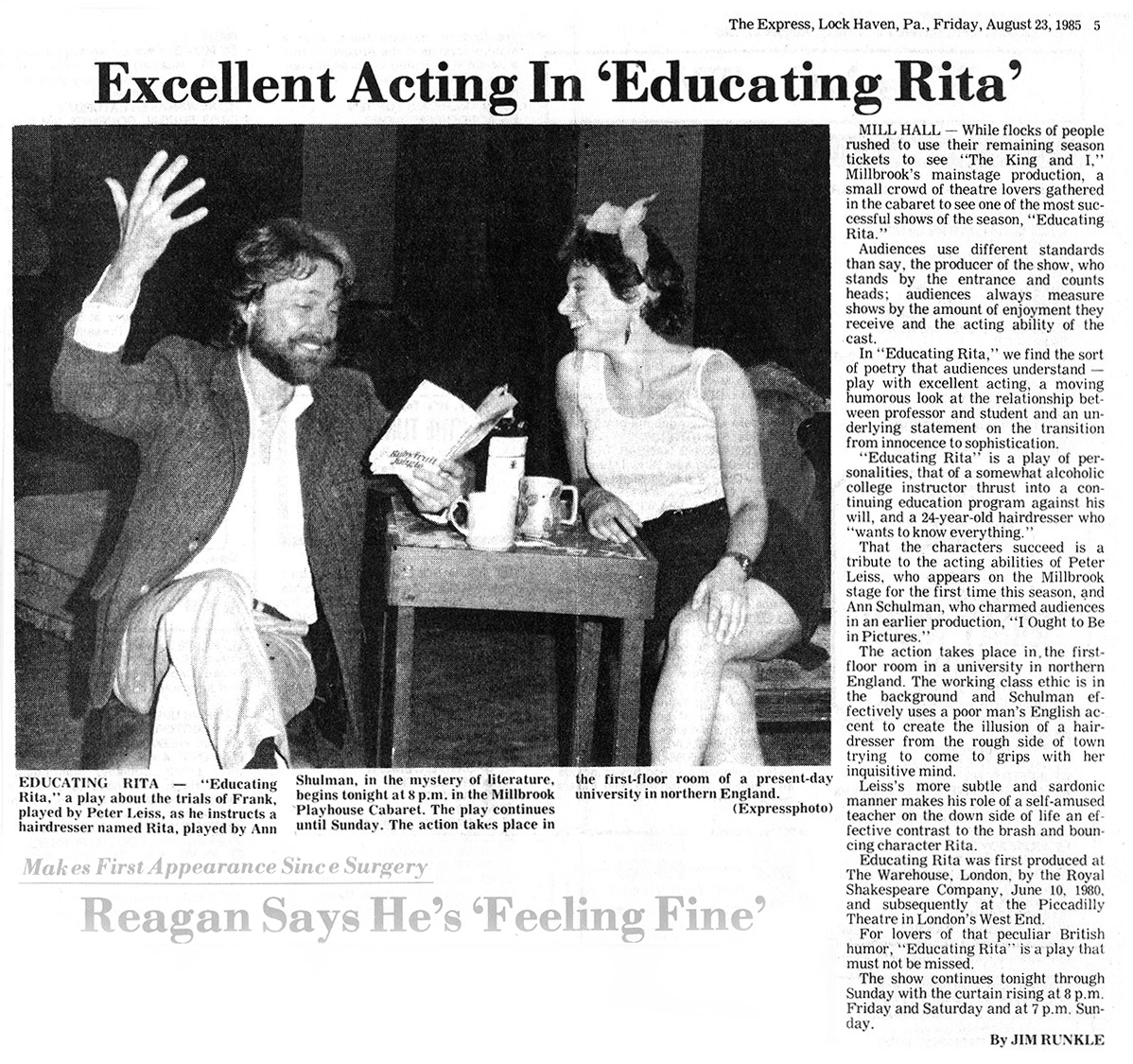
Over August to September that year he again showed the work at Orientations Crafts Gallery, Glen Iris (The Age, 22 Sep 1978, p.37) In 1979, Leiss received a Visual Arts Board Grant of $1,000 for materials (value; $4,000 in 2024) which he says was tragically lost in the mail and cashed by someone else. Nevertheless, he left Australia for New York. There, he studied theatre and acting over two years at HB and Gene Frankel Studios in New York, then appeared in off-, and off-off-Broadway plays, in soaps, short films, and voice-over work.
On a short return to Australia, in March 1983, he again exhibited at The Photographers’ Gallery. In a favourable review, Anthony Clarke (The Age, 10 March, p.14) considered the colour in the architectural studies as a means:
“to make abstract patterns out of the recognisable….Hoary subjects such as the Empire State Building are given new life through his imaginative eye, as when in one image he gives us just the peak of the towering building, jutting from behind a 19th Century traditional church building [for] a strongly medieval feeling from this most resolutely modern of all cities…
“Leiss is able to employ colour in a way that makes the actual colours seem secondary to the interplay of tonal values, which emerges as well as in the best of black-and white photography. He is not infatuated by colour as an end in itself, as some of the best photographers in black-and-white seem to be when they make the switch.”

Leiss showed Regression 1988 to 1971 at The Photographers Gallery, South Yarra in December 1988. In an interview with Kathleen Devine of The Melbourne Times, Leiss preempts the question of whether photography is an art form, instead highlighting its unconscious, compulsive nature and its role in verifying and archiving events, as illustrated by a Kafka quote on his exhibition flyer; “One photographs things in order to get them out of one’s mind.” The exhibited photographs were varied, covering architecture, social documentation, and poetic illustrations, often theatrically constructed. Leiss concedes the influence on him of other photographers like Ralph Eugene Meatyard but finds greater inspiration in the literature of Thomas Pynchon, and poets Fernando Pessoa, and Paul Celan. He accounts for his preference for photography over writing is that it explores thought and memory without the burden of intellectualisation. He explains that the show’s title Regression, reflects his surveying 17 years of diversity in his work, with the aim of countering a trend toward slick, neatly packaged art exhibitions. Leiss tells Devine he studied acting in New York for nine years, and that it provides another expressive tool that parallels photography in its process of shedding intellectual constraints to achieve clarity.
The solo show was reviewed by Beatrice Faust in The Age (18 December 1988):
“To get into Peter Leiss’s Regression a viewer must first get past his best- known image, ‘Freda, 1873. As the eye is swept from left to right across the picture, it irrupts from formal austerity to romantic chaos in the whorl of a girl’s ear. This surreal progress is stunningly like Ralph Gibson’s conceits and curiously unlike anything else Leiss has ever done. Its peculiar atmosphere is atypical, a one-off, perhaps a mere fluke.”
Commenting on the ‘gentle,’ ‘pastel’ colouration and ‘elegaic’ monochromes, she acknowledges his ‘careful’ compositions, Faust considers the work ‘pedestrian’ in comparison to Freda‘s “strength and originality” and concludes that:
“there is little evolution over time. The gentleness and formal restraint are more or less static. So one is left with inescapable questions: where has this photographer been that he should deserve a retrospective? What has he done? What has he experienced?”
This, Peter has taken to heart, asserting that “I am not the type of image-maker that does the same image decade after decade, after decade… No, I move on, because Art is a tool that, when used correctly, can refine one’s perception.’”
Back in America in December 1989, Leiss showed “subtle poetic photographs based on very strong composition” (Joan Shepard, Daily News, 23 December 1989, p.15) at Synchronicity Space in New York. Then, during 1992-93, Leiss was the associate producer of Red White & Black Pictures in Los Angeles, developing feature film projects and was the author of the script of the feature length film Zach’s Labyrinth, based on The Australian Nugan Hand Bank scandal. Until 1995, he freelanced in fashion photography, and fashion video packages, documenting of functions and events at such prestigious places as Tiffany’s on 5th Avenue, work that included high-profile fund-raising, promotional images and celebrity portraiture for subjects including Andy Warhol, Jane Seymour, and Dudley Moore.
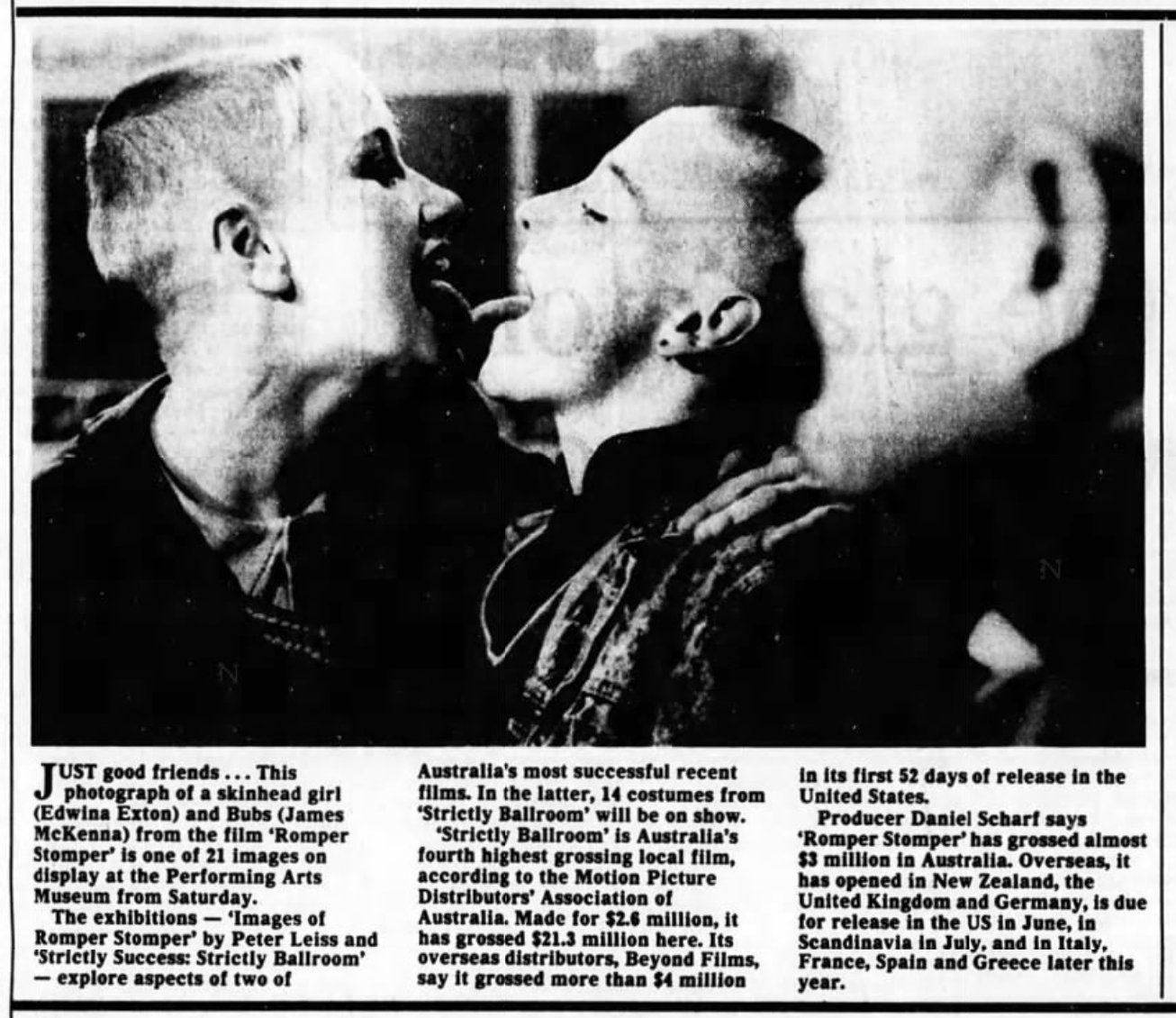
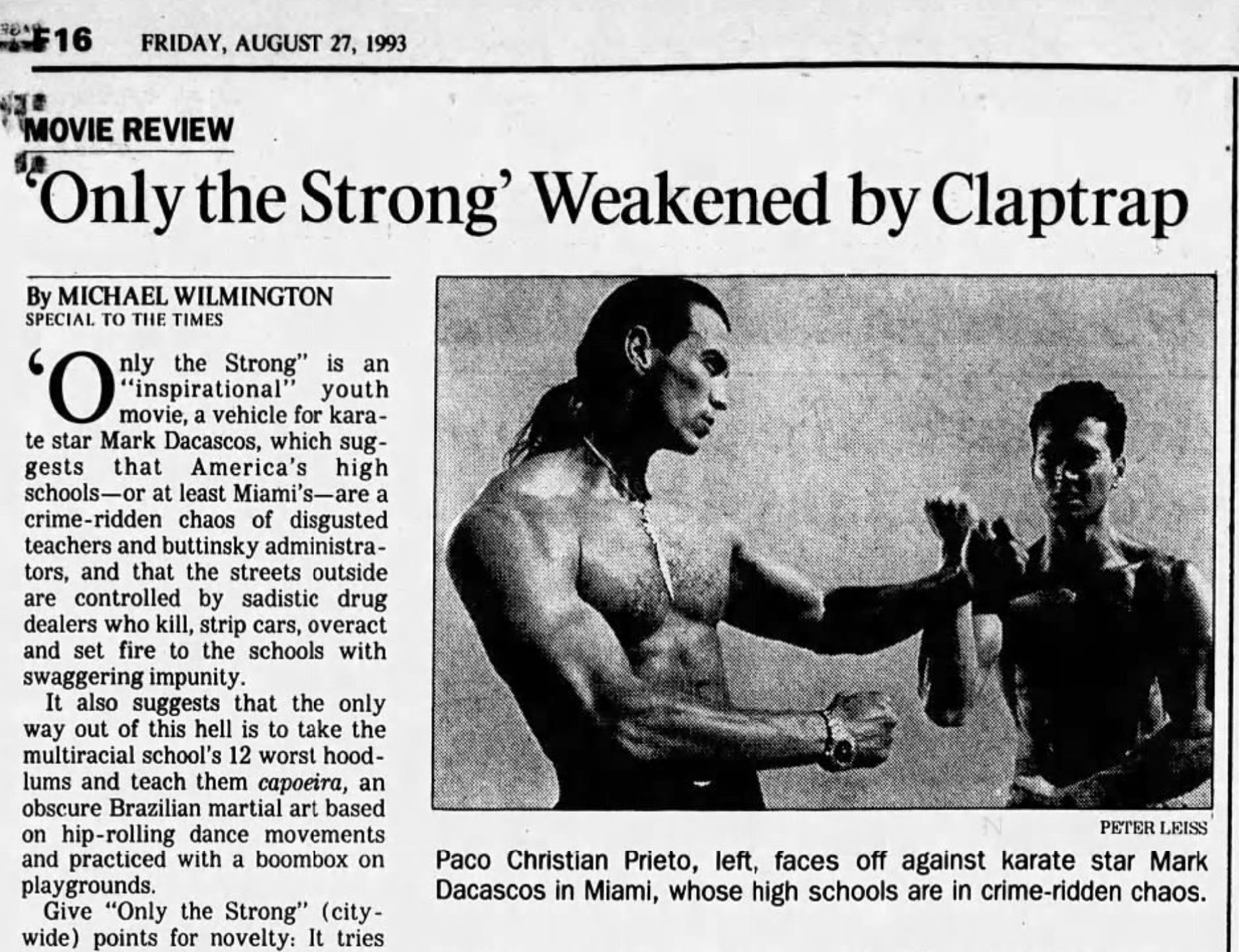
Leiss was a movie stills photographer in the USA, Europe and Australia on movies including; Isabelle Eberhardt the 1991 Australian-French biographical drama film directed by Ian Pringle and starring Peter O’Toole; Romper Stomper (1992) an Australian drama film written and directed by Geoffrey Wright; Only the Strong a 1993 martial arts film; Headless Body in a Topless Bar (1995).
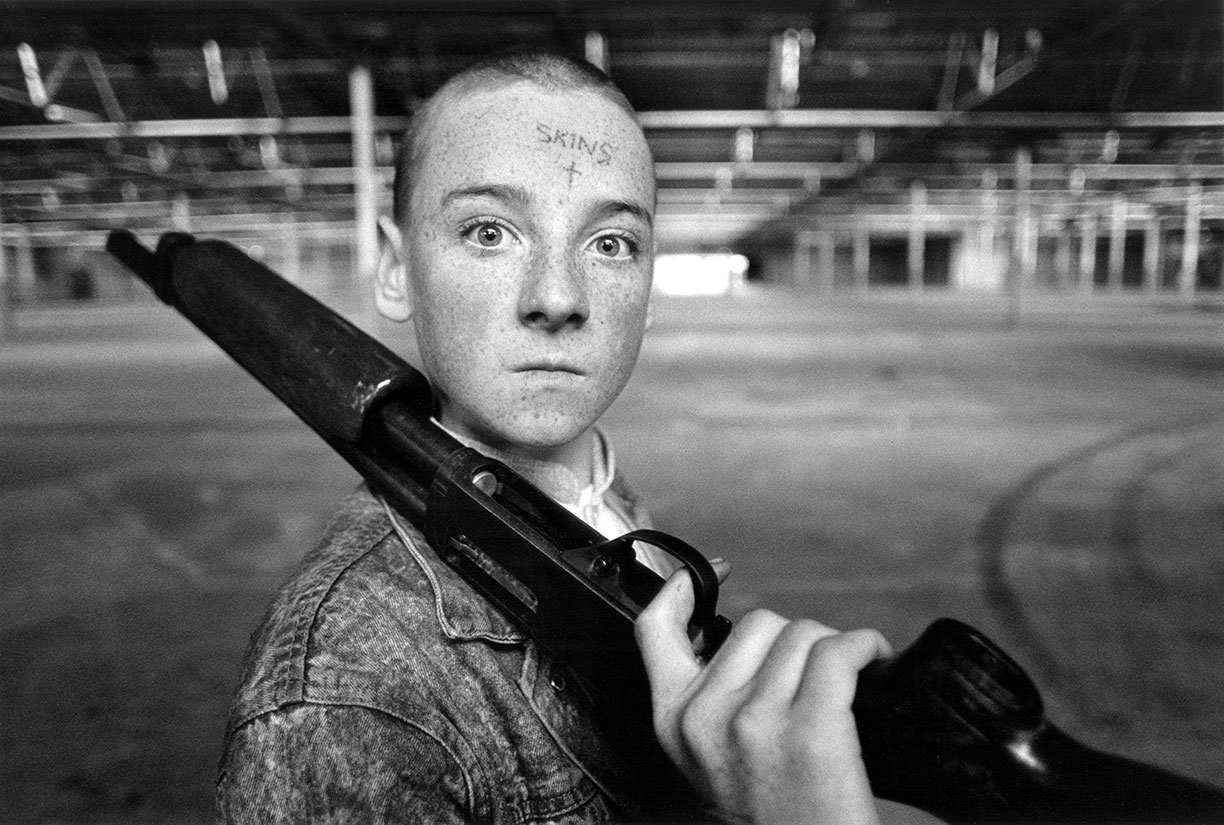
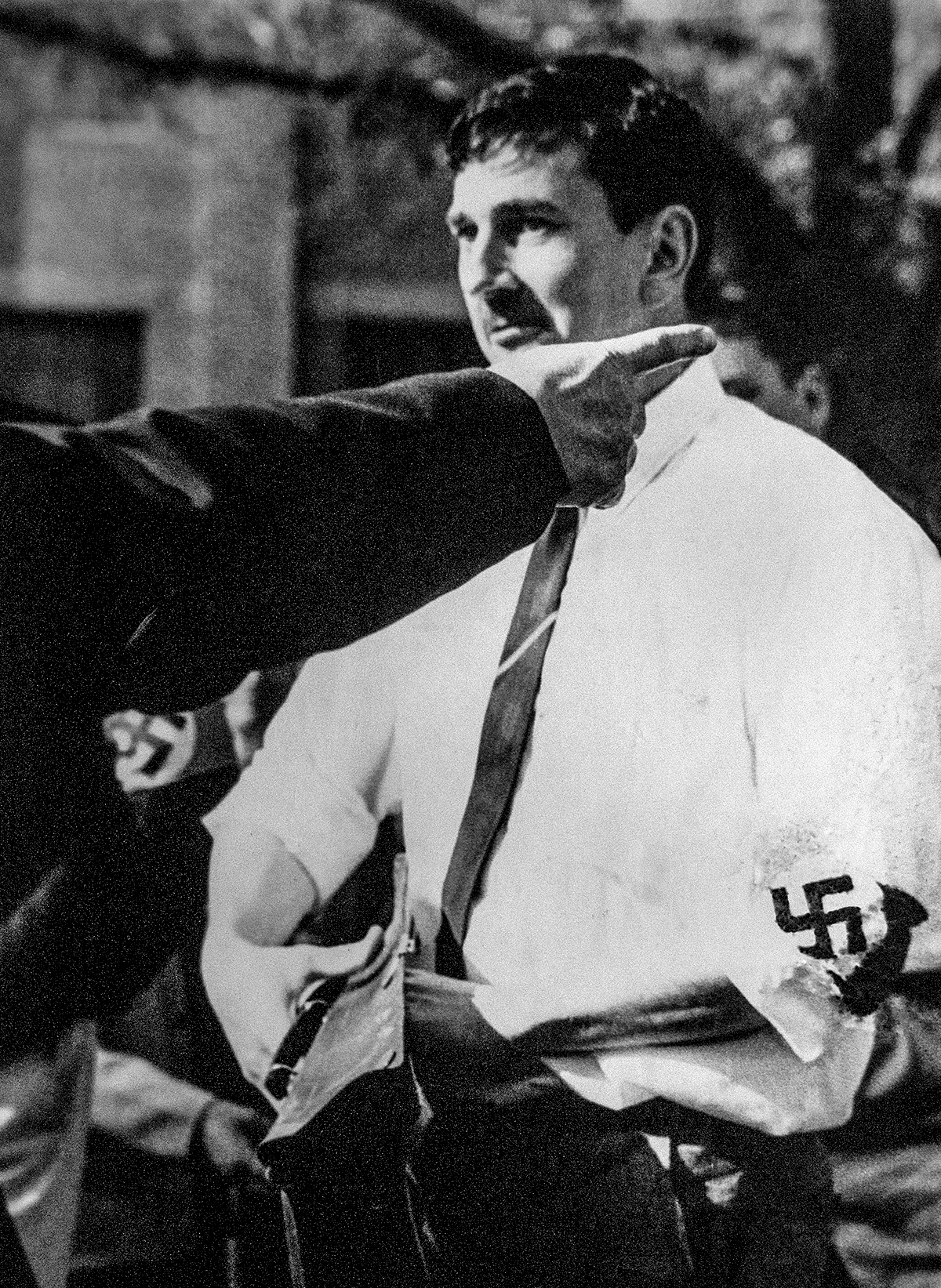
The Romper Stomper Series was exhibited at Melbourne’s Performing Arts Museum (May 1993) and elsewhere, and in 2001, the edition 3/3 of the 23 analogue prints was sold at Christies, New York.
Peter undertooka brief film production collaboration with Seon Films in Los Angeles over 1993-94, before shifting back to New York. He continued working on a personal photographic series that resulted in his March 1995 Photographer’s Gallery exhibition War Fever, with photographs of urban America.
On return to Australia in 1995 Peter resumed acting and was a founding, and creative and financial, director of WAX Studios Inc. in East Richmond where they produced thirty-six of its productions in its five-year career 1996-2000.

 It was a hive of innovation and showcased local, contemporary and classic plays including Peter’s 1999, Antarctica Starts Here, co-authored with Neil Caldwell and directed by Tony Rive. It was reviewed by Howard F. Dossor:
“The presence of international luminaries at the Melbourne
Writers Festival should not blind us to the abundance of talent possessed of local writers and it is doubtful if any bigger contribution has been made to the Festival than that of the comparatively unknown Peter Less, Neil Caldwell and Brettcardie Ingram. These three, the first two in concert, all of whom are Melbournians, have authored an extraordinary double bill currently running at the Wax Theatre in Richmond. They have, as it were, set the seal on the city’s literary celebrations. Leiss and Caldwell have written a Pinteresque piece titled “Antarctica Starts Here”, which consists of a dialogue between Zack and Alex, fraught in their relationship, unable to manage the depth of the love that holds them together.”
The review concludes:
“Neither these two plays nor their writers were supported financially by the Writers’ Festival but their audiences will judge this to be an oversight and will hope that in future years finance will be made available to enable the drafting and performance of comparable works.”
After exhibiting again at the Photographer’s Gallery in May 1996, Leiss designed the sets for Cowboy Mouth (WAX Studios, 1997) and acted in several WAX Studios productions including including Harold Pinter’s double bill, The Dumb Waiter / The Lover (September 1997) of which The Age (12 September 1997, p.33) reviewer Helen Thomson wrote:
“Peter Leiss as Ben and Robert Corner as Gus give fine performances, creating the complex rhythms, the unexplained gaps, the shocking ordinariness necessary to build up the play’s suspense and give its conclusion the maximum shock impact.”
Then followed Kurt Vonnegut’s Fortitude (March 1998); Whatever Happened to Rusty Bolts (April 1999) in which Leiss played Rusty (The Age, 23 April 1999, p.46) an embittered former movie star trying to save a young fan from his romantic illusions about Hollywood; and The Fire Raisers, a play by Max Frisch (August 1999).
Over the period 2001-23 Peter produced a number of documentaries dealing with contemporary topics, music videos, personal and collaborative projects in theatre and digital film. He was the video director for Unsafe Sex at La Mama theatre in Carlton (September 2008) and The Dream Children, Carlton Courthouse, Carlton (January 2009), and others.
The Bridge at Midnight Trembles was an idea Leiss proposed to actor Richard Moir about recording his struggle with Parkinson’s disease. Richard agreed and Peter filmed him over a two year period with a borrowed digital camcorder. It was bought by SBS and later handled and completed by Esben Storm with a number of different editors. It won joint prize for Best Documentary at ACMI film festival and was nominated for a Logy. This confronting documentary about actor Richard Moir undergoing Deep Brain Stimulation for the worsening Parkinson’s Disease that was destroying his career and relationships, and its sequel, The Spirit of Infirmity which Peter regards as the superior film.
In film, Leiss was an actor in the Victorian College of the Arts School of Film and Television’s science fiction thriller Winter Harvest (2001). He had founded Prometheus Films in 2000 (later changed to Count Westwest Pictures after Kafka’s last novel ‘The Castle”) and produced and, on most, was director and crew for; Cakewalk (2001) an American pop culture odyssey, and its reprise Cakewalking Again (2008) also with Robert Heide, John Gilman and Stephen Hooper; for Amerikan Peephole (2007) Leiss returned to Kafka for his motif; The Junkie and the Thief (2009) tracks the relationship of a young junkie and a thief destroyed by drugs, poverty and crime, self-justification and denial; and An Australian Arsonist In New York (2009) examines the nature of fire and arson in our culture in following the journey of Phillip Corbett from Newcastle to New York where his play The Arsonist was performed by an all Australian production company.
Leiss continued with a half dozen other documentaries including Upon the Day In Australia, McSpedden: The man behind the myth (2016), The Terror of Art, the Legacy of The Doors (2011) and in 2001 The New Advocate from the short story by Franz Kafka.
Stanley Corngold Emeritus Professor of German & Comparative Literature at Princeton University commented:
“This is a delight! I play it over and over … and not least because of the Daseinsreim (rhyme of existence), so to speak. Congratulations on your canny visual skills and refined (right on!) literary taste”
Leiss also appeared in TV productions Good Guys Bad Guys, and State Coroner; was one of the lead characters in the feature Black Box; the voice of Jesus Christ in the documentary Prophecy and Predictions, and acted at La Mama in Carlton, in Brettcardie Ingram’s Manacle (June 2011).
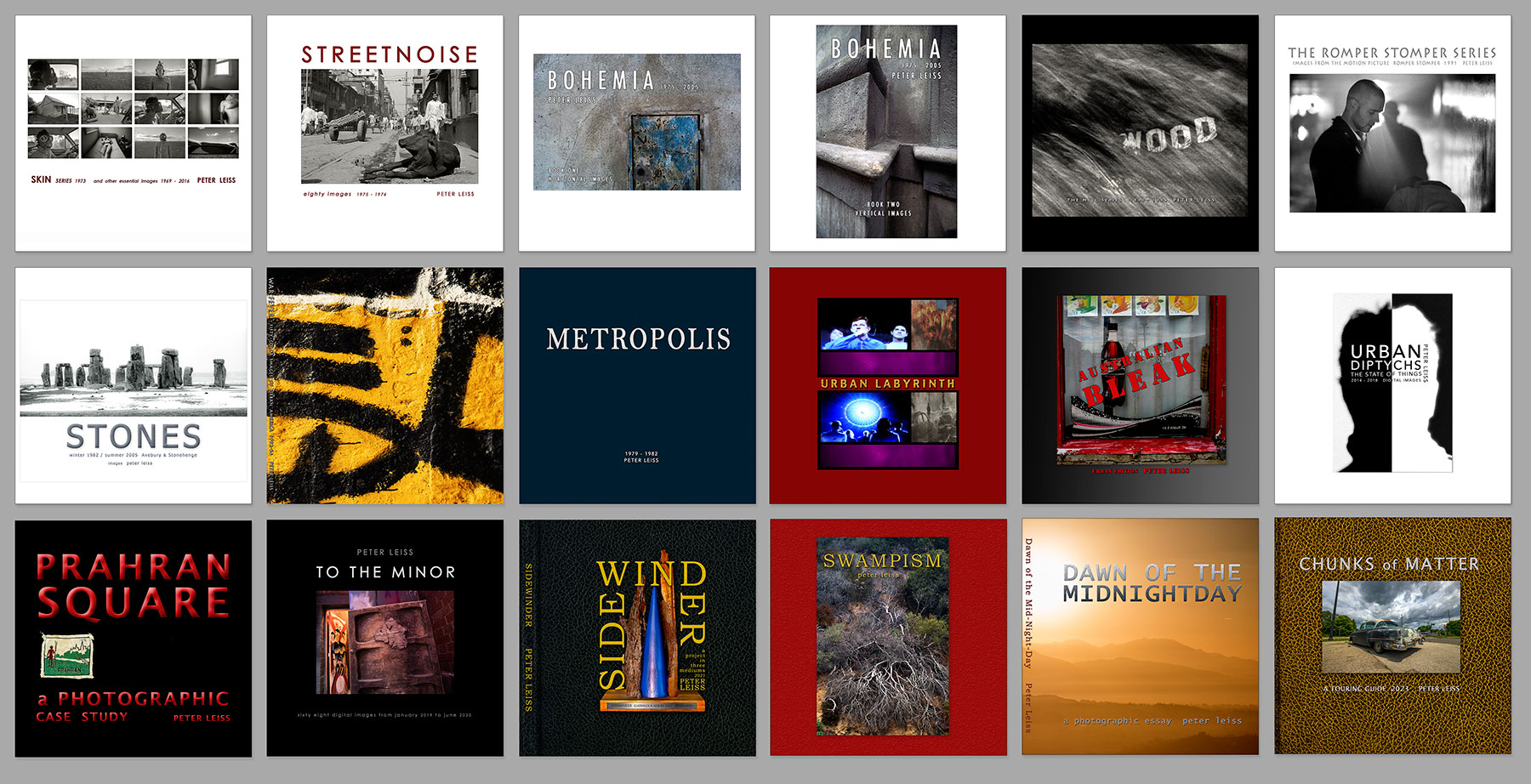
During the Covid years Peter extended a majority of his older exhibitions and devised new photographic sequences which he self-published in eighteen books.
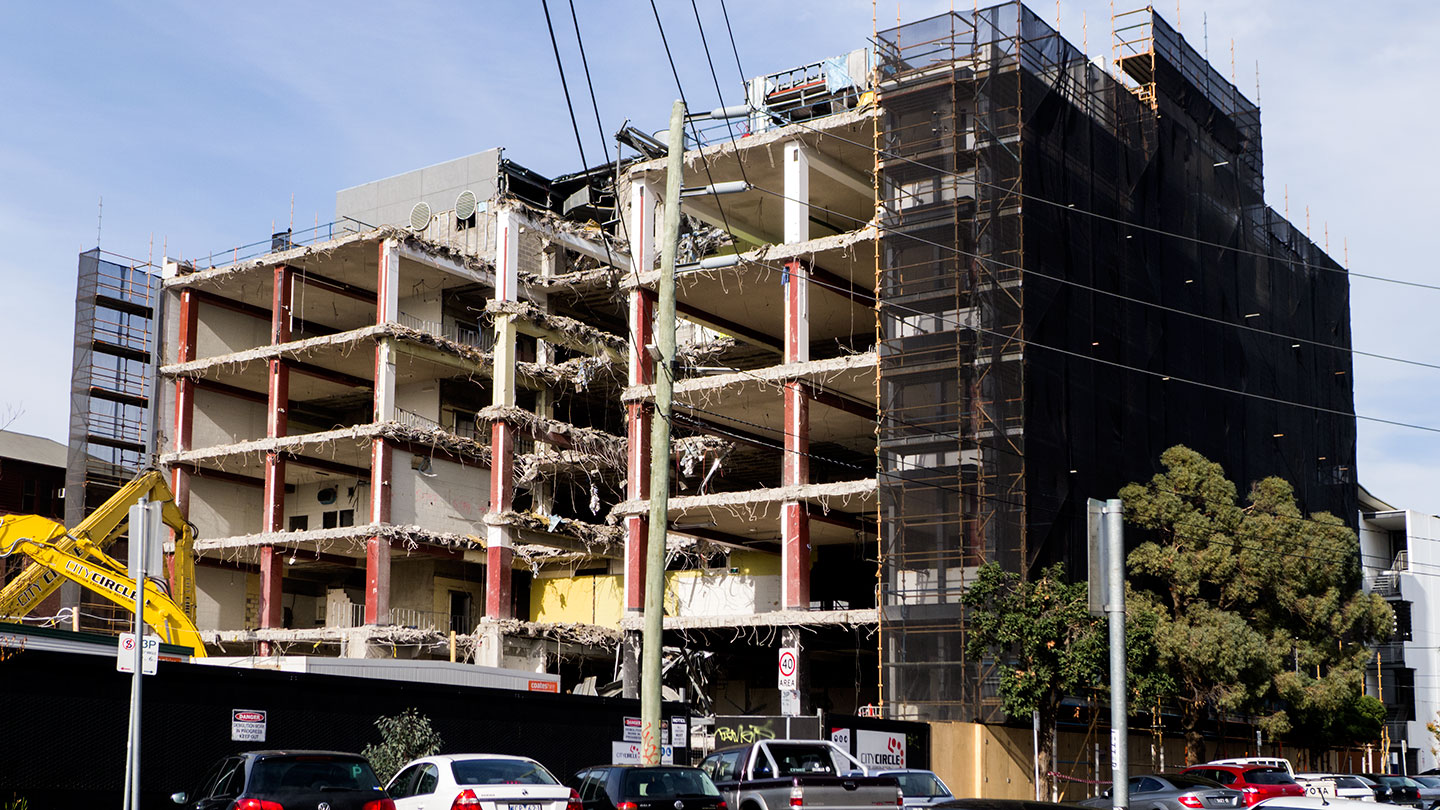
For many years a resident of Prahran, close to the old College site, Peter has taken for some of these books imagery that draws on the tradition of street photography he practiced alongside his student colleagues. Most poignantly, it was only he who thought to record the destruction of the Art and Design building which housed the Photography Department in its basement for over two decades.
Peter, in producing a series of interviews with Prahran College alumni of the 1960s and 1970s brings into play this deep life experience over a varied, adventurous career. His success in recording his subjects’ animated recounting of their histories is possible only through his own grounding in theatre, and his human empathy enables an intelligent editing of the video material to produce concise, pithy and engaging vision, enhanced by application of his longstanding experience in lighting, imaging, sound engineering and production.
Leiss is represented in the Phillip Morris Collection, acquired in 1981 by the Australian National Gallery which also holds photographs by him contributed by Carol Jerrems’ estate, and other works are in The Bibliotheque Nationale in France, and private collections.
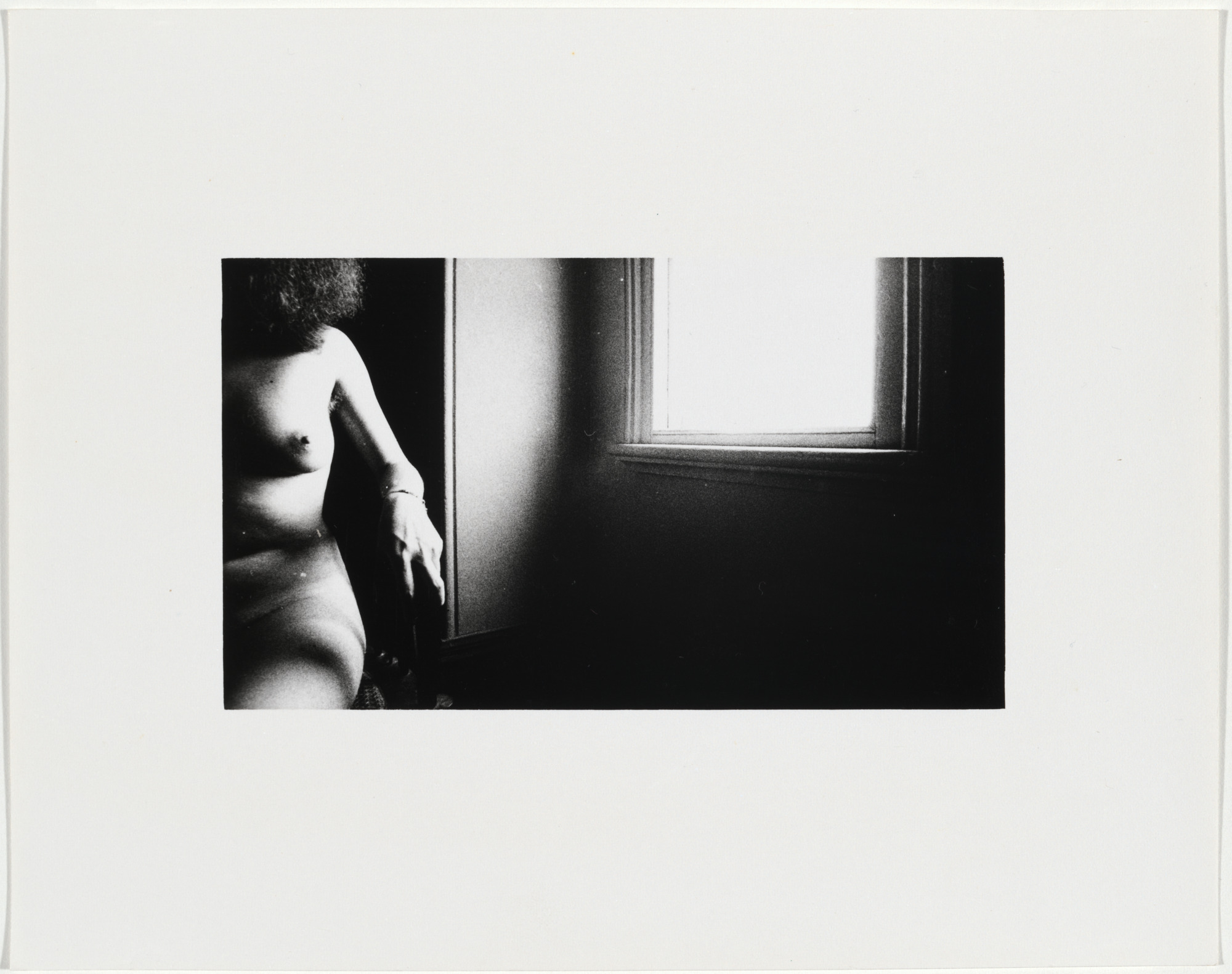

Peter Leiss (1973) Skin Series
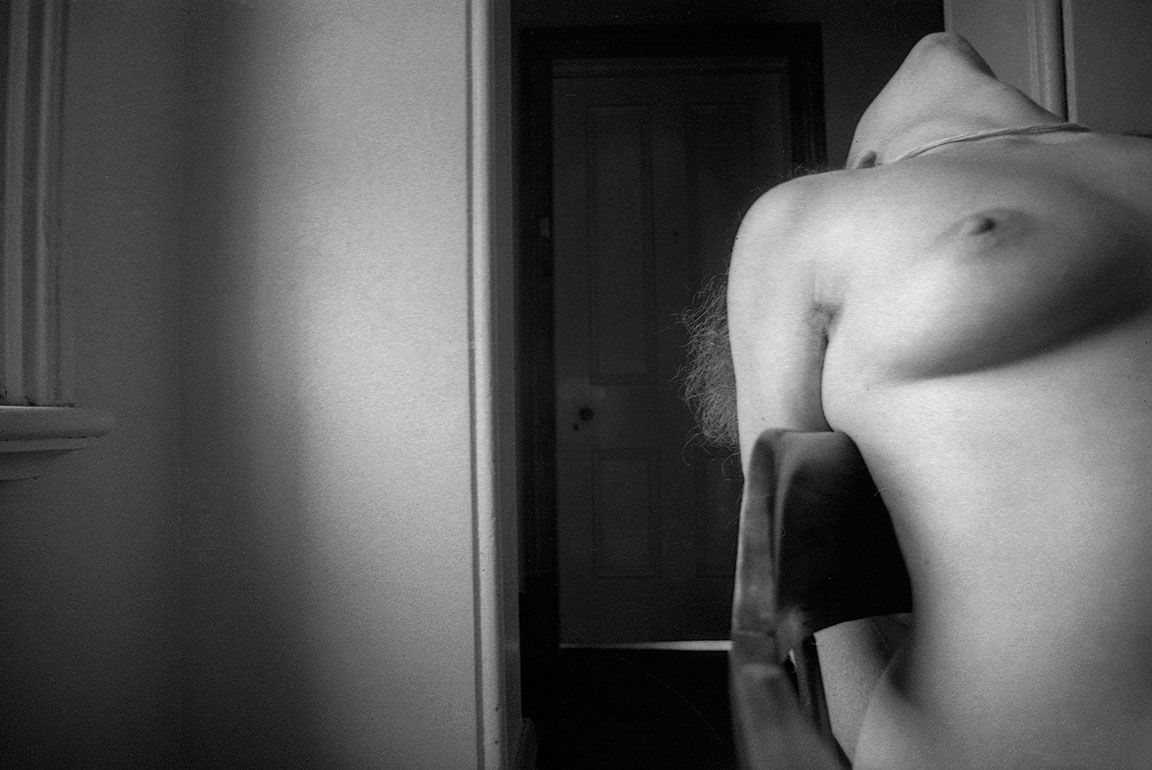
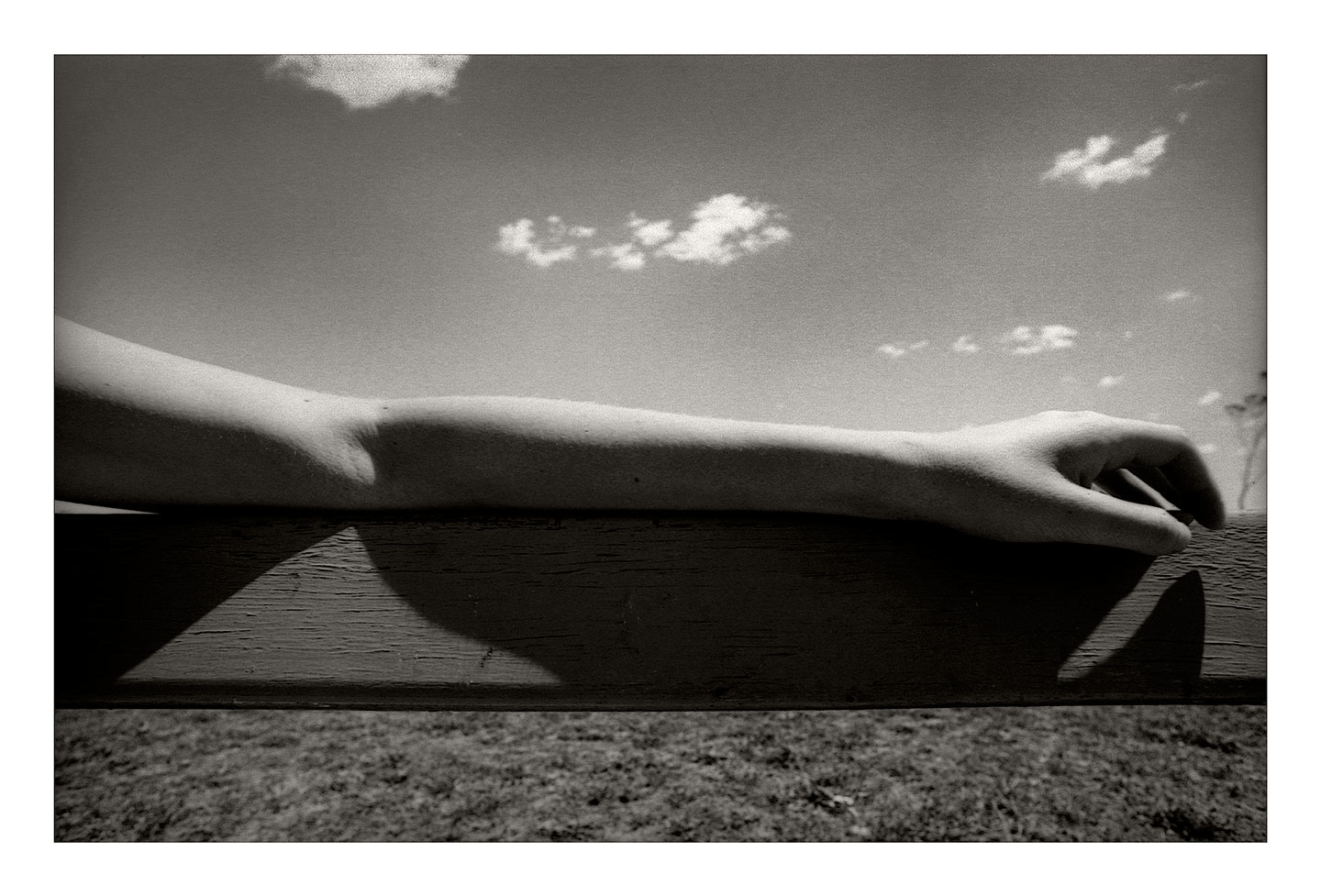
 Prahran Photography
What a life, and what a span of amazing work
LikeLike