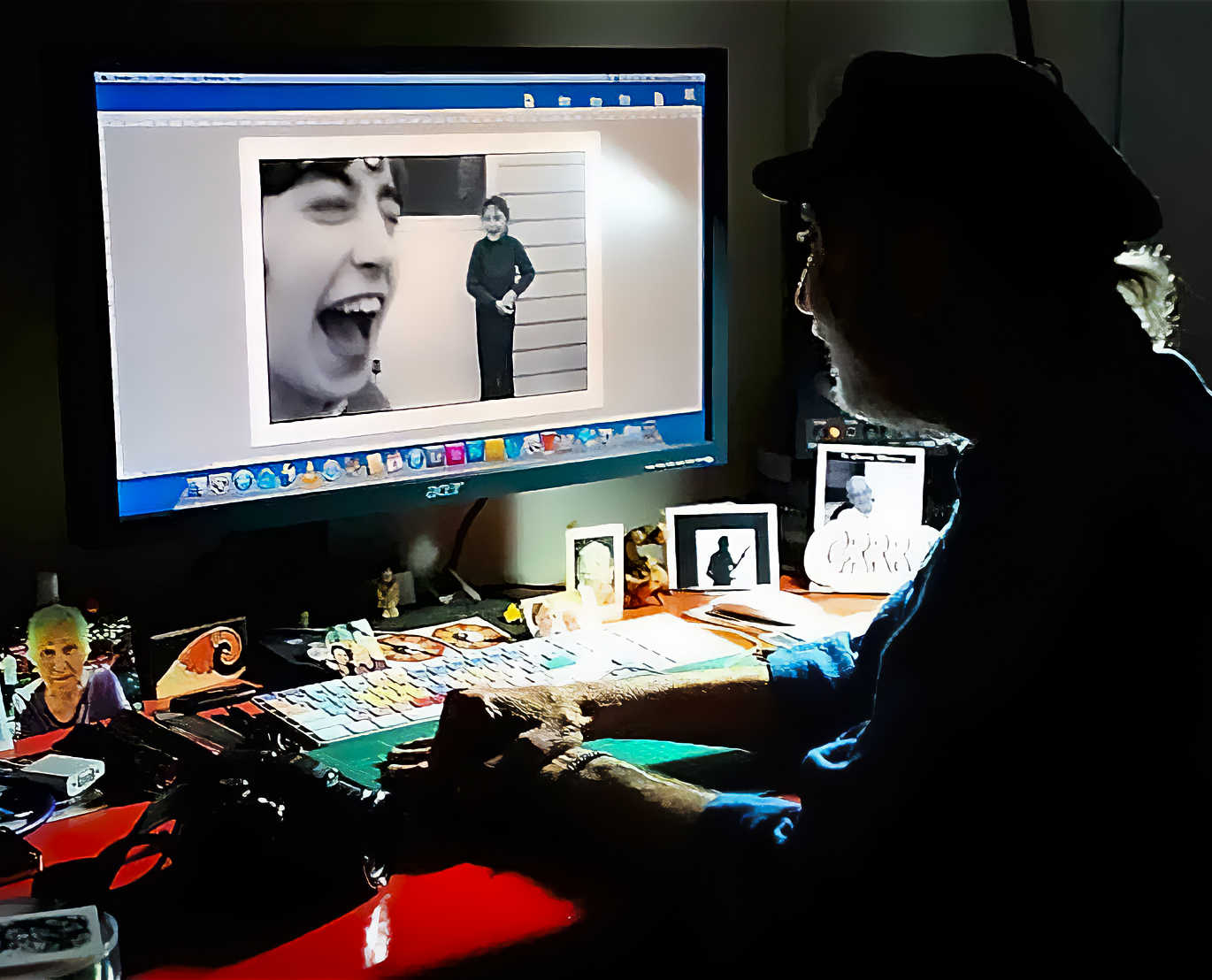
Headline image by Joe Mastroianni (c.2017)
Sophocles John Contoyannis, known as Jon Conte (8 February 1951–24 February 2022) was born in London to Elpida ‘Hope’ Solomonides (born Morphou, Cyprus 1924, died Melbourne, 2015) and George Sophocles Contoyannis (born Limassol, Cyprus, 1917, died Melbourne 2009).
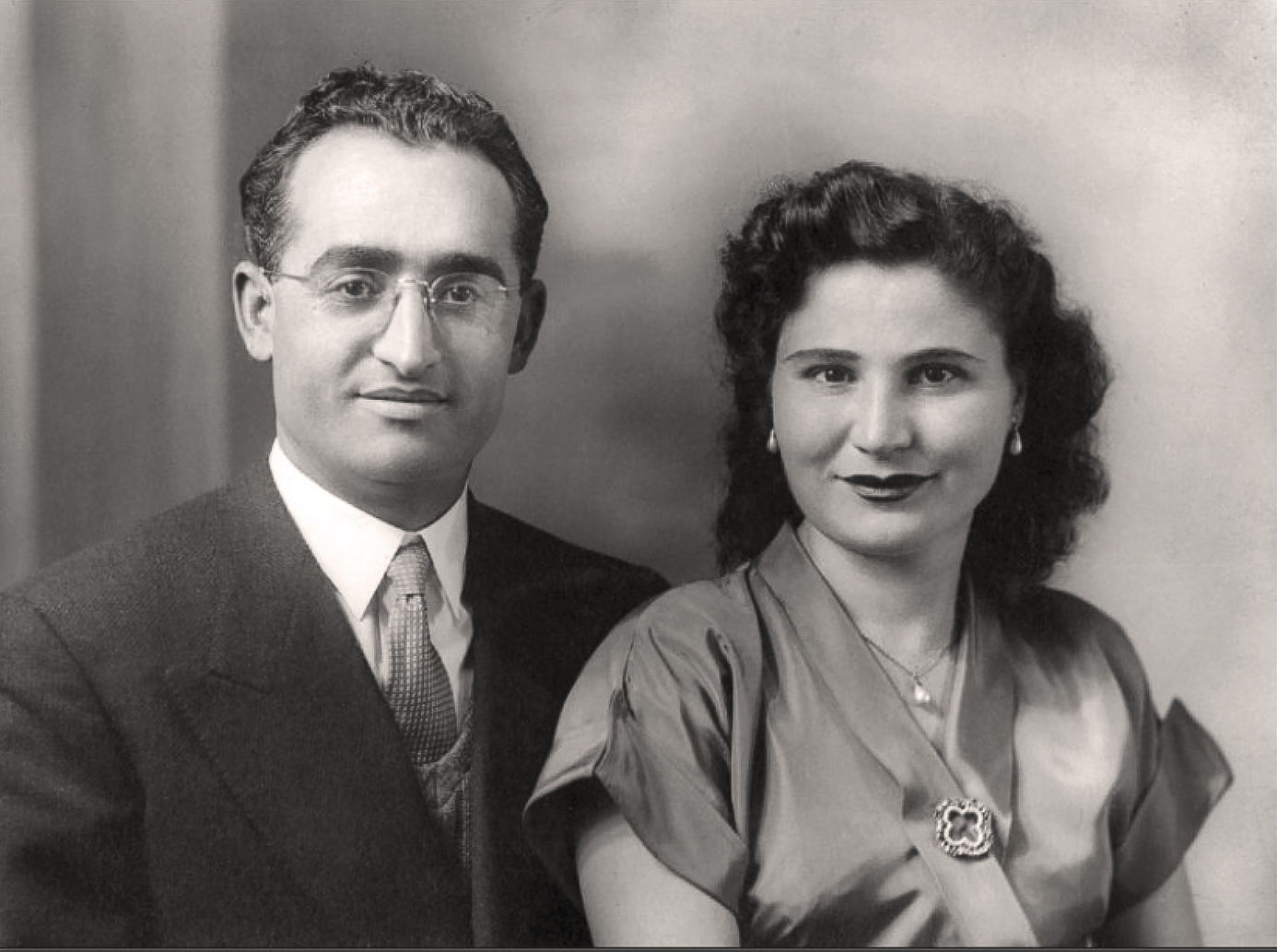
In May 1964, when he was 13, he and his family migrated to Melbourne, Australia, where their first residence was a converted garage.
Conte continued his education at Footscray High School, where he completed his 5th form Leaving Certificate.
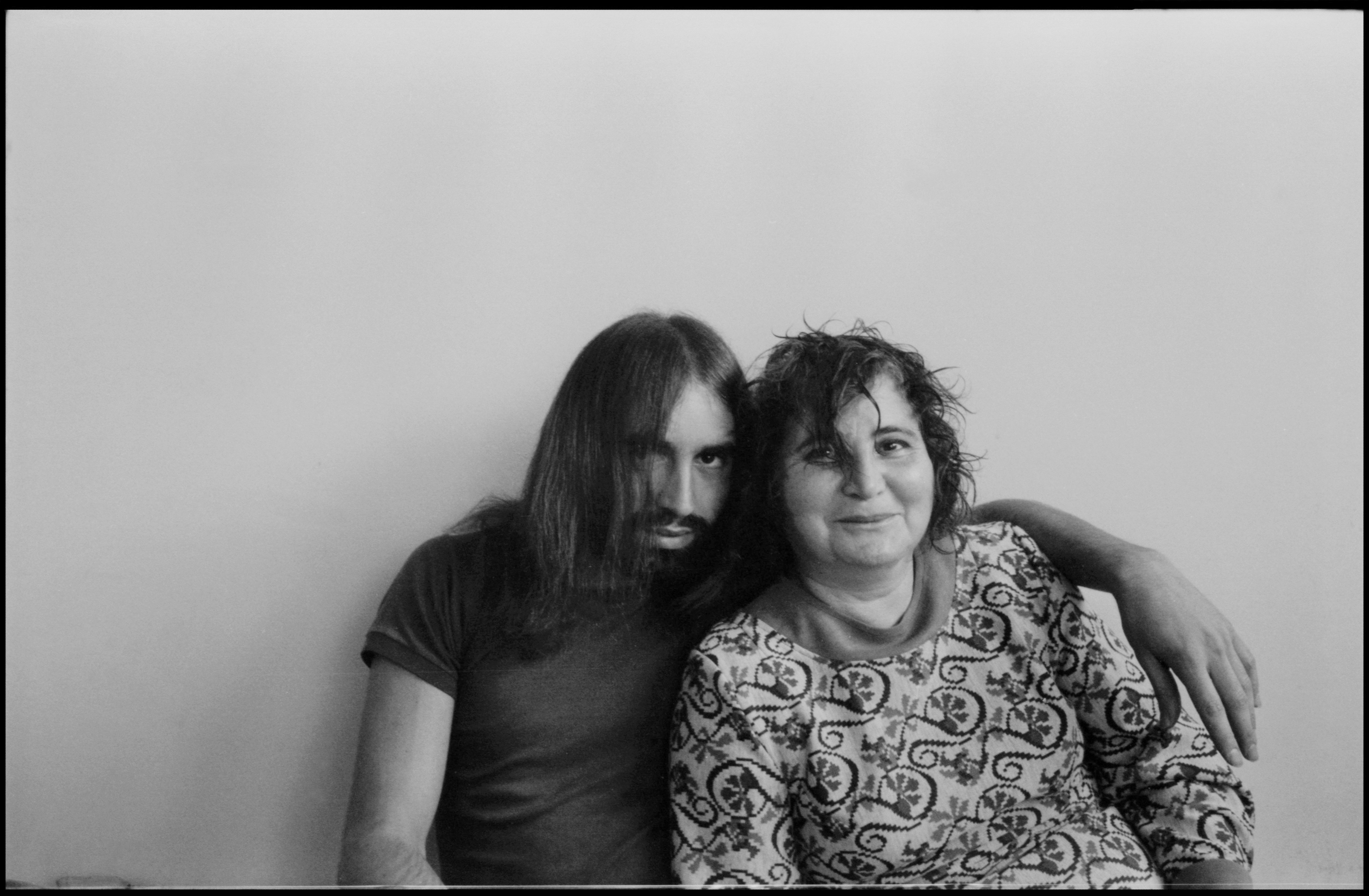
Jon developed an interest in the visual arts and went to Prahran Institute of Technology to study painting. He failed the first half year of painting studies and was forced to terminate his course.
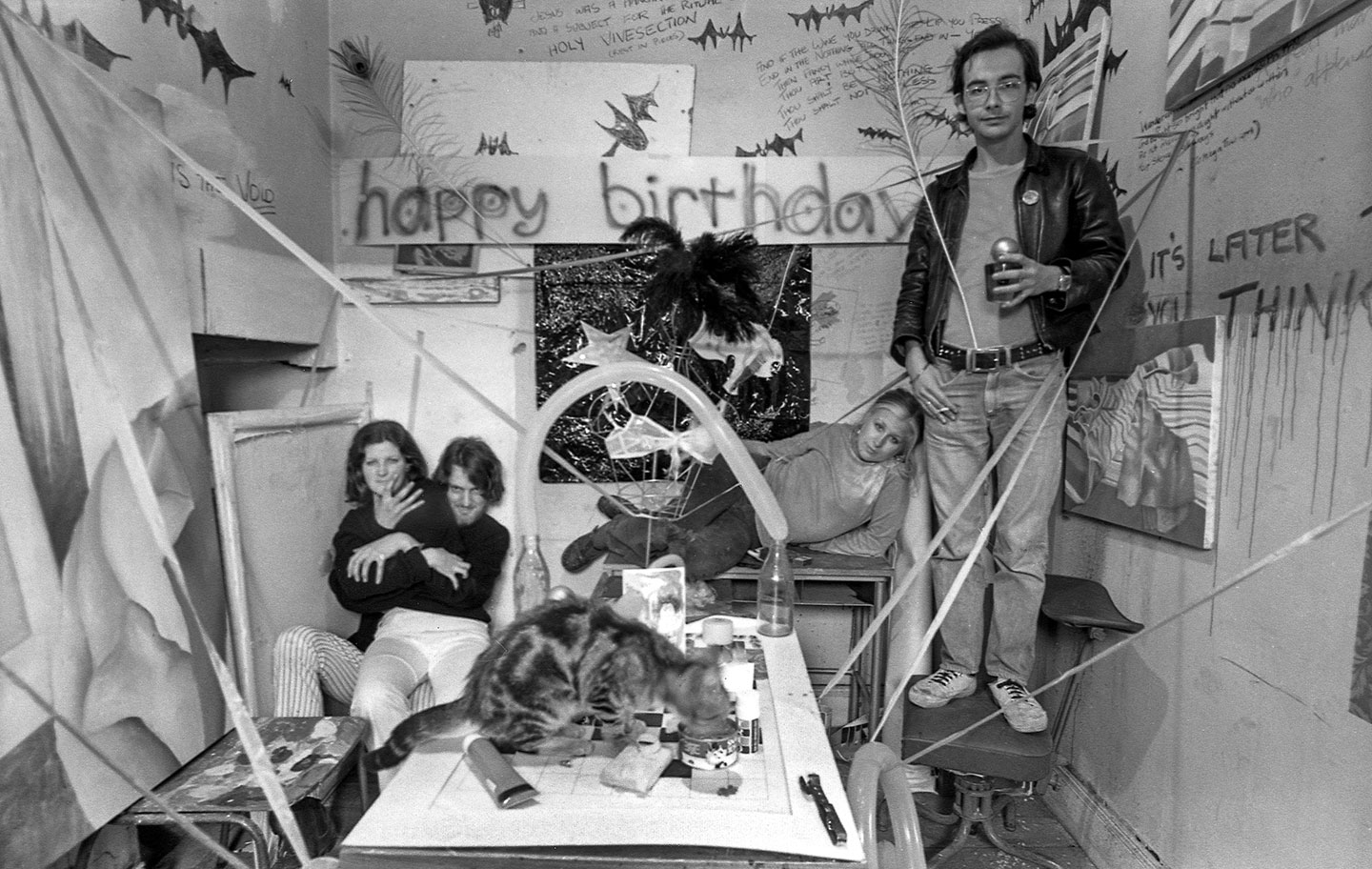
He borrowed a camera started taking photographs while working in an industrial screen-printing factory in Tottenham. Becoming more committed to the medium, he bought Duncan Frost’s camera from him on an ‘instalment plan’, and assembled a folio of photographs that he showed to Athol Shmith who reinstated him at Prahran in 1972 to major in Photography and Cinematography. The course laid the foundations for his successful career.

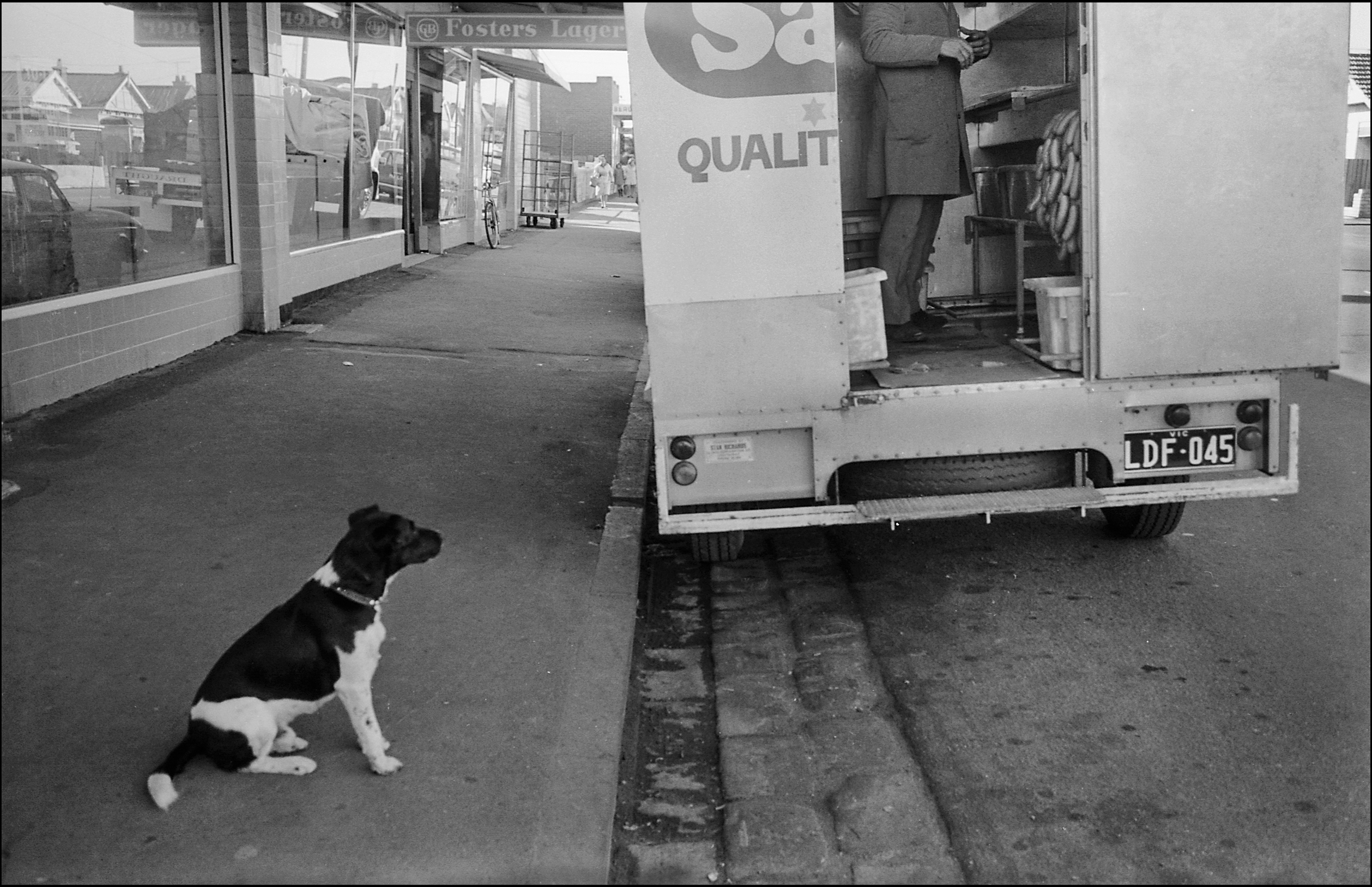
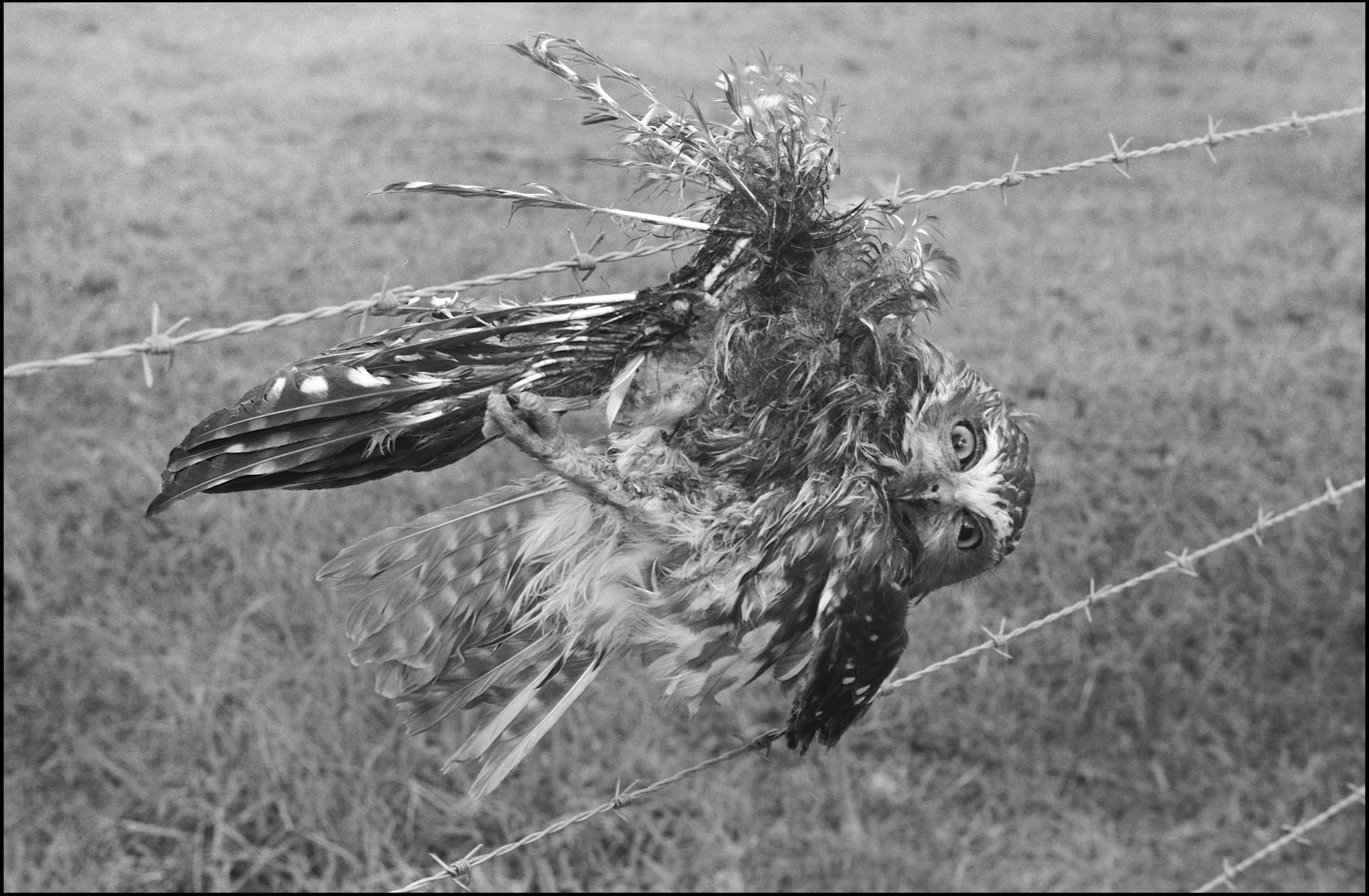
Conte regards ordinary human subjects, animals and even the objects he animates in his pictures with empathy. In regard to people, he shares that sympathy with another, better-known Prahran graduate. Conté remembered how at a concert at Cathedral Hall, Fitzroy:
“in the low-lit room I turned around and there she was, very close, ‘face to face’; her eyes, that shock of hair and a lovely smell. She quickly and quietly said ‘I think you’re beautiful—can I take photographs of you?’”
It was Carol Jerrems, and only later did they realise their association with Prahran Technical College; Carol was in final year in 1970, the year that Jon started the course. Over 1970-1973 they regularly exchanged letters, usually containing playful collages of everyday ephemera, but sometimes stream-of-consciousness, philosophical poetry like this, that reaches out with a promise of October sunshine then withdraws into ambivalent analytics.
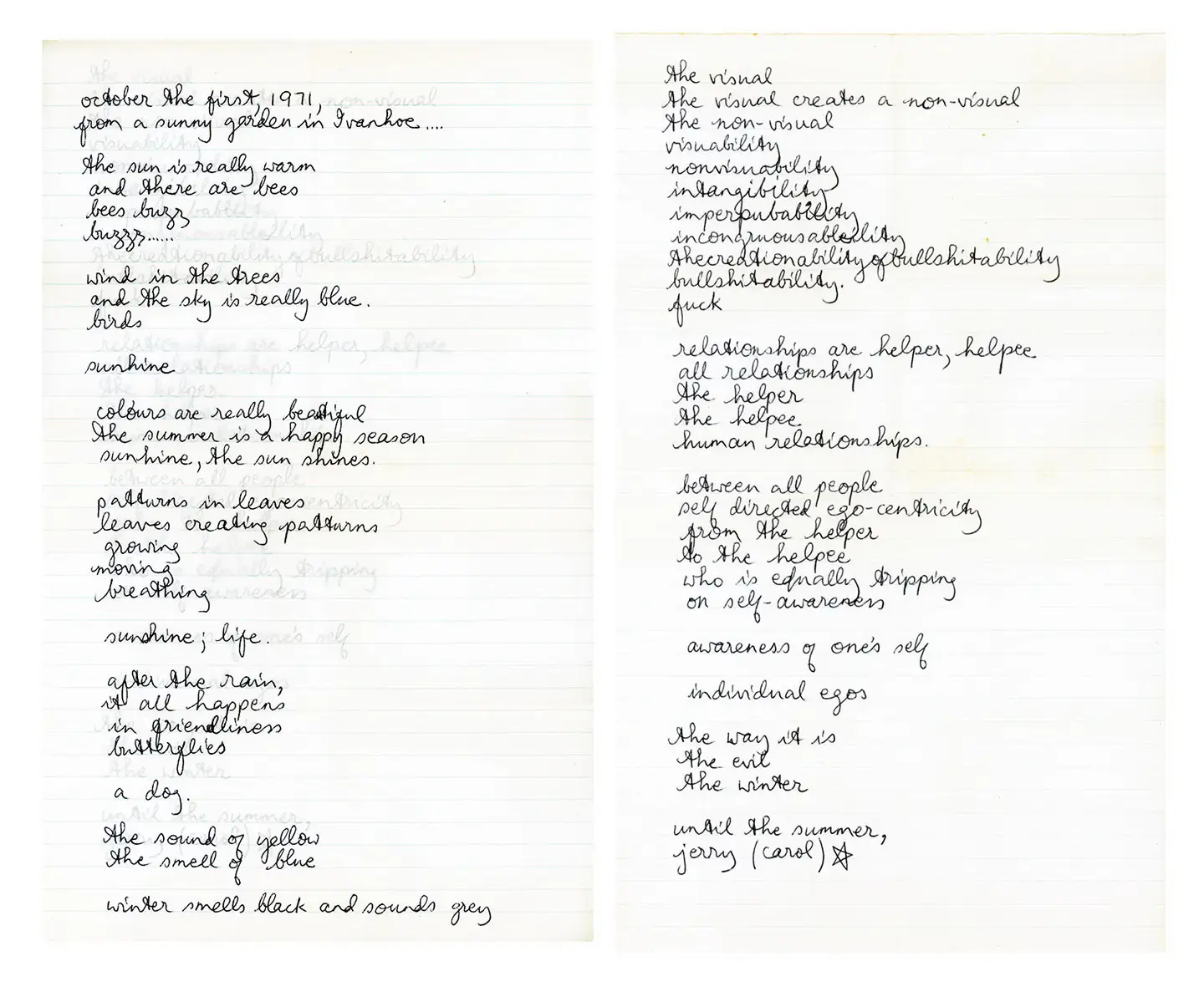
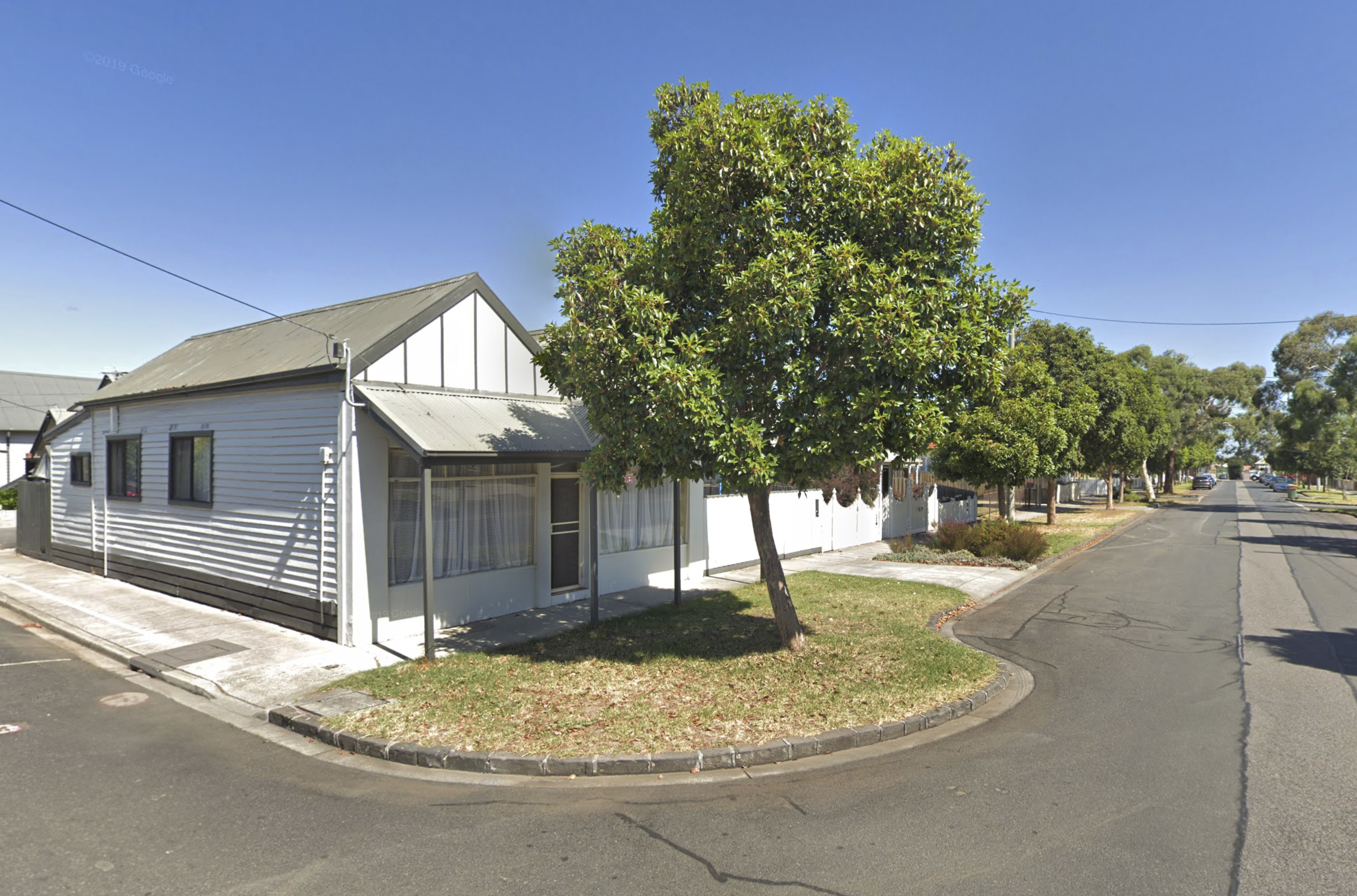
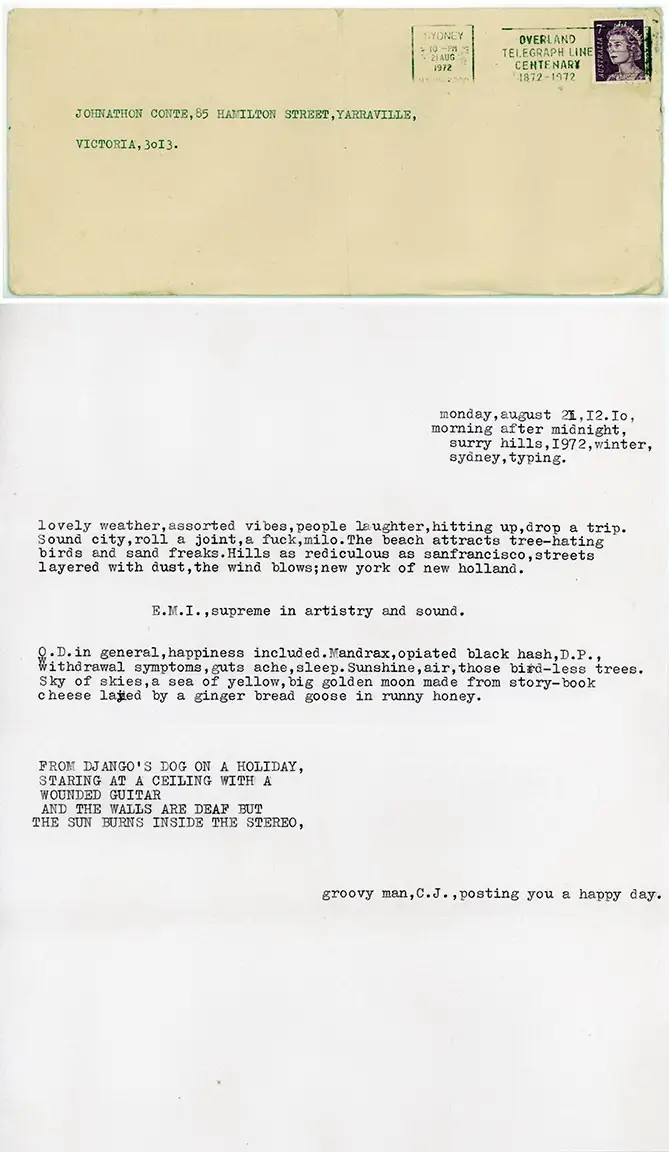
Jon preserved twenty-three of the letters Carol sent him (all now held in the National Library). She used various pseudonyms in the return address—Jerry Moonshine, Jerry, Phenomenologically Jerry, Micky Spillane of the Nullarbor Plain, Jonny Sunshiner, A Free Apple, Lorac Smerrej, or Germaine Eunuch—and addressed to him, “Jon Conté, 85 Hamilton Street, Yarraville, Victoria 3013″.
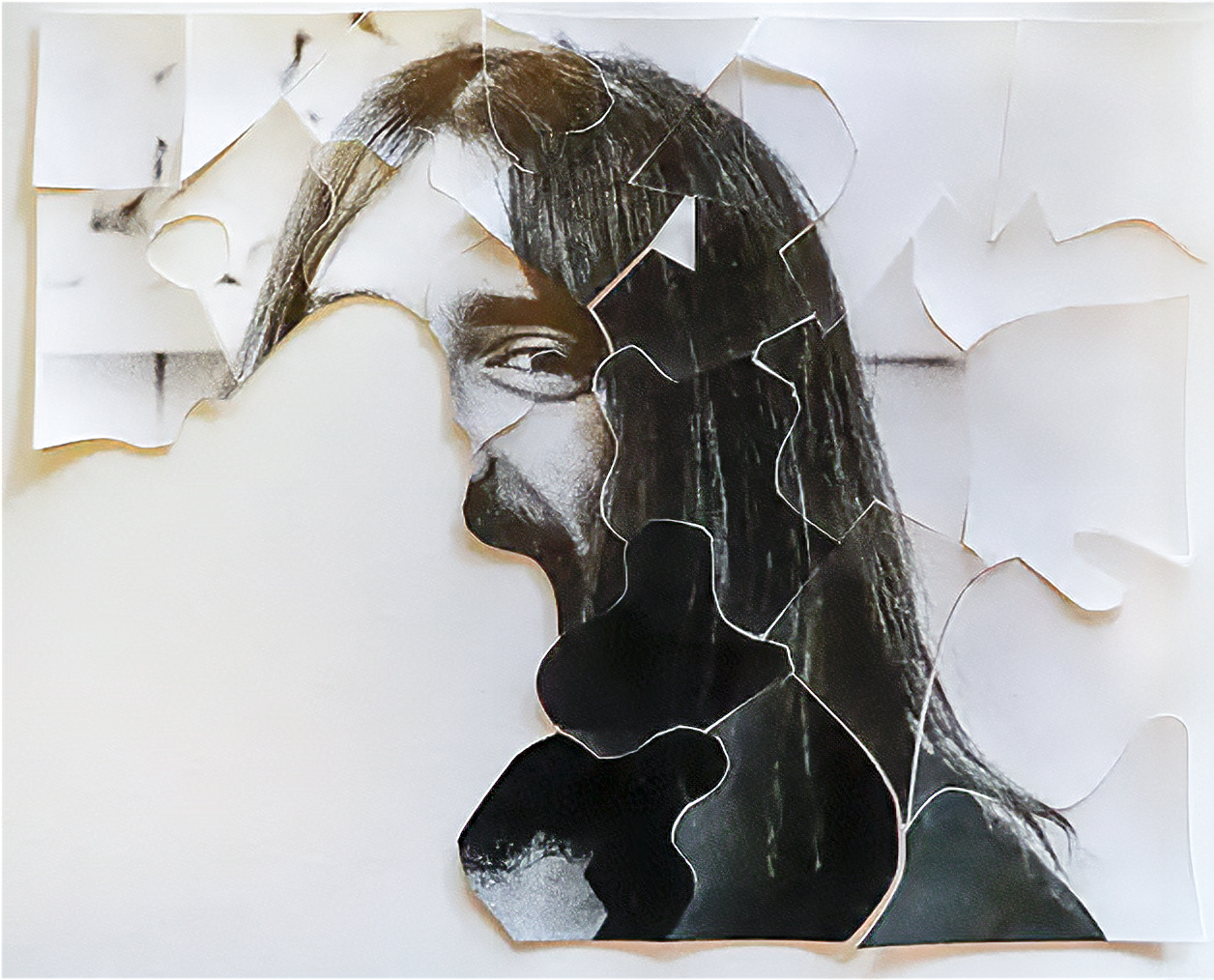
One was addressed to “Jon Conté Photographic Genius,” (she always spelt his surname with the acute accent, as in the artist’s crayon). It contained this portrait of Jon by Carol, in the form of a deliberately incomplete jigsaw, which typifies Carol’s puzzlement over relationships, including about who, in her terms, is the ‘helper’ and who the ‘helpee’.
Other contents of the letters include ephemera from Jerrems’ travel: across the Nullarbor to Perth, around regional Victoria, from her mother’s house in Ivanhoe, or from her Mozart Street residence in St. Kilda, which she shared with Robert Ashton and Ian Macrae.
In one (21 August 1972), from inner suburban Surrey Hills in Sydney, unique in being typewritten, she recounts how she retreats, into tripping and music, from the ‘bird-less trees’…
…to which Jon’s encounter with a pigeon, back in Prahran, Melbourne’s Surrey Hills, might be a response.
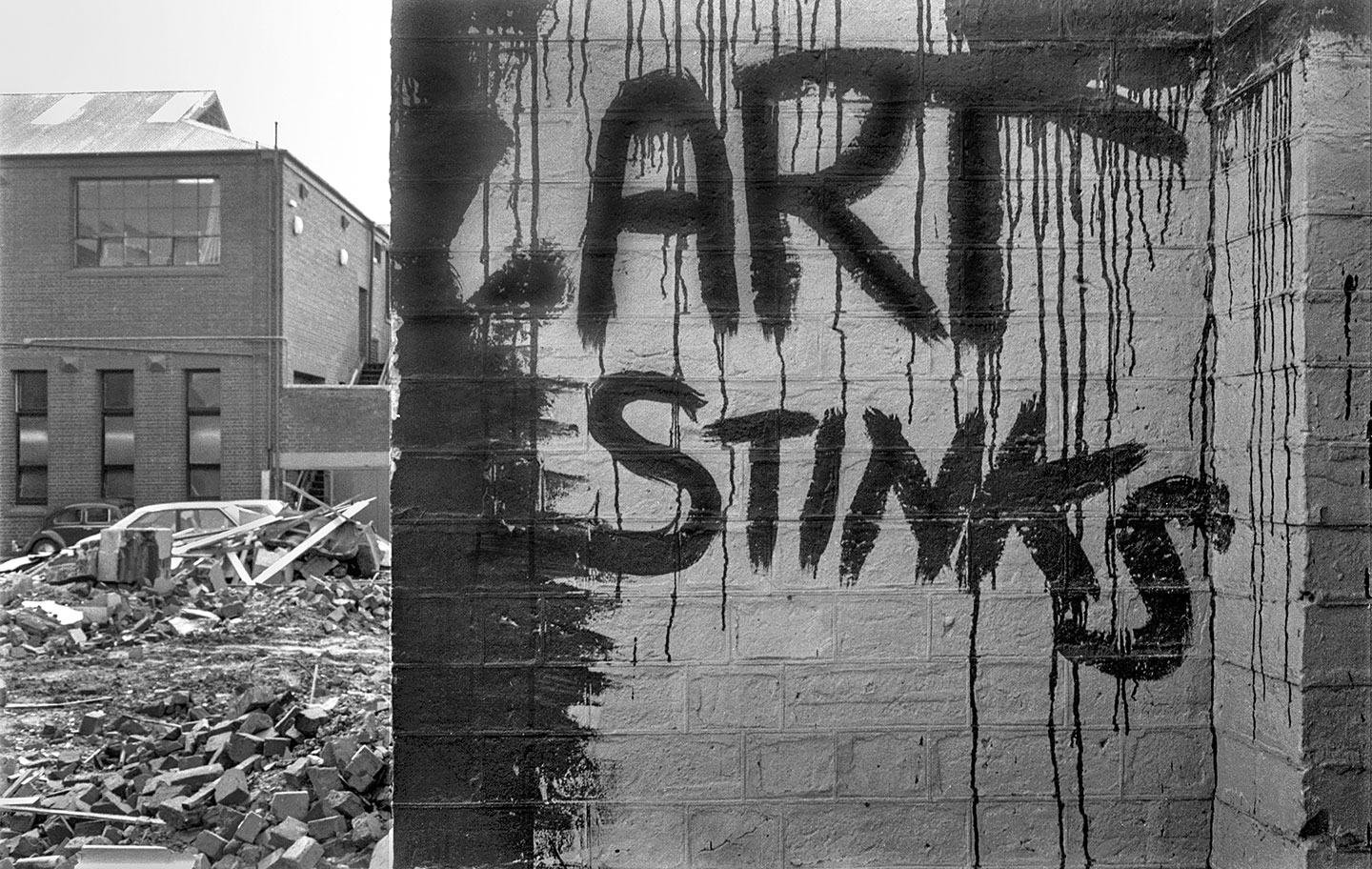
A collagist, Dada consciousness is absorbed by Conte’s work such as this example of ‘found’ expressionism that is enhanced by his precise framing of the demolitions underway in St John Street for the expansion of the College campus.
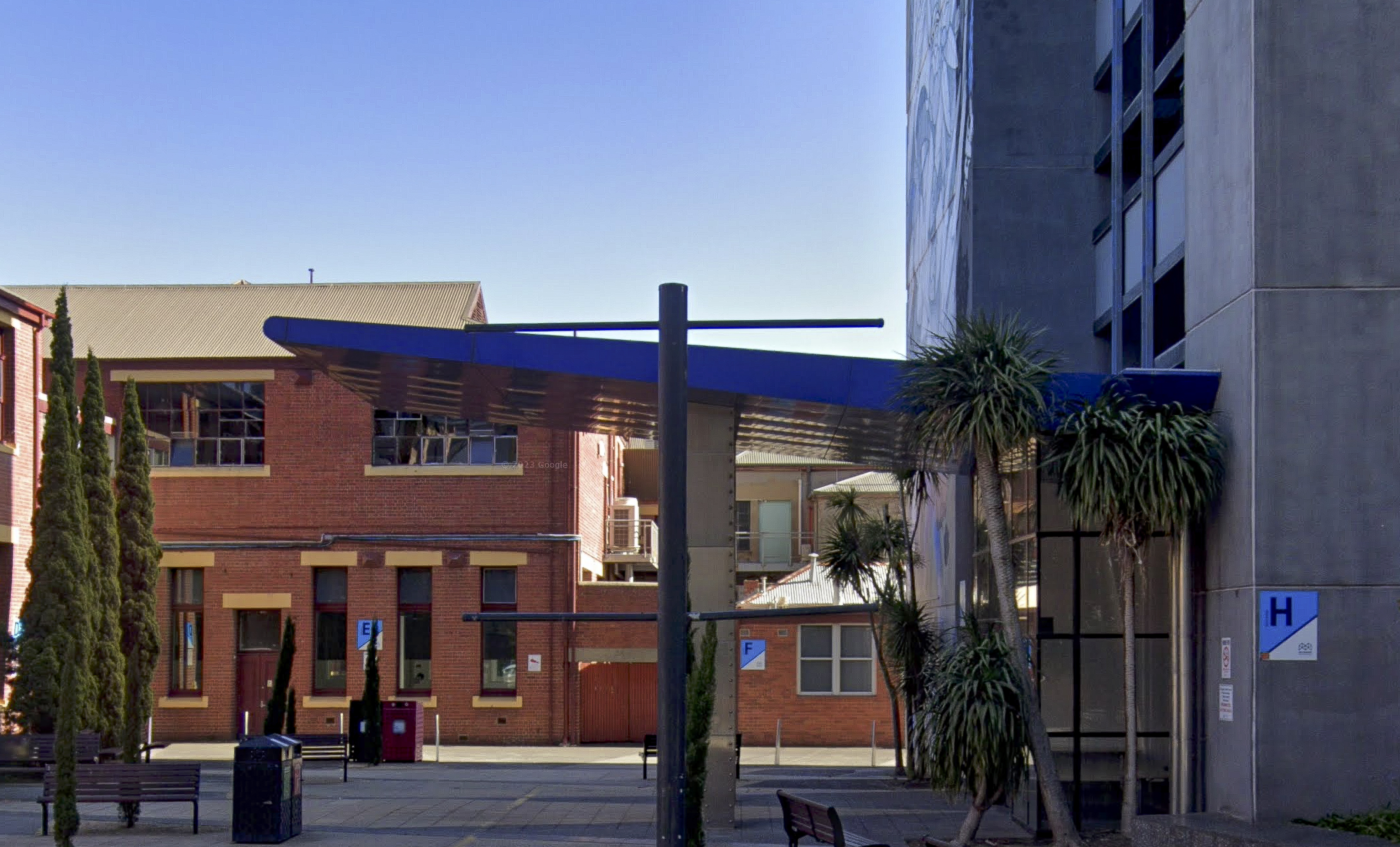
In Conte’s precision in composing his pictures, and aligning subjects in depth, we see his commitment to perfection.

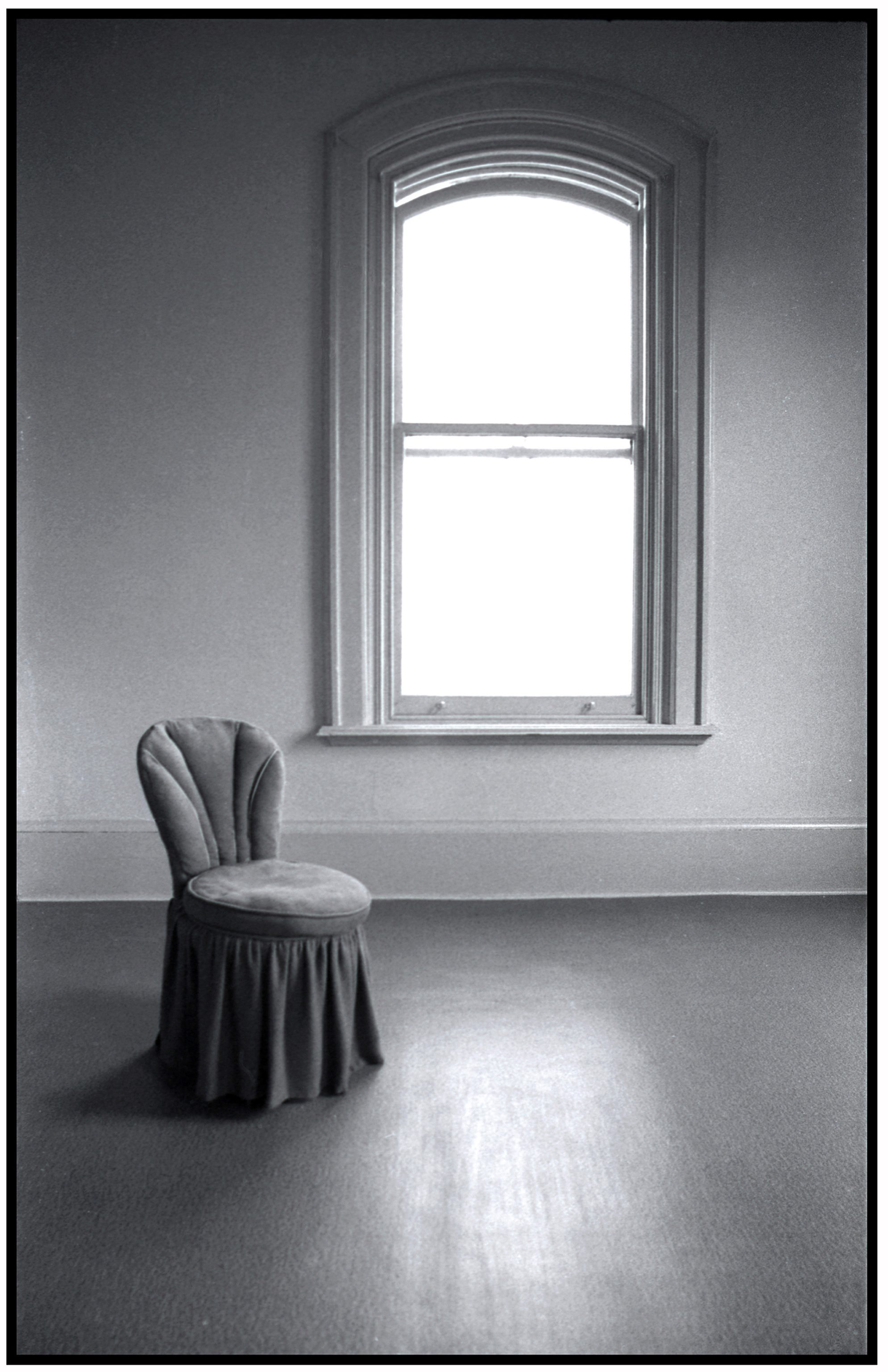
Early work like Eye or The Chair are purely formal, typical of the era. It is when that stylistic clarity is applied to the creation of a narrative and social purpose that it has the greatest impact and originality.
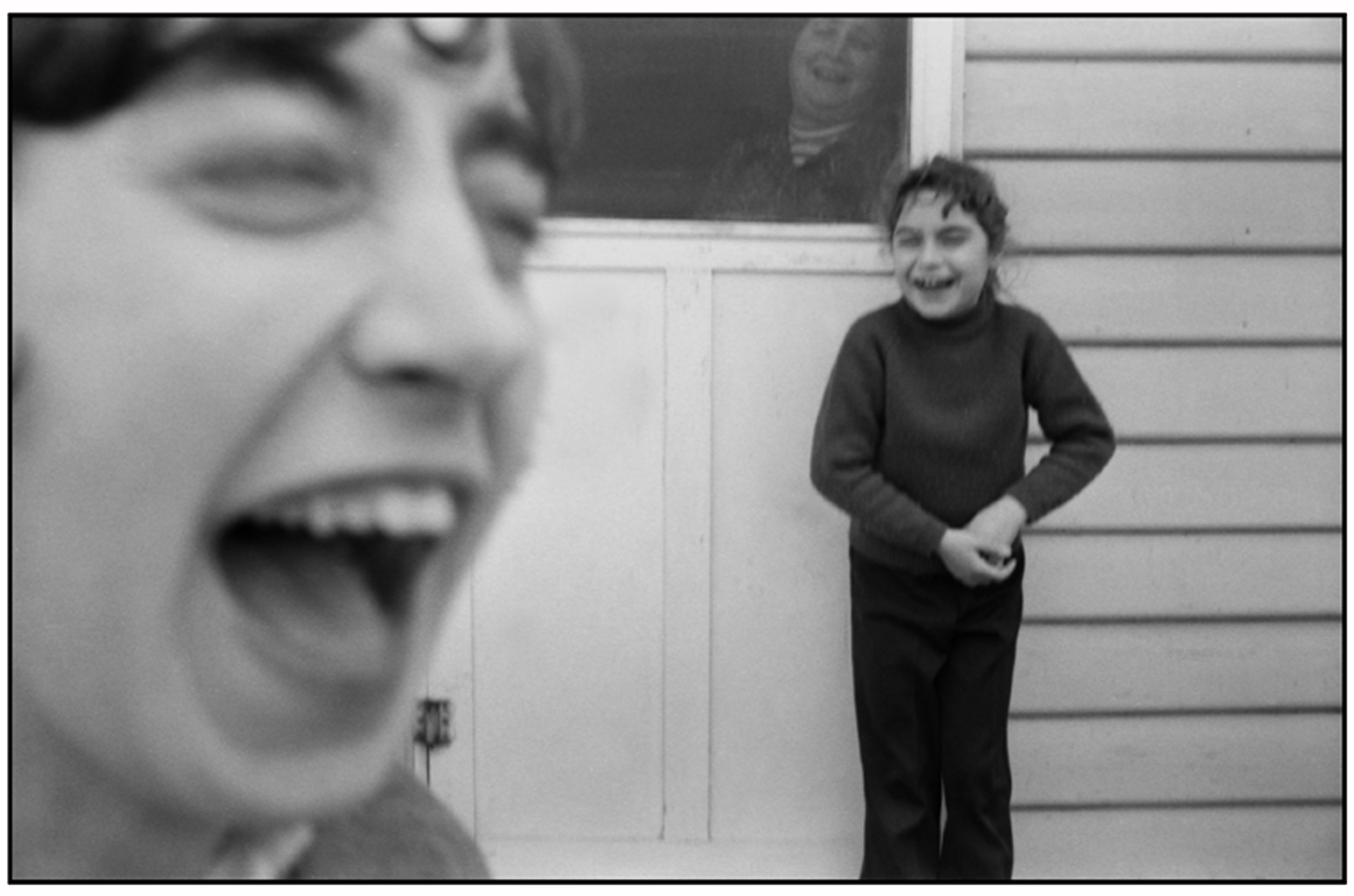
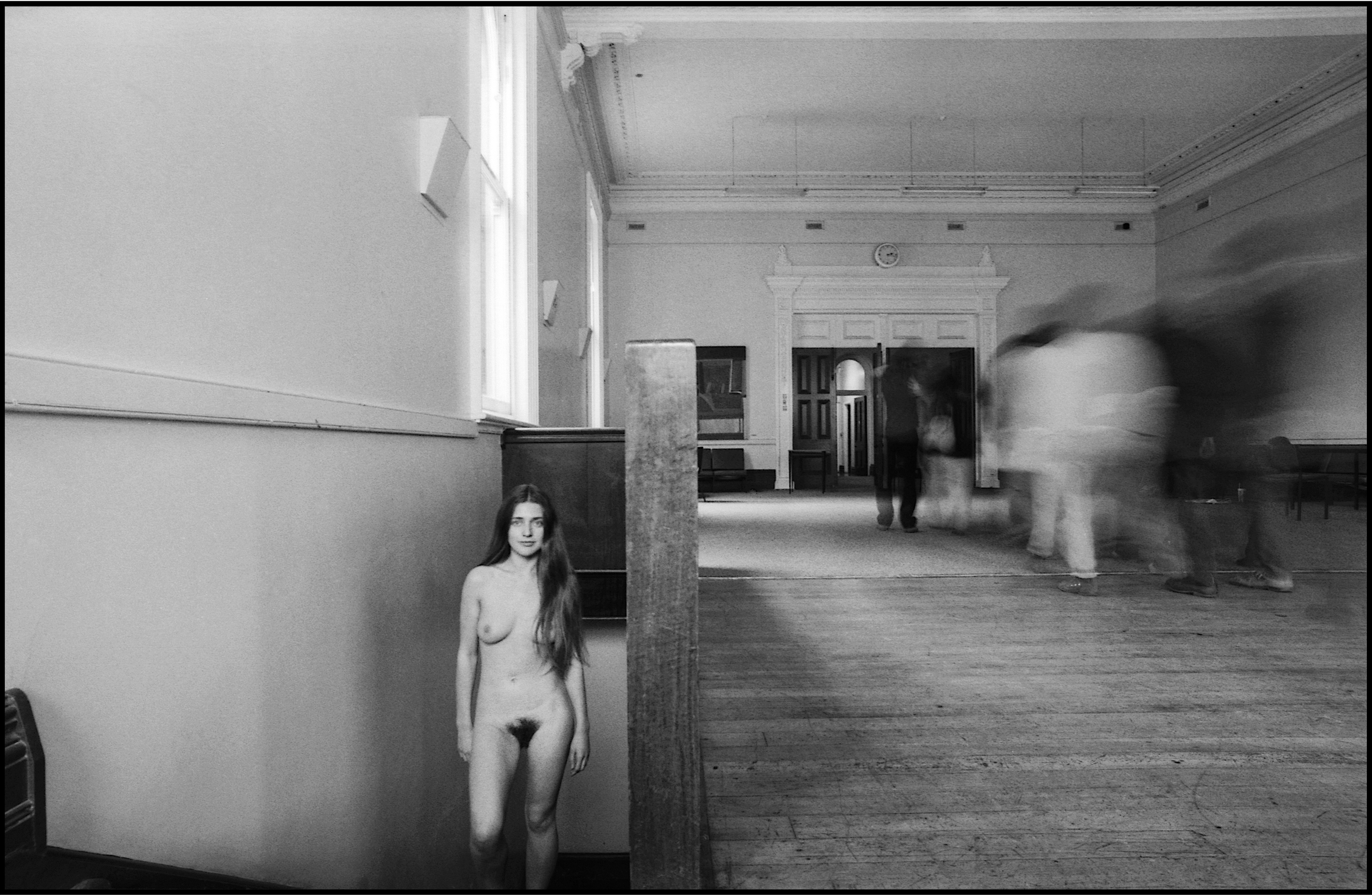
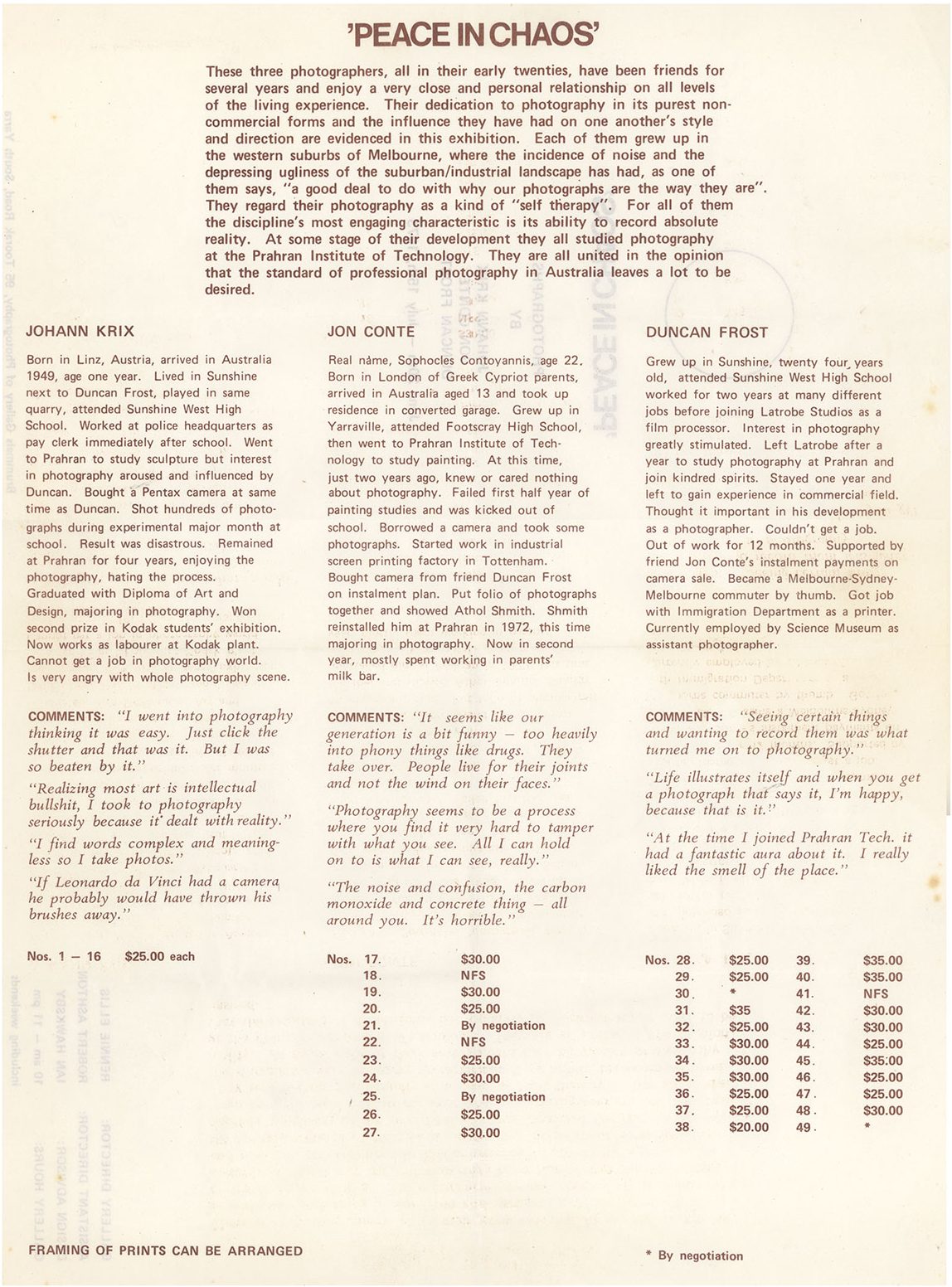
Conte’s first exhibition, one of only five in his entire career, was held while he was in second year and still working in his parents’ Yarraville milk bar. The group show was at Brummels 20 June–15 July 1973 with friends Johann Krix and Duncan Frost. Writing in the catalogue he expresses his convictions:
Photography seems to be a process where you find it very hard to tamper with what you see. All I can hold on to is what I can see, really; the noise and confusion, the carbon monoxide and concrete thing – all around you. It’s horrible.

 Graham Howe‘s 1974 publication New Photography Australia for the newly established Australian Centre for Photography in Sydney featured Conte’s The Pigeon, along with a representative picture from 48 other photographers, 14 being Prahran graduates and 2 who were lecturers there; John Cato and Paul Cox. Conte’s quiet image in the book is untitled and accompanied only by his pithy statement: “All my photographs are portraits.”
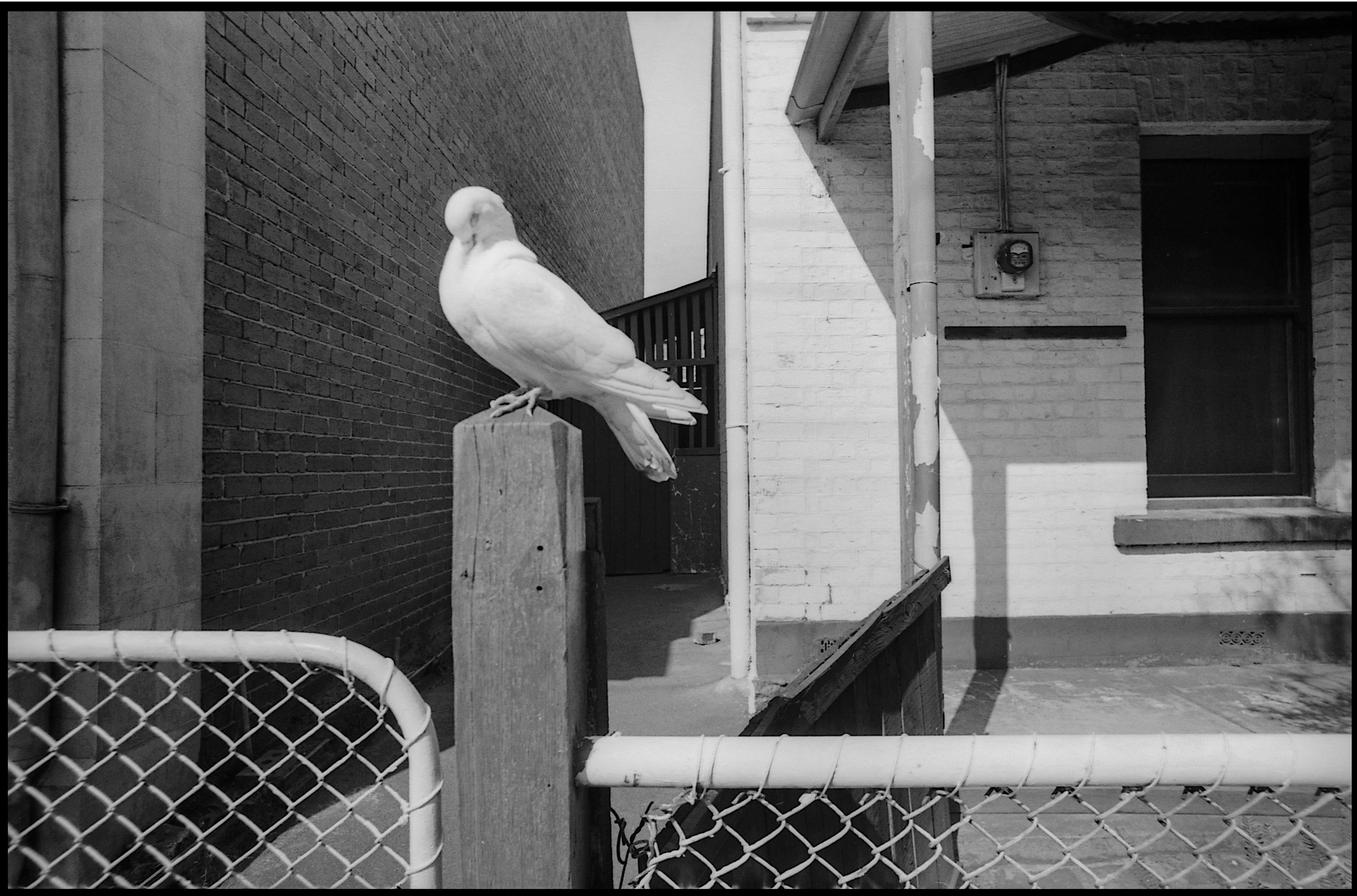
Sydney photographer and in 1973 a founder, with Paul Cox, Ingeborg Tyssen, and Rod McNicol of The Photographers’ Gallery and Workshop, when writing on emerging educational institutions teaching photography in The Australian in January 1976, singled out Conte as a ‘significant photographic artist’, amongst other Prahran alumni Carol Jerrems, Robert Ashton, Phil Quirk and Steven Lojewski.
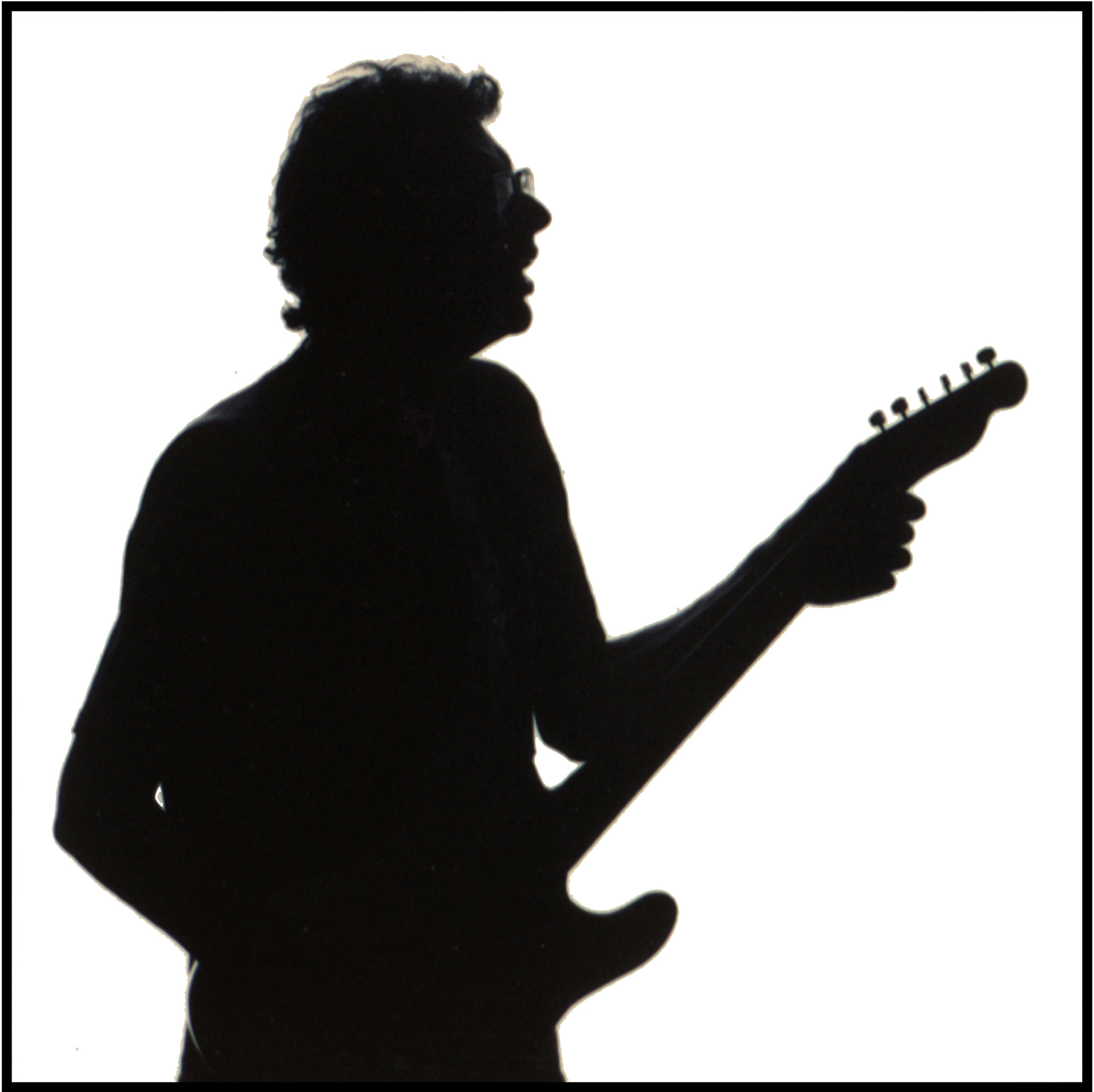
Jon’s other artistic outlet was playing with Rock Granite and The Profiles, a collective of 15 art student musicians and non-musicians, including Les Arnott, Wayne Burt and Peter Ivor Wilson, who shared his love of music and art. Typical of his dry wit was Jon’s confession that;
“I played violin and I played three notes; some of those songs we played required those three notes to be played.”
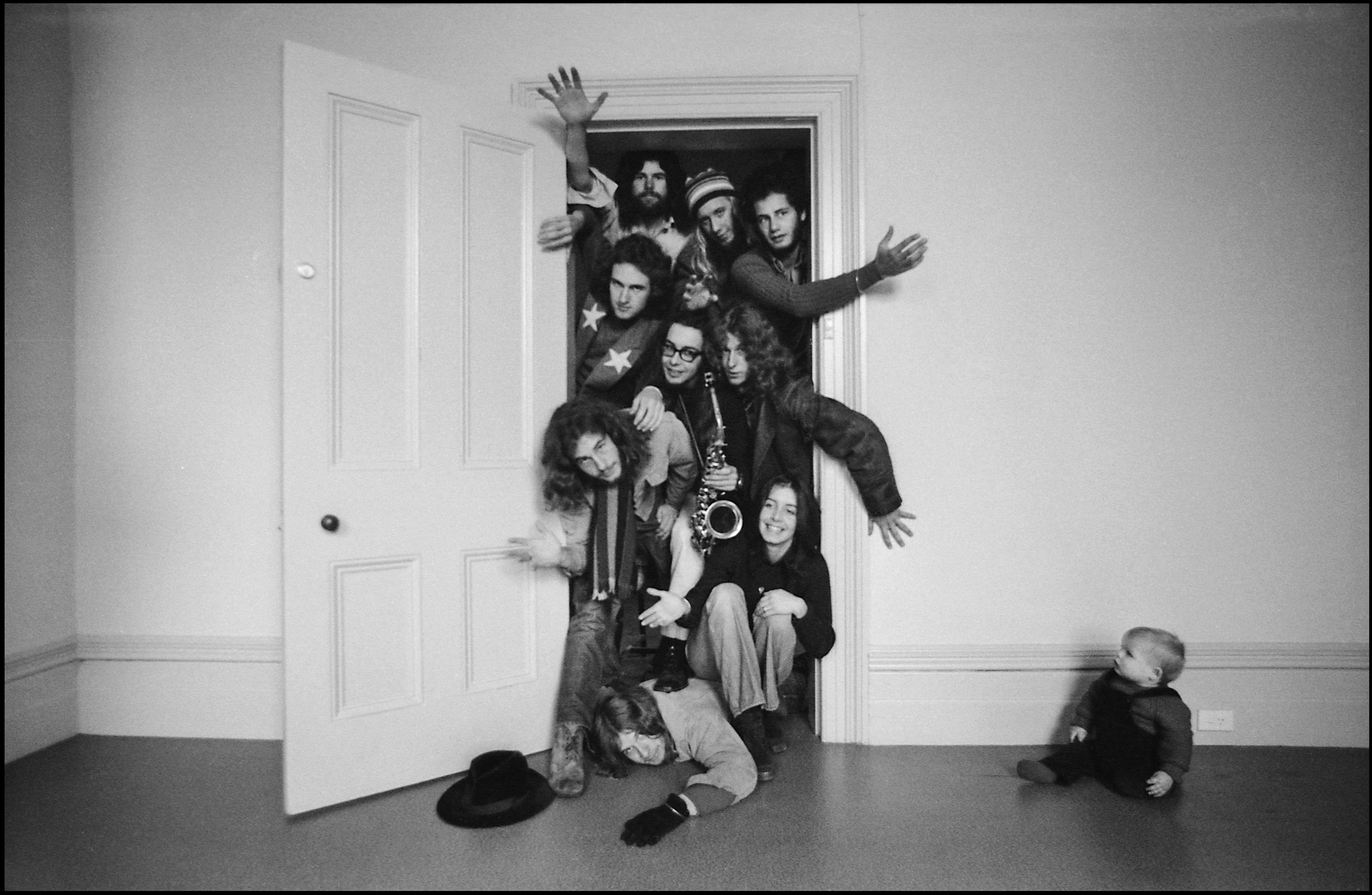
Jon Conte (1972) Rock Granite & The Profiles
In March 1976 Conte, prompted by a friend’s sister, gate-crashed St Albans High School to videotape an AC/DC concert on a reel-to-reel Portapak in black-and-white. As Conte recounted to Alesha Capone (Herald Sun, 4 March 2016) when he asked the band for permission, they got into a huddle then shrugged, “If you like,” he went ahead and recorded about 45 minutes. 25 years later, when he needed money to buy his sister’s Honda, he sold the footage and the rights for $US6,000 to a contact in New York, but was to become aware that he “could have bought a house with what it was actually worth.”
In 1975 Conte worked as a Video Studio Manager at Preston College, where he produced video programs and managed audio-visual facilities, then was hired as Video Systems Operator and Manager at the Video Access Centre of the Film Commission from 1976 to 1977, where he managed equipment, provided training, produced educational videotapes, and used the equipment to transfer his AC/DC footage to VHS; a crucial step in preserving historic material that has since become available on the Plug Me In DVD.
In 1979 he produced stills and video publicity material for Handspand Theatre’s The Mouth Show, a comedy promoting preventative dental health care to primary school audiences which played up to five performances a day, and toured both with Dental Health Education programs and independently through Handspan for three years.
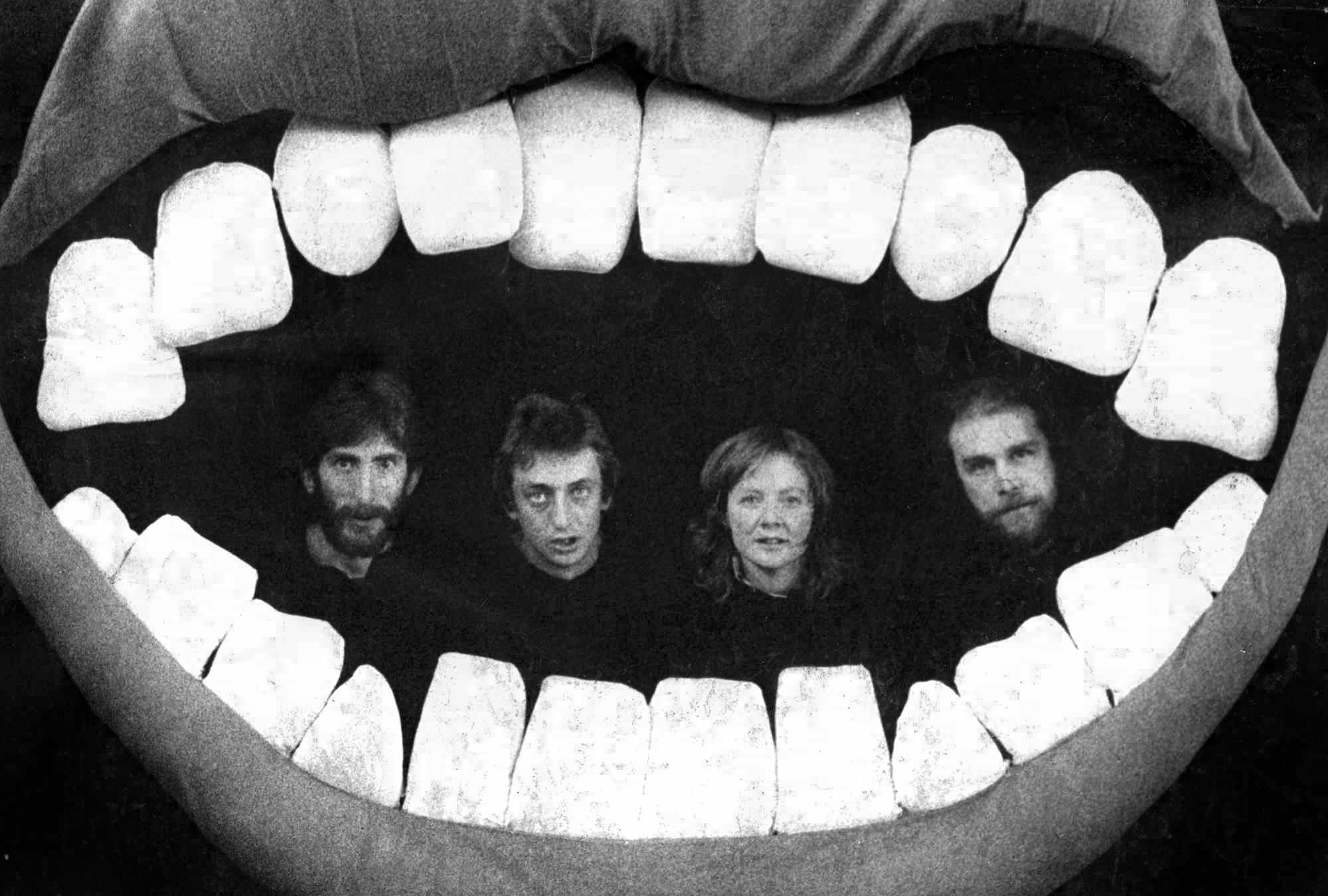
From 1980 to 1987, Conte served as the Audio Visual Manager at West Education Centre, Schools Commission where he produced photographic, videographic, and graphic resources, conducted classes, and provided technical support to over 220 schools. This position allowed him to combine his technical expertise with educational outreach.
Working next as a photographer for the Department of Conservation & Environment over 1988-89, Jon contributed to publications, displays, and interactive educational exhibits, then in 1990-91, he was recruited by Victoria University as Audio Visual Assistant to provide technical support to staff and students.
In the mid-1990s, Conte began to focus more on First Nations culture and education when serving as Education Officer at the Koorie Heritage Trust Inc., where he contributed photography, graphic design, displays and exhibitions, and publications including the Koorie Education Kit for Victorian schools in 1994.
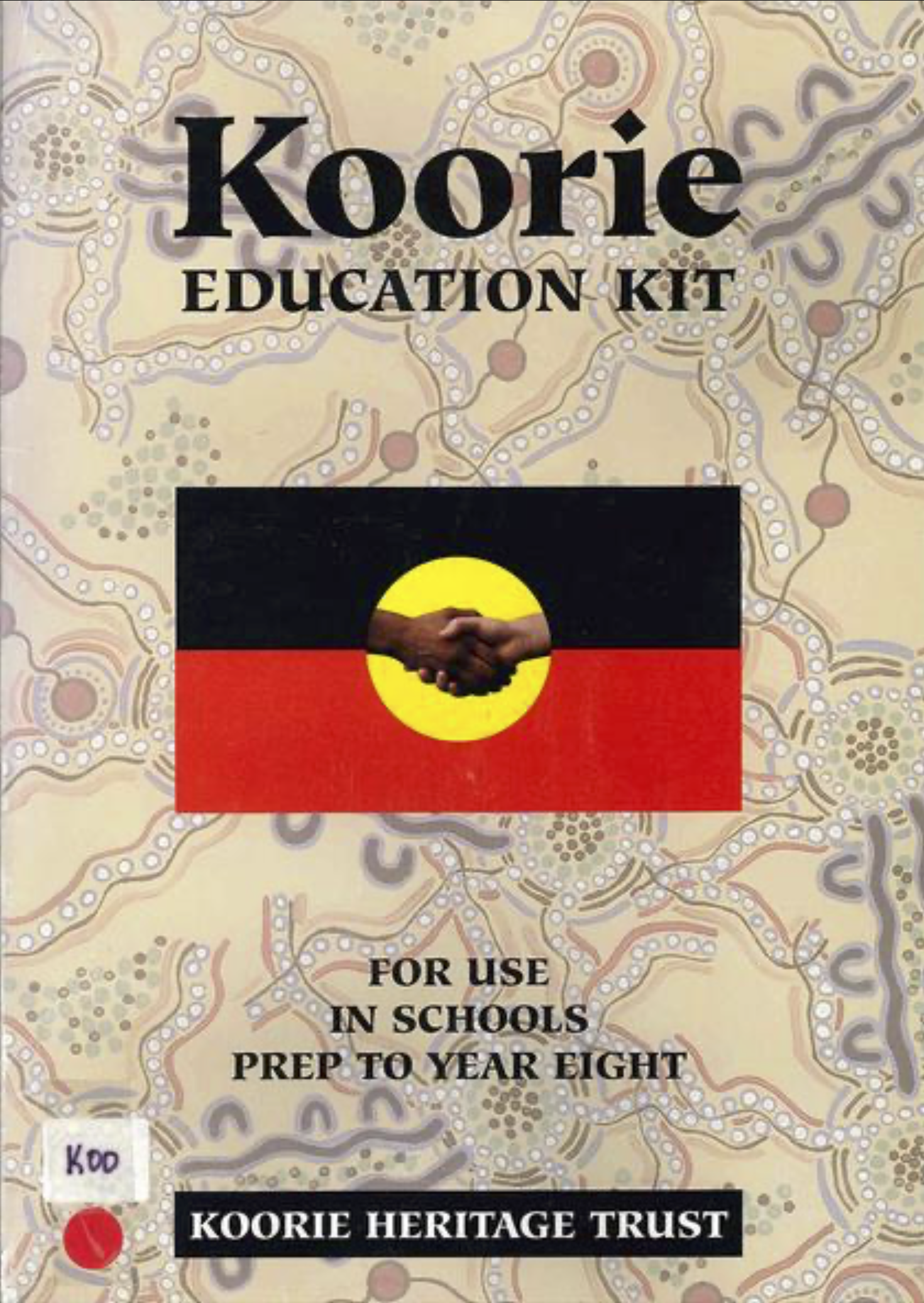
Jon Conte’s professional career culminated in 1996 with his work for the Koorie Heritage Trust Inc. and throughout his working life he adapted to working across various media; his professional development reflects the evolution of visual media technologies from the 1970s through the 1990s.
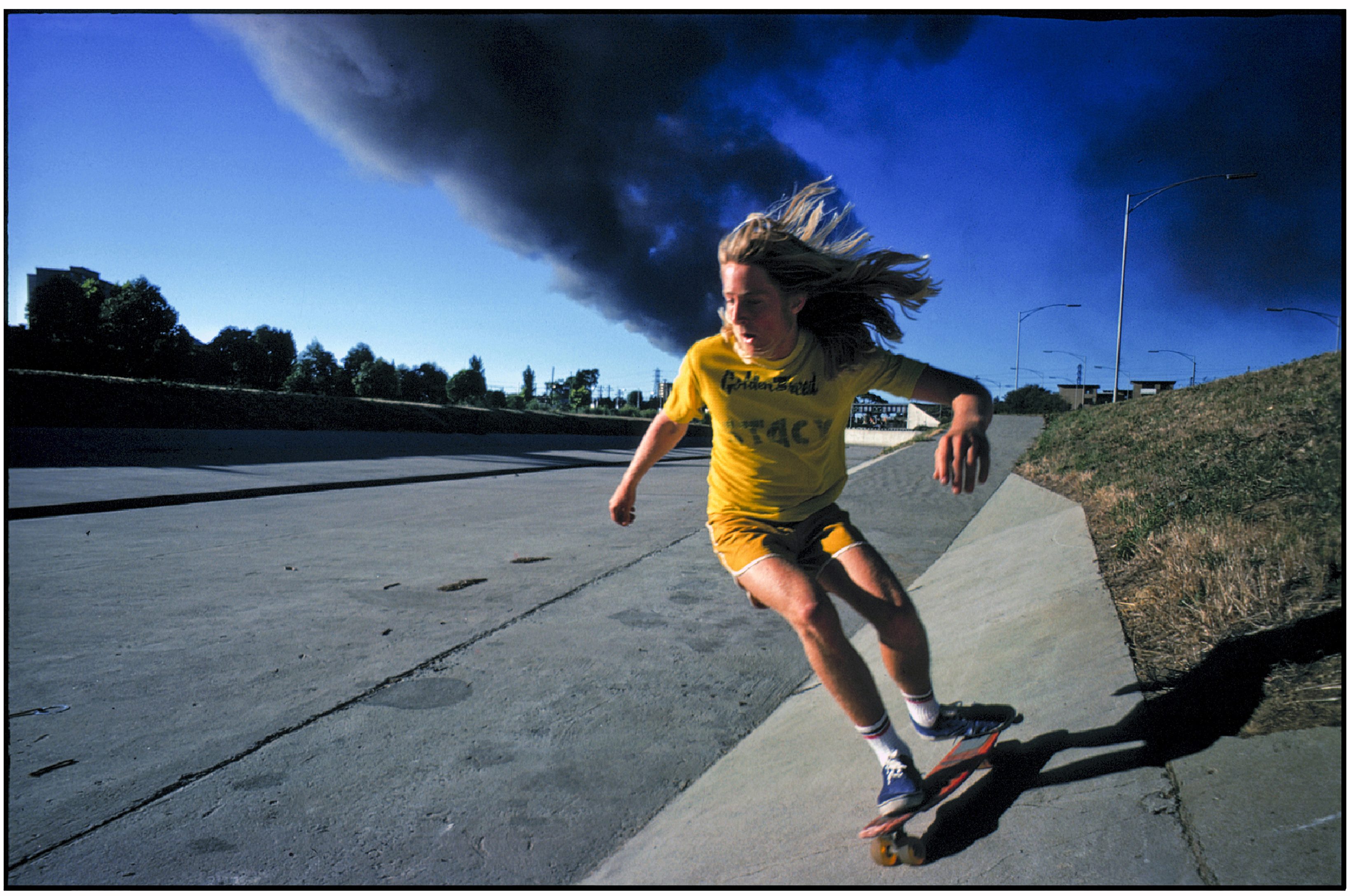
As he continued to work and create, mostly in colour, a medium he had taken up at Prahran, Conte exhibited again in group shows, two of them in succession, at Brightspace gallery in St Kilda; A Whole Different Animal 22 July–12 August 2017, and a reunion of Rock Granite and The Profiles members, 17–27 August 2017 with works that characterise his strong sense of irony and dedication to his craft.
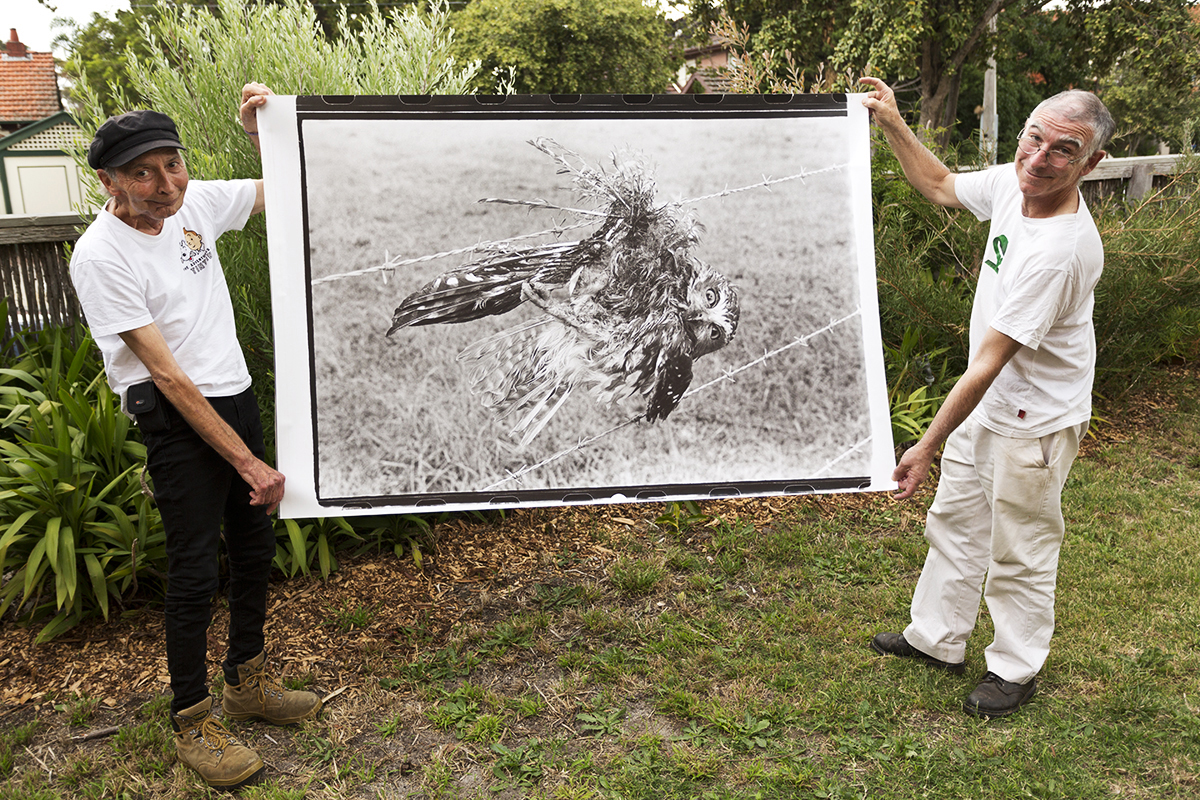
When Jon died on February 24, 2022 at the age of 71 he left many fond friends and a legacy of photographs and prints from across half a century, starting from times when, as Jon said, “we were considered corrupting and dissident characters of the world…different to the ‘normal’ persons in society. We questioned society [when there] were really bad attitudes towards those that questioned society.”
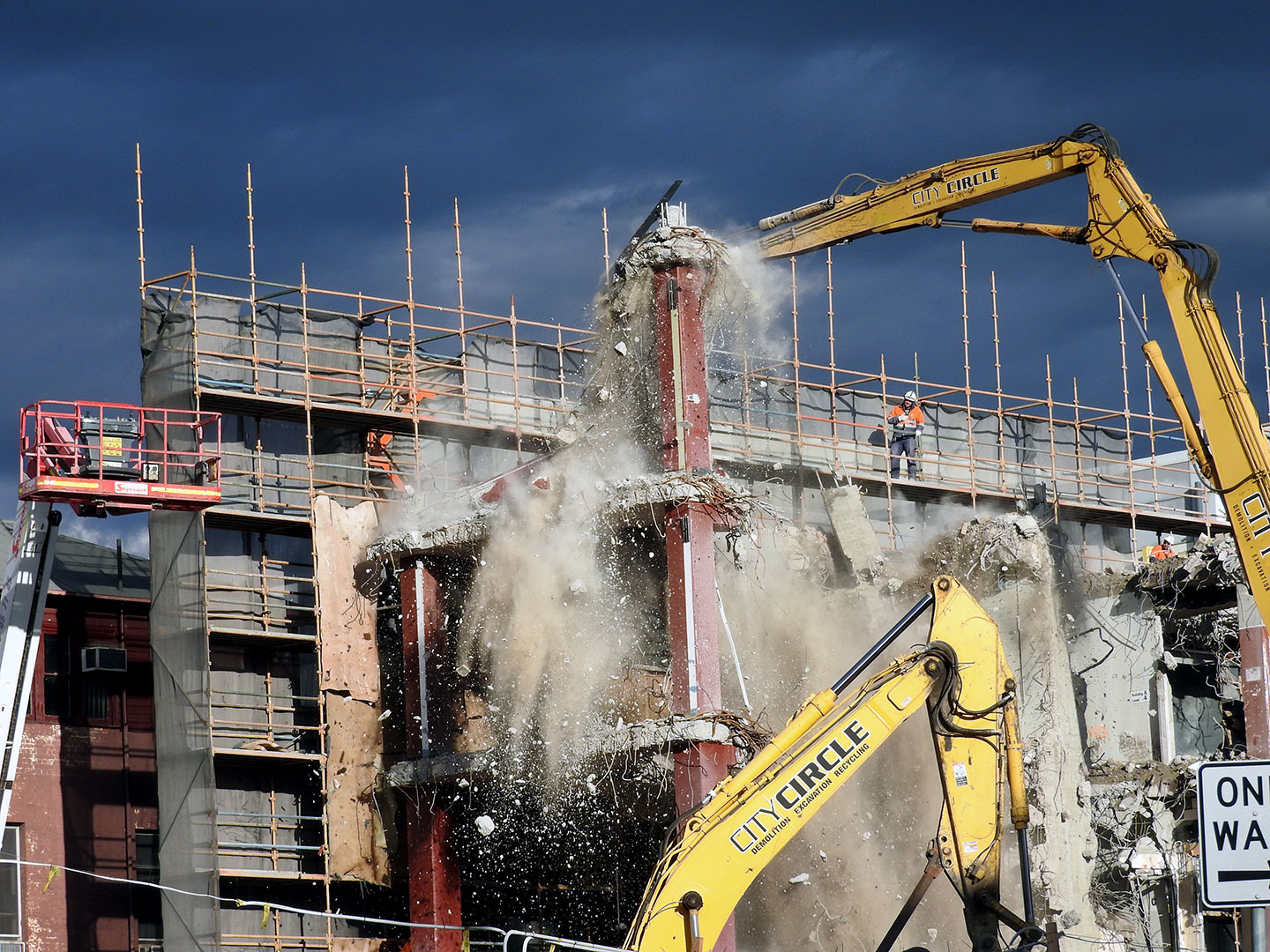
Among Jon’s last were his poignant records of the demolition of the Prahran College Art and Design building.
“All my photographs are self-portraits”
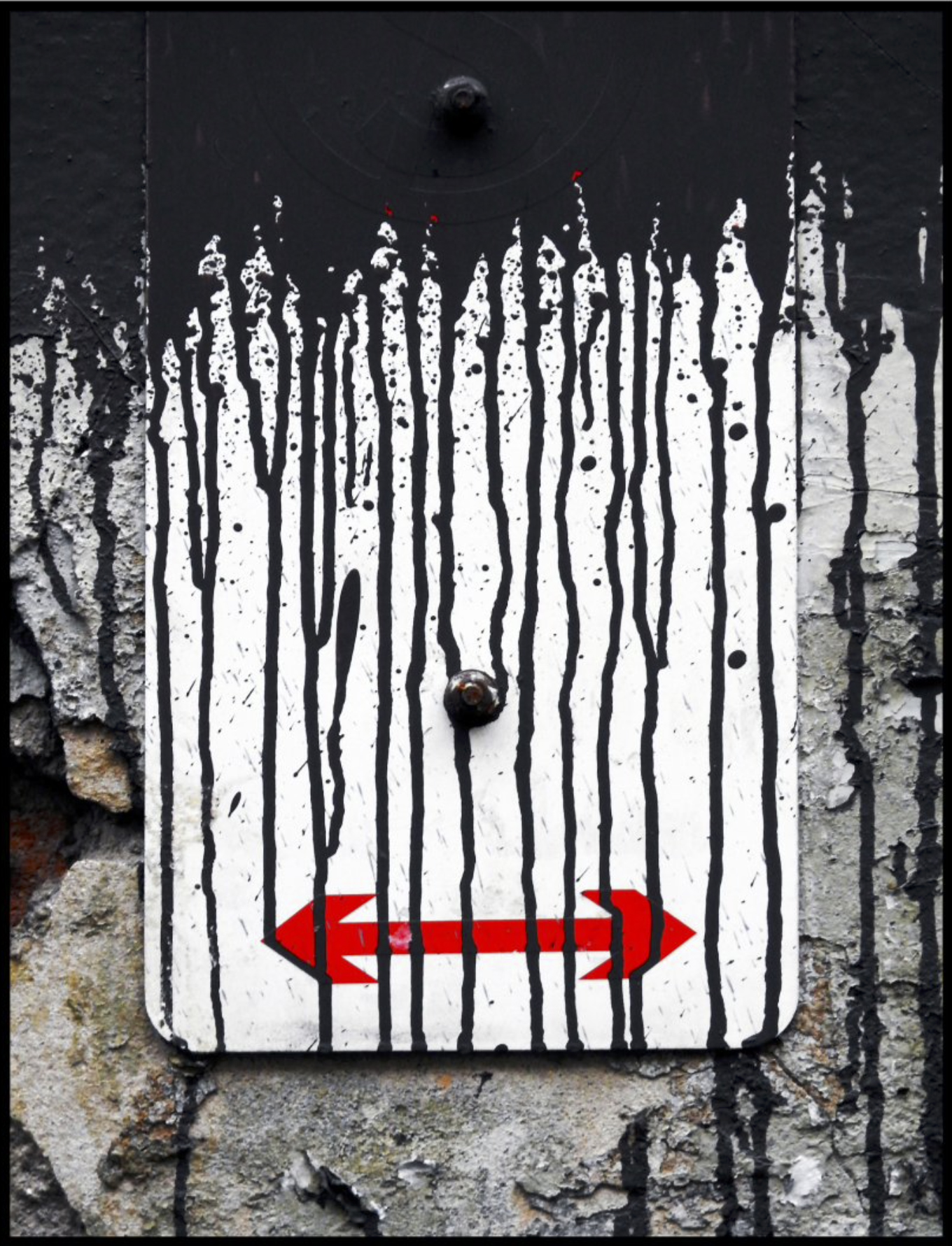
Only four years before Jon’s death, Peter Leiss persuaded him to assemble photographs from his extensive archive, from which Peter made 300 scans from negatives and prints, then the digital retouching, spotting, and design and layout for the book Photographs Jon Conte 1971 – 2021 that was published through Blurb.


Terrific life and photographic story. Martin. Sent from my iPhone
LikeLike