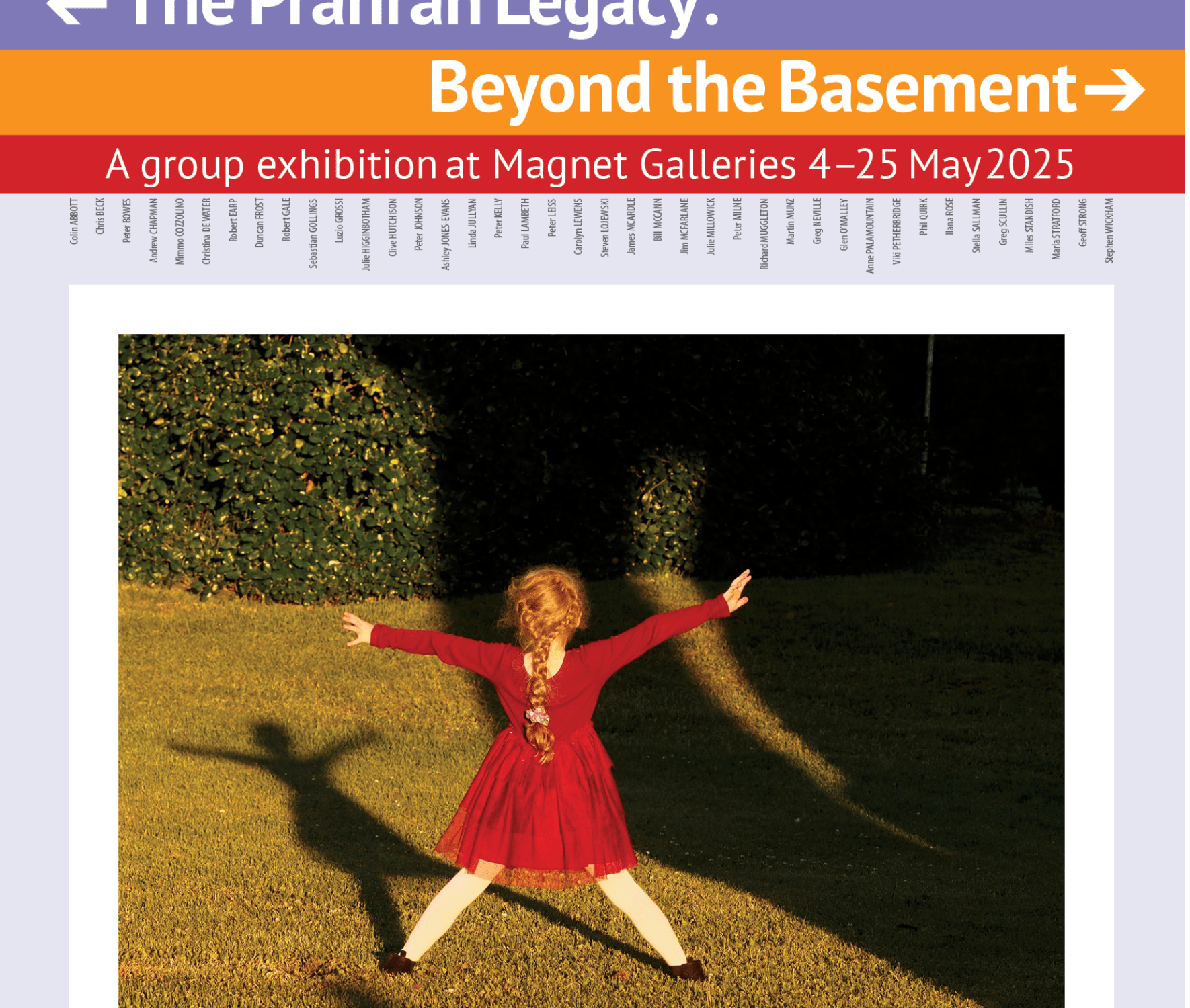
The Prahran Legacy team has secured a new exhibition for May 2025 at Susanne and Michael Silver’s MAGNET Galleries, Melbourne. Curated by Merle Hathaway, assisted by designer Mimmo Cozzolino, coordinator of 1980s alumni Ilana Rose, sponsor and gallery liaison Colin Abbott, and James McArdle (words, Prahran Legacy blog). Phil Quirk contributed to our meetings from Sydney, and Peter Leiss continued his video interviews with alumni.
The Prahran Legacy: Beyond the Basement focusses on the more contemporary work of the 1970s and 80s students of Photography at Prahran CAE.
In December of 1981 a major change came when the Prahran College of Advanced Education was amalgamated with three teacher training colleges (Toorak, Burwood, and Rusden) to form Victoria College. Happily Prahran photography was able to maintain its autonomy and ethos throughout this process.
The Prahran College doors closed in 1991, but a photographic diaspora spread its radical ethos into the world. This exhibition surveys the diverse careers of 1968-1991 alumni and their continuing dedication and innovation, even into old age, in the ever-evolving photographic medium.
The Prahran Legacy: Beyond the Basement show extends on a 2014 exhibition Prahran 40, conceived by Prahran alumnus Colin Abbott and shown by Michael and Susanne Silver of Magnet Galleries.
The show runs in parallel with well-attended MAPh show of 300 images from Prahran alumni of the period 1968-1981, The Basement: Photography from Prahran College. We are proud that the historical importance and influence of Prahran College is also being recognised in that concurrent exhibition at the Museum of Australian Photography (MAPh). MAPh has also published the lavishly illustrated 232 page book The Basement, Photography from Prahran College (1968-1981), with essays by prominent historians, curators and educators in photography.
This show in its title Beyond the Basement thus recognises and honours that show, but expands on it to include some of the 1980s alumni who attended Prahran College Photography before the 1991 incorporation into the College of the Arts, which is now part of the University of Melbourne.
Diversity
Forty photographers are exhibiting a strikingly diverse range of work. That is an indication of a unique quality of the Prahran College course—there was no ‘house style,’ and ex-students entered every field of photography, in commerce, communication, technology, publishing, education and creative arts.
Below are short biographies of all of the exhibitors and each is a testament to the encouragement of individualism by the lecturers of the College starting with Ian McKenzie, then Derrick Lee and Paul Cox who were joined briefly by Gordon De’Lisle, who was replaced by Athol Shmith. He recruited John Cato and Bryan Gracey who augmented the program with Norbert Loeffler’s art and photography history subject. After Cox and Shmith departed in the early 1980s, an abundance of lecturers invited were to enrich and expand the program, all of them practitioners, including Carol Jerrems, Julie Millowick and Bill Henson.
Our curator
 This exhibition, organised over less than a year, could not have happened without the seemingly inexhaustible energy and expertise of Merle Hathaway in her curatorial consultancy ‘‘The Artist’s Cat.’, and our reliance on her professional history as a curator, for which Federation University, Ballarat awarded her ‘Distinguished Alumna, Arts, for outstanding professional achievement & outstanding service to the community’ in 12 November 2020.
Her qualifications (most recent first) include Melbourne Business School’s Museum Leadership Program, a Federation University Graduate Diploma Business Tourism Management; Graduate Diploma in Museum Studies from Deakin University; and a Diploma of Education from Hawthorn State College which she obtained after competing her Diploma of Art and Design at the School of Mines Ballarat (now Federation University). Six months of that period was spent at Prahran College, majoring in sculpture…so Merle too is a Prahran alumna!
Many will know Merle as Horsham Regional Art Gallery Director, 1995 – 2008, during which she extended and refurbished the gallery and developed and promoted its collection and exhibitions of Australian photography, including the work of several Prahran alumni. One of the touring exhibitions which she initiated was phiction: lies illusion and the phantasm in photography a touring exhibition curated by James McArdle. This imaginative focus on the Horsham collection toured over several years to eleven major metropolitan and regional galleries.
The range of Merle’s experience in arts administration, education and consultancy is extraordinarily broad, but focused on art and photography to include Curator/Educator, Dromkeen Children’s Literature Collection; Education Officer, Ballarat Fine Art Gallery; Lecturer in Drawing & Art Curriculum at the University of Ballarat and Art/Craft Consultant for the Ballarat region.
Merle was joined in conceiving and preparing this exhibition by other members of the Prahran Legacy curatorial team, and MAGNET Galleries’ Susanne and Michael Silver.
Prahran College alumni
COLIN ABBOTT
I grew up in Adelaide, moving to Hong Kong and then Sydney in 1972, where I began photography in Surry Hills. After a year of learning by doing street photography, I joined Prahran College’s Photography course in 1974. Although passionate about photography, it wasn’t my career; I furthered my business interests with ventures in printing and publishing. Photography remained a creative outlet. I exhibited at Photonet Gallery in 2009, Manning Clark House in 2013, and Prahran Market in 2014, its 150th anniversary. Associated with Magnet Galleries for fifteen years, I’ve participated in numerous exhibitions here, and initiated its Prahran 40 show of 1974-76 alumni. In 2019, I published Waiting Under Southern Skies. In 2024, my Anzac Day photographs showed at Magnet, and they are now moving to the Shrine of Remembrance. I’ve joined the Prahran Legacy Curatorial team to support ongoing exhibitions featuring alumni work from the 1970s and 80s.
CHRIS BECK
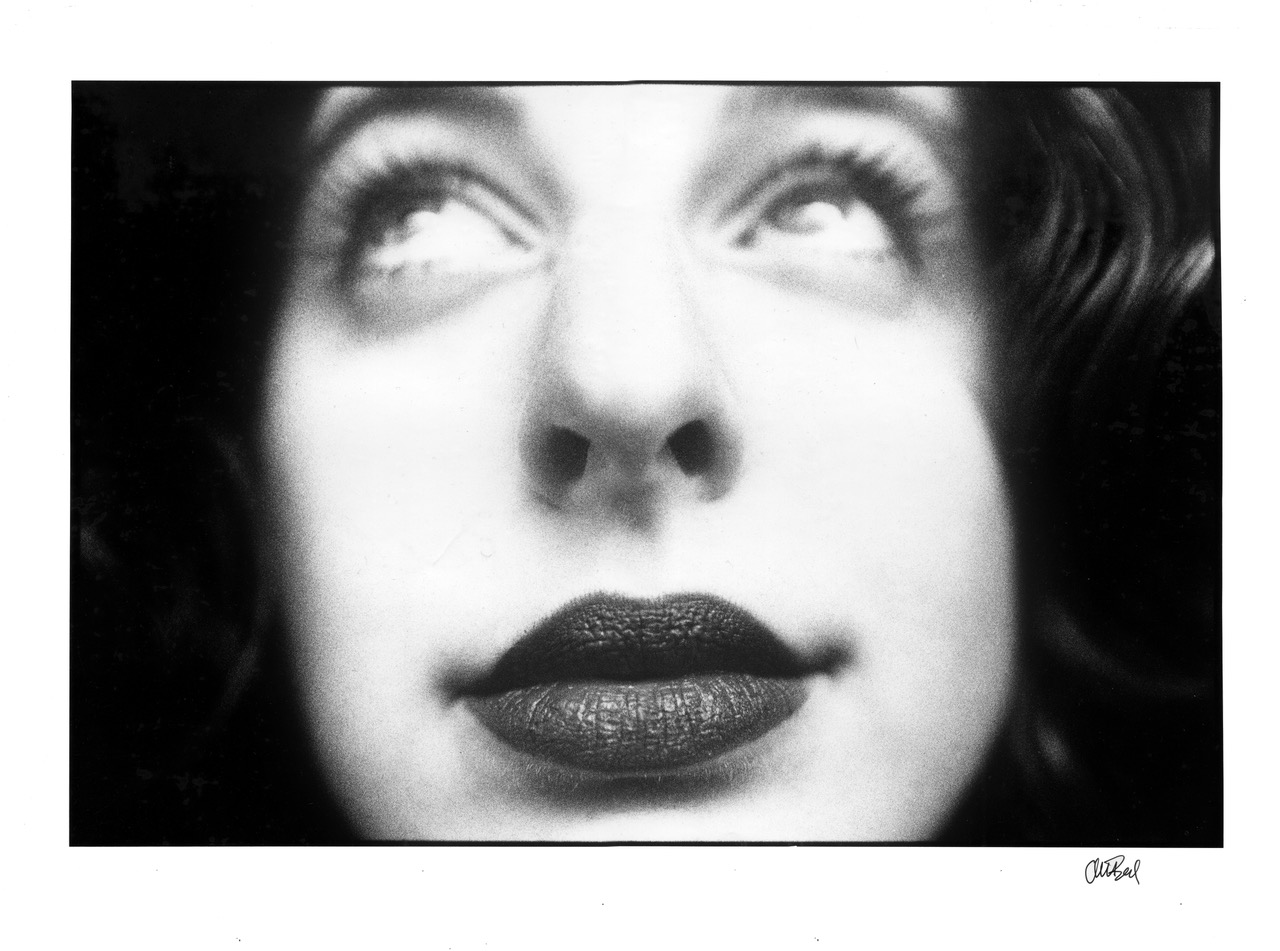
The storytelling of Bill Brandt, Bruce Davidson and Elliot Erwitt, illuminated by tutor Julie Millowick, inspired me to leave Prahran College in my first year in 1984, and pursue media work. After stints in local papers and freelance in London, I joined The Sunday Age in 1989, and soon began writing stories to accompany my photos. I created On the Couch (1992-97), a conversational interview and portrait column for The Saturday Age. The photograph was as important as the text to convey a description of the subjects and their ideas. On The Couch led to writing for Enough Rope with Andrew Denton and Elders (ABC-TV 2003-2010) and later a pictorial series following a choir of homeless people for the television series, Choir of Hard Knocks, book and exhibition. It was my short time at Prahran College that gave me the direction to tell stories in print, television and the occasional exhibition.
PETER BOWES
I have been making pinhole photography for half a century and these, from the series, La Luce, are my most recent. Although my first pinhole images were made with hand-made wooden cameras, these were made with a professional digital camera. In place of the lens was a brass shim with a tiny hole, and that’s where the magic happens; the rest is just technology. The pinhole photograph lends itself to portraying stillness and a sense of time suspended. The overall “softness” and infinite depth of field of the resulting print has some of the colour qualities of Impressionist painting, and the shadow areas have a velvety quality which lends depth and mystery. Compress the whole world through this tiny aperture and on the other side is created a better, more beautiful, more mysterious place; one more ordered, more tranquil than the one in which we spend our days.
ANDREW CHAPMAN OAM
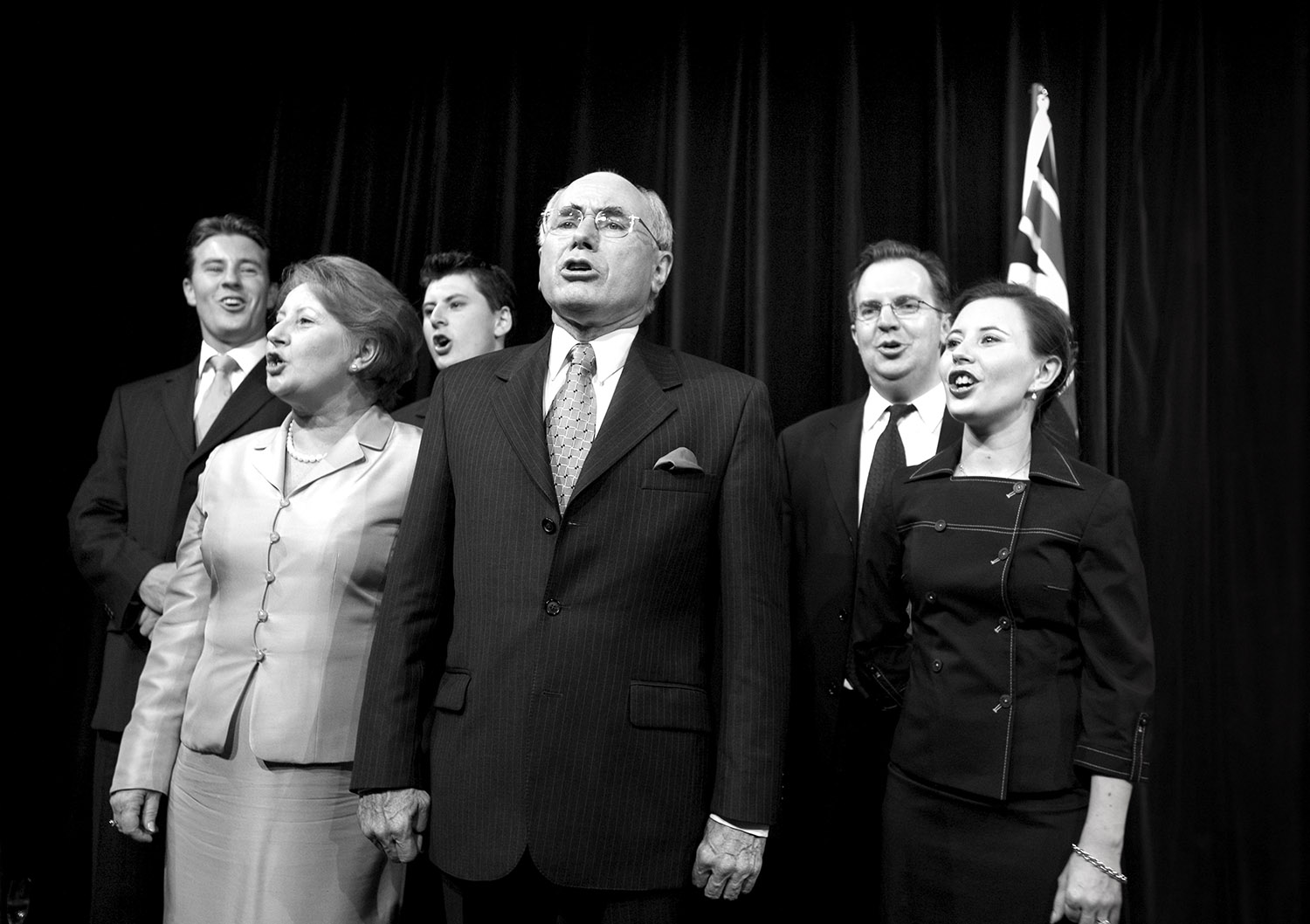
The Family that Sings Together.
It was the evening of the 9th of October 2004 Federal Election and I was at The Wentworth Hotel Sydney awaiting John Howard’s acknowledgement of the Liberal Party’s resumption of power. Howard and his wife Janette came on stage surrounded by their family and after claiming victory went onto sing Advance Australia Fair together. This is one of the very few times in my life I absolutely knew I had landed the shot as I took it. It is an image that reads well equally as much to his supporters as to his detractors. To me it exudes the smugness of a political class. One detractor I spoke to wanted to call it ‘The Duck Family’. I’ll leave it up to the viewing audience to decide.
MIMMO COZZOLINO
Before I enrolled at Prahran in 1968 I had developed a fascination for photographs through the family albums my Dad brought to Australia. He was an amateur photographer and those albums consisted mostly of his snaps. I studied the albums often, captivated by the stories my parents recounted. In 1970 I graduated in graphic design from Prahran CAE where I also studied photography as an elective. In 1972 I was back at Prahran enrolled in photography. Alas, I could not juggle the pressure of study and a job, so I left after 6 months. In my mid-fifties I exited design to study art. In 2003, my series Arcadia del Sud won the Leica/CCP Documentary Photography Award. In 2012 I completed an MFA at Monash University– a journey that reignited my love of photography. I have experimented with video, photography, drawing, painting, printmaking, digital imaging and AI. I love playing– it keeps me sane. mimmocozzolino.com
 CHRISTINA de WATER
Born 1951, The Netherlands.
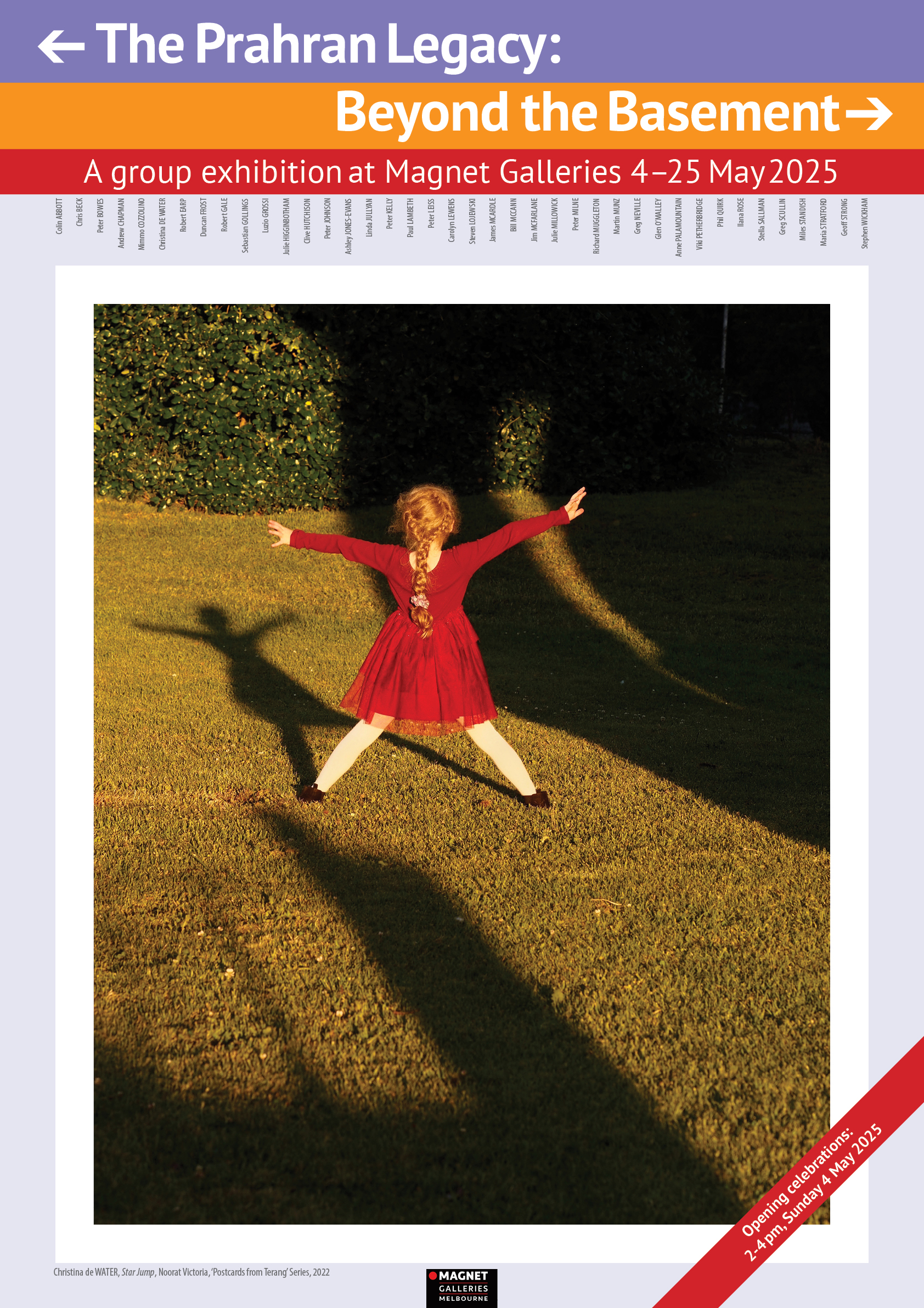
Graduating in 1974 from Prahran art school, I had finally grown up; Paul Cox and Athol Shmith appreciated my photos and gave me 1st class honours and the confidence to go to Sydney, into fashion magazines, advertising agencies, film & television, enhancing my visual skills. In Europe I experienced photography on an international scale. I encountered exciting individuals photographing this diverse Australia when first employed at the The Australian Centre for Photography, then in our work developing the unique Wildlight Photo Agency where I set aside my own photography, but not my love of the medium revived more recently in the ‘Wild South West’ of Victoria. There my Postcards from Terang express peoples’ passions, our quiet inner beauty, and the strangeness of this land; captured in the girl in the red dress whose spontaneous transformation into a star is a ghost of my own past innocence. Find my work at christinadewater.com.au
ROBERT EARP
I’m a Melbourne-based fine art photographer who creates intricate, surreal worlds inhabited by unusual characters and concepts. My work discovers hidden vulnerabilities, anxieties, and delightful oddities that shape our human experience— those parts we often keep concealed. I’m fascinated by the tension between beauty and the quiet dread of imperfection, the playful yet unsettling contradictions of identity and transformation. Collaboration is at the heart of my creative process. Working closely with artists across disciplines, I build richly layered, fantastical environments where daydreams live. I aim to enchant and unsettle viewers, crafting images that balance whimsy with psychological depth—worlds where the surreal feels wonderfully real. Daydreaming fuels my imagination and guides my work; it’s a vital tool for turning ideas into vivid visual stories that invite viewers to look closer and question what lies beneath the surface.
DUNCAN FROST
Migrating from England in 1950, aged 18 months, I grew up in Sunhine. In my mid teens with my father’s folding Kodak I photographed star trails; my dog Rex dressed up; friends in mock battles; crashing waves; all appearing a week later at the chemist; such wonder, excitement and mysterious sense of purpose! Prahran Photography in 1970 inspired me, building confidence in what I could do with a camera; I am eternally grateful. Leaving Prahran I was Assistant Photographer in the Science Museum and Department of Immigration. I joined Jon Conte and Johann Krix in Peace in Chaos (1973) at Brummels Gallery. Graham Howe published my work in New Photography Australia and Art and Australia. My solo exhibition, Stolen Moments, was at Gallery 18 (1981) and The Alice Springs Art Foundation purchased a work. After several career changes, I retired in 2010 and continue avidly to develop my photography.
ROB GALE
A student at Prahran College from 1976-78, I am forever grateful to have studied at an exceptional institution during that historic time – it changed my life. After graduating, I worked as a photographer for a local Richmond newspaper and as a colour printer for Bryan Gracey at CPL Services. Years later, I was represented in the US by the world’s leading corporate assignment agency Liaison International, working as a commercial photographer across Australia and internationally for corporations, magazines, architects and hotel chains. Since 2007 I have taught photography at RMIT in Vocational Education. My work has been exhibited at MAPh, the Daylesford Foto Biennale, Brunswick’s Counihan Gallery and has been a finalist in the Moran Photographic Prize, the Blake Prize, and the Head On Awards. These images are from my series Transported. The work illustrates the ways we are impacted as we navigate large cities and crowded environments.
SEBASTIAN GOLLINGS
I attended Prahran College from 1981 to 1983 and was inspired by people such as John Cato, Paul Cox, and occasionally Bryan Gracey. “The Basement” was a special place where I specialised in still life and portraiture. After graduating, I found my way into advertising photography. After years in Melbourne, I decided to try New York; it was tough, and you had to specialise in one type of photography. Again I was lucky; I worked in advertising and editorial in New York, focusing on product photography. However, the still life industry changed, with more in- house studios and CGI taking over the work. I decided to move back to portraiture. In the last few years, I have been shortlisted in the National Photographic Portrait Prize in Canberra and the Taylor Wessing Prize in London. The portrait in this exhibition is the one that was shortlisted for Taylor Wessing 2024.
LUZIO GROSSI
Born in Italy and raised in Melbourne, the camera is my instrument of fun. Studying photography at Prahran, my first solo was at the 1987 Melbourne Comedy Festival—Speak Only When the Chicken Pisses—a title as playfully rebellious as my pictures. Then being official Australian Bicentennial photographer for Edinburgh Festival (1988) launched my creative career. My work is exhibited and held in MAPh, Australian Performing Arts, MAMA, and Deakin University collections, and elsewhere. Vogue, Rolling Stone, Harper’s Bazaar featured my commercial and editorial photography. Photojournalism for The Age, The Australian, Herald-Sun and Financial Review, and top ad agency campaigns has included celebrities—even President Trump! A privilege was to establish, as manager and senior lecturer, a photography school in New Delhi. I live by Prahran’s spirit and what I learned there: “There are no rules in photography—only guidelines. If there is a rule, break it.” www.luziogrossi.com
JULIE HIGGINBOTHAM
I trained at Prahran in photography; printmaking at Preston Institute; then undertook postgraduate studies at Phillip Institute, majoring in Printmaking and Photography. An art gallery curator from the early 80s, I co-founded Iceberg Gallery, Rankins Lane, Melbourne, and directed the Mechanics Institute Gallery/Counihan Gallery in Brunswick over 1993-2000. My collaboration with Denise Officer, ‘the photographer photographs the photographer who photographs the landscape…’ is a realisation of what René Magritte said in 1967 to Suzi Gablik was ‘a moment of panic,’ a ‘privileged moment transcending mediocrity’—‘for which there doesn’t have to be art—it can happen at any moment.’ Looking at an object to discover its meaning results in the seeing being replaced by questioning, so that ‘one cannot speak about mystery; one must be seized by it.’ I’ve exhibited here and overseas. Collections holding my works include the National Gallery of Australia, State Library of Victoria, and Art Gallery of Ballarat.
CLIVE HUTCHISON
I was a student at Prahran CAE from 1971-74, commencing with the multidisciplinary preliminary year and later completing the Diploma of Art and Design (Photography). These were influential years during which I was exposed to new levels of process, inquiry, and creativity. The experiences at Prahran, especially mentoring of staff and fellow students, led to a lifelong love of photography. My ensuing photography career included time spent in secondary education, advertising photography, video production and tertiary photography teaching. I have participated in several individual and group shows as well as in multi arts festivals, primarily in North Queensland, where I have mainly lived since 1999. This image is one of a series created as part of a Master of Creative Arts Degree at James Cook University in 2005. The image depicts a young warrior from the highlands of PNG in traditional dress celebrating PNG Independence Day in Port Moresby.
PETER JOHNSON
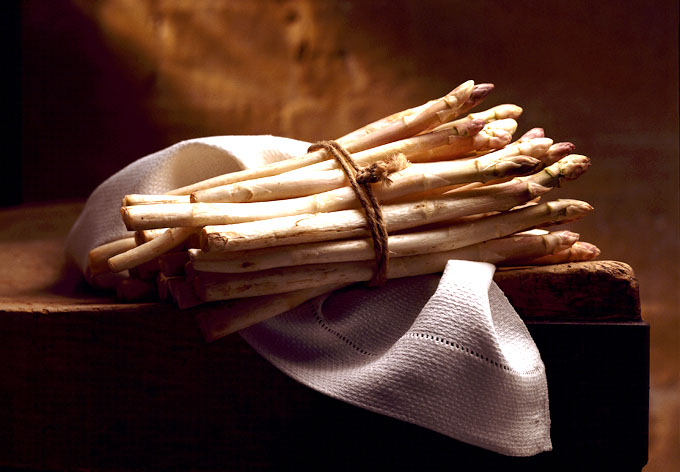
A keen photographer from age twelve, it was as a junior art director at George Patterson that I realised my hobby could become an occupation. B&W images published in The Australian got me into Photography at Prahran in 1971: extraordinary times, an eclectic bunch of students, and legendary lecturers, Paul Cox, Gordon De’Lisle, Bryan Gracey, Derrick Lee, and Athol Shmith. Finishing second year I was employed by Brian Brandt as his assistant. Though he later fired me, I’d discovered studio work and lighting. I loved natural light, so with cutters, scrims and shadow- makers I could modulate studio lighting to replicate any locale, time of day, and season. With my passion for food and eating, I enjoyed a long, fulfilling life as a food photographer. When judging my own work, I had one yardstick: ‘if you wanted to eat the page, I had succeeded in sharing the sensuality of food.’
ASHLEY JONES-EVANS
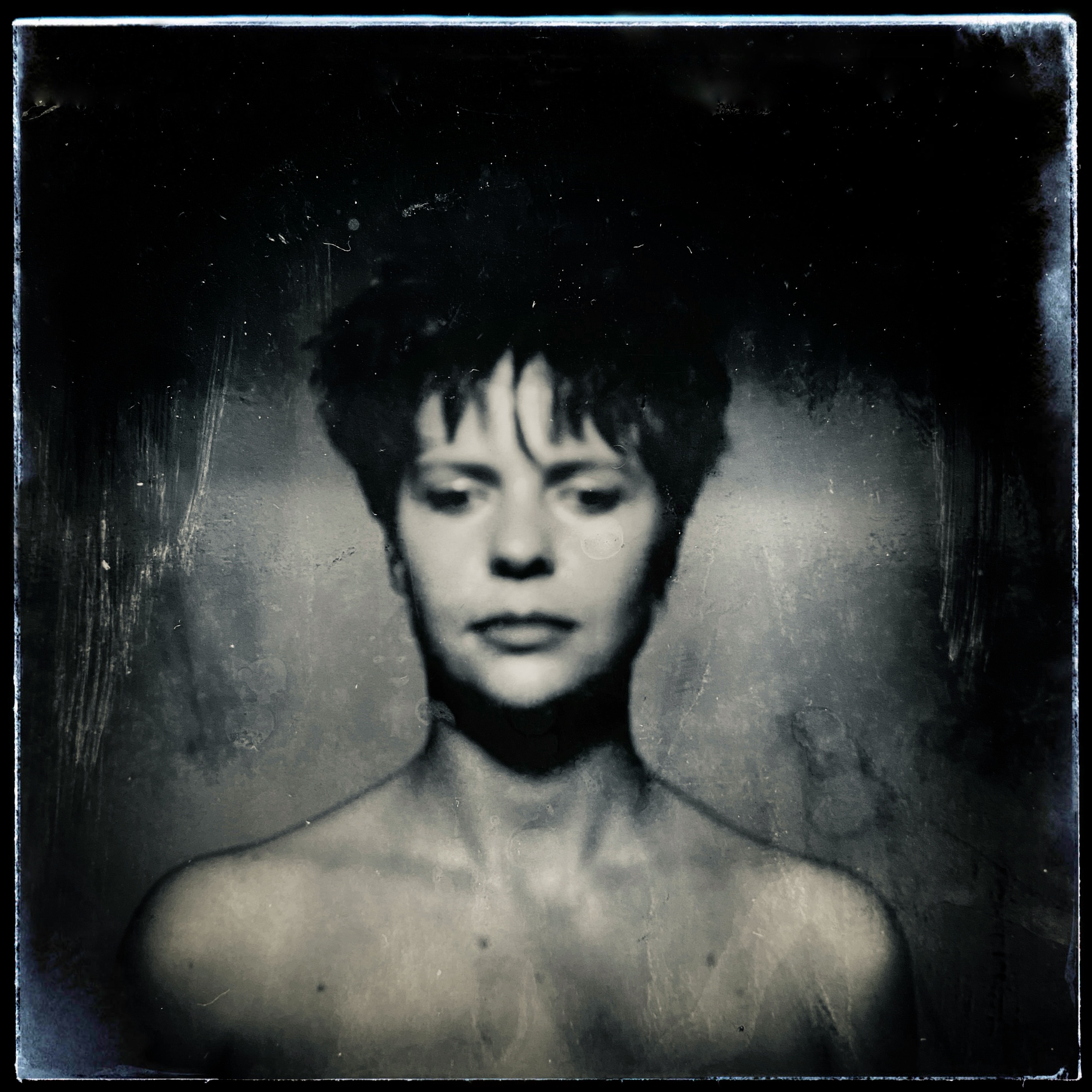
At sixteen I was full-time at Photography Studies College under Tony Perry and John Riches who suggested I next apply to Cato at Prahran, and I was successful; three years in The Basement were the greatest of my life, indulging exclusively in the joys of the photographic universe with the privilege of masterful guest lectures from the likes of Paul Cox, Athol Smith, John Cato, William Kelly, Les Walkling, Bill Henson. I commenced a prolific career as commercial photographer and film director. Many skilful practitioners helped me hone my craft over twenty years; every frame considered, every pixel sharp and perfect. In the arts is always a turning point… where we begin is where we end. We create tribal rules; what is correct, what is technically perfect, then spend years deconstructing them. I now find myself in a place of my own visual truth and have never loved photography more.
LINDA JULLYAN
I attended Prahran College from 1984 to 1987, under mentors like John Cato, Athol Shmith, and Norbert Loeffler. Photography was explored as an art form that challenged established perceptions of photography. Immersed in this multidisciplinary environment, new concepts reshaped my approach to photography and in particular the portrait. Through deliberate chemical fogging, fingerprinted negatives are intimate pieces juxtaposed with larger prints of the sitter, expressing grief and identity as silent, metaphysical states.My current work explores the landscape through mixed media—encaustic painting and cyanotypes—with photography as my source. Since Prahran, I’ve earned two further degrees, exhibited widely, and worked with at-risk students, refugees, and Northern Territory indigenous communities. My works are collected in the NGV, City of Port Phillip, and City of Boroondara collections. The friendships, inspiration, and bold creativity of Prahran and a passion for photography still shapes me.
 PETER KELLY
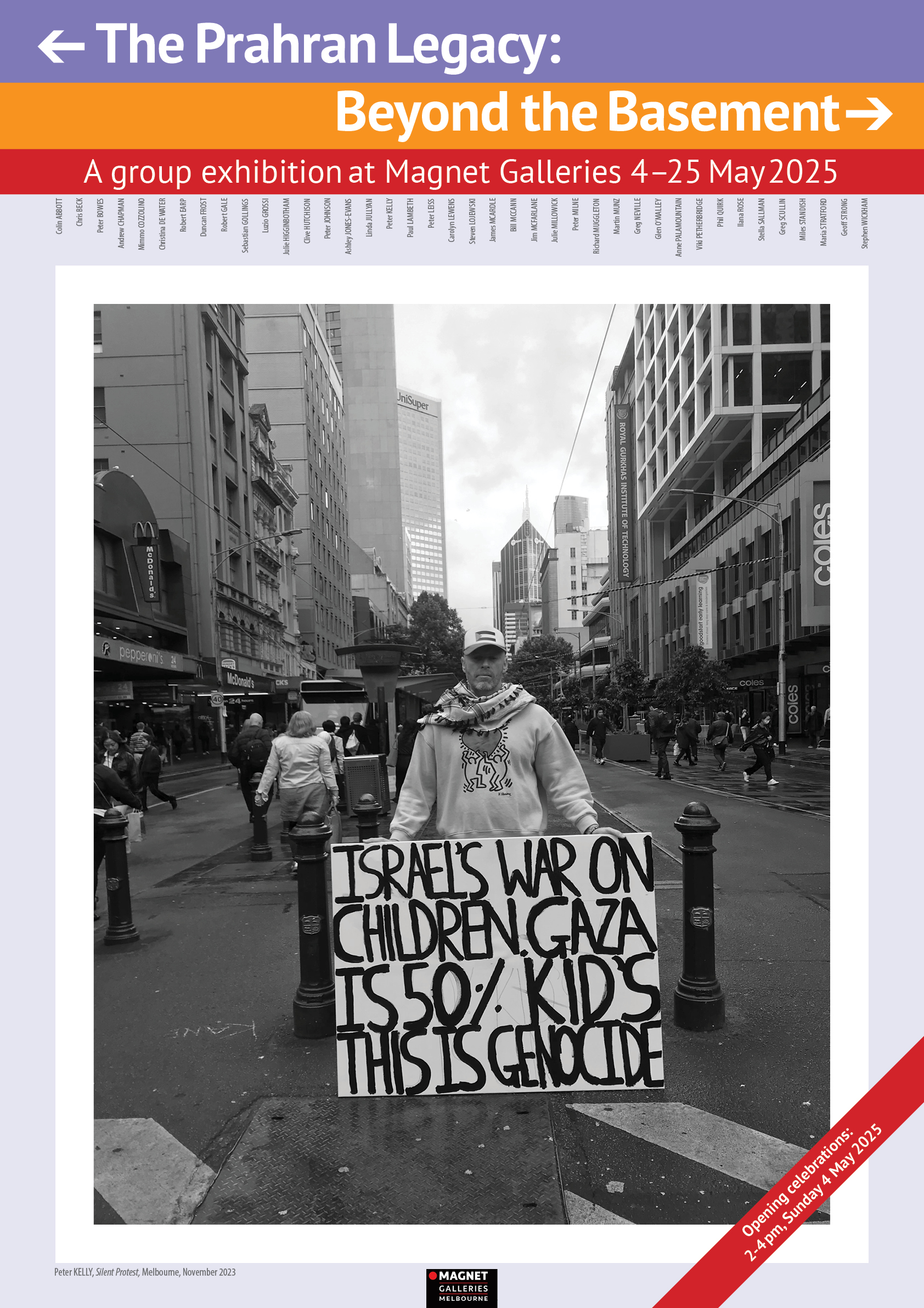
A student at Prahran from 1973-76, I loved the place; an historic time that turned my life around. After graduating I freelanced for some years before doing a teaching diploma for a further career in TAFE fine Art/Photography education. My photography featured in several exhibitions and is held in major collections. I still photograph; “Silent Protest” was taken in Melbourne city in November 2023 on an iPhone with the consent of the subject who, over a week, was otherwise largely ignored, with only an occasional fist bump from passers-by. I am a product of the burbs; the routine, the trivial, the day at the shops, or catching the train into my city of Melbourne where the ‘burbs come together, in a street party, a protest, a horse race or a footy final, offering instants that intrigue—the ol’ cliche of the ‘decisive moment’ is apt and compelling!
 PAUL LAMBETH
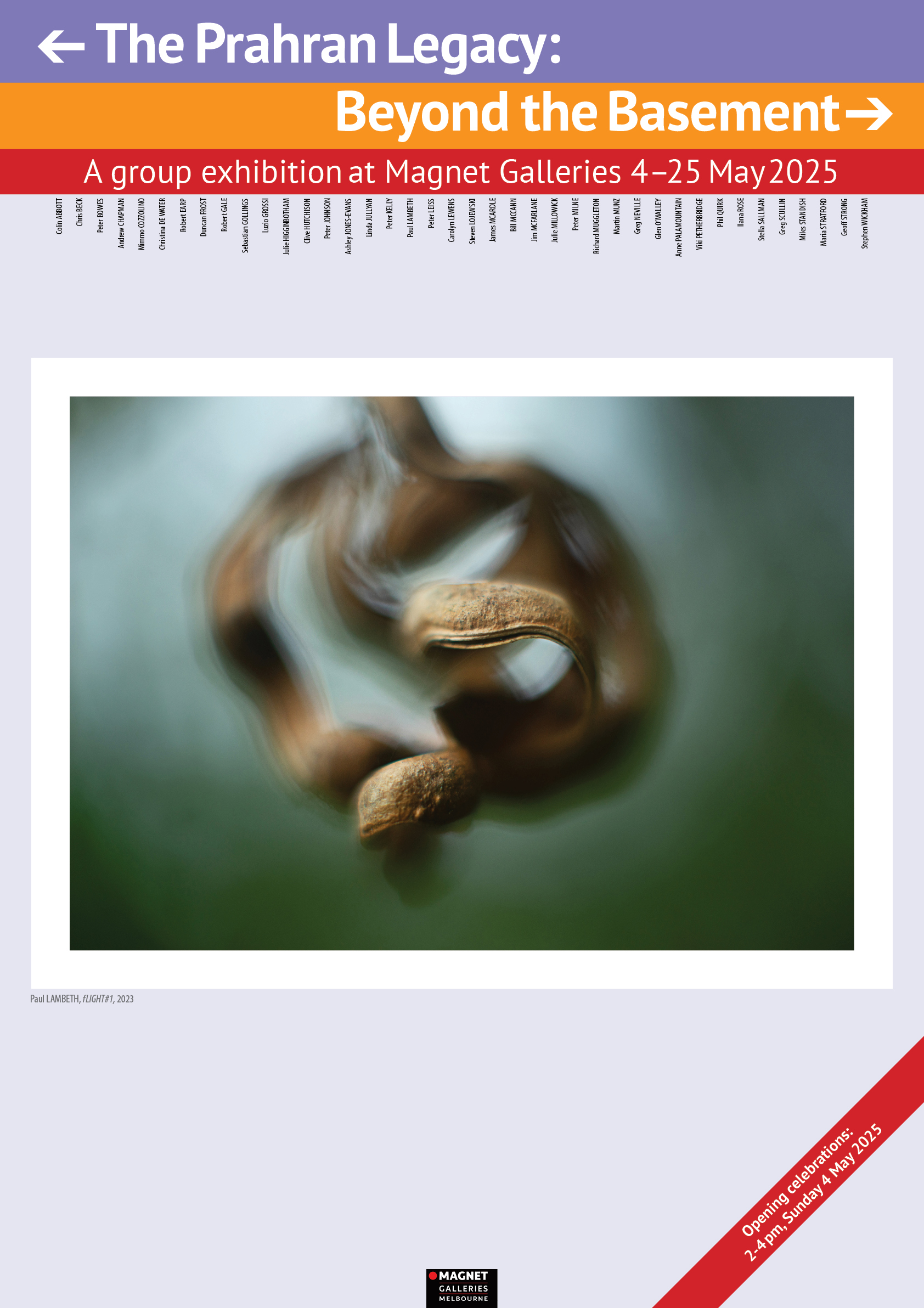
At 17 years old I was probably too young to fully appreciate the qualities of the Prahran Photography Department in the mid 1970s. Post-Prahran, like many from my generation, I temporarily put aside a settled life and career for travel. On reflection, I can see how influential the Prahran years were on what followed; a creative practice, exhibiting and publishing photography, painting and poetry while also earning a living directly or indirectly from photography, including medical, architectural, commercial, education and arts management. While I am in awe of the power of the camera as a documentary tool, my photographic creative practice has always leant to the lyrical. Most often using the organic world as source material. Some may describe my images as abstract, I don’t. I can’t define how my life choices were informed by my time at Prahran, other than to state the environment stimulated questioning of everything.
PETER LEISS
In 2017 Peter Leiss and Jon Conte decided to make video interviews with as many ex‐Prahran College students as possible to record their experiences of that institution and its time. When Jon passed away, Nicholas Nedelkopoulos assisted on the project with as much devotion as had Jon. The outcomes are these interviews of one lecturer and twenty students who studied the art of photography between 1968 to 1980.
Order of Interviews:
- Christina de Water
- Duncan Frost
- Graham Howe
- Lecturer Bryan Gracey
- Ian Macrae
- Andrew Wittner
- Julie Higginbotham
- John Tweg
- Bill Henson
- Philip Ingamells
- Geoff Strong
- Glen O’Malley & Peter Kelly
- Robert Ashton
- Nicholas Nedelkopoulos
- Mimmo Cozzolino
- Mick Cullin
- Peter Leiss
- Philip Quirk, (production by Jason Busch)
- Stella Sallman
Total Time: 1:35. Videos will play in the gallery for the duration of the exhibition.
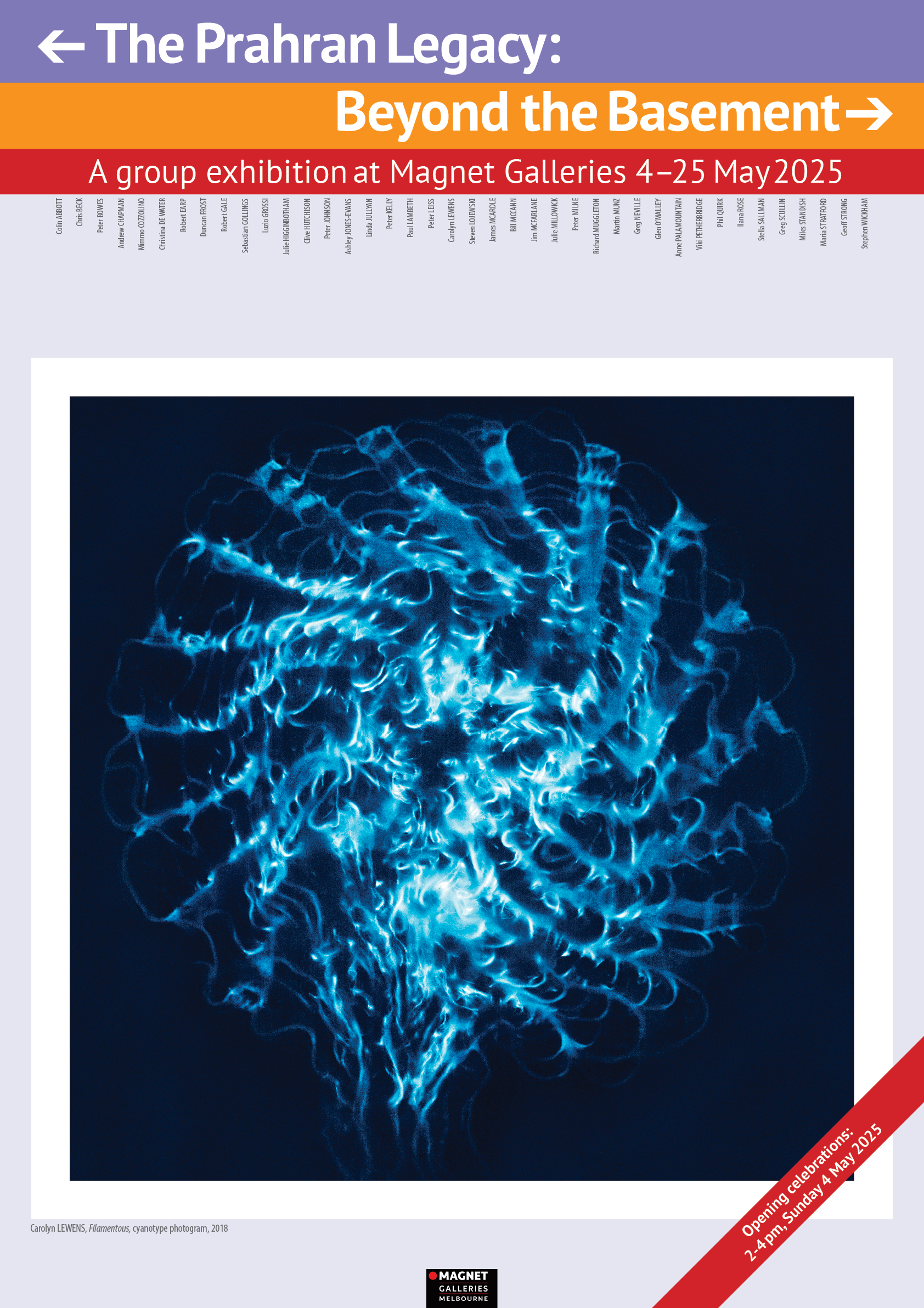
CAROLYN LEWENS
Prahran Photography (1978–80) unlocked my creative potential and curiosity. Inspired by teachers and classmates, I embraced the social contexts of a new country, having just arrived in Australia, nearly penniless. Before Prahran, I studied art and education and continued teaching at tertiary institutions. Documentary photography offered community engagement and travel, including a memorable project documenting Weipa South (Napranum) for After 200 Years. Eventually, injury forced me to abandon traditional photography, leading me to explore cameraless techniques. I completed an RMIT Media Arts Masters in alternative photography, inspired by Anna Atkins’ cyanotype photograms. While today’s photography races at social media speed, I chose a slower path. I create enigmatic photograms that blend print, animation, kinetic sculpture, and installation, explored through my current PhD project In the Photic Zone (Monash). Artist-in-residencies have provided remarkable opportunities to deepen and extend this evolving, experimental practice.
STEVEN LOJEWSKI
The early ’70s at Prahran were exciting times for many young photographers as fine art photography was developing in Australia. My understanding of how to think about the medium and its place in society matured in the school’s program. Since graduating from Prahran, my documentary work has been exhibited in public and private galleries and published in books and periodicals. I have been honoured to participate in the C.S.R. Photography Program and Parliament House Construction Project, to receive the Leica/CCP Documentary Photography Award (2001), and to see my work in public collections across Australia. I enjoyed teaching photography at the Photographers’ Gallery and the Phillip Institute, Melbourne, then at Sydney College of the Arts, The University of Sydney. My photographs reflect my engagement, discoveries and interactions with my surroundings; the flaneur experience still thrills, giving me purpose and creative satisfaction, for which I am grateful.
JAMES McARDLE
I went to Prahran CAE 1974-1976 and returned to give a couple of guest lectures for John Cato. The 1970s, Prahran and its environment, the lecturers and my fellow students, were transformative, and saved my life! I have been a lifelong devotee of photography—behind the camera and in teaching and writing about it—and it returns me lasting pleasure and meaning. With these ‘cubist’ pictures (only one being a digital montage) I was ‘piecing myself back together’ after a near-death event. We’re all getting old, but photography is forever young; ‘Protean’ as Cato would say. I love writing at onthisdateinphotography.com and prahranlegacy.org and in print publications. I volunteer as a guide and photographer at Castlemaine Art Museum, and with my partner Lorena Carrington who creates enchanting photographic illustrations, I revel in a ‘retired’ life.
BILL McCANN
I was at Prahran from 1981 to 1983, some good ol’ days, with Departments of Photography, Print Making, Art History and a favourite, the Department of Furious Discussions just off-campus at Nick’s Special Cake Shop in Chapel St ($1.80 for a cappuccino).Prahran was highly motivating, and graduating was a licence to put on your skates, chase jobs, shoot, develop, print, criticise, problem-solve …work! I was a member of Working Pictures (1985–1989) with Carolyn Lewens, Stephen Henderson and Bernie O’Regan. I’ve held two solo shows: TV plunder and a fortune of lies (1989, Artists Space, North Fitzroy), and Pretty Ugly (2006, PITSpace) between them a parallel TESOL teaching career took over, and I became a ‘weekend photographer’. Here are some recent pictures: the Murray River, Boronia Beach and Tinderbox near Hobart, clouds over Melbourne, a laneway in Prahran— everything comes full circle!
JIM McFARLANE
Entering Prahran CAE changed my life forever and completely. Having worked for five years in the motor industry, I leapt at the opportunity when the Labor government’s TEAS scheme meant I could return to study, 1978 -1980. Suddenly I was plunged into a world of ideas and critical thinking, it was such an exciting time that energised us and fuelled our enthusiasm for photography into the future. I became interested in documentary but knowing how difficult it was to make a living, I chose the commercial path. After my commercial work dried up, I went back to documentary, working mostly in refugee camps in places like Jordan, Gaza, Lebanon and Bangladesh. Through sales of books and prints we raise money for NGO’s and charities. Our work has been exhibited in over 10 countries. At Prahran, nobody told us that, through photography, a fulfilling, stimulating and fascinating life awaited us! www.jimmcfarlanephotographer.com
JULIE MILLOWICK OAM
Prahran College was an extraordinary and life changing experience. After graduation, I began the challenge of breaking into industrial photography. In 2021 Angela Lynkushka wrote: Your industry work is pivotal…for women. You pioneered this male dominated area. Hard won clients included Mayne Nickless, Shell, Arts Centre Melbourne, BP, Wool Corporation, Wheat Board. Whilst working commercially I continued my personal documentary photography and in 1977 this was exhibited in Australian New Work curated by and exhibited at the NGV. In 1993 with Sally Mann, Nan Goldin and Jacques-Henri Lartigue, my images were exhibited in Intimate Lives, International Fotofeis, Edinburgh, directed by Alasdair Foster. Recently, Surrounding, a 37 year documentation of the Central Victorian post-goldrush environment was exhibited at Castlemaine Art Museum. My work is in the NGA, NLA, MAPh, SLV, NGV. Photography is my life, the very core of my being. Thank you wonderful Prahran College (Athol, John, Bryan, Paul, Derrick).
PETER MILNE
I’m a Melbourne-based photomedia artist with an interest in how history and culture are visually represented. I started out in documentary work, most notably photographing the early Melbourne punk scene and the first decade of the Melbourne International Comedy Festival.These days my work leans towards photo montage and collage. It continues to be imbued with a strong sense of the absurd whether through historical allegories, political satires or ruminations on the processes of art making and photography itself. I’ve exhibited widely across Australia and internationally, and have published nine monographs, most recently – Death of an Idea (M.33, 2023). My work is held in significant public collections including the National Gallery of Victoria, the Museum of Australian Photography, UQ Art Museum, the Victorian Arts Centre, Horsham Regional Art Gallery, the State Library of Victoria, the National Library of Australia, and the cities of Port Phillip and Melbourne.
RICHARD MUGGLETON
In my school at Quirindi NSW, girls studied Art and boys took Agriculture. At fourteen I was an apprentice aircraft engine fitter in the RAAF, but after seven years I deserted to go to Prahran CAE. Preliminary year was in temporary spaces before moving, in second year, into the new building. Lacking prior art education, I struggled, so switched from Painting to Photography. Ian McKenzie brought a commercial perspective, while Paul Cox focused on cinema and fine art. Drawing and Printmaking complemented my studies. My first job was at Victorian Plastic Surgery Unit establishing a medical photography department. I was photographer on a scientific team during 1971 and 1973 camping 17 weeks on the Carstenz Glacier, West Irian. I was then TAFE and tertiary Lecturer in Photography between c.1975-2000 and exhibited at Avago Gallery, Sydney, The Dolls House Gallery, West Preston, and in Caulfield Institute’s Art Staff exhibition, UK.
MARTIN MUNZ
When a student at Prahran College, 1978-80, my work was quite formal, and now, as painter, is ‘imitation’ photorealist. In retrospect I was influenced, haphazardly, by Ian Burn’s critical art theory and his modelling of the artist as a working person. I taught art in Darwin, was an art space director (EAF, Adelaide & Tin Sheds, Sydney) and bureaucrat (Australia Council), I photographed copiously and acquired other skills. My current paintings are worked-up from photography around my regional NSW town, Murwillumbah. They are inspired by Burn’s aphorism, “A landscape is not something you look at but something you look through.” The small four Ruckenfigur ‘back figure’ paintings hark back to my early St. Kilda street photography. They are ‘anti-portraits’ about the human body in social reality, rather than being about a sense of mystery (although there is a bit of that) and a longing to see from the subject’s perspective.
GREG NEVILLE
Order and Disorder: I paired wood fragments I found in a Victorian forest with technical drawings from my father’s teaching of building trades in the 1960s. This project is my way of describing entropy — the universal tendency in nature toward decay and dissolution into the lowest energy state. Organised structures, whether a building or a tree, ultimately break down and dissolve through rot into a state of equilibrium with the surrounding matter. In a sense, the efforts of civilisation, represented by the geometric drawings with their measurements and straight lines, are foiled by nature’s opposing plan for entropy and decay. I made the photographs with a 5×4 camera to best capture the contrasting beauty of form, line, and texture in these mysterious artefacts. I was at Prahran over 1971-72.
GLEN O’MALLEY
In Queensland I’d trained in many art media and was an art teacher for three years until photography found me in a summer school at East Sydney Tech, then I worked with friends and published in student newspapers. Studying at Prahran in 1973 developed my already forming style; the lecturers, particularly Paul, patiently helped me through first year, but I decided to return home. I was darkroom operator for an architectural photographer, and first exhibited in 1975, with Ray Hughes Gallery and the ACP. I am now Queensland’s longest-exhibiting photographer with forty-plus national and international solo exhibitions and over 200 group shows. At Queensland Art Gallery I have work in Suburban Sublime and was interviewed about my fascination with suburbia by Art Guide. At Prahran, Peter Kelly and I struck up a lifetime friendship and collaboration resulting in shows together from 1978 to the present, once with Rennie Ellis.
ANNE PALAMOUNTAIN
I attended Prahran from 1984 to 1986. These years in the basement were exciting and inspirational under the guidance of John Cato and many other artists. I picked up a camera as a teenager, inspired by a lifelong passion for birdwatching and a love of the Australian landscape. I arrived at Prahran with years of experience working in several photography laboratories including Bond Colour in Richmond. I learned so much there printing the work of many accomplished photographers. I went on to a career as a commercial photographer in many Melbourne studios and eventually as a freelance photographer. In the ensuing decades I enjoyed working with many clients, art directors and stylists in the fields of product, fashion, food, architectural and portrait photography while still pursuing my personal passion for photographing the natural world. It is a privilege to be included in this exhibition with so many talented artists from the Prahran basement.
VIKI PETHERBRIDGE
My passion has always been black and white photography, and I often hand-paint the images to create unique images. I work in the figurative and still life genres. The figurative works are sometimes imbued with social comment, often resulting in a series, one example being The Red Hand set which presented ideas and expressions associated with being ‘red-handed’. My large photographs are often embellished with jewels, feathers or other items intrinsic to the message I am trying to convey. The still life images are created in my studio and often hand painted. In an edition, no two photographs are the same, due to variation in the painting.
PHIL QUIRK
Shooting surfers round Torquay in 1970 I met fashion photographer Bruno Benini who urged me to enrol at Prahran. Paul Cox placed me in the 1971 class having remembered I was a finalist in the Age of Aquarius competition. He won; I was disqualified. He appreciated my ‘having a go’. Prahran was a massive learning experience, but exhibiting in the ACP’s first exhibition (1974) encouraged my move to Sydney to photograph for magazines and books. Participating in the Day in the Life of Australia project (1981) prompted our formation of Wildlight Photo Agency (1984) for 20 years shooting assignments here for American, European, English and Asian clients. The travel often enabled my making personal Australian landscapes on large format cameras and transparency film; in solitude under a vast sky crossed by morning or afternoon light—such universal timelessness inspires me. Prahran led me to life in photography—the rest I did myself! philipquirk.com
ILANA ROSE
For over 35 years I have been a professional photographer and photojournalist for some of Australia’s most respected media outlets, including as a Foreign Correspondent in the UK. Among my clients have been arts organisations, NGOs, record labels, film companies and Victorian Government departments. I could not have accomplished that without the fire in my belly ignited at Prahran College Photography by Department Head John Cato’s inspiring arts-based teaching approach. That helped shape my individual perspective and instilled a deep commitment to visual storytelling. My deep passion is to illuminate social justice issues and those overlooked by mainstream media, and to advocate for underrepresented communities by generating powerful visual narratives to highlight their humanity, strength, and resilience. I’ve exhibited in Australia, New York, China and New Zealand, and public galleries and arts organisations The Powerhouse Museum Sydney, The Victoria State Library and the City of Melbourne have collected my work.
STELLA SALLMAN
I intended to study Fashion Design at RMIT but at Prahran CAE discovered the magic of photography, led by the esteemed fashion and society photographer Athol Shmith. The 1970s were heady, exciting times of massive social change and I revelled in the discovery of seeking and making images. I was inspired by people like Rennie Ellis and his approach that entered peoples’ worlds with a lack of inhibition and constraints. I left Prahran with a trained eye. I was drawn to the punk movement as an expression of rebellion. This group of bold people became the subject of my first exhibition, at Brummels in 1978. After travelling and exploring, I worked in colour photo labs but found this unsatisfying. I studied Interior Design & Decoration and had my own retail consultancy. It is only in recent years that I have come back full circle to practise photography in the ever-changing digital age.
GREG SCULLIN
A mature age student, my 1981 Prahran foundation year opened new worlds. The photography diploma lecturers encouraged curiosity. I valued Art and Photo history augmented by visiting photographers. We had to produce to learn the magic of photons meeting silver, the play of light. Frank, McCullin, Koudelka, Arbus; the F.S.A., inspired my gravitating to print, working first on local papers then the Melbourne Herald ’87-’88, before freelancing for the Sunday Age; Sunday Herald, The Australian, Bulletin, Eureka, the Weekly Times, and clients Vic Health and Melbourne Museum, photographing people. A press photographer is jack-of-all-trades, and some ‘content’ to me was trivial—I like work about something. That prompted my Olympic Village series; I walked the streets, seeing the chronic social disadvantage, was invited into homes, attended local events. Documenting built feeling for the community, a big picture. My photography now has slowed to interpret and distil nature.
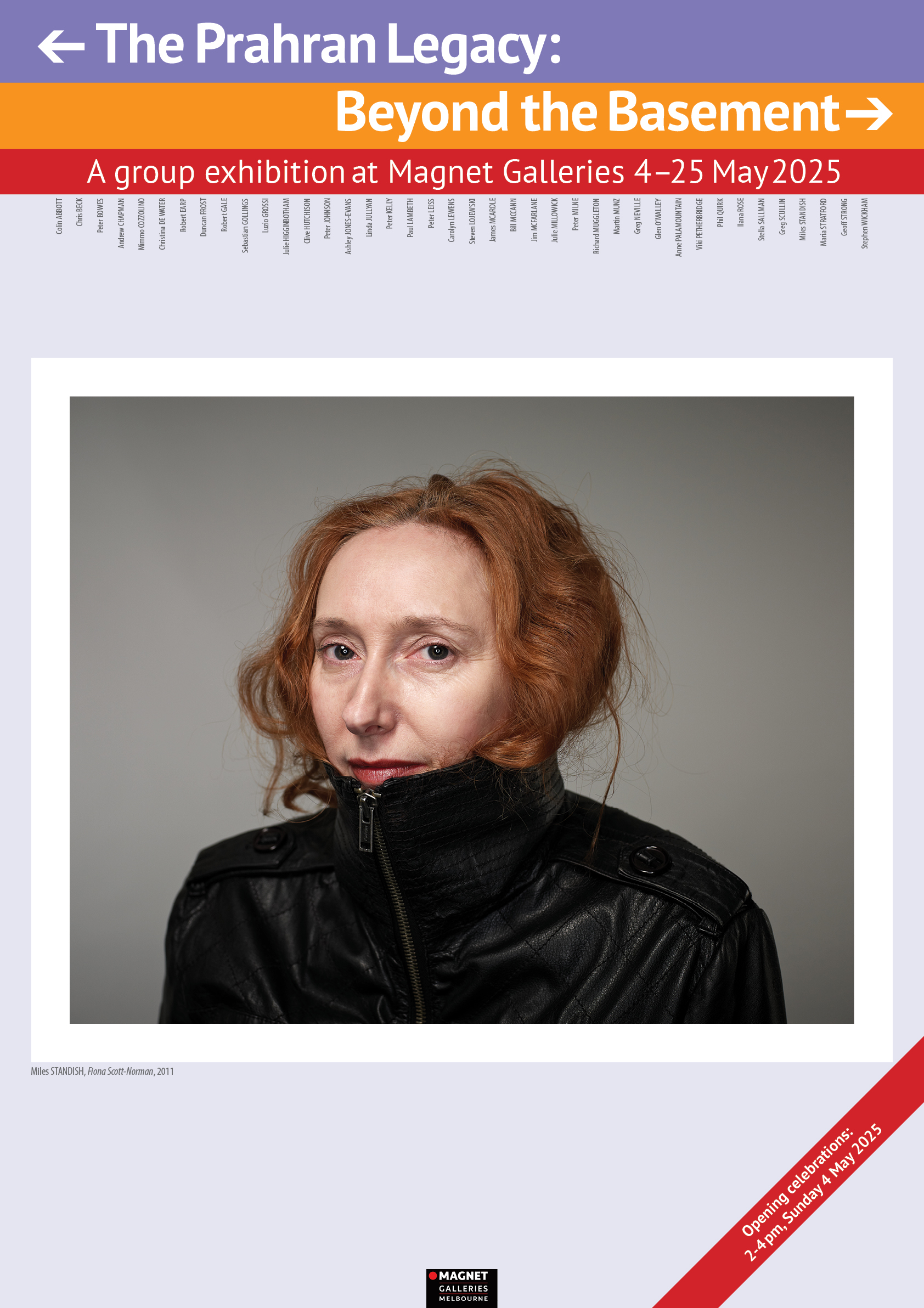 MILES STANDISH
I studied photography at Prahran College in 1984/85. I loved art school, and adored John Cato (the head of department), but was too immature and bratty to properly appreciate what the College and John were offering me. Suffering a lifestyle-induced mental health crisis, I dropped out in second year. After a couple of years as a tram conductor, I returned to uni to study law, and I’ve worked as a lawyer for the last thirty years. Around 20 years ago my passion for photography reawakened, and I have photographed ever since, mostly as a dedicated amateur but occasionally as a professional. have always been a portrait photographer. The best portraits create a space for the viewer to experience a meaningful internal conversation mediated, but not overwhelmed, by the subject of the image. I aspire to make portraits which enable such a conversation.
MARIA STRATFORD
Most of the images I’m exhibiting are from various visits I made to Ethiopia between 2008 – 2020. I was shooting a documentary film for my PhD as well as gathering information for my dissertation. Ethiopia is a huge country with very distinct groups, nations and ethnicities who are situated in different regions around the country. I visited many areas and was fascinated by the peoples and their cultures. My latest adventures have been to West Africa and I plan on returning in 2026. My interest in photography began in 1976 when I spent 12 months in Kingston Jamaica and attended the photography program at the Jamaica School of Art. When I returned to Australia, I wanted to continue learning more about the craft and I became a Prahran basement dweller from 1980 – 1982. I am currently working as an academic at RMIT and have been there for 19 years.
GEOFF STRONG
It was when, at age eight I got my hands on the family Box Brownie, that I began a lifelong fascination with the potential of photography. Next achievement was to nag my parents into buying me a small 35mm camera when I was 12. The following year we moved from Sydney to Brisbane, where I taught myself film processing and printing. I worked as a journalist, eventually covering state politics at the Courier Mail before before being accepted into the Prahran CAE photography course in 1975. After finishing there, I returned to journalism, mainly working at The Age in Melbourne. Briefly a media advisor for a Victorian Premier and Ministers, in the early ’80s. I also served as The Age’s photography critic. I credit Prahran with teaching me visual observational skills that proved unexpectedly useful in my later career as a senior writer and columnist.
STEPHEN WICKHAM
1972 was my one year at Prahran College. The photographs that I made were largely a reworking of ‘pictorialism’ and attempts at informal portraiture. 1973-4 I studied painting at the VCA, and the photographs I made in my home darkroom were small portraits that the NGV acquired in 1974. At Prahran, Jon Conte suggested trying KODAK Recording Film 2475. It was just right. Thank you, Jon. I have continued to make and exhibit paintings, photographs and works on paper. The works in this exhibition are from the project Peppie Vs Godzilla—shown first in 2007 at Stephen McLaughlan Gallery, Melbourne. The project has had many iterations and continues today with Lennyboy Climate Warrior. This body of work continues to be well received in private and public galleries, with critical, commercial and curatorial success.This, all while celebrating the mutual love between three Bedlington Terriers, Peppie, Georgie and Lennyboy, and me.
An invitation from 40 Prahran College alumni:
You are warmly invited to join us at the opening of an exhibition featuring works by 40 alumni who studied photography at Prahran College between 1968 and 1991. We are excited to share our recent work showcasing the diverse artistic talents that emerged from this influential institution. Each of us will exhibit one or more pieces, most available for purchase. We hope you and your friends will join us for this celebration. Opening Reception at Magnet– Sunday, 4 May 2025. 2:00pm–4:00pm. Refreshments will be served.
 Prahran Photography
One thought on “Beyond the Basement: a new exhibition”