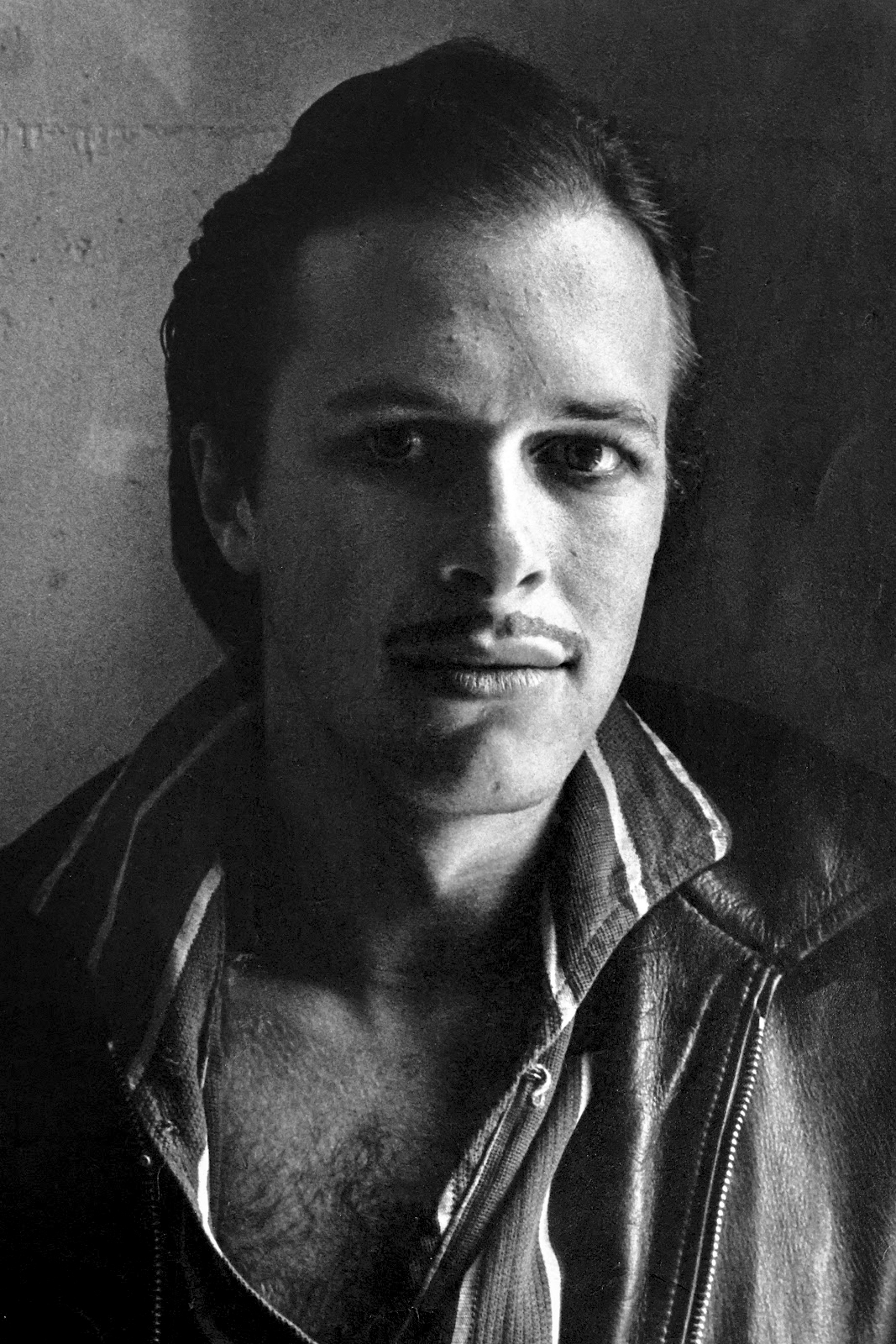
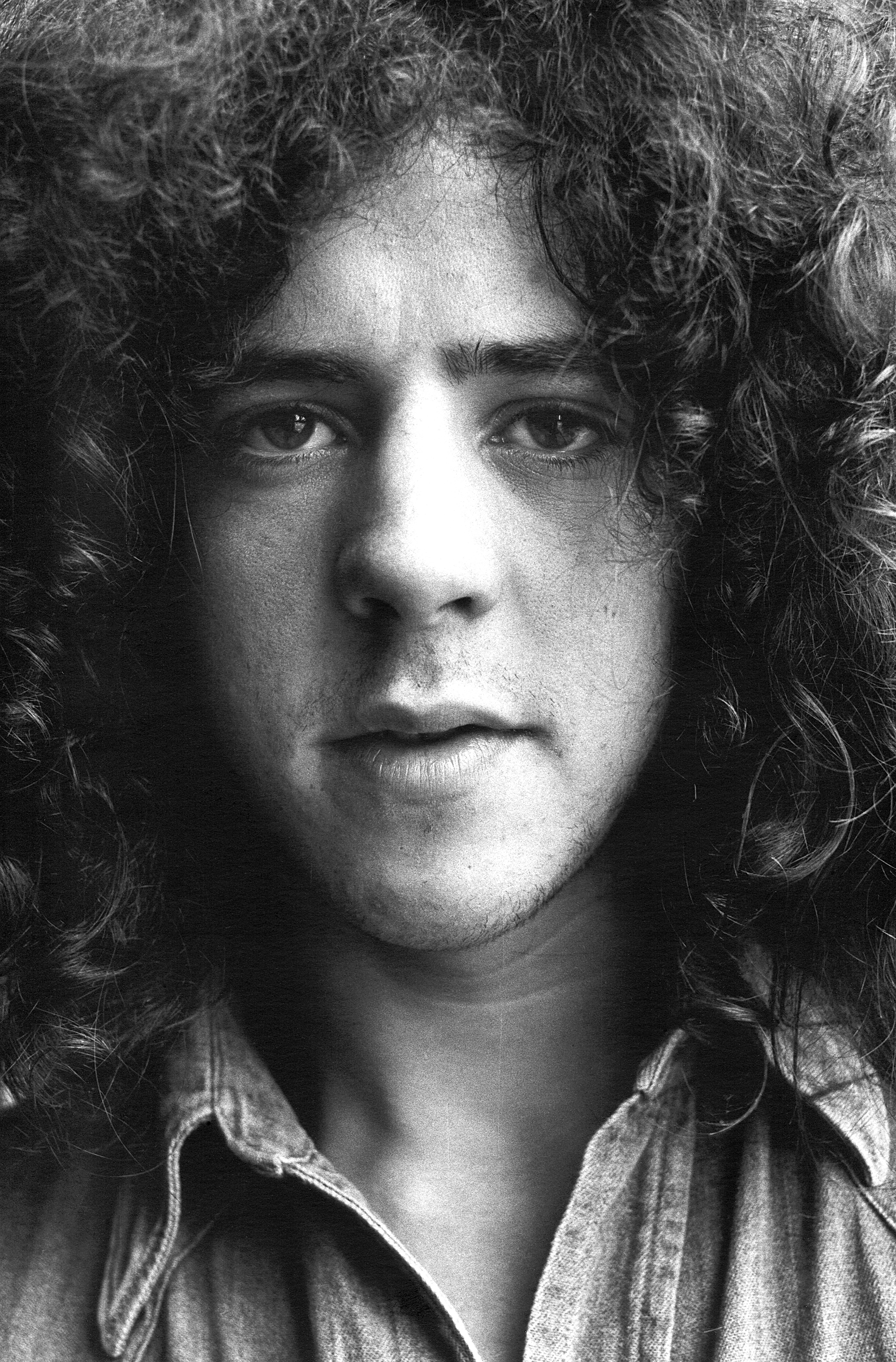
Andrew Wittner remembers:
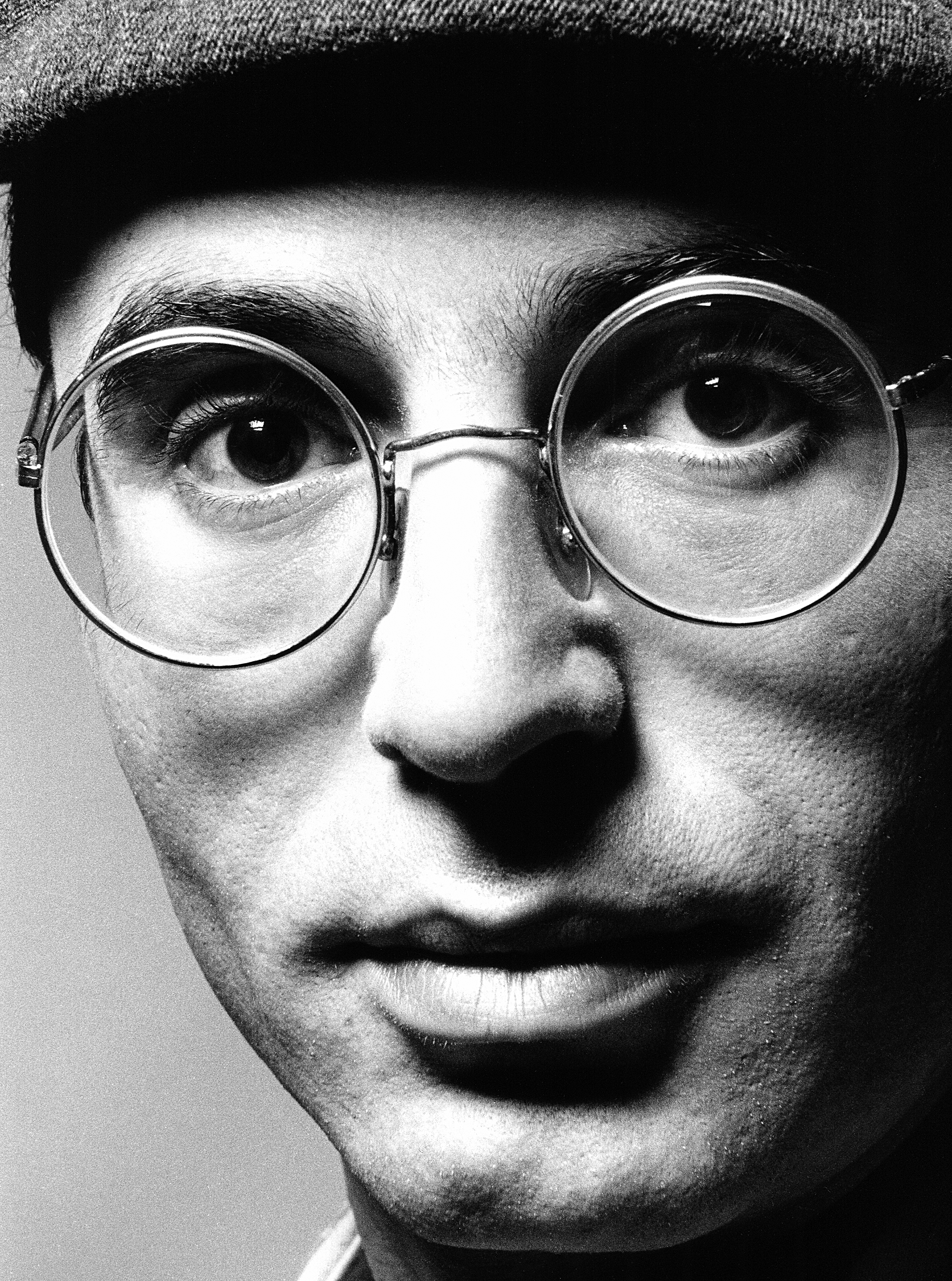
‘One day I was collared in the A Level stairwell by classmate Jacqui Mitelman who was armed with her 35mm reflex. She pushed me up against the wall and informed me that she was going to photograph me. She told me to remain motionless until she’d finished with me. She gave me a quick hairdo and then took a cosmetic pen of some sort and applied eyeliner, eyebrow darkening, and a very natty moustache. Then she took one (or was it two?) shot/s and she was done. It has since taken me fifty years to grow a real moustache that’s half this good.’
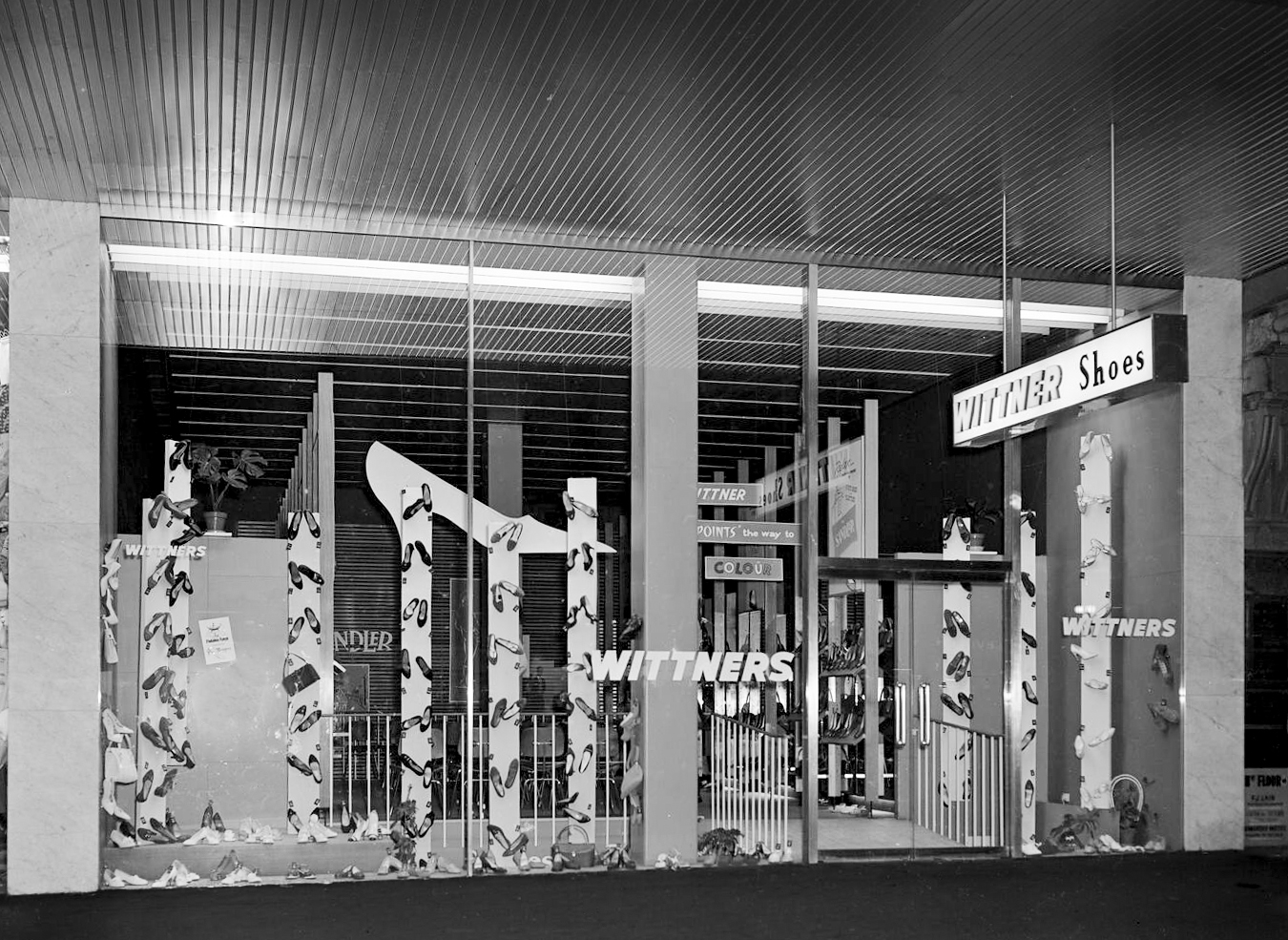
Andrew was born in 1955 to Jewish Australian parents. For 25 years his father managed the Wittner shoe business founded by Andrew’s paternal grandfather, Hyman Wittner. Andrew’s father’s younger brother David Wittner AM, died at sea several years ago and their older sister Lady Anna Cowen (née Wittner), also now deceased, was the wife of Sir Zelman Cowen, Australia’s 19th Governor General in the years 1977-82.
Andrew’s father left the family company to freelance, resuscitating and managing others’ failing businesses, before creating and managing his own chain of women’s hairdressing salons and an associated product import and distribution business. Andrew comments that such successful business skills were not one of his inheritances. A Melbourne boy he has:
‘…remained here all my life, other than a few years spent traveling and working overseas in my twenties after completing my Diploma of Art & Design, Photography, at Prahran College of Advanced Education. I’ve always wanted to live in Sydney but never have. Today I live in Heathmont 3135 in a new house which incorporates a daylight photographic studio room and a print darkroom; I’m well set up here and intend to stay.’
In his youth Andrew’s father moved him frequently between schools, always finding fault with them, which it resulted in him becoming young for his class;
‘I was good at Art and English subjects and very poor at Mathematics and Languages and was generally considered to be a poor academic, and at 14 I was finally expelled from a private boys school (it was the same school my father had been expelled from, in his youth, for stealing a teacher’s car) for insolence to the Headmaster during an extended argument over haircuts, and I was transferred to the Swinburne Technical School in Hawthorn where I completed my 5th Form Leaving Certificate, surrounded by pretty girls whilst studying an interesting selection of Art subjects including painting, drawing, technical drawing, industrial design, and my favourite, silk-screen.’
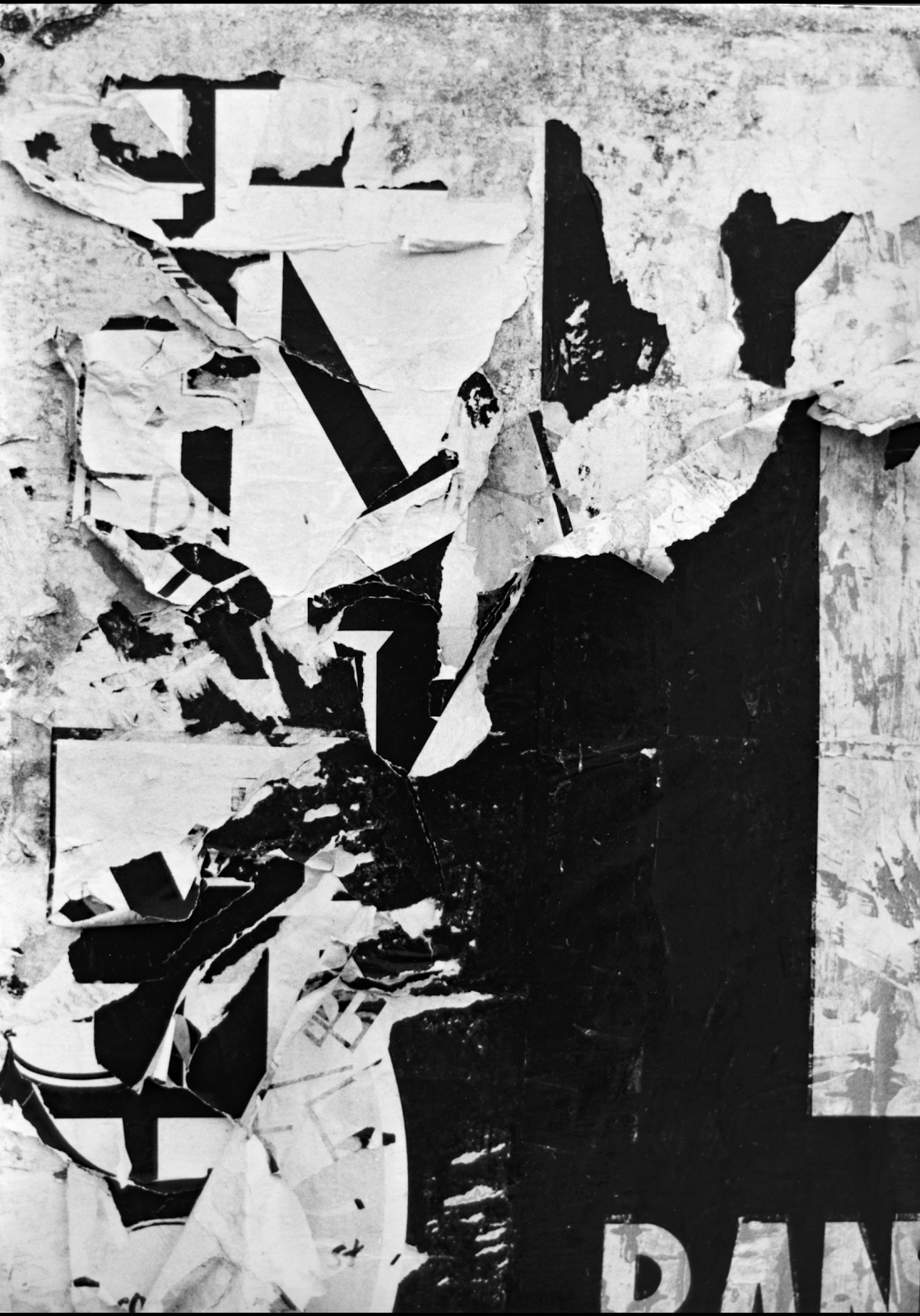
‘For the following year, being my 6th Form Matriculation, after viewing a groovy looking promotional handbook, I applied for entry into the Art & Design course at the Prahran College of Advanced Education in High Street Prahran. I didn’t have an entry portfolio and instead sat for an entrance exam which comprised exercises in cut-and-paste composition, and real-life and imagined pencil drawing. Following this test I was accepted into the Art & Design School’s Preliminary Year which incorporated Higher School Certificate Matriculation subjects and I completed the year successfully.
In the following year, in selecting a major Art subject for the 3-year Diploma of Art & Design, he originally chose Printmaking, but due to an interest in cameras and some familiarity with the photographic process he ultimately chose a Photography Major and in 1973 was accepted into First Year Photography under lecturers Athol Shmith, Paul Cox, Bryan Gracey, Derrick Lee and technician Andy Lyell.
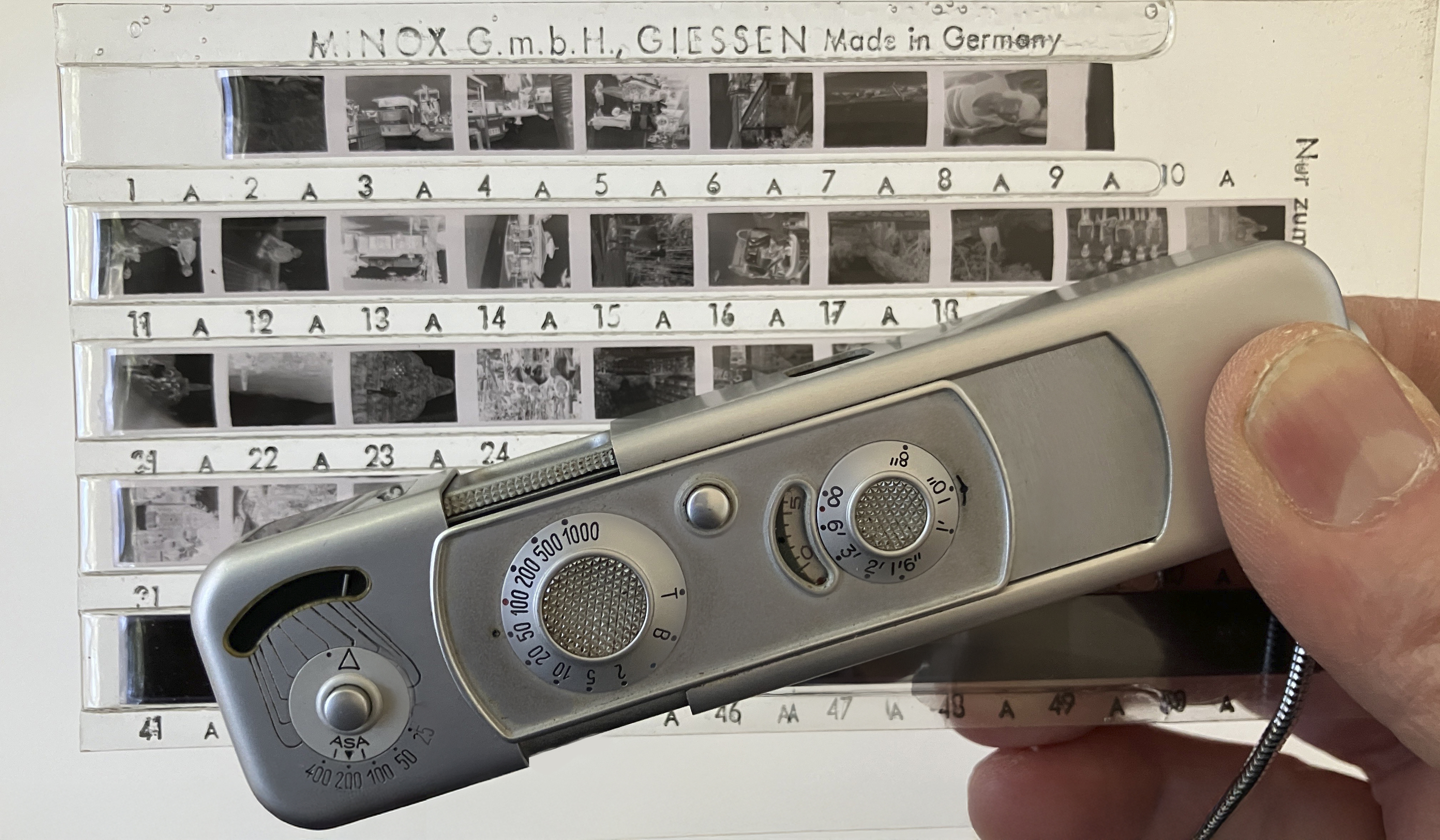
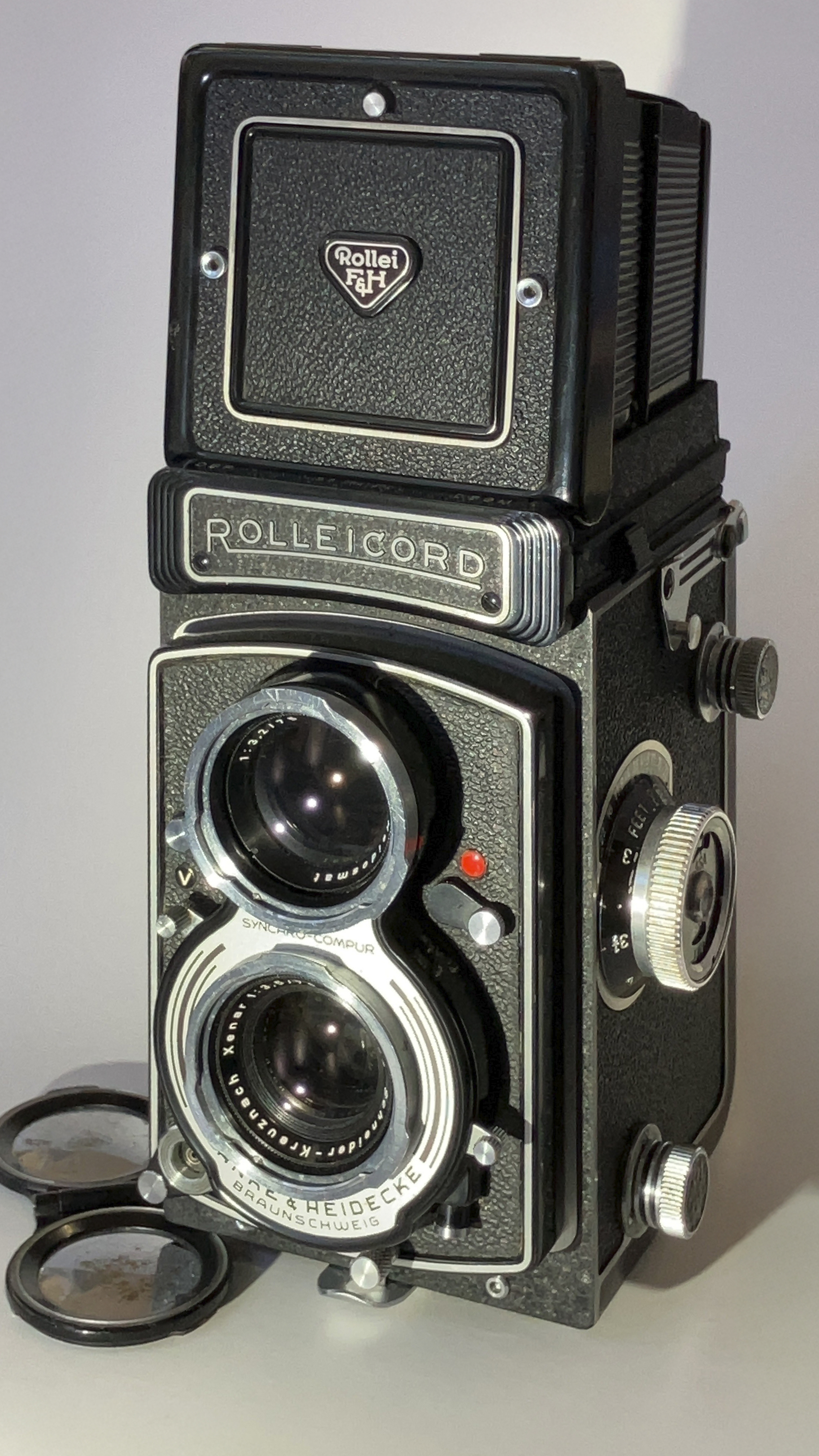 ‘I’d started photography a few years earlier as a teenager using two disused family cameras: my grandfather’s Rolleicord 6×6 TLR and my father’s Minox B 8×11 mm subminiature. I was also shooting short colour clips using my father’s 8mm Bell & Howell movie camera.
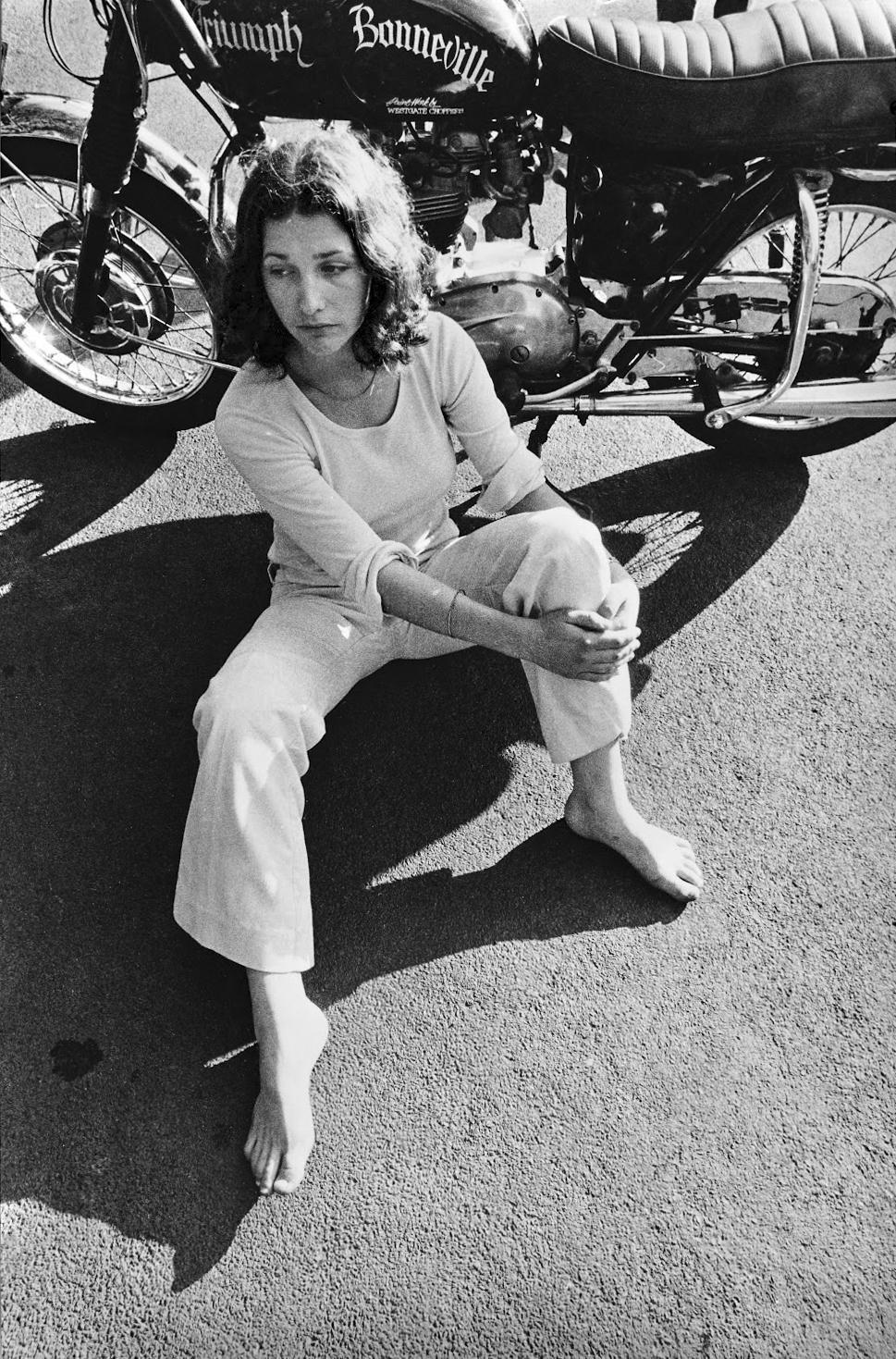
‘At one point my divorced mother’s boyfriend was pleased to lend me his brand new Nikon FTN kit with no fewer than 5 Nikkor lenses, and I remember asking him whether, on a roll of 35mm film, the frames were already segmented and simply required filling with an image. He was clearly obsessed with my mother, and I was lucky enough to find a girlfriend who would pose for several rolls of photographs at various locations around Melbourne.
Later when starting at Prahran, and partly as a birthday gift, Andrew’s father bought him a new Nikkormat FTN 35mm SLR for which he chose a Nikkor 85/1.8 lens.
‘In 2nd Year I bought Paul Cox’s Rolleicord from him, a good camera, with which these photos were taken. Many years later I sold that camera, but wish I’d kept it!’
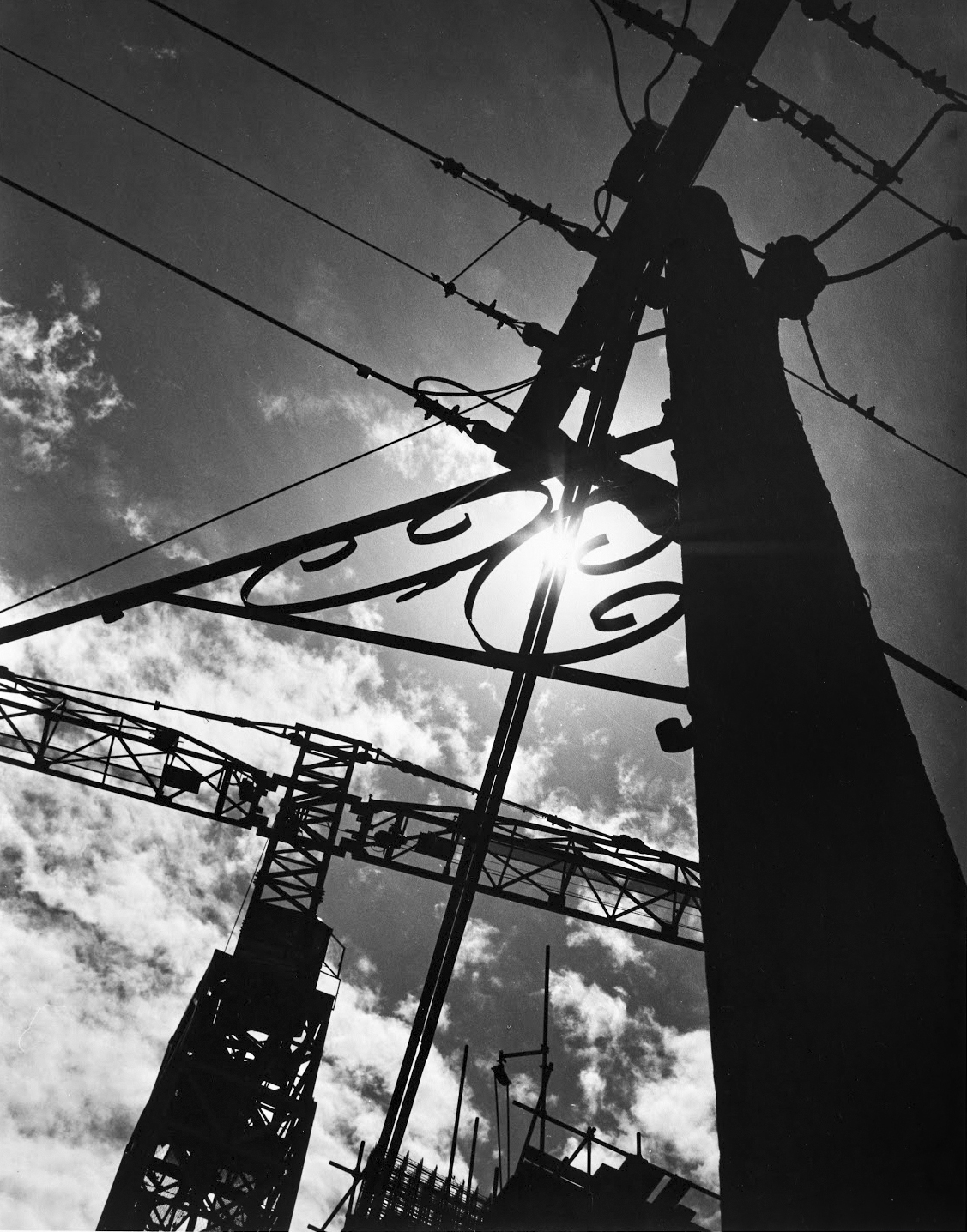
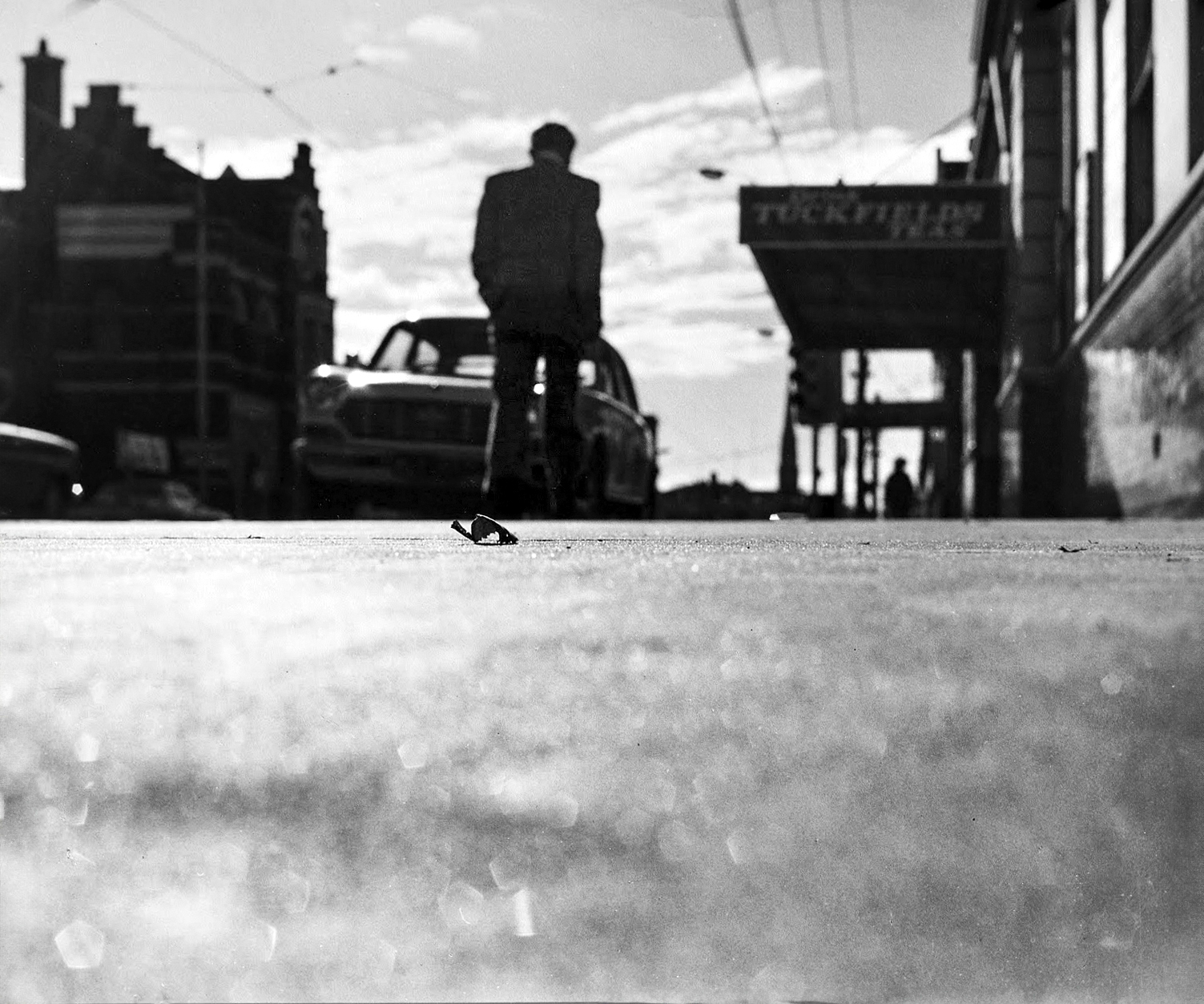
As a teenager Andrew taught himself how to process my b&w films at the kitchen sink and how to contact print them in a darkroom set up under the house.
‘My first enlarger was my father’s 35mm slide projector which I used to enlarge my Minox negatives to a blurry postcard size; it had a very bright lamp and a full-aperture lens and I remember controlling my enlargements’ exposures by quickly switching on and off the projector’s mains power switch at the wall socket.
Neither of his parents were productive photographers…
‘…even though we always had good cameras in the house, I’m disappointed by how few surviving pictures there are of me as a child, compared to how many photos I have since made of my own two children. My mother, and her mother, were both artistically gifted, and could paint and draw, and I inherited my artistic genes from them.’
Initially his photographs were for part of a creative and social activity:
‘on weekends I would go out ‘shooting’ with a friend of mine who was similarly interested in investigating DIY black & white photography. Back then photography was an obscure technical activity, a bit like working on old cars, and I learned by experiment and by listening to people in camera stores and pharmacies, the latter being the places where one would drop off one’s b&w films for developing and printing by labs such as Kodak’s at Coburg.
He discovered the artistic side of photography by studying copies of Leica magazine in the school library and American and British photographic publications.
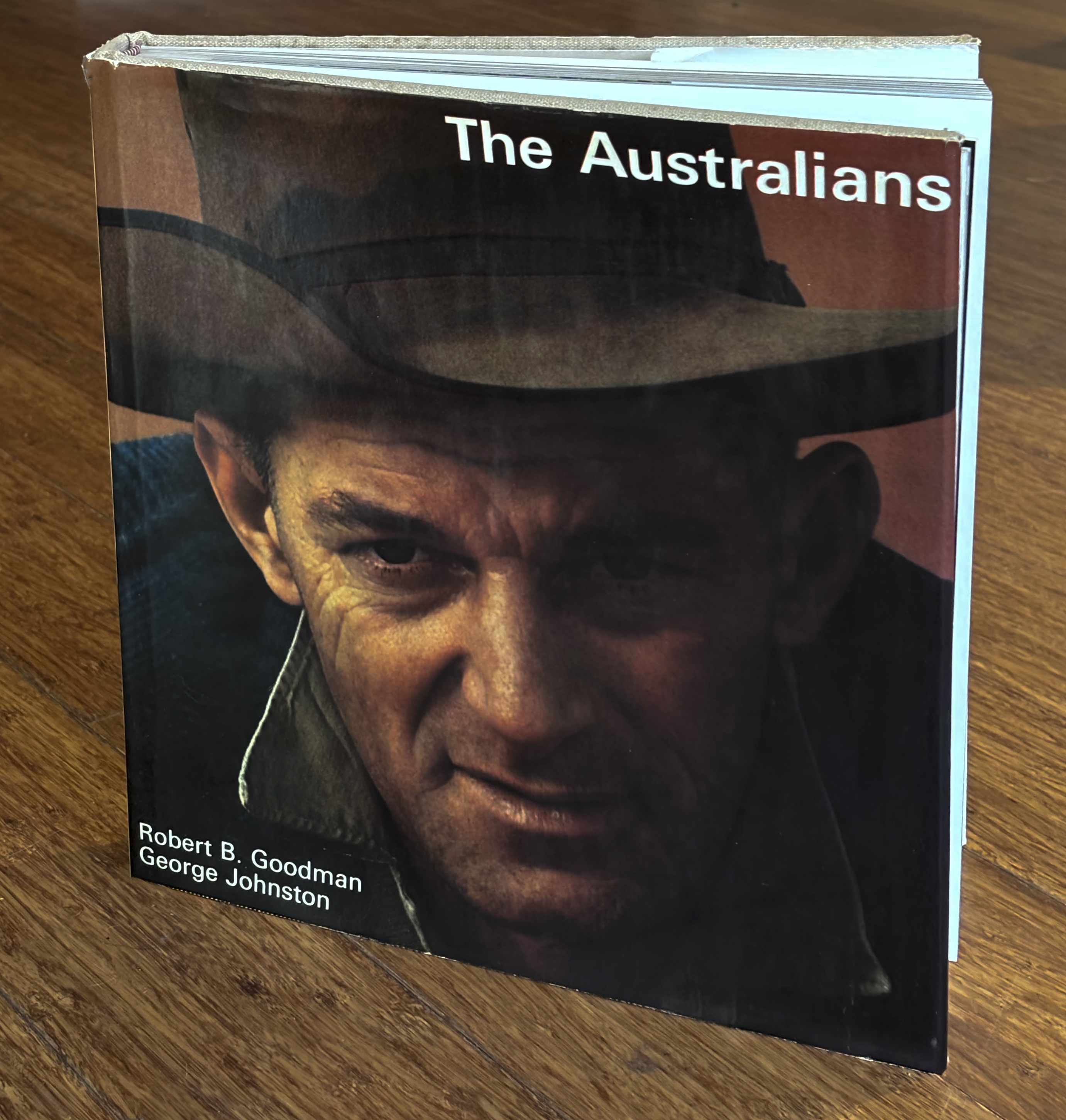
‘I remember being impressed by Robert Goodman’s 1966 publication of The Australians, a comprehensive showcase of 35mm technique, and a friend gave me a magnificent set of beautifully printed set of magazines produced in 1964 by the American Famous Photographers School (not as corny as it sounds) and he also gave me a 1968 copy of the Focal Press’s The Pictorial Cyclopedia of Photography. Early in 1st Year at Prahran I taught myself Ansel Adams’s Zone System and applied it to my 35mm work. On reflection I think the Zone System should have been taught as part of the PCAE photography curriculum as it covered all the basic aspects of black & white film photography and darkroom printing.
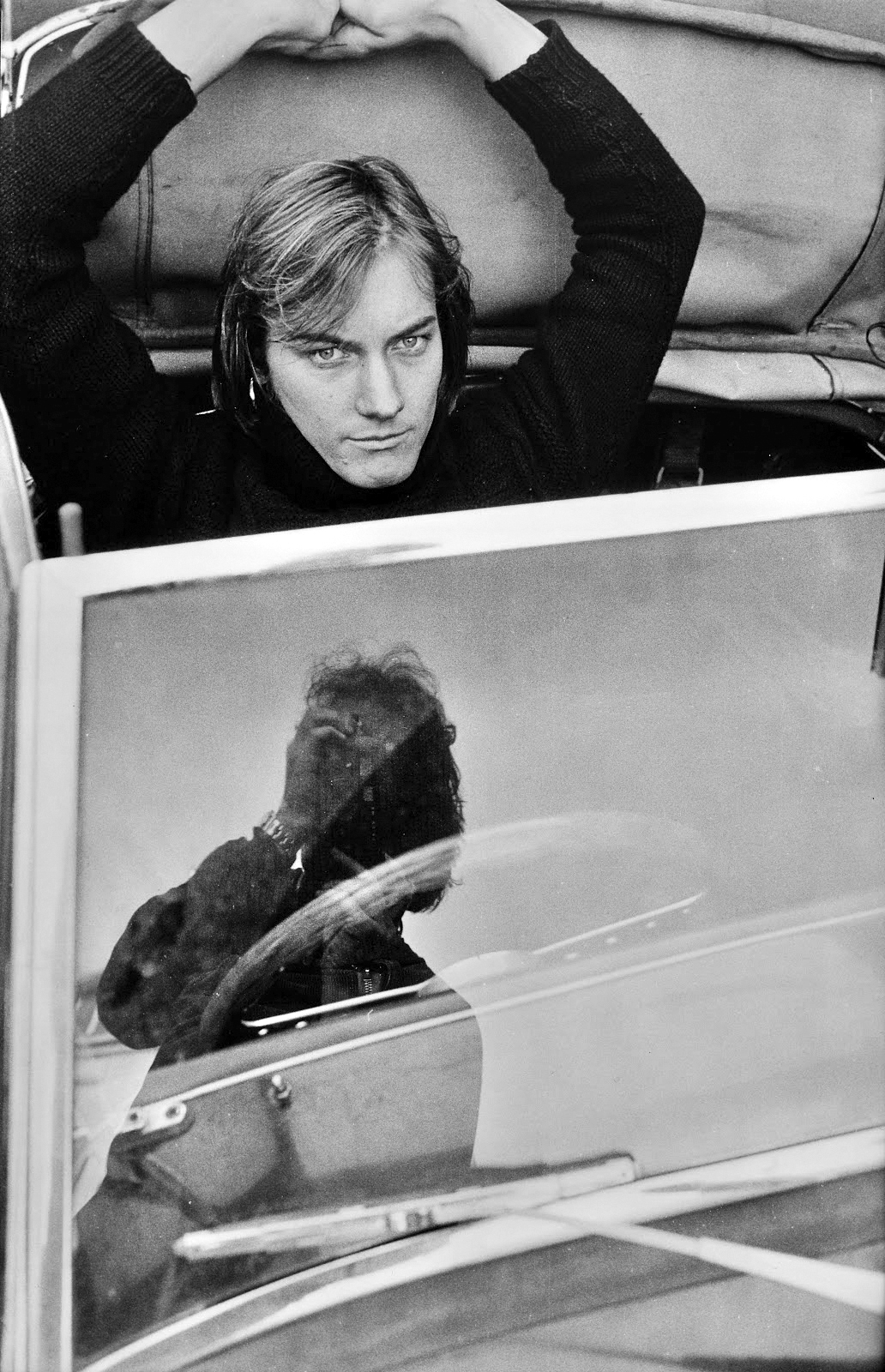
‘Looking back at my years at Prahran I don’t think I developed much in my photographic artistry but by shooting a lot of film I became proficient in the technical side of b&w film photography. I also experimented in the A Level Studio shooting still life subjects using the department’s 4″ x 5” Cambo view camera with its movements. I remember shooting about 100 feet of bulk roll 35mm b&w film almost every week, which seemed to be about what was required in order to produce reasonable biannual portfolios for assessment.
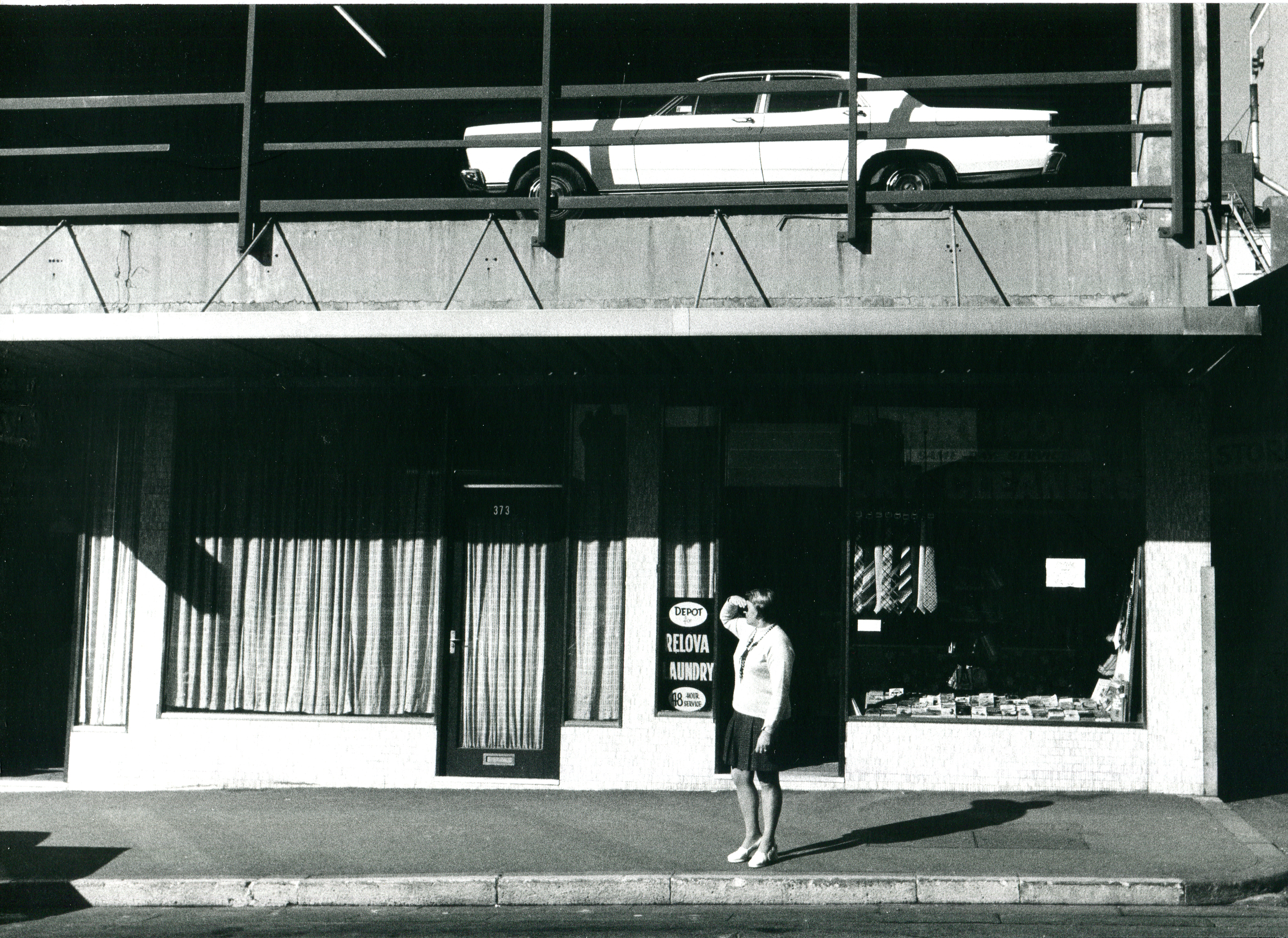
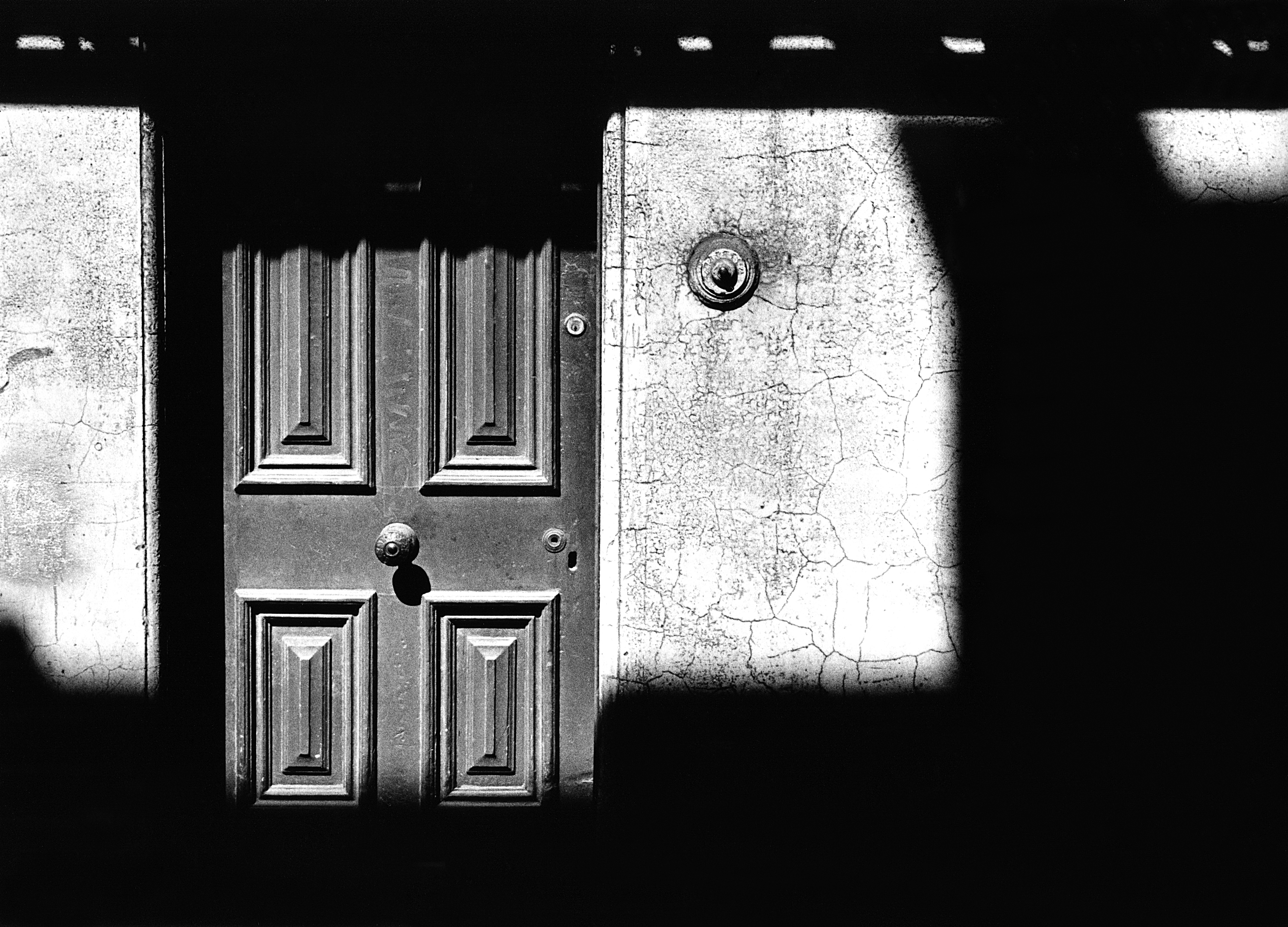
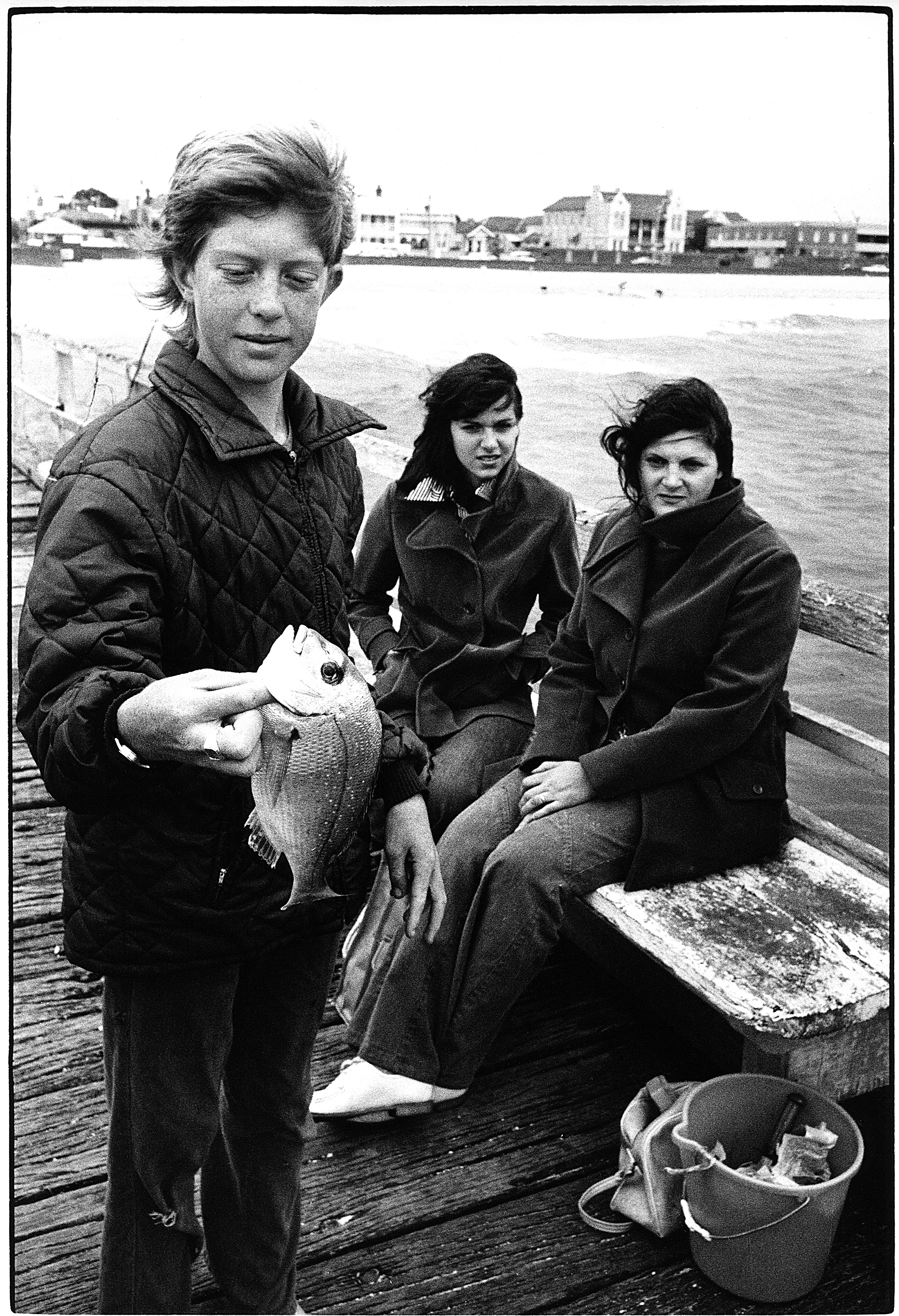
‘I think we were all on the lookout for other students who were lucky enough to snag the occasional ‘good’ or ‘cracker’ shot. You’d pin it up on the pinboard in the main corridor of A Level for everyone else to enviously admire. These were rare birds: standards were actually very high even though most of us were inexperienced amateurs.

‘I can still remember two of these images, both black & white: one of them a very elegant tiny print of a flock of white birds winging their way across the curvaceous black cavity of the Myer Music Bowl; and the other a group of tree trunks shot by Euan McGillivray using a Nikon with a 200 mm lens.’

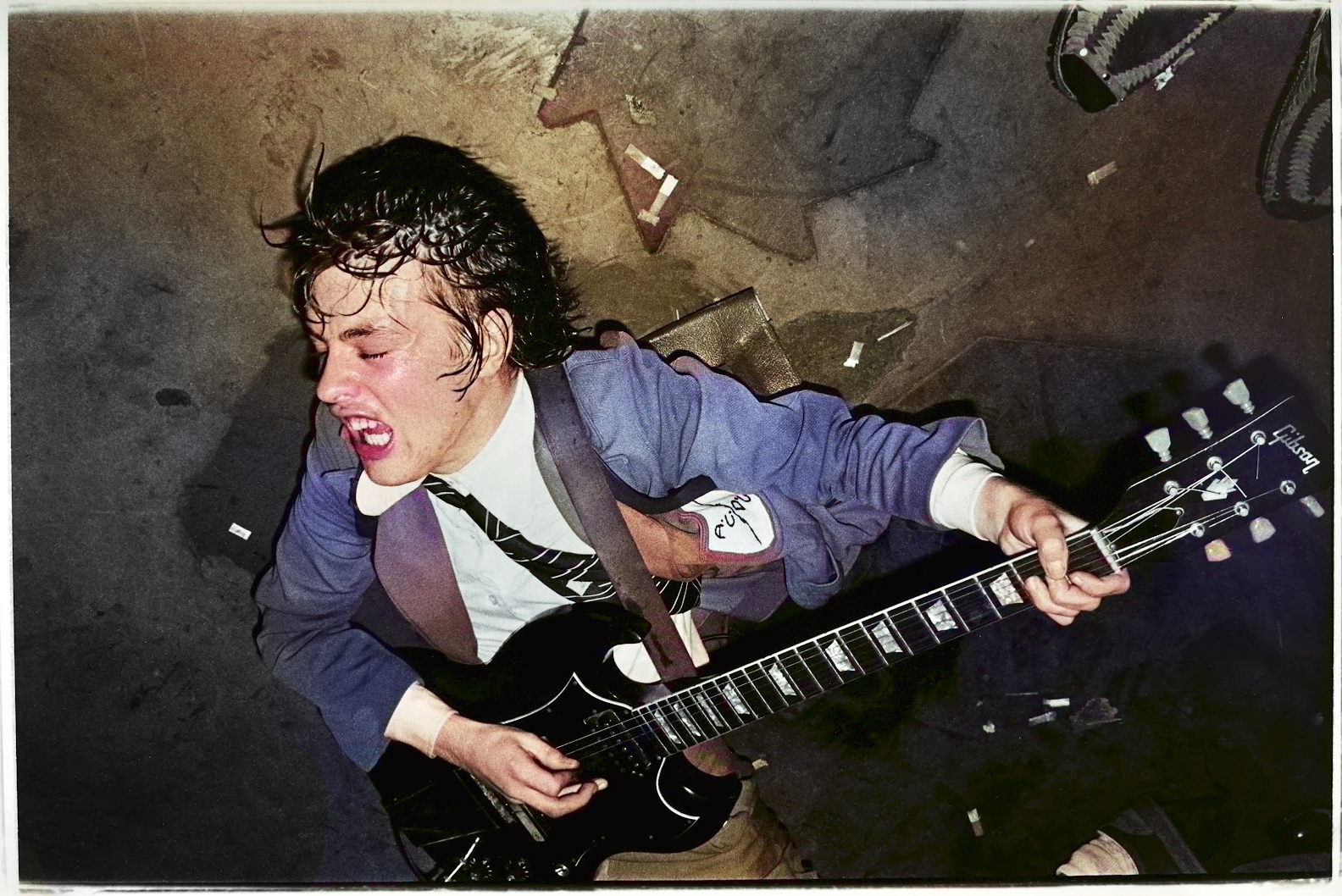
‘I also remember seeing some small, very fine, very atmospheric looking colour prints of ballerinas by Bill Henson. For my own interest at night and on weekends I photographed rock bands in local pubs and had some success in getting some good early shots of AC/DC, of whom I knew little.

Like many at Prahran Andrew remembers looking at publications by Americans including Ralph Gibson’s The Somnambulist; Robert Frank’s The Americans; Jerry N. Uelsmann’s multi-negative creations; Duane Michal’s clever sequences; Bill Jay’s book Views on Nudes; also Helmut Newton’s and Richard Avedon’s fashion work in Vogue.
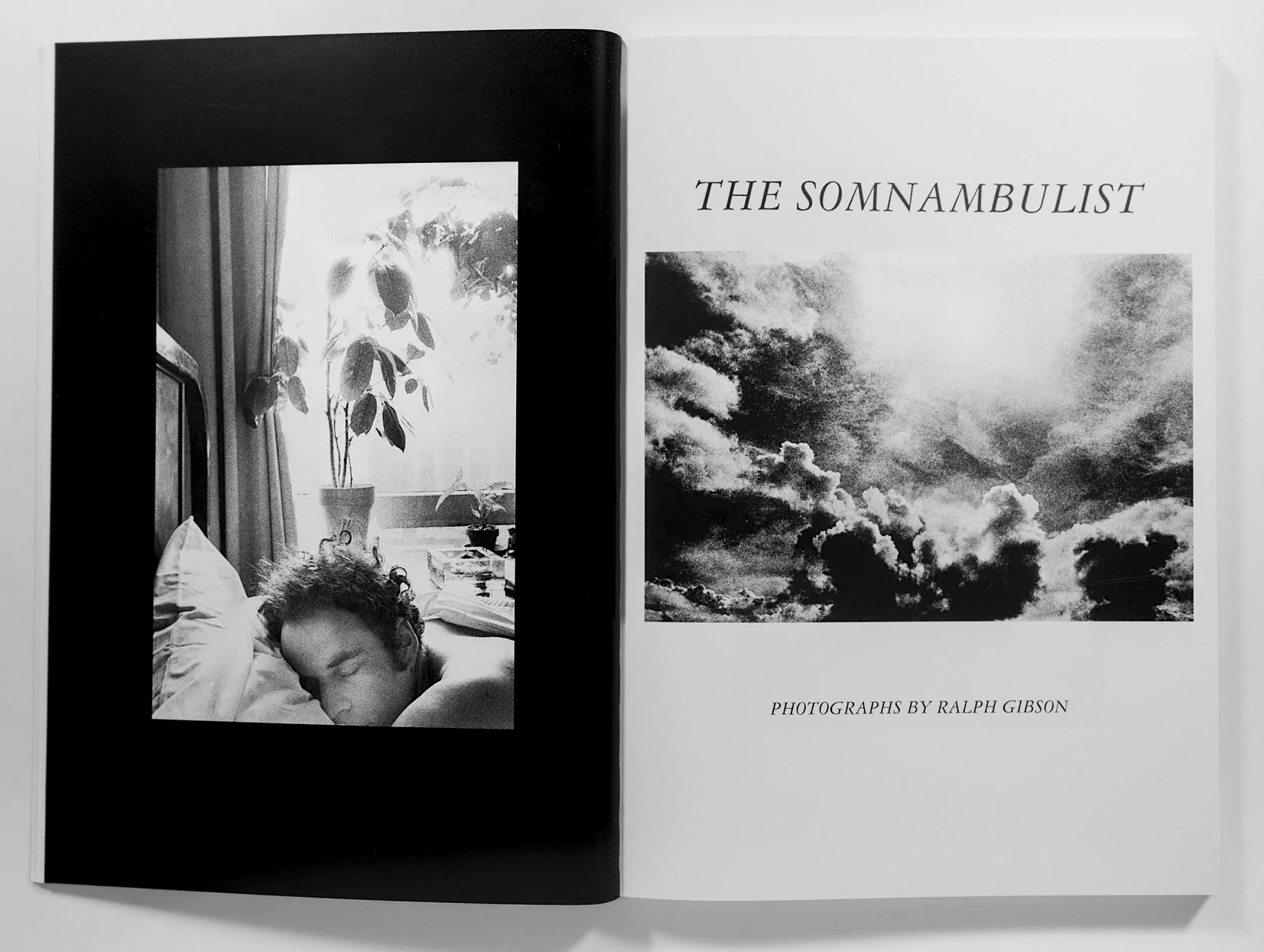
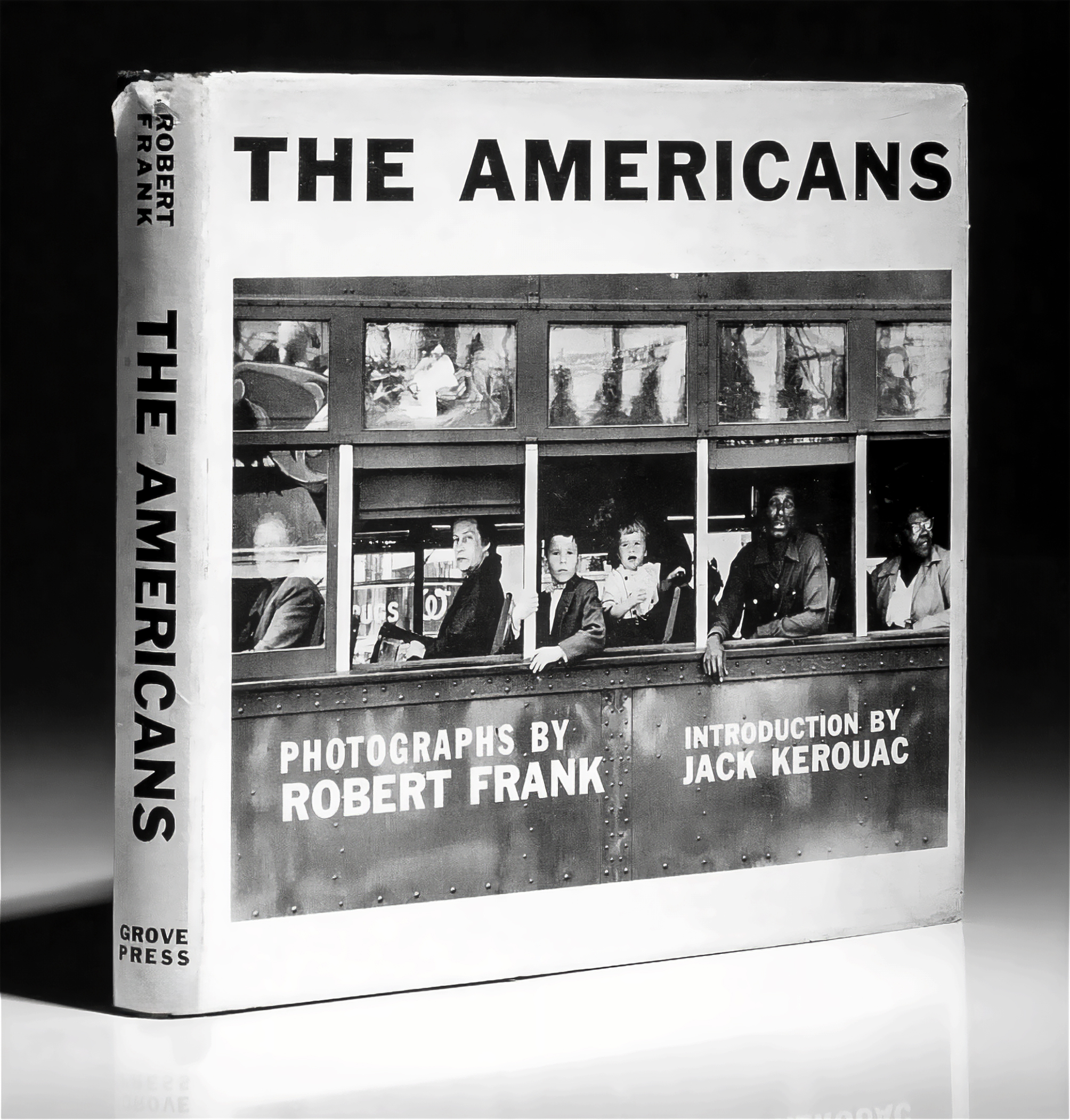
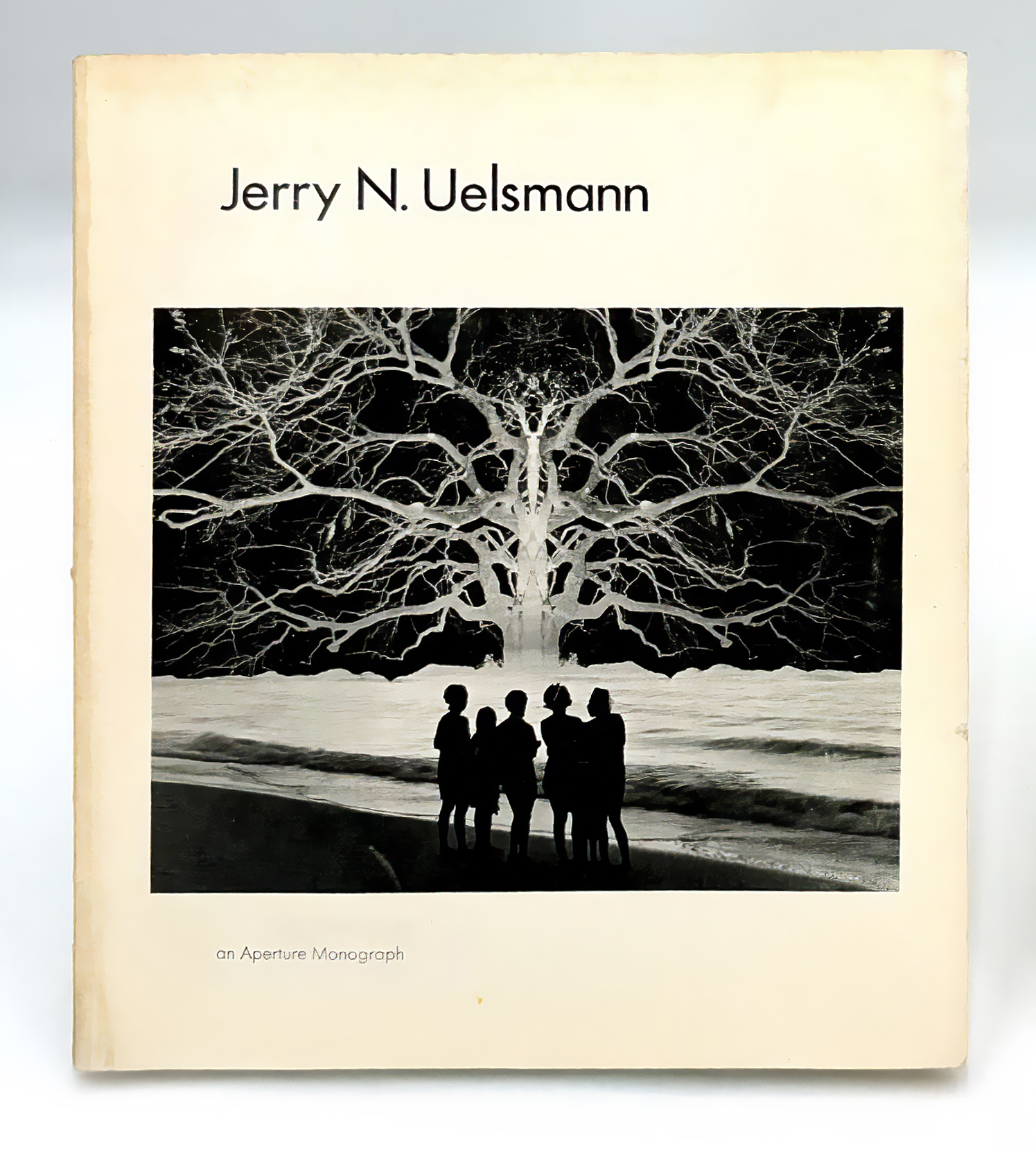
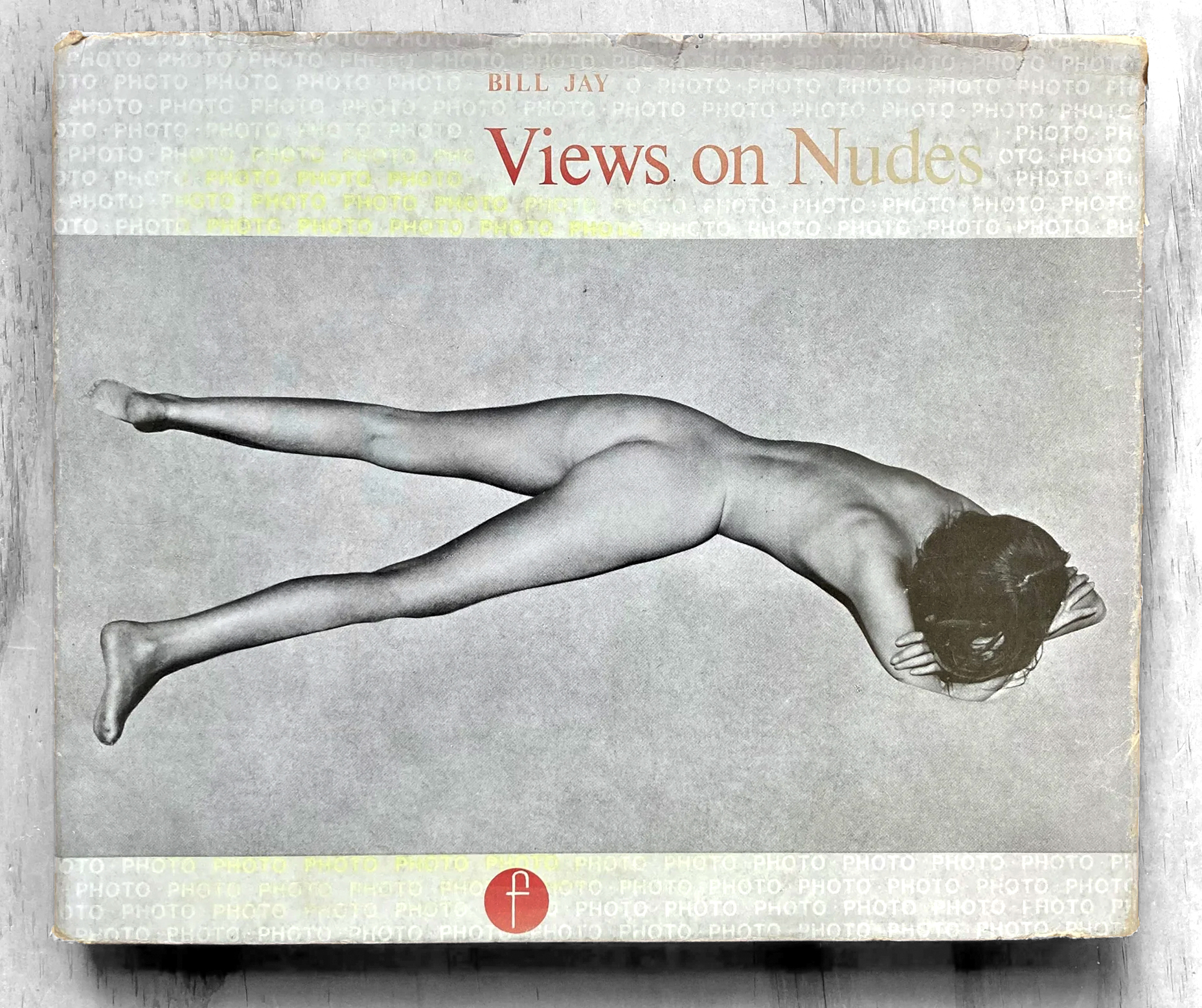
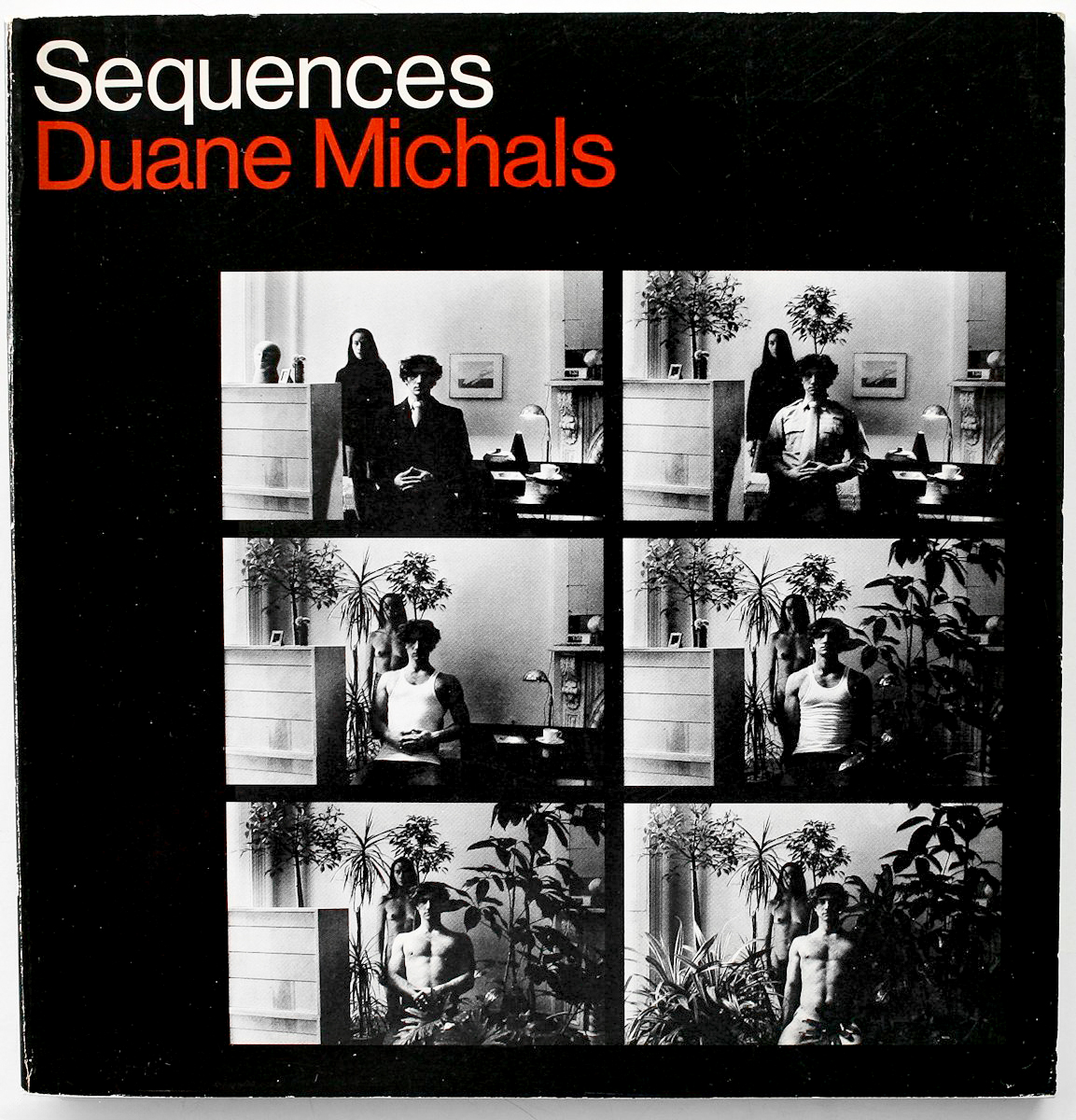
Most of what was available in books was black-and-white, but Andrew was impressed with the colour photography of Ernst Haas’ 35mm Kodachrome-print book The Creation.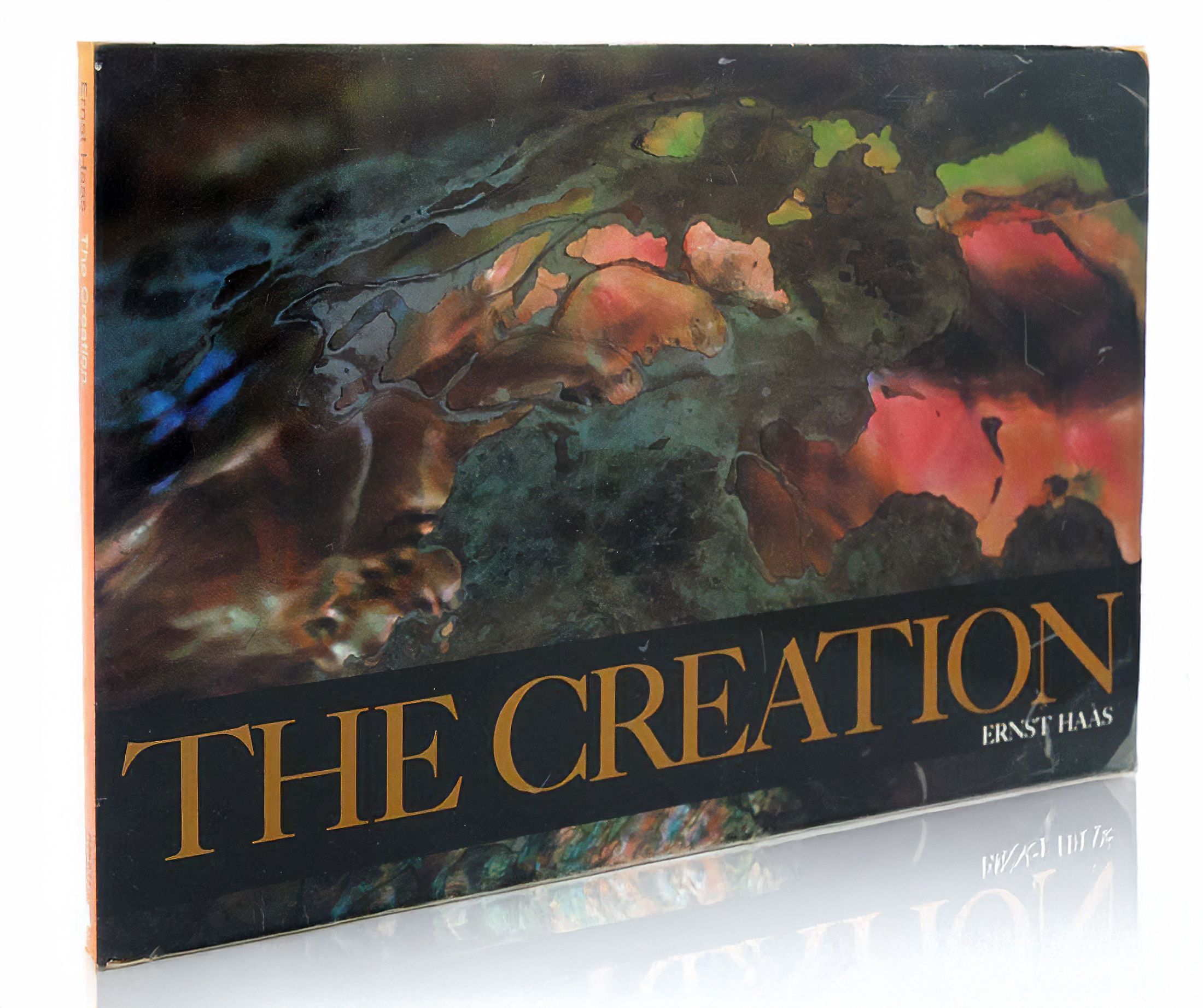
Ernst Haas (1971) The Creation. New York: The Viking Press.
‘Back then photography was very much a print medium, something which, with the rise of digital photography and the internet, it isn’t today, and for me the photographic print — whether as an original darkroom print or as a halftone reproduction in a book or magazine — remains as my idea of ‘Photography’, and for me the photographic print is especially reminiscent of and intrinsic to the Prahran era. This photo was taken back in the days when we males had hair on our heads, smoked cigarettes inside classrooms, and listened to records on turntables.’

‘I don’t remember there being that many lectures. I do recall that Athol was technical and innovative; he explained view camera movements and how the then-new ‘Blu-Tac’ was excellent for cleaning his artistically diffusing nose grease from the front and rear elements of his portrait lenses. He showed us how copy lighting could be assessed for its evenness by comparing the density of shadows cast by a pencil held with its point against the artwork, and he demonstrated that screened half-tone black & white photographic reproductions, such as in books and magazines, could be rephotographed perfectly well using high contrast black & white lith film, thus simply recording the variously sized halftone dots themselves. Athol had been involved in the operation of photo-finish racetrack cameras and I remember him telling me how, in his quest for quicker on-track film processing, he’d flush-wash his films in the racetrack’s toilet bowls.
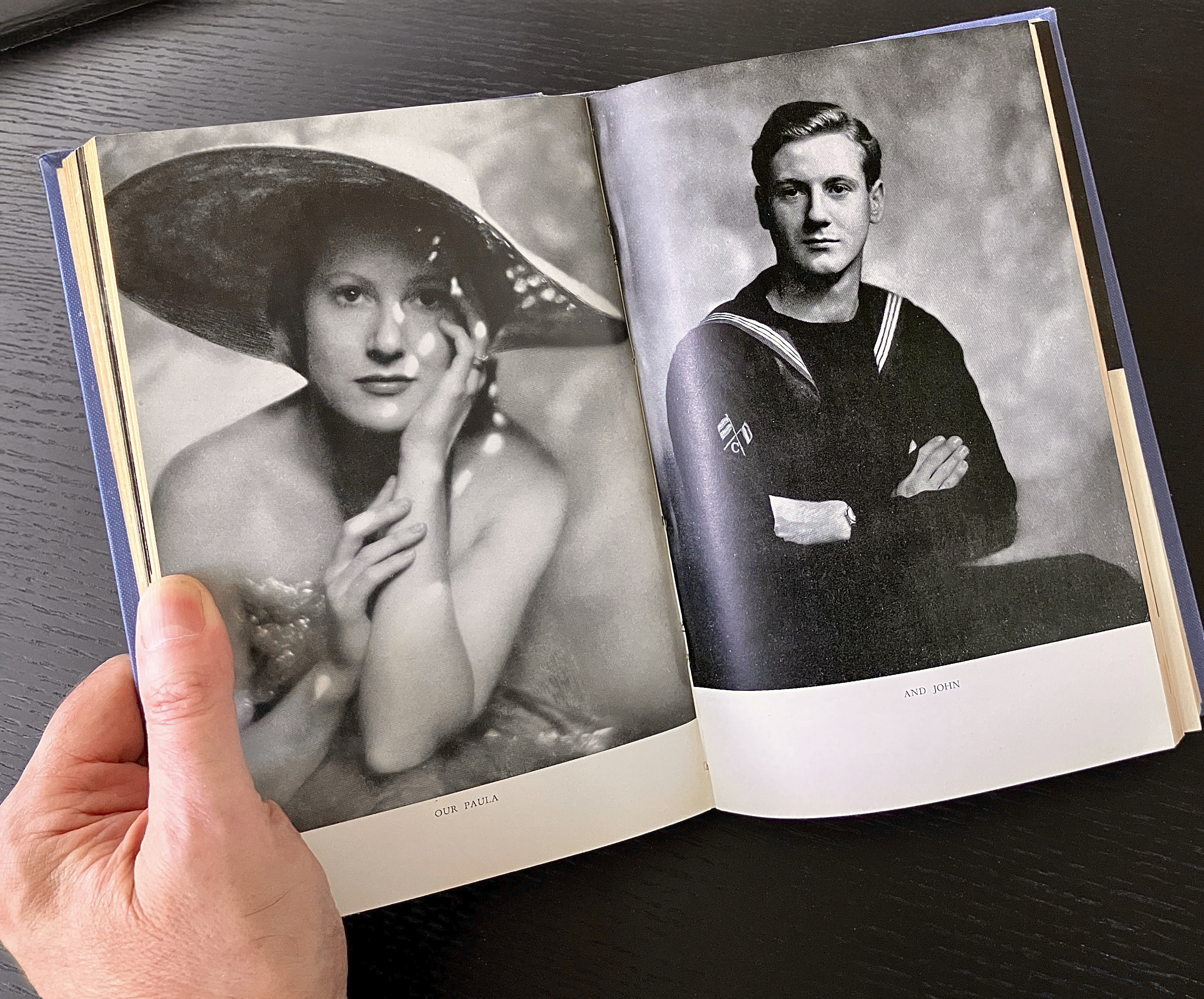
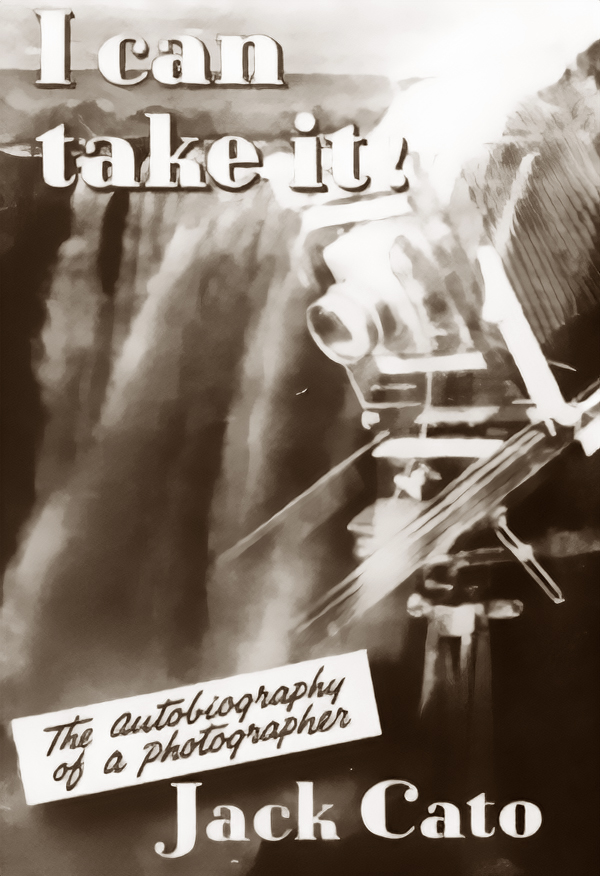
‘John Cato, who at the time of his first lectures to us had just begun his own study in a painting class, discussed with us visual design principles which could be applied to both photography and to other picture-making media. John was a thinker, like his father Jack, the latter who published an excellent book in 1947 of his photographic observations called I Can Take It; a very interesting read especially if you’re interested in portraiture. John explained why it’s better to give continuous agitation when developing black & white film (it gives a more even result) which is something I have always done since.
‘Bryan Gracey gave technical discourse on things like the effects of different b&w film developers on film grain, and showed us how to assess colour print balance and filtration.
‘Derrick Lee established himself as an expert conjurer-magician and also as a very competent commercial-grade photographer, something which seemed out of place in an environment dedicated to the development of more artistic, non-applied work.
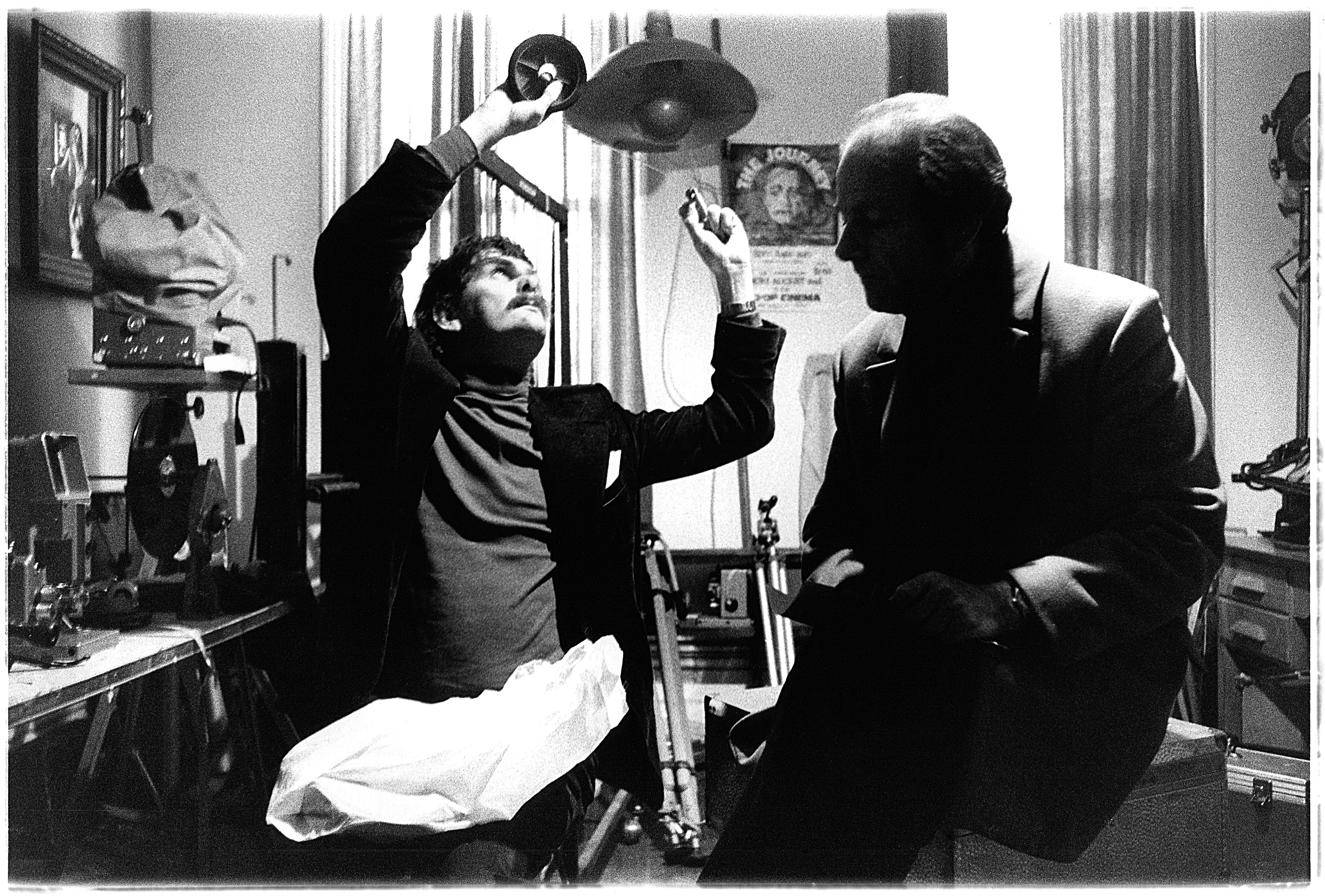
‘Paul Cox introduced European photographers and their work, many of them being black & white practitioners, and turned everything he touched and spoke about into Art.
‘Andy Lyell was the undisputed master of reprographics — copy photography — and knew lith film and developer as if he’d been eating and drinking it all day. He was in charge of the enlarging lenses and would occasionally surprise me with free handouts of spare photographic paper.
‘I generally hated our photographic assignments, and looking back on them now I realize that a bit more thinking before shooting might have been a good idea. The assignments were in fact quite simple and it would be interesting to return to them again now, although producing ‘Art’ on demand is never easy.’

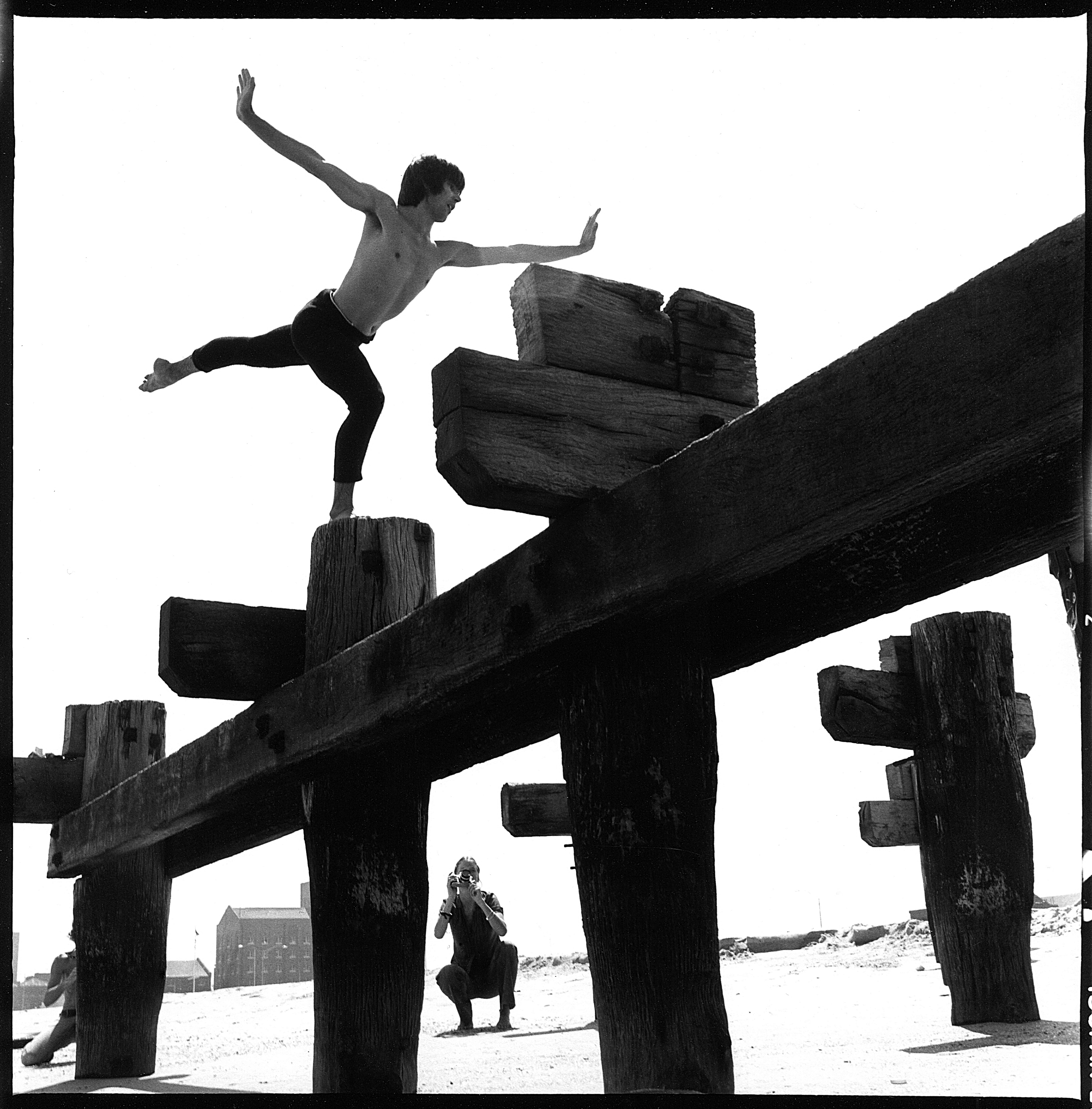
‘One of my more successful assignment results was achieved in a nude photo shoot (the model was nude, not myself !) organised by Athol Shmith with model Sue Budds, which took place one morning just outside the back door of A Level. We were each given 15 minutes with totally nude Sue and somehow in desperation I orchestrated a couple of what I now think are interesting shots, shown here. I took these photos using my father’s new/old vintage Leica lllf camera fitted with a winky little Elmar 50mm f3.5 lens, the type of equipment I have now come back to in my retirement.’

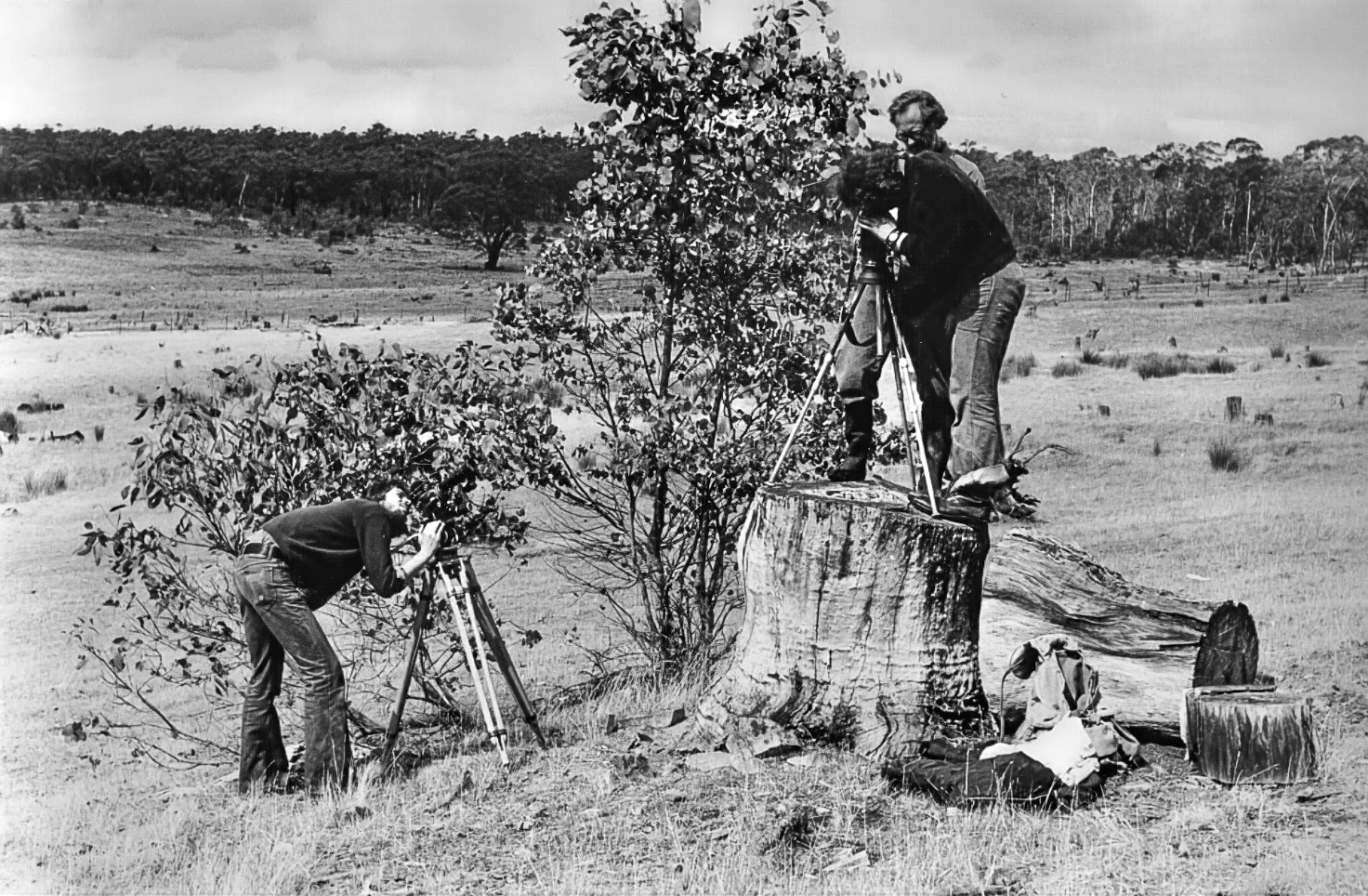
Other tutored exercises included excursions led by John Cato. Andrew pictures below Steve Lojewski operating a movie camera, and Euan McGillivray standing on the tree trunk with John.
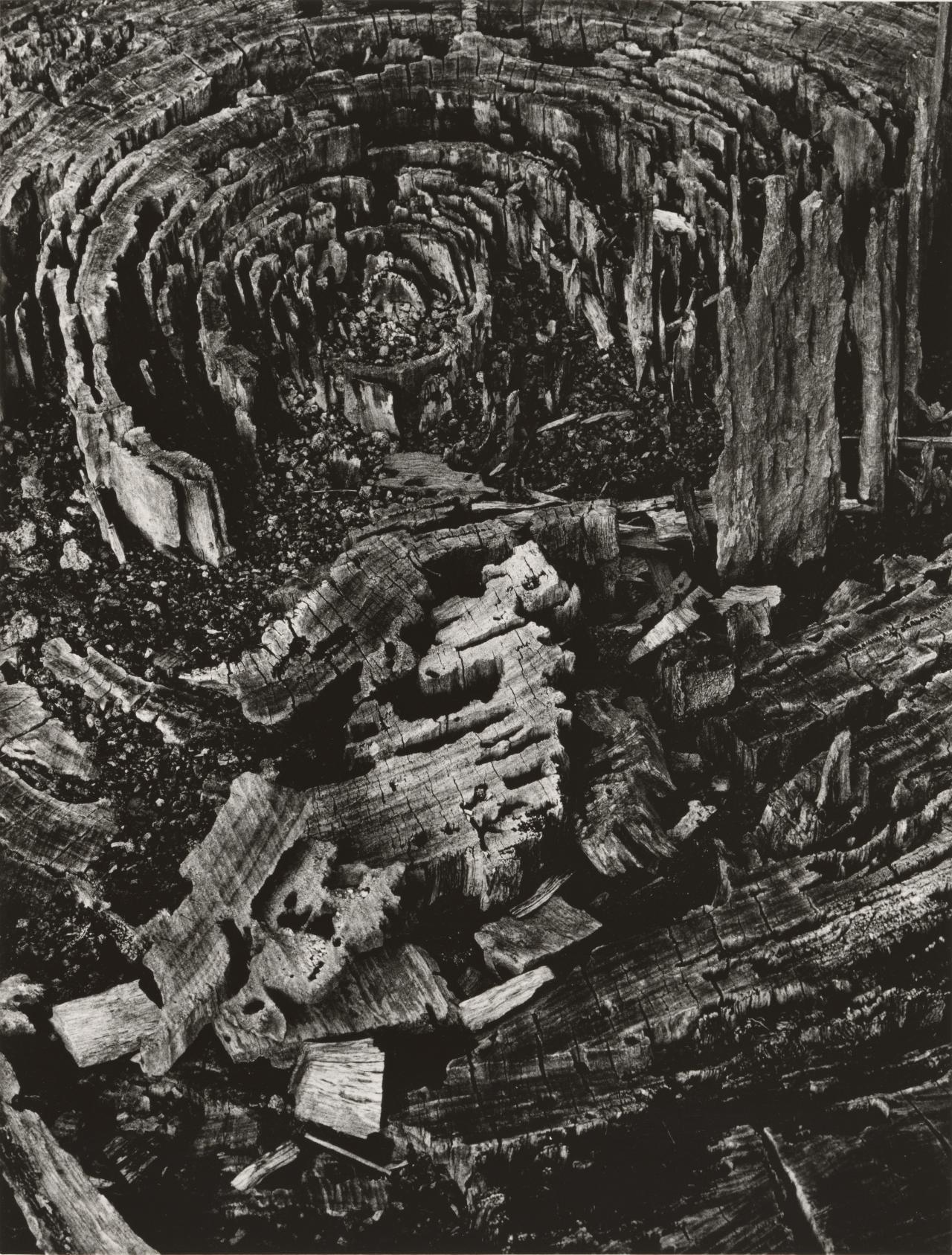
‘At the time John was shooting rugged looking black & white tree photographs using his Mamiya 6×7.’
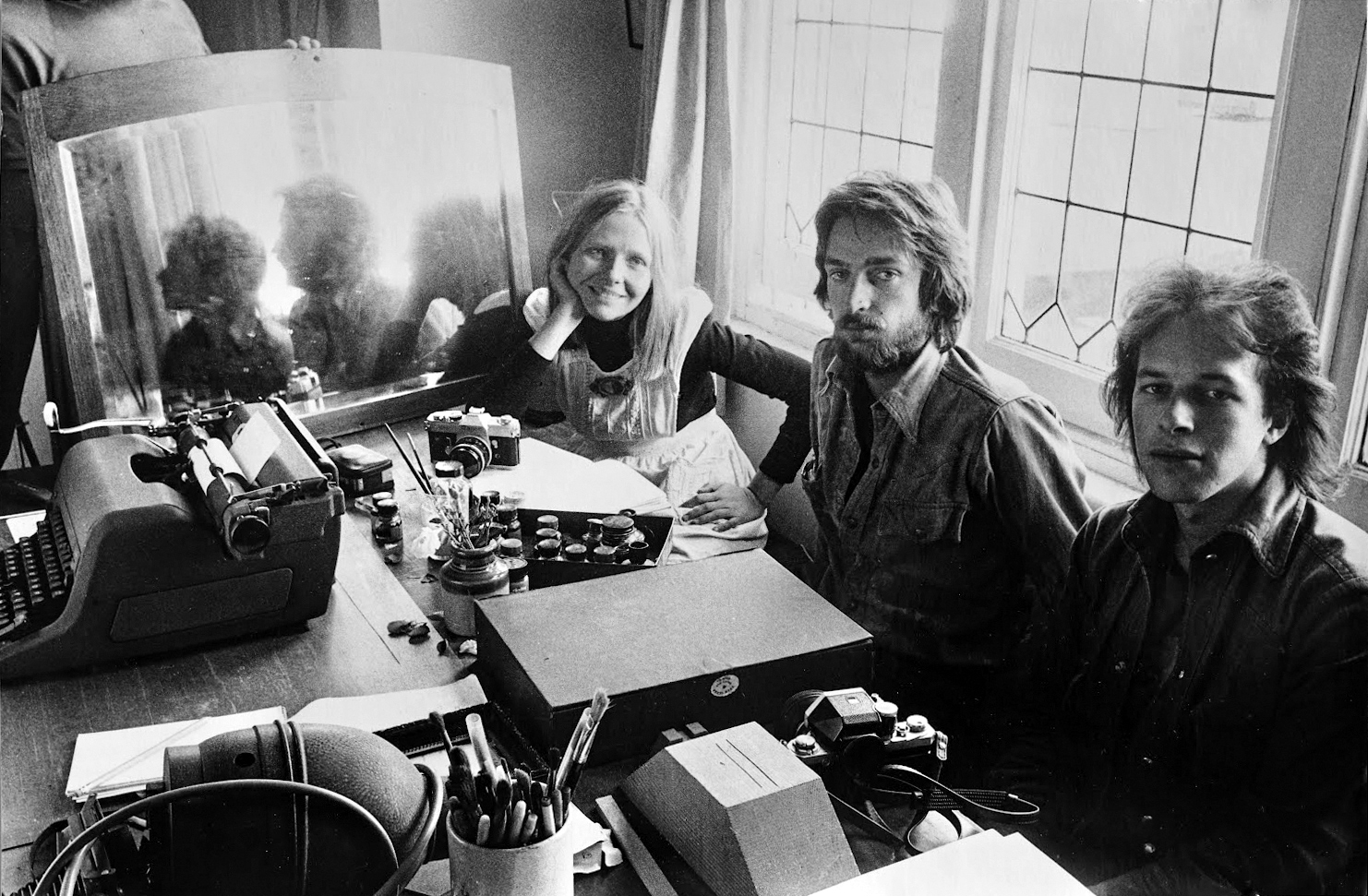
‘In 2nd or 3rd year, thus about 1974, I exhibited at The Photographers Gallery in South Yarra with Steven Lojewski and Peggy Solinski. The pic below (Peggy at left, Steve in the center, myself at right) shows the three of us at the time in conference with the equipment of the day: a typewriter; a couple of mechanical cameras; and part of an enlarger, very nineteen-seventies.
To my surprise I sold my complete set of exhibition prints to John Crook.
According to Susan Hayman Crook was Principal and Founder of Tenaden independent secondary school (1971 – 1980 and now closed) which first operated in the Belgrave Heights Progress Hall before building its own premises in Belgrave South.
I also exhibited in two group shows: one at the Kodak Gallery in Collins Street and, a little later, at Joyce Evans’ Church Street Photographic Centre in Richmond.
‘At Prahran I remember there being a distinct lack, for me at least, of tuition in studio lighting, in particular for portraits, although this was occurring at a time when, for portraiture, clean, simple, instantaneous, powerful studio flash with its single umbrella was coming into vogue and old fashioned tungsten spots and floods – the sort you would use to ‘sculpt’ a sitter’s face – were considered ‘old hat,’ and perhaps justifiably too, given their artificial-looking effect. There was also a lack of tuition and discussion regarding black & white darkroom printmaking and presentation — and this at a time when, in Melbourne, a variety of attractive b&w print papers from Ilford and Agfa were available.
Andrew completed all three years of study but failed the final portfolio…
‘…with a boring set of black & white prints which John Cato was pleased to describe as ‘belly button photography’, and I re-presented in the following year with a much better set of colour Cibachrome A prints which I‘d printed in my home laundry from 35mm Kodachrome transparencies using a black & white enlarger fitted with gel filters, and I achieved my Diploma. Two of these Cibachrome images were purchased by the Philip Morris Collection, and I have since had one of my AC/DC photographs purchased by the NGV. Today, having my Prahran Diploma certificate framed and hanging on my wall in my studio lends a certain amount of credibility to the environs and makes me feel as if I’m a doctor or a lawyer but without all the money. It’s actually a very nicely designed Diploma certificate when you compare it to most others.
After graduating, Andrew worked as an assistant in an audiovisual production company in St.Kilda Rd., and then lived in London for a few years:
‘I tried to get work there in the advertising industry as an Art Director but was instead enlisted as a copywriter. After completing Prahran I should have completed a Diploma of Education but didn’t, and so I never became professionally involved in photographic education, which I have always regretted.
Returning to Melbourne he found it impossible to re-enter advertising, and worked for Kayell Photographics camera store in Coventry Street, South Melbourne:
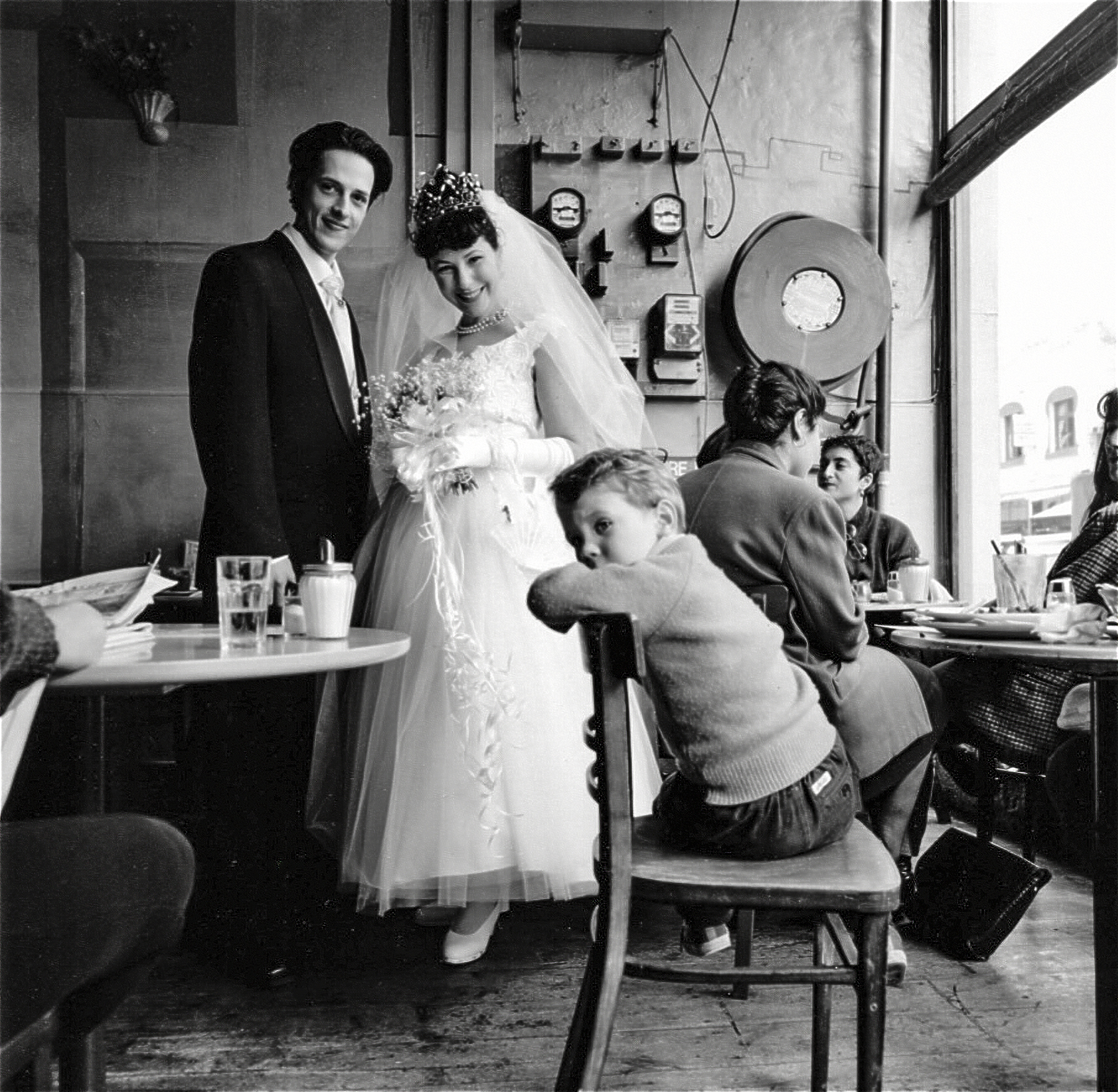
‘Following this I worked as a motion picture film extra, gaining many hours of work by studiously avoiding the eye of the cine camera (so as never to appear too prominently in the rushes, which would thus negate further work) and then I worked for many years as a self-employed commercial, wedding and portrait photographer, at one stage operating a shopfront studio in St Kilda. This is one of my many commercial wedding photographs. Fortunately black & white print photography, which was my favourite, was also very popular with wedding clients…’
More recently, now in semi-retirement, Andrew has been practicing drawing and has also invented and marketed an app, enLARGE, currently available on the Apple AppStore, which functions as a predictive exposure computer for the traditional optical darkroom enlarger, enabling a computation of the exposure time required for an increased enlargement derived from the exposure time for a much smaller trial enlargement made first from the same negative. ‘Testing small’ then ‘printing big’ saves making erroneous prints at the larger size.

The same functionality eases the making of sets of perfectly matching differently sized enlargements from the one negative without making intermediary tests. It tracks and computes dodge & burn times, compensates for print drydown, and computes split exposures:
‘I’m sure that Athol Shmith, being the innovator that he was, would have been impressed by it. It sells consistently in a very, very niche market; most photographs, these days, are never printed, and darkroom printing must comprise an infinitesimally small part of the overall photographic print market. In order to promote my app I started up a YouTube channel (‘Andrew G. Wittner’) devoted to it, to which I have since added other photographic videos, and so I have become a YouTuber, which I am enjoying.
Wittner continues to shoot, process and print black & white film in the darkroom, making black & white silver-gelatin family portraits for returning customers (and now their offspring!) from my wedding photography years, and occasionally for people who want them made directly from their negatives rather than from digital scans. He owns two digital cameras for stills and video for production of YouTube videos.:
‘I like having fibre-based black & white prints in portfolios and on my walls and I generally don’t post my own work on the internet. ‘For my recreational photography I find that digital is too easy; instead I prefer the challenge, surprise and craft of traditional b&w film and darkroom work.’
 Prahran Photography
Hi James McArdle,
Really enjoying your website Prahan Photography.
Regarding the Andrew Wittner “To my surprise I sold my complete set of exhibition prints to a fellow by the name of John Cook (or was it Crook?) who represented a school, the name of which I now cannot recall.”
John Crook Principal / Founder would have been the purchaser and the secondary school was Tenaden firstly based in the community hall in Belgrave South. 1971 – 1980. Sadly closed.
Kind regards and thanking you,
Susan Hayman
LikeLike
Thank you Susan for this information. Much appreciated!
James
LikeLike